Contractor Pricing Tips: How to Avoid Overpaying and Get Fair Quotes
When you're hiring a contractor, a licensed professional hired to manage or perform home construction or repair work. Also known as a general contractor, it's the person who turns your renovation ideas into reality—but not all contractors charge the same, and not all quotes are honest. Too many homeowners pay too much because they don’t know what to look for in a quote. A $15,000 bathroom remodel might be fair in one city and wildly overpriced in another. The difference isn’t just materials—it’s transparency, experience, and how the contractor breaks down the cost.
Good contractor quotes, a detailed estimate that lists labor, materials, permits, and timelines. Also known as project bid, it should never be a single number with no explanation. If a contractor gives you a flat price without listing what’s included, walk away. You need to see line items: hourly rates, material brands, disposal fees, and how many days the job will take. Compare at least three quotes—not to pick the lowest, but to spot the outliers. A quote that’s 30% lower than the others? That’s a red flag. It could mean they’re cutting corners, using cheap materials, or planning to add hidden fees later.
Another key factor is remodeling budget, the total amount you’re prepared to spend on a home improvement project. Also known as renovation budget, it should be based on your home’s value and your long-term goals. The 30% rule for renovations says you shouldn’t spend more than 30% of your home’s value on a single project. If your house is worth $300,000, spending $120,000 on a kitchen might not make financial sense. Use that rule to anchor your expectations. Don’t let a contractor talk you into an upgrade that doesn’t add proportional value.
Ask about permits. A reputable contractor will include permit fees in their quote and handle the paperwork. If they say you can get them yourself, that’s a warning. Permits protect you—they ensure the work meets safety codes and won’t cause problems when you sell. Also, check if the quote includes cleanup. Some contractors leave debris behind and charge extra to haul it away. That’s not professional—it’s sneaky.
Look at payment schedules. Never pay 100% upfront. A fair structure is 10-30% down, 40-50% midway, and the rest after final inspection. If a contractor demands full payment before starting, they’re not trustworthy. And always get everything in writing—changes, materials, deadlines. Verbal promises mean nothing when things go wrong.
The best fair contractor rates, prices that match local market standards for labor and materials. Also known as market-rate pricing, they reflect experience, quality, and accountability. You’re not just paying for hands—you’re paying for reliability, knowledge, and peace of mind. A slightly higher quote from someone with real reviews and insurance is always better than a cheap one with no track record.
What you’ll find below are real stories from homeowners who’ve been there—overcharged, misled, or saved by asking the right questions. These posts break down exactly what to expect when hiring a contractor for kitchens, bathrooms, roofs, and more. No fluff. Just what works.
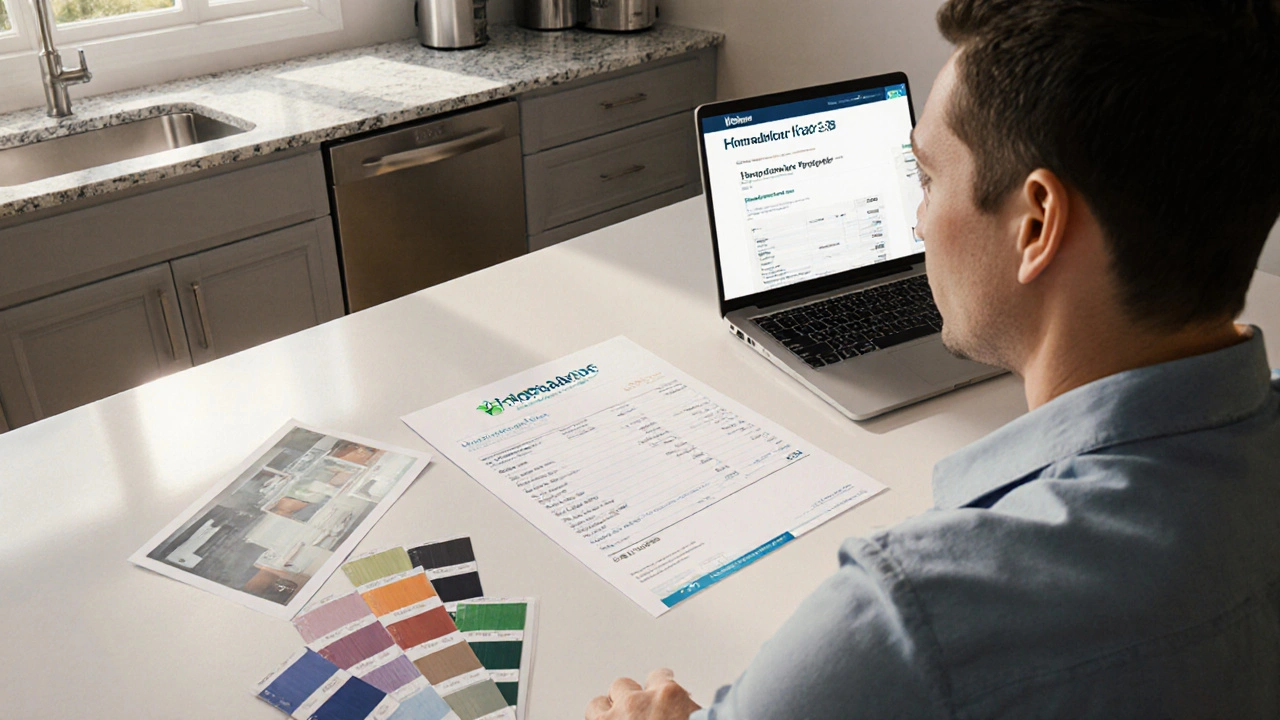
How to Tell a Contractor Their Price Is Too High for a Modern Kitchen Renovation
Learn how to calmly and effectively negotiate a high kitchen renovation quote without damaging your relationship with the contractor. Get practical steps to compare bids, spot overcharges, and secure a fair price for your modern kitchen remodel.
view more