Roof Pitch: What It Is, Why It Matters, and How It Affects Your Home
When we talk about roof pitch, the angle at which your roof rises from the eaves to the peak. Also known as roof slope, it’s not just a number on a blueprint—it’s the difference between a roof that lasts 50 years and one that leaks after five. A steep roof sheds snow and rain faster. A shallow one saves money on materials but needs better waterproofing. The right pitch depends on your climate, your materials, and even your local building codes.
Roof pitch isn’t isolated. It directly affects roofing materials, the type of shingles, metal panels, or tiles your roof can safely hold. For example, asphalt shingles need at least a 2:12 pitch to work right. If your roof is too flat, water pools, and that’s how leaks start. On the flip side, a very steep pitch might look great but adds cost—more materials, more labor, harder to install and maintain. It also changes how your attic vents, how much insulation you can fit, and even how much sunlight your solar panels get.
Then there’s roof drainage, how water flows off your roof and away from your foundation. A low-pitch roof needs gutters that are perfectly sized and perfectly clean. A high-pitch roof can handle heavier rainfall without backing up—but it also means more runoff hitting your landscaping or driveway. That’s why you’ll see flat roofs in dry desert towns and steep ones in snowy New England. The pitch isn’t decorative. It’s functional. It’s safety. It’s money saved—or lost.
You’ll find posts here that dig into real-world examples: how to measure your own roof’s pitch with a level and a ruler, which materials work best at different angles, and why insurance companies care about pitch when they assess claims. Some articles show you how to fix leaks tied to poor slope. Others explain why a $500 roof repair turns into a $5,000 job because the pitch was wrong from the start. This isn’t theory. It’s what happens when you ignore the basics.
Whether you’re replacing shingles, adding a dormer, or just trying to understand why your gutters overflow every spring, roof pitch is the hidden variable. It’s the reason two identical houses in the same neighborhood have different lifespans. Get it right, and your roof works silently for decades. Get it wrong, and you’re fixing it every year.
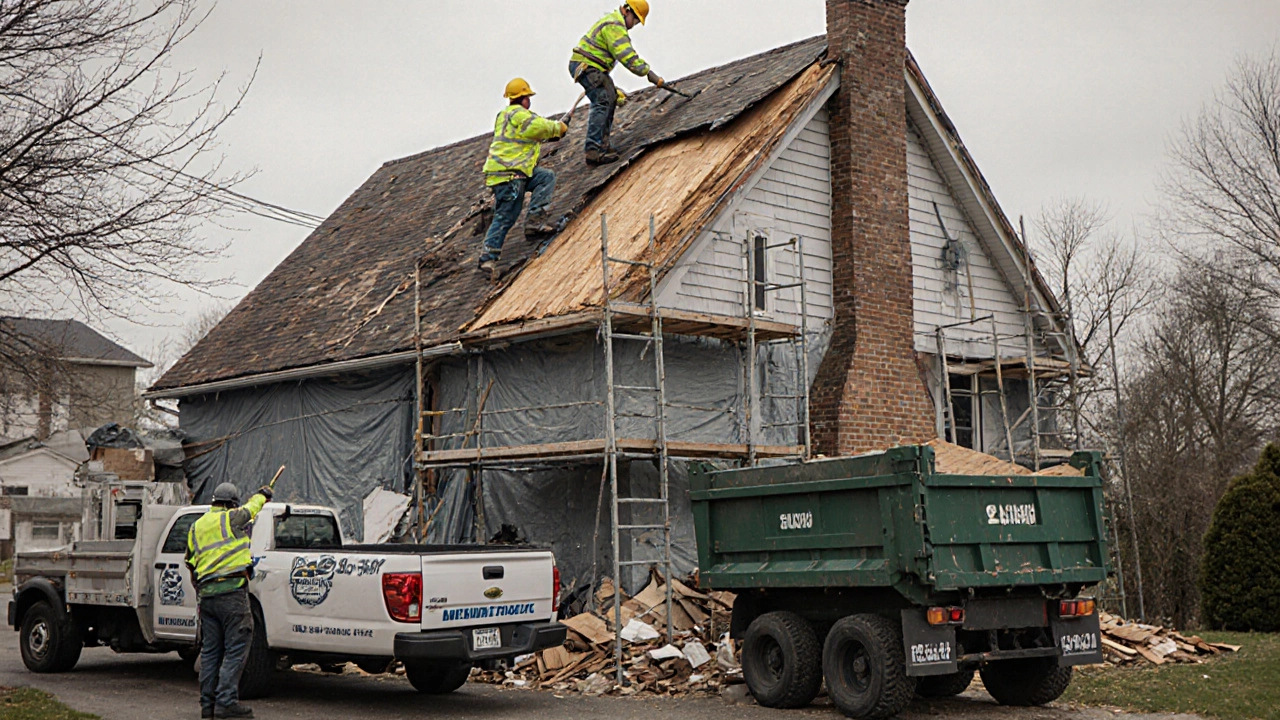
What Is the Most Expensive Part of a New Roof?
The most expensive part of a new roof isn't the shingles-it's labor, decking, and underlayment. Learn where your money really goes and how to avoid costly mistakes.
view more