Roof Underlayment: What It Is, Why It Matters, and What You Need to Know
When you think about your roof, you probably picture shingles, gutters, or maybe the slope of the peak. But the real hero? roof underlayment, a waterproof or water-resistant layer installed directly on the roof deck before shingles go on. Also known as roof felt or synthetic underlayment, it’s the first line of defense against wind-driven rain, ice dams, and leaks from damaged shingles. Without it, even the best shingles can fail fast. Most homeowners never see it—but if it’s missing or cheap, you’ll feel the consequences in your basement, your walls, or your bank account.
roofing materials, the layers that make up a complete roof system aren’t just about shingles. The roof protection, the collective systems that prevent water intrusion starts with what’s underneath. Modern synthetic underlayment is lighter, stronger, and more tear-resistant than old asphalt-saturated felt. It doesn’t absorb moisture, resists UV damage during installation, and often comes with self-adhesive edges for extra sealing around nails and vents. In places like the Midwest or Northeast, where ice dams are common, roof leak prevention, strategies that stop water from getting into the structure means using an ice and water shield—special underlayment that sticks to the deck and forms a rubber-like barrier along eaves and valleys.
Some contractors still use basic felt because it’s cheaper. But if you’re spending money on new shingles, why risk the layer beneath them? A $500 mistake on underlayment can turn into a $10,000 repair after water damage, mold, or rot sets in. The posts below show real examples: how underlayment affects insurance claims, what pros look for during inspections, how to choose between synthetic and felt, and even how to install it right if you’re doing it yourself. You’ll see how one thin layer makes the difference between a roof that lasts 20 years and one that fails in five.
Whether you’re replacing your roof, fixing a leak, or just trying to understand what’s going on up there, this collection gives you the facts—not the fluff. No sales pitches. No jargon. Just what actually works.
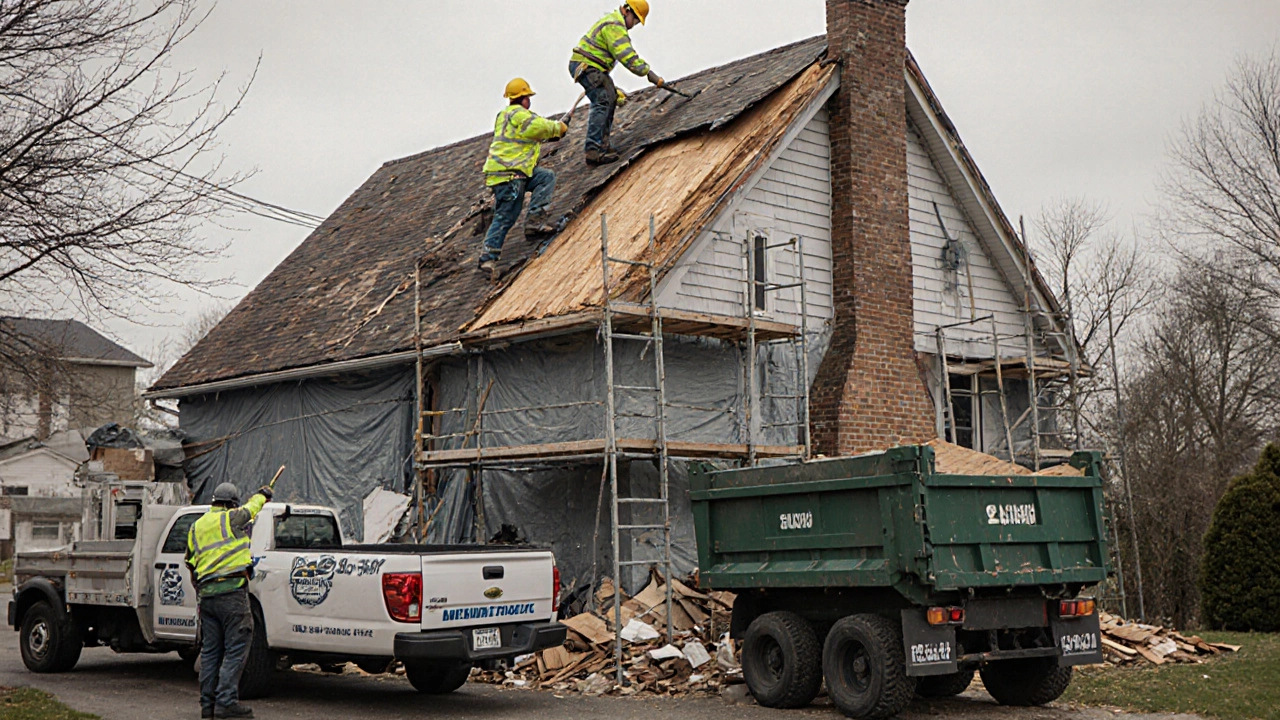
What Is the Most Expensive Part of a New Roof?
The most expensive part of a new roof isn't the shingles-it's labor, decking, and underlayment. Learn where your money really goes and how to avoid costly mistakes.
view more