Waterproof Flooring: Best Options for Wet Areas and Long-Term Durability
When you need a floor that can handle water without swelling, warping, or growing mold, you’re looking for waterproof flooring, a category of floor materials engineered to resist water damage even when submerged or exposed to constant moisture. Also known as water-resistant flooring, it’s not just a trend—it’s a necessity in bathrooms, kitchens, basements, and laundry rooms. Unlike traditional wood or laminate that swells when wet, modern waterproof options are built with sealed cores, synthetic layers, and factory-applied coatings that keep water out.
Not all waterproof floors are the same. porcelain tile, a dense, fired clay material that absorbs less than 0.5% water has been the gold standard for decades, especially in bathrooms. luxury vinyl plank, often called LVP, is a newer favorite that mimics wood or stone but has a rigid core that won’t swell even under standing water. Then there’s engineered wood with waterproof cores, a hybrid that looks like real wood but uses a stone-plastic composite base to block moisture. Each has trade-offs: tile is durable but cold underfoot, LVP is soft and quiet but can scratch, and waterproof engineered wood is stylish but pricier.
What you avoid matters as much as what you choose. Avoid cheap vinyl sheeting that seams can lift, or laminate labeled "water-resistant"—that’s not the same as waterproof. Real waterproof flooring passes the 72-hour submersion test without damage. It’s also about installation: even the best material fails if the subfloor isn’t level or the seams aren’t sealed. That’s why so many homeowners who’ve tried and failed with other floors end up switching to these three: porcelain tile, LVP, and waterproof engineered wood. They’re the only ones that truly last in wet zones without constant repair.
You’ll find real-world examples of these floors in the posts below—some show how a $2,000 LVP job outlasted a $6,000 tile install, others reveal why warm gray waterproof planks sell homes faster, and one breaks down why a bathroom floor made of natural stone needs sealant every year—even if it’s called "waterproof." This isn’t about picking the trendiest look. It’s about choosing something that won’t rot, warp, or turn into a mold farm when your kid spills a glass of milk or your washing machine leaks. The right waterproof floor doesn’t just look good—it saves you money, stress, and headaches for years.
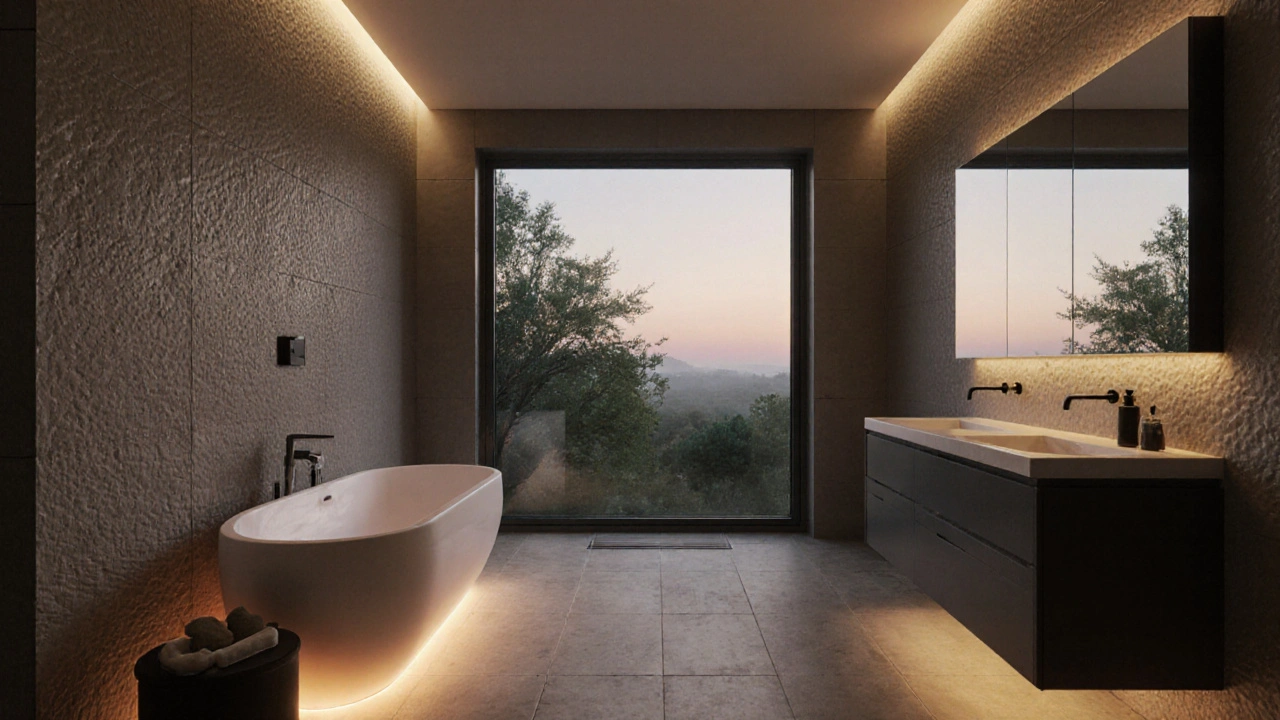
What Are the Bathroom Remodeling Trends for 2025?
Discover the top bathroom remodeling trends for 2025, from smart showers and heated floors to sustainable materials and spa-inspired design. Learn what’s in, what’s out, and how to build a bathroom that works for life.
view more