Fixing a leaky roof isn’t just about slapping on some tar and calling it done. If you’ve noticed water stains on your ceiling or missing shingles after a storm, you’re probably wondering how much it’ll cost to fix it - and whether you can even do it yourself. The truth is, most roof repairs are doable without hiring a contractor, but only if you know what you’re looking for and how to measure it right. A bad estimate can leave you overpaying, underprepared, or worse - stuck with a roof that fails again next winter.
Start by identifying the type of damage
Not all roof problems are the same. You can’t estimate a repair if you don’t know what you’re fixing. The most common issues are:- Missing or cracked shingles
- Flashing damage around chimneys, vents, or skylights
- Granule loss on asphalt shingles
- Rotting roof decking or sheathing
- Ice dam damage in colder climates
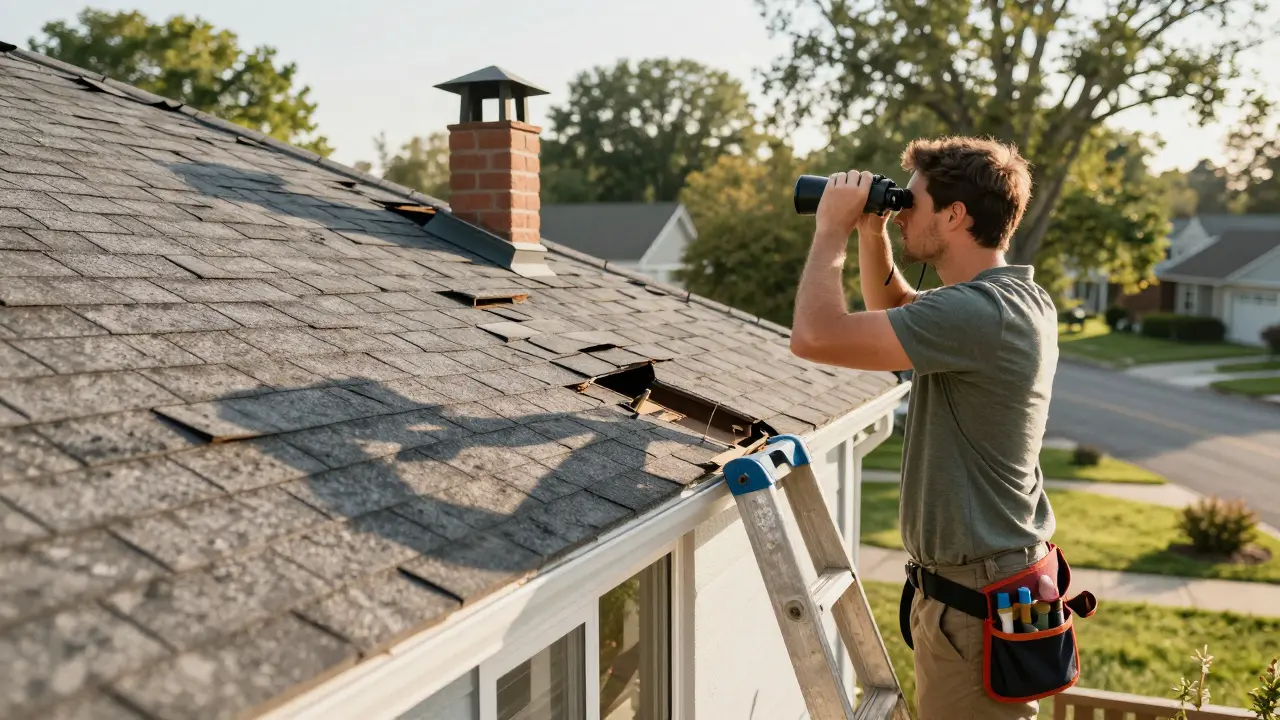
Look at your roof from the ground first. Use binoculars if you have them. If you see more than five damaged shingles in one area, that’s a red flag. A single missing shingle might be a $50 fix. Ten shingles plus damaged flashing? That’s closer to $500. If you see soft spots on your attic floor or water pooling near rafters, you’ve got deeper damage - maybe even structural. That changes everything.
Measure the affected area
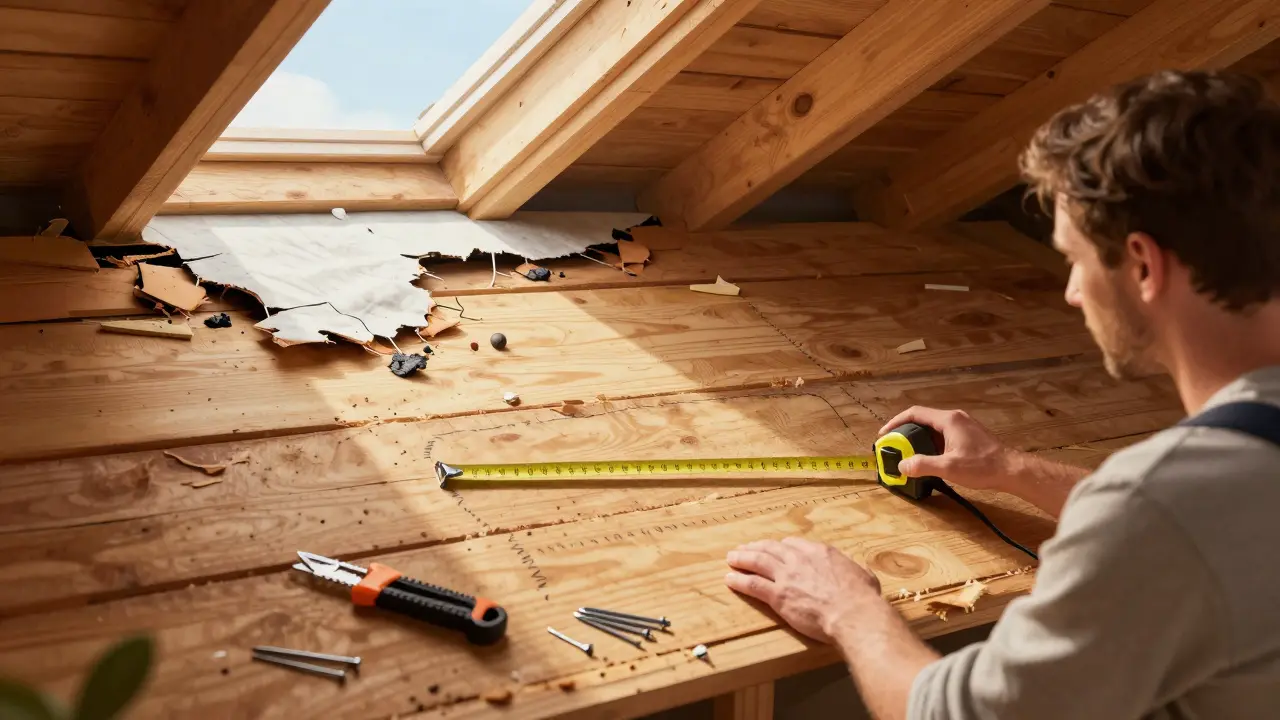
Roofing materials are sold by the square - one square equals 100 square feet. You don’t need to measure your whole roof. Just the damaged part. Here’s how:- Find the damaged section. Mark its edges with chalk or tape from inside the attic if you can safely access it.
- Use a tape measure to get the length and width of the area. Multiply them to get square footage.
- Divide that number by 100 to get squares.
Example: A 10-foot by 12-foot area of missing shingles = 120 sq ft = 1.2 squares. You’ll need to buy at least 1.5 squares to account for waste and trimming. Roofing contractors always add 10-15% extra for cuts and overlaps. Do the same.
Know your roofing material
Asphalt shingles are the most common in North America - and the cheapest to repair. But if you have metal, tile, or wood shake, prices jump. Here’s what you’re likely dealing with:| Material | Repair Cost per Square | Notes |
|---|---|---|
| Asphalt 3-tab shingles | $80-$120 | Most common; easy to match |
| Asphalt architectural shingles | $120-$180 | Thicker, more durable; harder to match |
| Metal roofing | $200-$400 | Requires special tools and sealants |
| Clay or concrete tile | $300-$600 | Heavy; risk of breaking during removal |
| Wood shake | $250-$500 | Hard to find matching wood; needs treatment |
If you’re replacing just a few shingles, you can often match them by taking one to a local roofing supply store. But if your roof is older than 10 years, finding an exact match is tough. That’s when you might need to replace a whole section - or consider a full replacement down the line.
Factor in underlayment and flashing
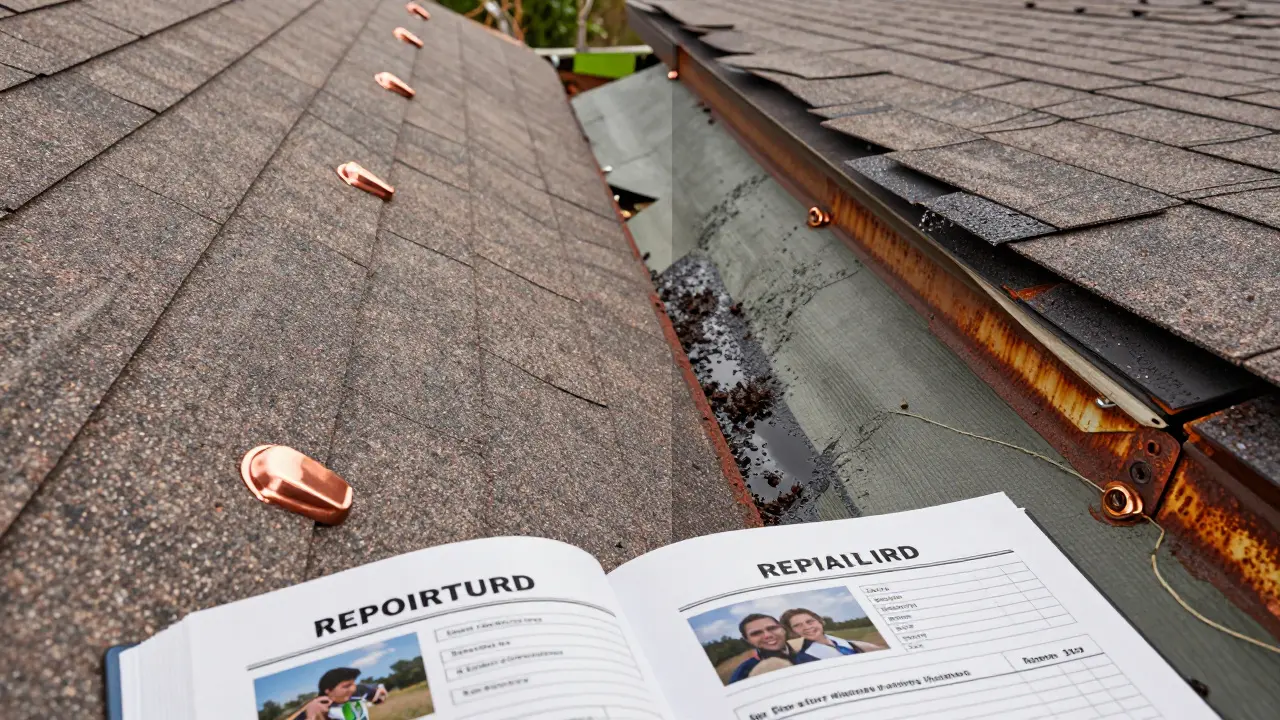
Most people forget about the hidden layers. The shingles you see are just the top. Beneath them is underlayment - a waterproof barrier - and flashing - metal strips that seal joints. If water got through, chances are the underlayment is damaged too. Replacing it adds $50-$100 per square. Flashing around chimneys and vents? That’s another $75-$150 per section.Here’s a real example from a home in Burlington: A homeowner noticed a leak near the chimney after heavy snow. They thought it was just a few shingles. But when they pulled them up, the felt underlayment was soggy and torn. The flashing was rusted through. They ended up replacing 1.5 squares of shingles, 2 squares of underlayment, and 6 feet of new copper flashing. Total material cost: $410. Labor would’ve been $800+. They did it themselves over a weekend.
Don’t forget safety and tools
Roofing isn’t just about materials. You need the right gear. A basic repair kit includes:- Roofing nails (1.5-inch galvanized)
- Roofing cement or sealant (for flashing)
- Utility knife
- Hammer or nail gun
- Chalk line
- Sturdy ladder with stabilizers
- Non-slip roofing shoes
- Safety harness (if working on steep slopes)
If you’re not comfortable climbing on your roof, hire someone. Falling off a roof isn’t a DIY mistake you recover from. Most insurance claims for roof damage come from people who tried to fix it themselves and got hurt.
Compare quotes - even if you plan to DIY
Even if you’re going to do the work yourself, call three local roofing companies for free estimates. Ask them to break down their quote: materials, labor, disposal, permits. You’ll learn what materials cost in your area. You’ll see what’s considered standard. And you’ll spot red flags - like a quote that includes replacing your entire roof when only three shingles are missing.In Ontario, most roof repairs don’t require a permit unless you’re changing the structure or covering more than 25% of the roof. But if you’re in a heritage district like Burlington’s Old Town, check with the city. Some neighborhoods have rules about shingle color or material.
When to call a pro
You can fix most small repairs alone. But walk away if you see any of these:- More than 25% of your roof is damaged
- Rotting wood under the shingles
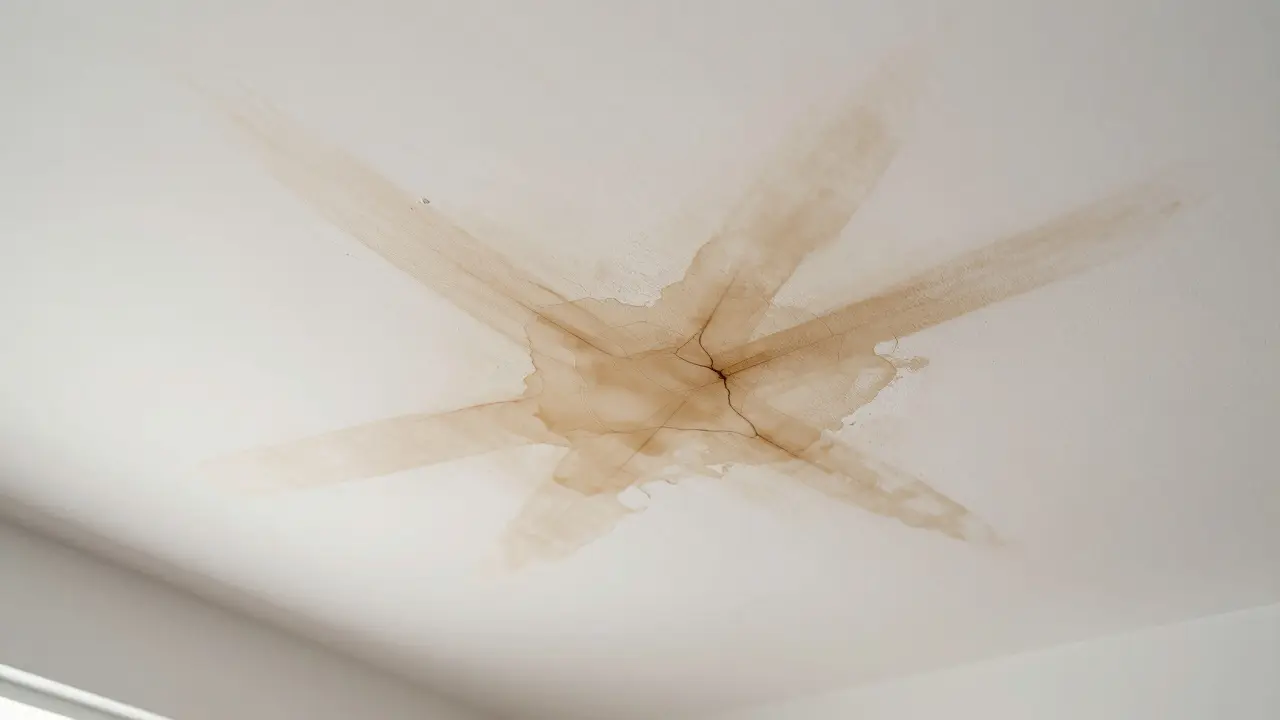
- Water damage in your attic or ceiling
- Multiple leaks in different areas
- Your roof is over 15 years old
At that point, it’s not a repair - it’s a replacement waiting to happen. A full roof replacement in Ontario averages $8,000-$15,000 depending on size and material. But if you wait too long, water damage to your walls, insulation, or framing can cost $20,000+ to fix.
Keep a repair log
After you fix it, take photos and write down what you did: date, materials used, how much you spent, and what you replaced. Keep this in a folder. If you sell your home, this log proves you maintained the roof. Buyers and inspectors love it. It also helps if you need to file an insurance claim later.Roof repairs are one of the few home projects where doing it right the first time saves you thousands. A $100 fix today prevents a $5,000 mess tomorrow. Don’t guess. Measure. Match. Document. And if in doubt - get a second opinion before you climb up there.

John Fox
January 4, 2026 AT 04:01Been there done that. One shingle gone after a windstorm. Grabbed a hammer and some nails. Fixed it in 10 minutes. No big deal.
chioma okwara
January 4, 2026 AT 05:41uuhh so like… you say ‘shingles’ but did u mean ‘shingels’? cause that’s not even a word lol. also ‘underlayment’ is spelled with an ‘e’ not an ‘a’ dumbass. and why you say ‘squares’ like its a drug deal lmao
Christina Morgan
January 5, 2026 AT 05:17Actually, this is one of the clearest guides I’ve seen on roof repairs. You broke it down like you’re talking to a friend who just moved into their first house. No fluff, no jargon overload. I’m saving this for my sister-she’s trying to fix her porch roof next weekend. Seriously, thank you.
Samar Omar
January 6, 2026 AT 15:26How quaint. You presume that the average homeowner possesses the spatial reasoning to measure a roof from the attic without a level, a laser, or at least a basic understanding of trigonometry. And you think replacing 1.5 squares of asphalt is a ‘$100 fix’? Darling, that’s the cost of the nails alone if you’re in a coastal county with inflation-adjusted lumber tariffs. The real cost is psychological: the dread of climbing up there, the terror of a loose shingle, the quiet realization that your house is slowly dying. You didn’t mention the existential weight of a leaking roof. The drip… drip… drip… echoing like a metronome counting down to bankruptcy.
Anuj Kumar
January 6, 2026 AT 15:43you know what they dont tell you? the government puts trackers in roofing nails. they watch you fix your roof. then they raise your taxes. i saw it on a video. they say if you fix it yourself they cant charge you for the ‘professional fee’ so they make you pay more later. dont trust the shingle industry. they own the weather now.
Tasha Hernandez
January 8, 2026 AT 07:15Oh my god. I just looked at my roof after reading this. I thought it was just a little leak. Turns out I’ve been living in a haunted house. The water stains? They’re not stains. They’re messages. From the roof. It’s screaming. And I ignored it. For three winters. My cat won’t go near the living room anymore. She knows. She’s seen the damp. I’m calling a pro tomorrow. I can’t do this. I’m not strong enough.
Mbuyiselwa Cindi
January 8, 2026 AT 15:54This is gold. I’m from Cape Town and we get these crazy windstorms that rip shingles off like confetti. I’ve done two repairs myself now. The key is matching the shingle color-buy an extra pack even if you think you won’t need it. Also, always wear gloves. Roof tar is a nightmare to get off skin. You’ll thank me later.
Jack Gifford
January 9, 2026 AT 23:48Love the breakdown on flashing. Most people skip that and wonder why it leaks again in two months. Also, copper flashing lasts forever but it’s pricey. Aluminum’s fine for most homes unless you’re near the ocean. Salt air eats it alive.
Bridget Kutsche
January 10, 2026 AT 05:40If you’re nervous about climbing, start small. Fix one shingle. Just one. Then another. You’ll surprise yourself. And if you get scared halfway? That’s okay. Walk away. Come back tomorrow. This isn’t a race. Your safety matters more than a dry ceiling.
Kathy Yip
January 11, 2026 AT 14:48just wondering… when you say ‘measure from the attic’-what if you don’t have access to the attic? like if it’s sealed or too cramped? i’ve got one of those weird 1950s houses where the insulation is packed like a taco. how do you measure then? i’ve been staring at my roof for weeks trying to figure this out
Sarah Meadows
January 11, 2026 AT 23:41Don’t let these DIYers fool you. Roofing is a national security issue. The Chinese control 70% of the asphalt supply. The Russians own the nail factories. If you fix your own roof, you’re undermining American infrastructure. Call a licensed contractor or risk being labeled a traitor to the American shingle.
Nathan Pena
January 12, 2026 AT 01:39While your methodology is technically sound, you’ve omitted critical variables: atmospheric pressure differentials during storm events, the coefficient of thermal expansion for asphalt under UV exposure, and the statistical likelihood of micro-fractures propagating in shingles aged between 8–12 years. Your cost estimates are anecdotal at best. A proper analysis requires a Bayesian probability model calibrated against NIST roofing failure datasets. You’ve reduced a complex engineering problem to a grocery list.
Mike Marciniak
January 12, 2026 AT 12:01They want you to think you can fix it yourself. But they’ve already sold your roof to the insurance company. That leak you see? It’s not an accident. It’s a trigger. Once you file a claim, they raise your rates. Then they send out ‘inspectors’ who find ‘hidden damage’ you didn’t even know existed. You think you’re saving money? You’re signing up for a lifetime of overpriced repairs. Don’t touch that roof. Let them come to you.
VIRENDER KAUL
January 13, 2026 AT 19:18It is imperative to underscore the structural implications of substandard roofing practices. The utilization of galvanized nails without corrosion-resistant coating constitutes a latent structural hazard, particularly in regions with elevated humidity indices. Furthermore, the procurement of roofing materials from non-certified vendors may result in non-compliance with International Residential Code Section R905.2.3. I implore all readers to consult certified roofing engineers prior to initiating any repair protocol.
Krzysztof Lasocki
January 15, 2026 AT 09:05Man, I fixed my roof last summer with a ladder, a roll of tar paper, and a whole lot of stubbornness. I thought I was a hero. Then I realized I just bought myself a year’s worth of stress. But hey-at least I didn’t pay $12K. And now my dog sleeps right under the spot where it used to leak. Progress, baby.