
In 2026, a typical bathroom remodel in Canada runs between $15,000 to $45,000 for mid-sized projects, according to national averages from HomeBuildCost.ca. But here’s the kicker: your final bill could swing wildly based on three things you control-scope, materials, and timing. Let’s unpack exactly where every dollar goes so you can plan without panic.
Budget Tiers That Actually Reflect Reality
Forget generic "low/high" ranges. Here’s what actual homeowners spent across three realistic project scopes in 2026:
| Project Type | Size Range | Total Cost (CAD) | Key Inclusions |
|---|---|---|---|
| Cosmetic refresh with basic updatesLight Refresh | 5-7 sqm | $8,000-$12,000 | New fixtures, paint, flooring, minor repairs |
| Full layout overhaul with plumbing/electrical changesMid-Level Renovation | 7-12 sqm | $18,000-$35,000 | Moved drains, heated floors, custom cabinetry |
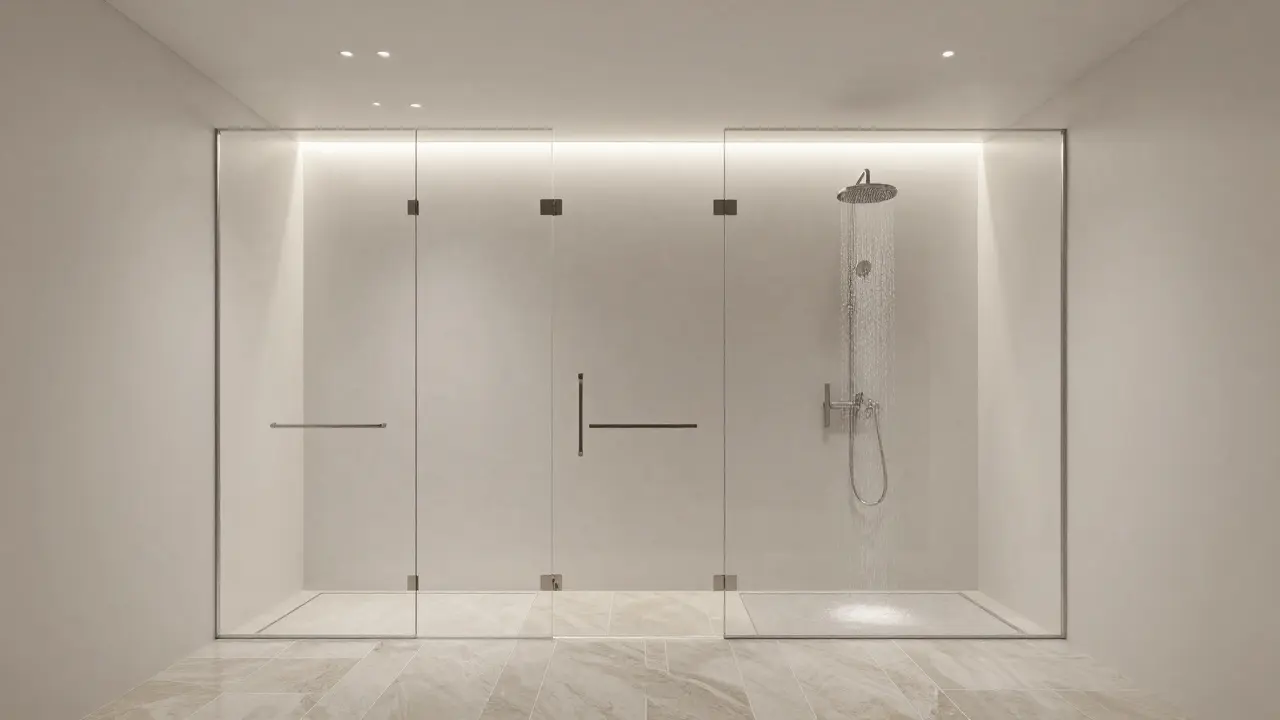
| Luxury suite with spa featuresLuxury Spa Upgrade | 12+ sqm | $50,000+ | Vapor-glass shower, smart mirrors, rainfall jets |
A critical factor most overlook: Labor Costs. In Ontario 2026, skilled trades run $95-$140/hour. A $25k project often splits 60% labor/40% materials-but skip permits to save $1,000, and you risk fines up to $15,000.
The Hidden Cost Killers Nobody Mentions
Water damage behind walls? Found mold during demolition? These surprises eat budgets fast. Allocate 15-20% contingency funds before signing contracts. Meanwhile, trending choices like Water-Saving Fixtures (dual-flush toilets, pressure-regulating showerheads) can reduce long-term utility bills but may raise upfront costs by $1,200-$2,500. Still worth it? If you’re in Burlington, Hydro One rebates cover up to 30% of eco-fixtures through 2027.
DIY Traps You Must Avoid
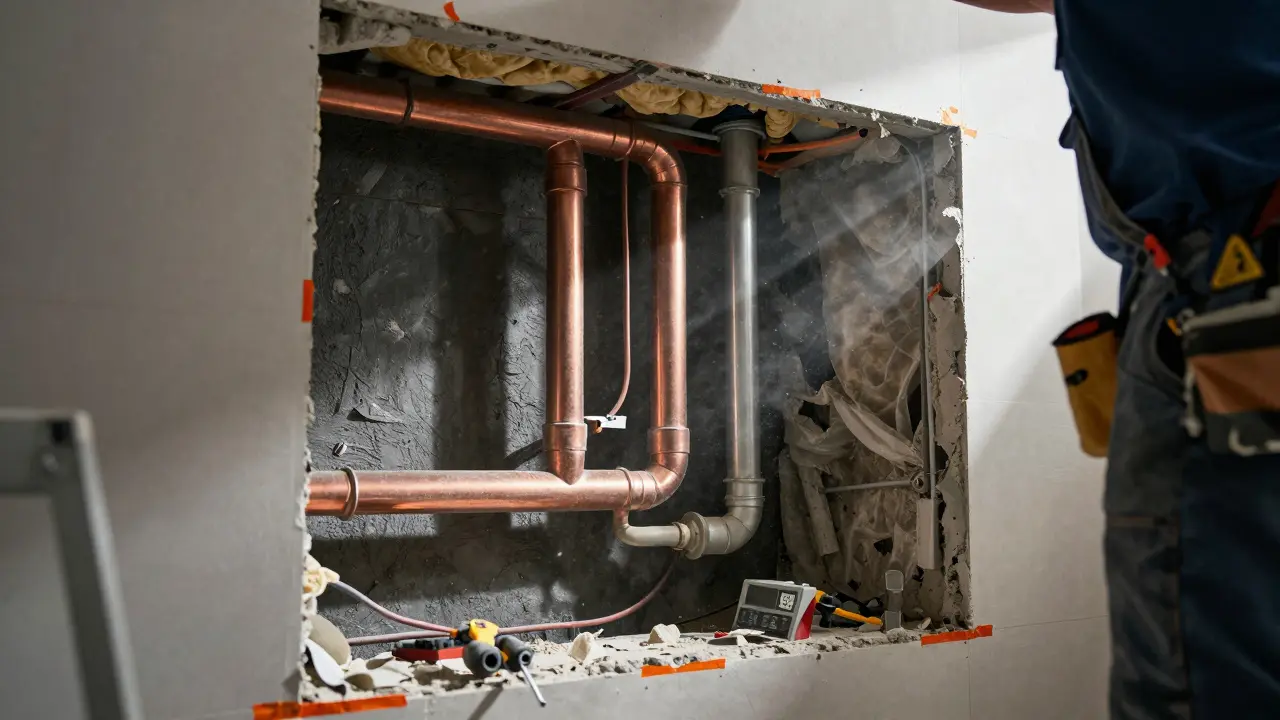
Painting yourself seems smart until you realize: improper moisture barriers in showers void warranties. Save effort on cosmetic swaps-like replacing a vanity cabinet ($300 DIY vs $800 contractor)-but never attempt electrical/plumbing work. Last year, 38% of failed DIY renos in Halton Region stemmed from code violations. When hiring pros, verify WSIB insurance coverage first.
Timing Tactics for Maximum Savings
Schedule demo work between October-February. Contractors often discount off-season jobs by 12-18%. Also, lock material prices early: porcelain tile costs jumped 9% last spring due to supply chain delays. Pre-buy bulk supplies with written delivery dates, then negotiate fixed pricing clauses into contracts.
Final Checklist Before Breaking Ground
- Verify zoning rules for structural changes
- Get 3 written quotes specifying exact materials
- Confirm permit timelines (avg. 4-6 weeks in Halton Region)
- Lineup backup funding for unforeseen issues
Can I stretch my budget further by phasing the work?
Yes! Splitting into two phases (e.g., demolition + rough-ins first, then finishes later) spreads costs over time. Just ensure contractors account for site security between stages.
How much does moving plumbing drain lines actually cost?
Expect $2,500-$6,000 extra per line moved in standard layouts. Always hire licensed plumbers for this-unauthorized modifications risk catastrophic leaks.
Are heated floors really necessary?
Optional for most climates, but electric systems pay back quickly. In Burlington winters, expect $1,800 installation plus $20-$35 monthly energy use. Gas systems require separate venting though.
What’s the most overlooked hidden cost?
Temporary accommodations. If you lose bathroom access for 3+ days, hotel stays add up. Plan ahead or rent short-term suites nearby.
Should I buy pre-finished cabinets or raw wood?
Pre-finished saves time but limits customization. Raw wood adds ~20% cost upfront but lets you match exact tones. For resale value, pre-finished wins in compact spaces.


Frank Piccolo
April 3, 2026 AT 00:07This breakdown is laughable for anyone who knows actual construction rates in North America. People claiming fifteen thousand dollars is average clearly never stepped foot in a hardware store during recent inflation spikes. Skilled labor here commands double what this chart suggests without breaking a sweat. You cannot simply swap plumbing lines for two grand like it is grocery shopping. Permits alone often exceed the entire budget listed for cosmetic refreshes. It takes real guts to ignore zoning rules and hope you do not get audited. Most Canadians rely on handouts rather than earning their way through proper planning. We built our own homes back in the day without needing these fancy rebate schemes. Reliance on government data makes individuals weak and dependent on faulty averages. A true investor understands material volatility does not stop because winter hits. Heating systems require professional oversight that few homeowners bother to secure. Skipping insurance coverage is a direct path to bankruptcy when accidents occur. The idea of phasing work sounds good until supply chains lock you out entirely. Only amateurs would attempt electrical work themselves despite obvious warnings. Save your money and hire professionals who know the code better than internet blogs.
David Smith
April 4, 2026 AT 07:44It is absolutely disgusting to see people considering skipping permits to save a grand. Safety standards exist for a reason and cutting corners puts families in danger every single day. Contractors who agree to bypass regulations are essentially criminals operating outside the law. We need stricter enforcement in 2026 to stop these cheap shortcuts from ruining neighborhoods. Financial saving tips like this encourage reckless behavior that leads to disaster later.
Lissa Veldhuis
April 4, 2026 AT 15:16people always think they know best when it comes to moisture barriers and warranties you cant fix a leak with paint and cheap caulk everyone ignores the science behind drywall rotting in humidity the water damage spreads silently until the ceiling collapses its so frustrating to see folks trusting random blogs instead of engineers who calculate load bearing walls and drainage slopes properly why take the risk when professionals know exactly what vapor retarders prevent mold growth in the future
Buddy Faith
April 6, 2026 AT 10:21contractors are stealing half the money anyway and the gov hides the real permit costs big builders want you stuck paying overtime for basic work trust nobody with the timeline numbers
Jen Kay
April 7, 2026 AT 23:09How fascinating that we still assume contingency funds are optional when surprises are statistically inevitable. One would expect modern homeownership involves some level of financial maturity beyond mere wishful thinking. The article does a decent job highlighting the risks of unauthorized modifications though. It is truly remarkable how often individuals underestimate the complexity of municipal approval processes.
Sandi Johnson
April 9, 2026 AT 21:55Tell me you are not a fan of free labor when you call skipping permits risky yet suggest it saves a grand. That moralizing tone while ignoring inflation is peak comedy right now.
Thabo mangena
April 10, 2026 AT 01:38I am pleased to contribute this observation regarding international cost variations. The figures presented align reasonably well with current market conditions observed across developed regions. Investing in quality materials yields long term benefits that outweigh immediate savings significantly. Planning carefully ensures project completion without unnecessary stress or delays. Thank you for sharing this comprehensive overview for community benefit.
Karl Fisher
April 10, 2026 AT 07:26You are missing the point of luxury entirely when discussing budgets. True elegance requires spending above standard tiers to achieve any meaningful aesthetic improvement. The spa features mentioned are essential for maintaining resale value in high end markets. Cutting corners on finishes reveals a lack of understanding regarding property valuation dynamics.
Eva Monhaut
April 11, 2026 AT 14:58Your passion for structural integrity is evident and quite admirable despite the harsh delivery methods employed. Perhaps combining detailed knowledge with supportive feedback creates better guidance for beginners. Understanding technical specs empowers owners to verify contractor claims effectively. Building trust within the renovation ecosystem helps everyone involved succeed.
Scott Perlman
April 11, 2026 AT 17:30This guide really helps people avoid wasting cash on bad projects.