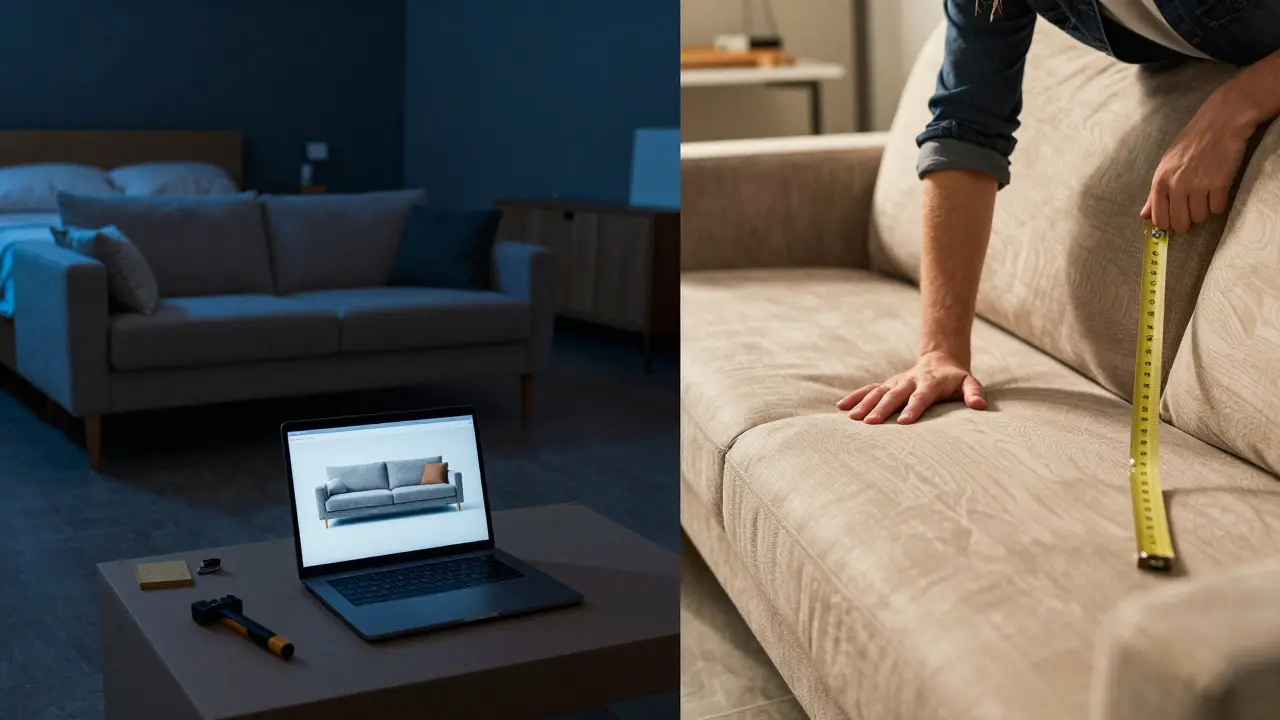
Buying furniture is one of those decisions that sticks with you. Unlike a new shirt or a coffee maker, furniture lasts for years - sometimes decades. You sit on it, eat off it, sleep next to it. So when you’re thinking about whether to buy furniture online or in store, it’s not just about convenience. It’s about getting it right the first time.
Why Online Furniture Shopping Feels Like a Gamble
Online furniture stores have exploded in the last five years. Wayfair, IKEA’s online shop, Article, and Burrow now offer thousands of styles, often at prices that look too good to be true. And yes, you can find deals. But here’s what no one tells you: you’re buying a photo.
That sofa you saw on your screen? It might look perfect in the staged living room. But in your space? The color could be off. The fabric might feel cheap. The depth might be too shallow for your 6’2" frame. A 2024 survey by the National Retail Federation found that 42% of online furniture buyers returned items because of size, color, or comfort mismatches. That’s nearly half.
And then there’s shipping. Most online furniture arrives in boxes. You assemble it. If something’s missing, you wait days for a replacement. If the legs are wobbly? You’re on your own. Returns are messy. You pay for pickup, you pay for restocking, and you lose time. For a $1,200 sectional, that’s not worth the risk if you’re not sure.
What You Get in a Physical Store
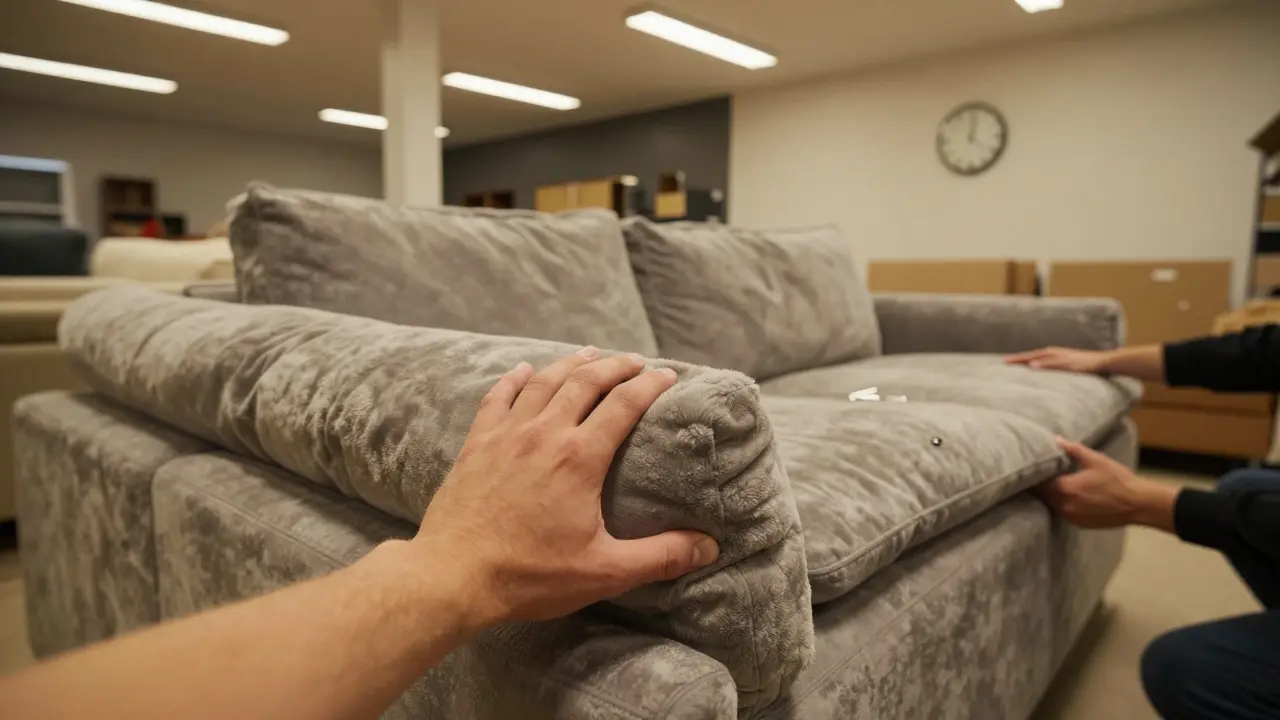
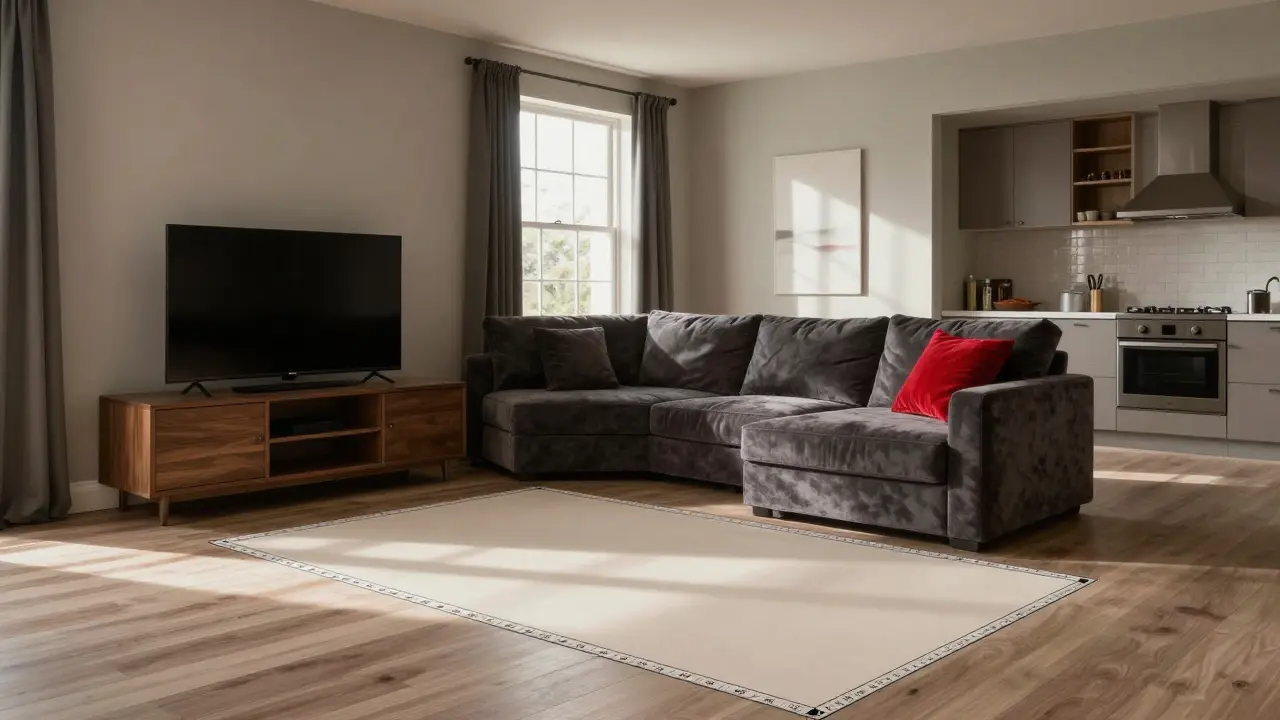
Walking into a furniture store is different. You can run your hand over the velvet of a chair. You can sink into a couch and test the spring support. You can see how the wood grain catches the light. You can bring your measuring tape and check if that 84-inch sectional actually fits beside your fireplace.
Stores like Crate & Barrel, Pottery Barn, and local independents have been doing this for decades. They know how furniture ages. They can tell you which fabric holds up with pets, which wood resists scratches, and which finish won’t fade in direct sunlight. That kind of knowledge doesn’t come from a product page.
And if you buy in store? You often get delivery and assembly included. No waiting for a FedEx driver to show up with a 12-box puzzle. No wondering if you missed a screw. You pay a little more upfront - sometimes 10-20% - but you avoid the hidden costs of returns, assembly time, and frustration.
When Online Is Actually the Better Choice
Online shopping isn’t all bad. It shines in three areas:
- Unique or custom pieces - Like a made-to-order oak dining table with a live edge. Few stores stock those. Online artisans do.
- Replacement parts - If you need a new leg for your 2018 mid-century chair, online retailers have spare parts. Brick-and-mortar stores rarely do.
- Price comparison - You can check 10 different sites in 10 minutes. That’s impossible in a mall.
Some online brands, like Burrow and Floyd, now offer free at-home trials. You keep the sofa for 30 days. If you don’t love it, they pick it up. That’s changing the game. It’s not common yet, but it’s growing.

The Hybrid Approach Most People Miss
You don’t have to choose one or the other. Many smart shoppers use both.
Here’s how:
- Start online. Browse styles, note prices, save your favorites.
- Visit a local store. Try the top 3 pieces you liked. See how they feel, how they look in natural light, how they fit with your existing rug or lamp.
- Go back online. Find the exact same model - or a very close one - at a better price. Many online retailers match in-store prices if you show them the receipt.
This method cuts risk. You get the confidence of touching the furniture, but still save money. It’s how people in cities like Portland and Austin are buying their living room sets now.
What You Should Buy Online
Not all furniture is equal. Some items are low-risk online. Others? Not so much.
Safe to buy online:
- Side tables and nightstands (small, simple, low impact)
- Shelving units and bookcases (easy to assemble, standard sizes)
- Outdoor furniture (weather-resistant materials, less need to test comfort)
- Decorative accents (vases, lamps, mirrors - no sitting involved)
Buy in store:
- Sectional sofas and recliners (comfort is everything)
- Dining sets (height, legroom, and table size matter for daily use)
- Beds and mattresses (your back remembers every inch)
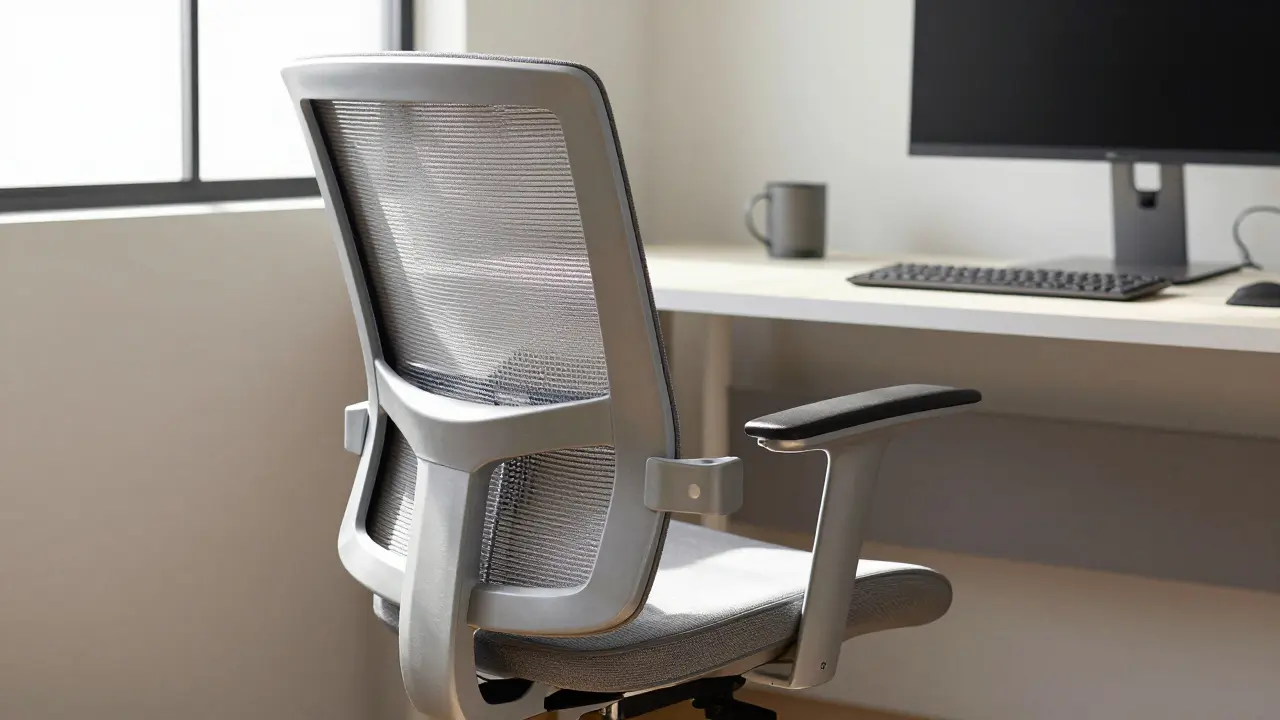
- Upholstered chairs (fabric quality and cushion density can’t be judged from a photo)
The Hidden Costs Nobody Talks About
When you buy online, you’re not just paying for the furniture. You’re paying for:
- Time - Assembly can take 2-4 hours for a basic sofa
- Stress - What if the delivery arrives damaged? What if the color looks different?
- Storage - You’ll need space to store all the boxes while you assemble
- Wear and tear - You might damage your floors, walls, or stairs moving heavy boxes
In-store purchases often include free delivery and setup. That’s worth $100-$300, depending on your building. And if something breaks? You walk back in. No email chain. No tracking number. Just a friendly salesperson who knows your name.
Final Rule: Trust Your Body, Not Your Screen
Here’s the truth: Furniture is personal. What looks great in a catalog might feel terrible after 10 minutes. Your body knows what’s right - your eyes don’t.
If you’re buying something you’ll use every day - a sofa, a bed, a dining table - go in person. Test it. Sit on it. Live with it for 15 minutes. If it doesn’t feel like it belongs in your home, it doesn’t belong in your home.
For small, simple items? Go online. Save time. Save money. But never let convenience override comfort.
Is it cheaper to buy furniture online or in store?
Online prices are often lower because stores have lower overhead. But when you add shipping, assembly, and return fees, the difference shrinks. In-store purchases frequently include free delivery and setup. For big-ticket items like sofas or beds, you might save more by buying in person and asking for a discount than by hunting for a 10% online deal.
Can I return furniture bought online?
Yes - but it’s rarely easy. Most online retailers charge $100-$200 for return pickup. Some only offer store credit. Others require you to repackage the item yourself. Brands like Burrow and Article now offer free returns within 30 days, but these are still exceptions. Always check the return policy before you buy.
Do online furniture stores offer warranties?
Yes, most do. But warranties vary. Some cover frame defects for 5 years. Others only cover manufacturing flaws for 1 year. In-store retailers often have longer, more straightforward warranties because they stand behind their inventory. Always ask: What’s covered? What’s not? And how do I file a claim?
What’s the best time to buy furniture?
January and July are the best months. That’s when stores clear out last season’s inventory to make room for new lines. Holiday sales (Black Friday, Memorial Day) can be good too - but only if you’ve already tested the piece in person. Don’t buy online just because it’s on sale. Buy because it fits.
Should I buy a sofa online if I have pets?
Be very careful. Pet-friendly fabrics like performance microfiber or Crypton are hard to judge from photos. What looks durable might still pill after three months of cat naps. If you have pets, test the fabric in person. Look for a stain-resistant rating, a high rub count (over 30,000 double rubs), and a warranty that covers pet damage. If the store doesn’t offer that, skip it.

kelvin kind
February 14, 2026 AT 12:59Fred Edwords
February 15, 2026 AT 03:09Sarah McWhirter
February 16, 2026 AT 11:30Ananya Sharma
February 17, 2026 AT 16:47Ian Cassidy
February 18, 2026 AT 04:35Zach Beggs
February 19, 2026 AT 18:01Kenny Stockman
February 20, 2026 AT 00:29Antonio Hunter
February 20, 2026 AT 01:26Paritosh Bhagat
February 20, 2026 AT 18:40Ben De Keersmaecker
February 21, 2026 AT 08:01Aaron Elliott
February 22, 2026 AT 11:08Chris Heffron
February 24, 2026 AT 04:56Adrienne Temple
February 26, 2026 AT 02:35Sandy Dog
February 26, 2026 AT 09:25