Furniture Materials: What Works, What Lasts, and What to Avoid
When you buy furniture, you’re not just buying a chair or a sofa—you’re buying the furniture materials, the physical substances used to build home furnishings, which determine durability, comfort, and long-term value. Also known as building components for seating and storage, these materials make the difference between something that lasts a decade and something that falls apart in two years. Too many people focus on style or price and ignore what’s inside. A $300 sofa might look great in the store, but if it’s built with particleboard and thin foam, you’re just renting it.
Real durability starts with the frame. solid wood, a natural, dense material like oak, maple, or ash, used in high-quality furniture frames for its strength and resistance to warping. Also known as hardwood framing, it’s the gold standard for longevity. Skip anything labeled "engineered wood" unless you know it’s high-density plywood with a solid wood veneer. Cheap particleboard swells when it gets damp and screws pull right out. You’ll see this in budget cabinets, bookshelves, and even some "premium" sofas. The same goes for upholstery fabrics, the textiles covering seats and backs, ranging from cotton and linen to performance synthetics like microfiber and Crypton. Also known as seat coverings, they need to handle wear, pets, and spills. A cotton slipcover might look nice, but it’ll fade and pill fast. Look for tightly woven, stain-resistant fabrics—especially if you have kids or dogs.
Then there’s metal furniture, frames or accents made from steel, aluminum, or iron, often used in modern designs for strength and minimalism. Also known as industrial-style frames, it’s great for outdoor pieces or statement items. But not all metal is equal. Thin, painted steel rusts. Powder-coated steel or marine-grade aluminum lasts decades, even outside. And don’t forget the joints. Bolted or dowelled joints beat staples and glue. Look for corner blocks, reinforced legs, and no visible glue oozing out.
It’s not about spending the most. It’s about knowing what to ask for. The posts below show you exactly what buyers are choosing in 2025—why some materials are making a comeback, which ones are fading out, and how to spot the difference between a good buy and a waste of money. You’ll see real comparisons between brands, breakdowns of what’s inside those expensive recliners, and tips on how to pick a sofa that won’t sag by next Christmas. This isn’t theory. It’s what people are actually using in their homes—and what’s still standing after five years.
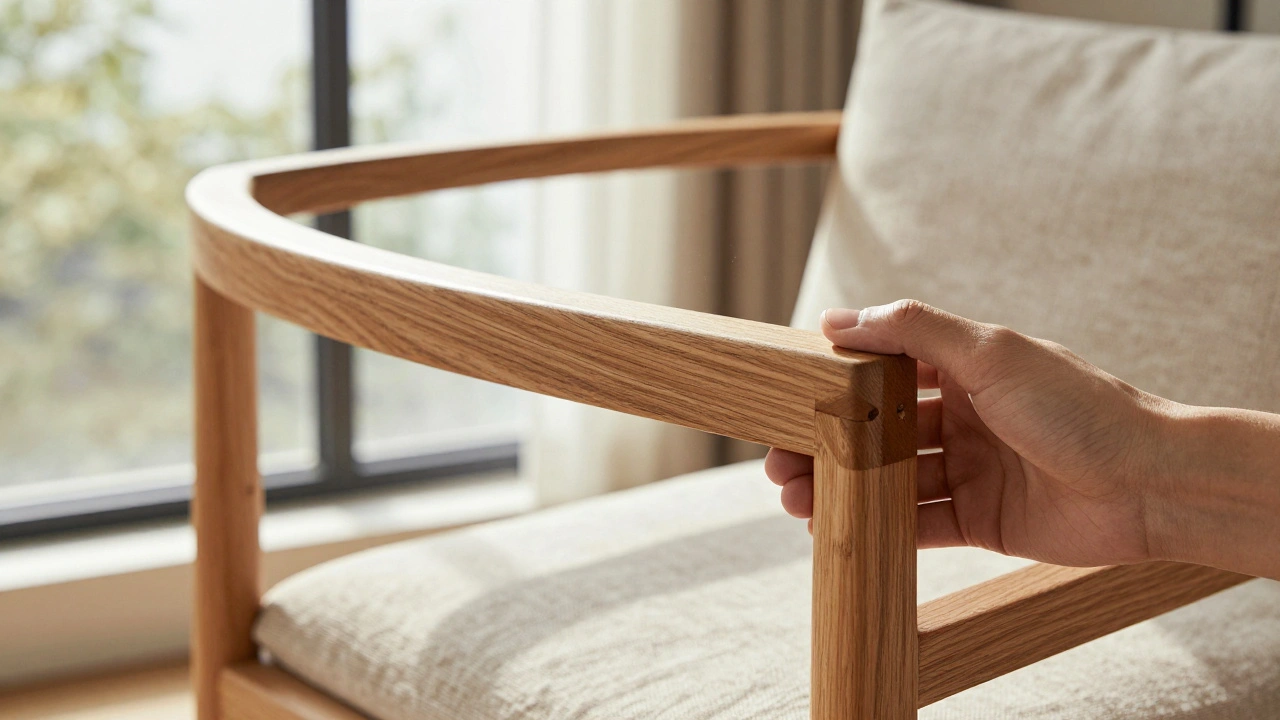
How to Pick Out Quality Furniture: A Practical Guide for Lasting Comfort and Value
Learn how to pick out quality furniture that lasts years, not months. Discover what to check in frames, cushions, joints, and finishes to avoid cheap imitations and invest in pieces that truly endure.
view more