Visual Space Illusion: Tricks to Make Rooms Look Bigger and Better
When you’re working with a small room, visual space illusion, a design technique that tricks the eye into perceiving more space than actually exists. Also known as optical illusion in interior design, it’s not magic—it’s science. Architects and designers use light, color, line, and reflection to make ceilings feel higher, walls seem farther away, and cramped corners open up. You don’t need a renovation to do it. Just a few smart choices in paint, furniture, and lighting can make your bathroom feel like a spa or your living room feel twice as large.
It’s not about buying bigger furniture. It’s about how you arrange what you already have. For example, using a single continuous color from floor to ceiling removes visual breaks that make ceilings feel low. Mirrors placed to reflect natural light don’t just brighten a room—they create the illusion of depth. Even the direction of floor tiles matters: laying them parallel to the longest wall makes the room feel longer. These aren’t just pretty tricks. They’re proven methods used in everything from tiny urban apartments to luxury show homes. And they show up in the posts below—like how white subway tile in a backsplash doesn’t just look clean, it reflects light and pushes the walls back visually. Or how choosing a sofa that’s two-thirds the length of your wall (the couch rule) keeps the space from feeling cluttered, even when you’re sitting in it.
What makes a visual space illusion work isn’t just the trick itself—it’s how it connects to other design elements. A dark cabinet might look heavy, but if it’s paired with a light backsplash and under-cabinet lighting, it becomes a focal point that draws the eye inward instead of closing the room off. The same goes for lighting: layered lighting—overhead, task, and accent—creates shadows and highlights that guide the eye around the room, not into corners. And when you combine that with the right flooring, like wood-look porcelain tiles that run continuously from the kitchen into the dining area, you erase boundaries that make spaces feel separate and small. These aren’t random tips. They’re the same principles used in the bathroom trends for 2025, where deep earth tones create coziness without making rooms feel closed in, and smart storage hides clutter so the eye isn’t distracted by mess.
What you’ll find below isn’t a list of decoration ideas. It’s a collection of real, tested ways people are using visual space illusion to fix their homes without tearing anything down. From how the 3x4 kitchen rule creates a smoother flow that makes the space feel bigger, to why timeless bathroom vanities in white or warm gray don’t just look classic—they help the room breathe. You’ll see how smart home devices, like voice-controlled lights, can be used to highlight architectural features and create depth. And you’ll learn why some colors make a room feel open while others make it feel like a cave—even if the square footage is identical. These aren’t guesses. They’re patterns from real homes, real renovations, and real buyers who care more about how a space feels than how it’s measured.
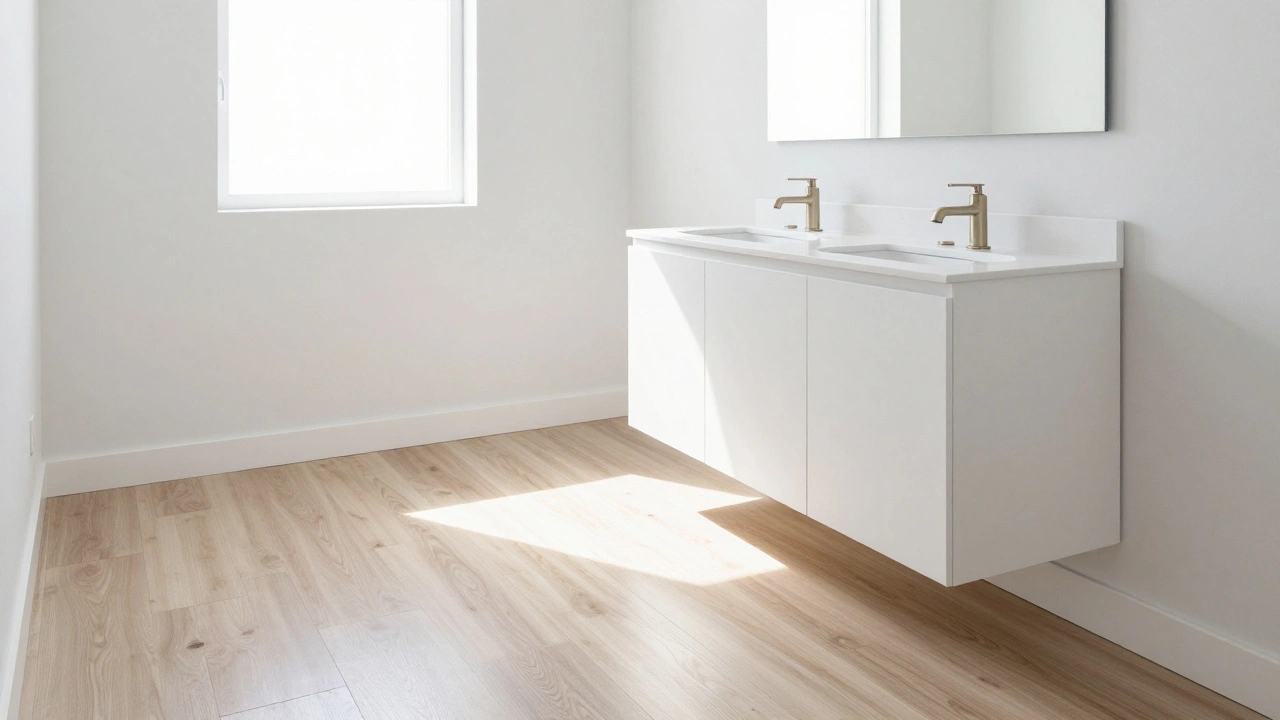
What Color Flooring Makes a Bathroom Look Bigger? Expert Tips for 2025
Light-colored flooring like white, cream, or light gray makes small bathrooms look bigger by reflecting light and reducing visual weight. Avoid dark tones and busy patterns for the best spatial illusion.
view more