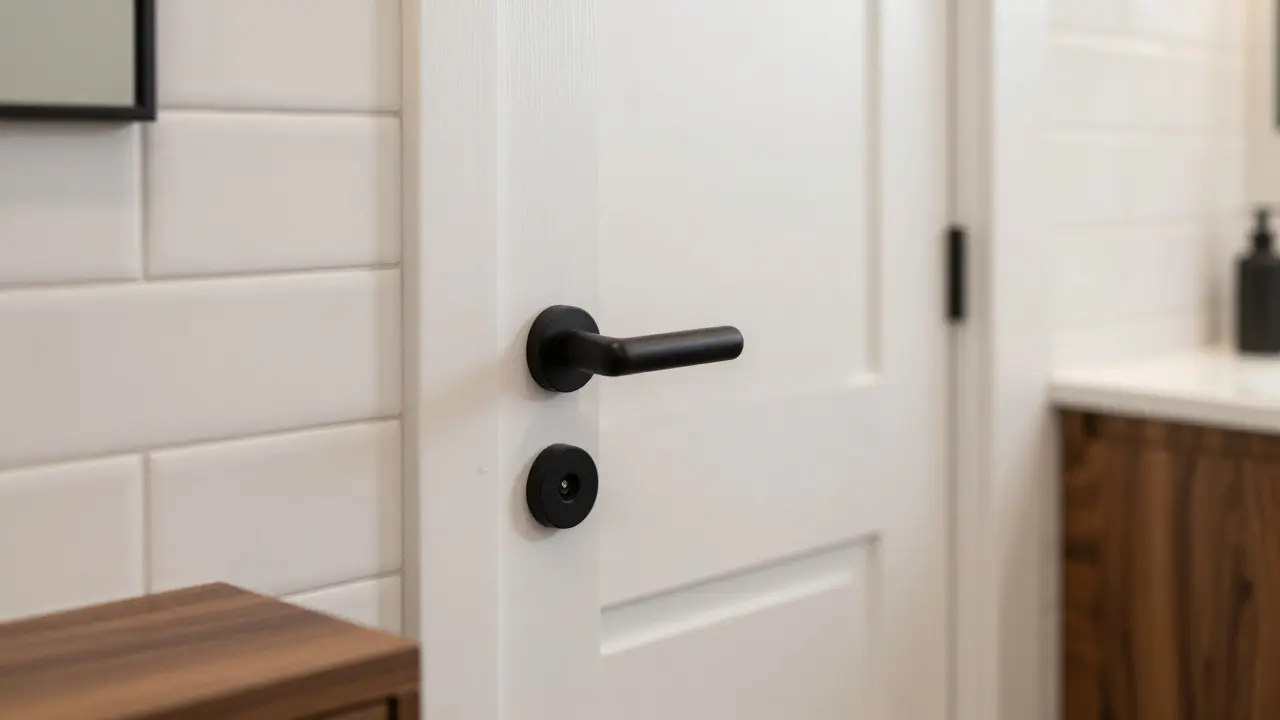
When you’re redoing your bathroom, it’s easy to focus on the big stuff - the vanity, the tile, the shower. But the little things? They make the biggest impression. Take door handles. They’re not just functional. They’re the final brushstroke on your bathroom’s design. And right now, the color of your door handle isn’t just a choice - it’s a statement.
Matte Black Is the New Neutral
If you walked into any high-end bathroom showroom in 2026, you’d see matte black door handles everywhere. Not because they’re trendy, but because they work. They hide fingerprints better than shiny finishes. They go with everything - from white subway tile to dark walnut vanities. They don’t scream for attention, but they don’t fade into the background either. They just… belong.
Companies like Emtek and Schaub & Company have doubled down on matte black. Their sales jumped 68% last year compared to 2024. Why? Because homeowners are choosing contrast. A black handle against a white door or a gray wall creates depth. It adds a modern edge without needing a full remodel.
Brushed Nickel Still Holds Its Ground
Brushed nickel isn’t flashy. It doesn’t have the drama of matte black. But it’s reliable. If you’re remodeling a bathroom that leans classic - think clawfoot tubs, vintage mirrors, or soft gray grout - brushed nickel is your quiet ally. It has a warm, slightly muted shine that doesn’t reflect every speck of water or soap.
Unlike polished chrome, which can look cold or dated, brushed nickel feels lived-in. It pairs well with brass faucets, cream-colored tiles, and even wooden cabinets. In homes built before 2000, it’s the go-to for matching existing hardware without clashing. And in new builds? It’s the safe choice for buyers who want resale value.
Oil-Rubbed Bronze Is Making a Quiet Comeback
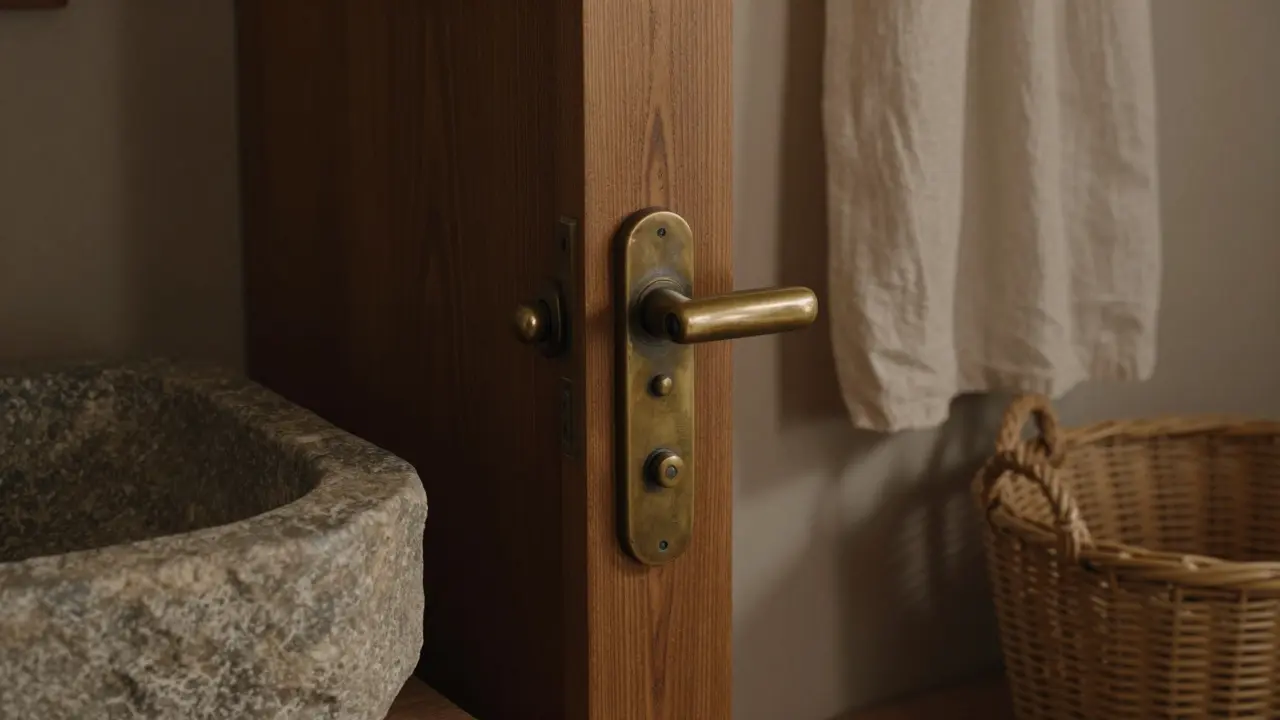
Remember oil-rubbed bronze? It was everywhere in the 2000s, then vanished. Now, it’s back - but not the way you remember. The new version has a softer patina. Less glossy. More hand-forged. It doesn’t look like it came out of a catalog. It looks like it was carved from an old barn door.
This finish works best in bathrooms with natural materials: stone sinks, linen curtains, rattan baskets. It adds warmth without being too rustic. And unlike matte black, it doesn’t show water spots as much. In fact, many homeowners say it looks better as it ages. The patina deepens. The character grows.
What About Gold and Brass?
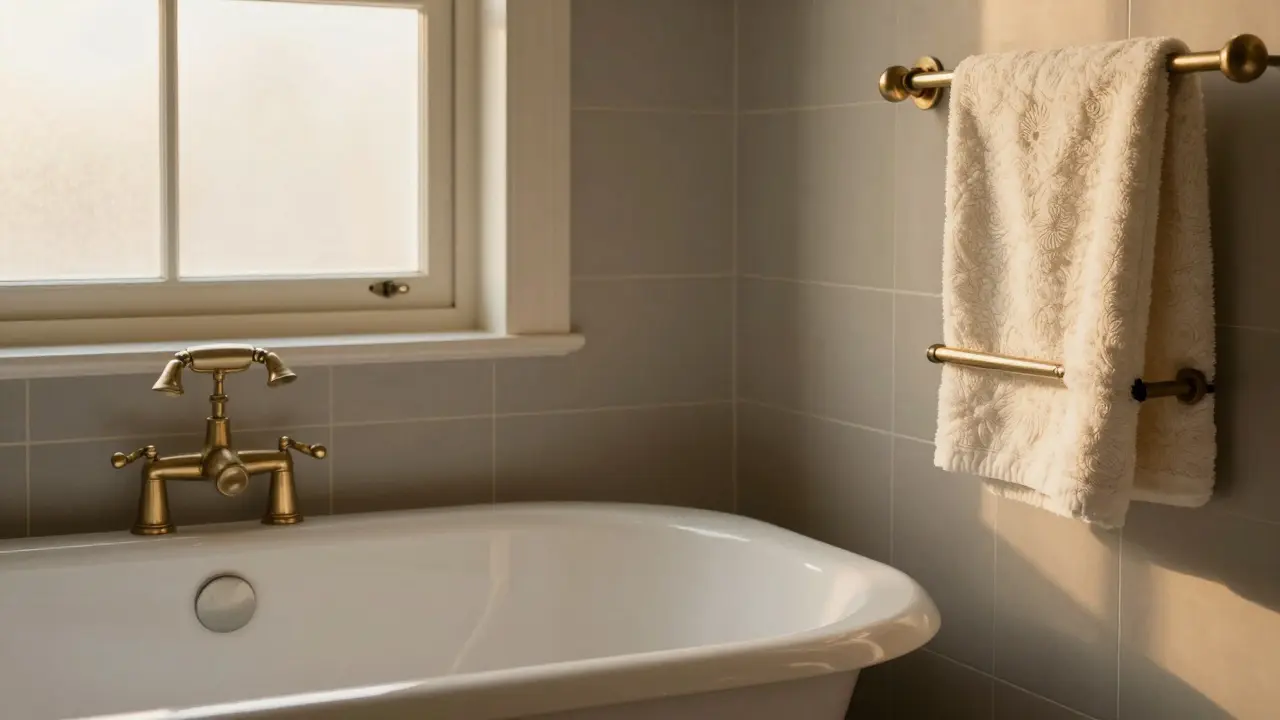
Gold and brass? Yes, but not the kind you saw in the ’90s. No more shiny, yellow, overly polished handles. Today’s gold is muted. Think antique gold, toasted brass, or even smoked bronze. It’s not about looking expensive. It’s about looking intentional.
If you’re going for a spa-like bathroom - think freestanding tub, natural light, and lots of greenery - a soft brass handle can feel luxurious without being gaudy. Pair it with a white or taupe door. Avoid using it on dark doors. It’ll disappear.
Brass handles from manufacturers like Waterworks and Ann Sacks are now made with a protective coating that prevents tarnishing. That’s new. Ten years ago, brass required constant polishing. Now? You can just wipe it down.
White and Clear Handles? Don’t Skip Them
White door handles are rare. But in 2026, they’re gaining traction - especially in minimalist bathrooms. Think all-white walls, white tile, white fixtures. A white handle blends right in. It’s not about hiding the hardware. It’s about making the whole space feel seamless.
Clear glass handles are even rarer. But if you’ve got a modern, glass-walled shower or a floating vanity, a clear acrylic handle can feel like a sculpture. It doesn’t reflect light. It doesn’t distract. It just lets the architecture speak.
What Colors Should You Avoid?
Not all finishes are created equal. Here’s what’s falling out of favor:
- Polished chrome - It looks like a 2005 bathroom. Too reflective. Too clinical.
- Gold-plated plastic - It chips. It yellows. It looks cheap after six months.
- Red or blue handles - Unless you’re doing a themed kids’ bathroom, these scream design mistake.
- Uncoated copper - It turns green. Fast. And no, you can’t clean it back to shiny.
These finishes don’t last. They don’t age well. And in a bathroom - where humidity and moisture are constant - durability matters more than flair.
How to Choose the Right Color for Your Bathroom
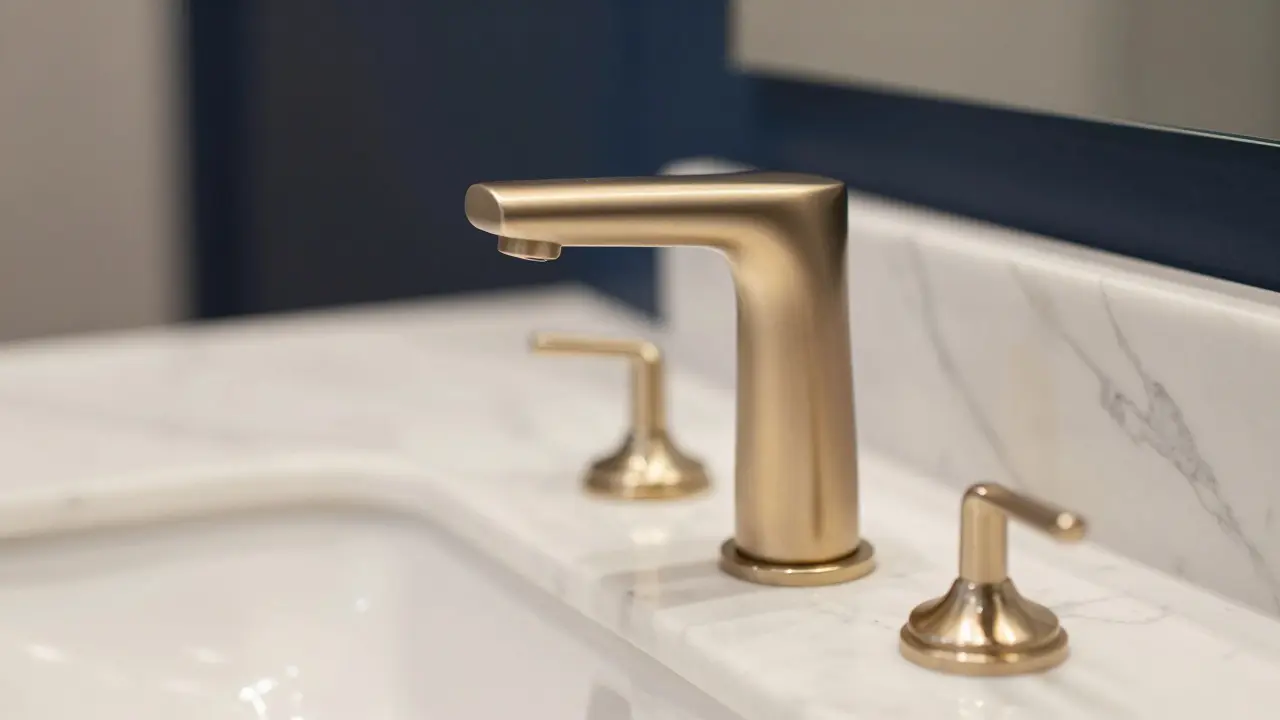
Here’s a simple rule: Match your handle to your faucet. Not your door. Not your towel rack. Your faucet. Why? Because the faucet is the most visible metal in the room. If your faucet is brushed nickel, your handle should be too. It creates rhythm.
If you have a single-tone bathroom - all white, all gray - then go bold. Matte black or smoked brass adds contrast. If your bathroom has lots of color - patterned tile, painted walls - then stick to neutral. Brushed nickel or oil-rubbed bronze won’t fight with the rest.
Test it. Tape a sample to your door. Live with it for a week. Look at it in morning light and evening light. See how it looks with your soap dispenser next to it. Hardware isn’t an afterthought. It’s the punctuation mark at the end of your bathroom’s sentence.
Installation Tips You Won’t Find on YouTube
Most people buy the handle and install it themselves. Big mistake. The problem? The backplate. If it’s too thin, it won’t hold. If it’s too thick, it won’t fit the door. And if the screws are the wrong length? You’ll end up with a wobbly handle that rattles every time you close the door.
Look for handles with a 2.5-inch backplate. That’s the industry standard for bathroom doors. Avoid anything under 2 inches. Also, check the screw type. Most modern doors use #8-32 machine screws. If your door is older, you might need a different size. Bring your old handle to the store. Compare.
And don’t forget the latch. A handle is only as good as the mechanism inside. If you’re upgrading, get a latch with a 1-inch throw. Anything shorter and the door won’t latch properly. You’ll be pushing it shut all day.
What’s Next? The Future of Bathroom Hardware
Smart handles are coming. Not the kind that unlock with your phone. The kind that adjust their finish based on light. A handle that looks matte black in the morning and shifts to brushed nickel at night? That’s already in testing. Companies like Kwikset and Yale are experimenting with photochromic coatings - the same tech used in transition lenses.
But for now? Stick with what works. The best bathroom hardware doesn’t change. It just gets better with time.
Are matte black door handles hard to maintain?
Not really. Matte black handles resist fingerprints better than shiny finishes. A quick wipe with a microfiber cloth is all you need. Avoid abrasive cleaners - they can scratch the finish. Use mild soap and water. Most manufacturers now coat their matte black handles with a durable, non-reflective layer that lasts for years.
Can I mix door handle finishes in one bathroom?
Yes, but only if you’re careful. Mixing finishes works best when one is dominant. For example, use matte black handles and brushed nickel towel bars. The key is balance. Don’t use three different metals. Stick to two, and make sure they’re in the same tone family - cool (nickel, chrome) or warm (bronze, brass). Avoid pairing polished chrome with oil-rubbed bronze - it looks chaotic.
Do door handle colors affect bathroom resale value?
Absolutely. Buyers notice hardware. A bathroom with outdated chrome or plastic handles can turn off potential buyers - even if everything else is new. Matte black, brushed nickel, and oil-rubbed bronze are the top three finishes that appeal to today’s buyers. They signal modernity and attention to detail. Avoid anything too bold or trendy. Stick to timeless finishes for the best return on investment.
How do I know if a door handle will fit my door?
Check three things: the backplate size (should be 2.5 inches), the screw hole spacing (standard is 2-3/8 inches or 2-3/4 inches), and the door thickness (most are 1-3/8 inches). Bring your old handle to the store. Compare the measurements. If you’re unsure, ask for a free template. Most hardware stores offer them. Never guess - a wrong fit means drilling new holes, which is messy and expensive.
Is it worth spending more on high-end door handles?
Yes - if you plan to stay in your home for more than five years. Cheap handles from big-box stores often break within two years. The latch mechanism wears out. The finish chips. High-end handles from brands like Emtek, Schaub & Company, or Waterworks use solid brass or stainless steel. They come with lifetime warranties. They feel heavier. They operate smoothly. You notice the difference every time you open the door.
When you’re done remodeling, step back. Look at the door. Look at the handle. Does it feel like part of the room? Or does it look like an afterthought? The right color doesn’t just match your bathroom - it completes it.

Scott Perlman
February 16, 2026 AT 07:00Sandi Johnson
February 16, 2026 AT 11:23Eva Monhaut
February 18, 2026 AT 09:08mark nine
February 19, 2026 AT 17:18Tony Smith
February 21, 2026 AT 04:32Rakesh Kumar
February 22, 2026 AT 21:52Ronnie Kaye
February 24, 2026 AT 16:48Priyank Panchal
February 25, 2026 AT 15:04Scott Perlman
February 25, 2026 AT 23:40