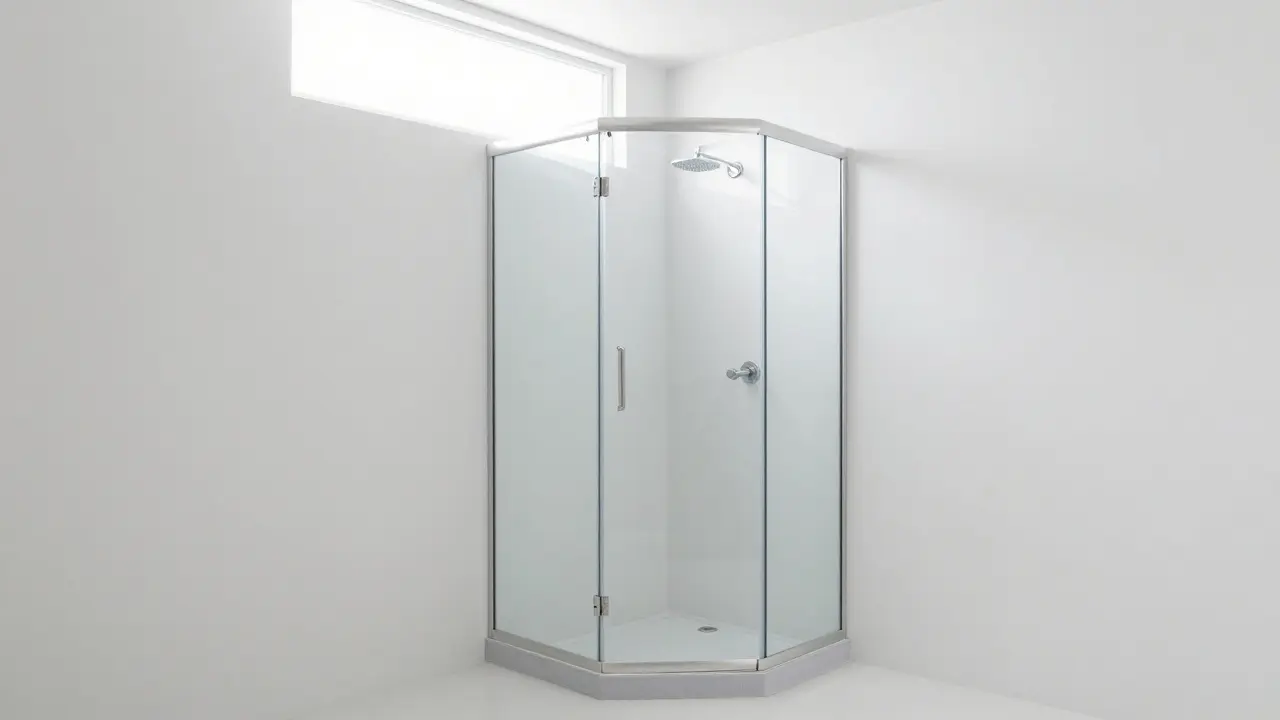
If you’ve ever felt like your shower is squeezing you in, you’re not alone. Small bathrooms are common in older homes and urban apartments, and the shower is often the first thing that feels too tight. But here’s the good news: the color you choose for your shower walls, tiles, and even the ceiling can do more than just look nice-it can actually make the space feel larger, brighter, and more open. You don’t need to tear down walls or move plumbing. Just pick the right color, and your shower will feel like it’s breathing again.
Why color matters more than square footage
Most people think space is fixed. If your bathroom is 5 feet by 7 feet, that’s it. But perception is everything. Our brains read depth, light, and contrast to guess how big a room is. A dark, busy shower enclosure feels like it’s closing in. A light, smooth, uniform surface? It tricks the eye into thinking there’s more room behind it.Think about it: when you walk into a white room with natural light, your eyes don’t stop at the walls. They keep going-toward the ceiling, toward the window, toward the far corner. That’s because white reflects light. It doesn’t absorb it. And when light bounces around, it softens edges. Shadows fade. Corners blur. And suddenly, that cramped shower feels like part of a bigger space.
The best colors for making a shower look bigger
Not all light colors work the same. Here’s what actually moves the needle, based on real bathroom makeovers and design studies from the National Kitchen and Bath Association:
- White - Still the gold standard. Pure white (not off-white) reflects 85% of light. It’s clean, crisp, and makes tiles, glass, and fixtures pop. Use it on walls, ceiling, and even the floor if you can.
- Light gray - A modern alternative that’s less stark than white. Soft grays with cool undertones (think #E0E0E0) add subtle depth without shrinking space. Avoid warm grays-they lean beige, and beige can feel muddy.
- Pale blue - Especially shades like sky blue or seafoam. Blue mimics the sky and water, which our brains associate with openness. A pale blue shower feels airy, even without windows.
- Very light green - Mint or sage tones, not forest green. These add a calming vibe and work well with natural stone or wood accents.
- Off-white with cool undertones - If pure white feels too clinical, go for a white with a hint of blue or gray. Names like "Swiss Coffee" or "Cloud White" are safe bets. Never pick an off-white with yellow or pink in it-that darkens the space.
What to avoid? Dark colors like navy, charcoal, or deep brown. They absorb light. They create shadows. They make walls feel like they’re leaning in. Even medium tones like taupe or warm beige can make a small shower feel like a cave. And patterned tiles? Skip them. Busy patterns break up the surface, which tricks your eye into seeing more edges-and edges feel like boundaries.
How to use color beyond the walls
Color doesn’t stop at the tile. The whole shower zone needs to work together.
- Ceiling - Paint it the same color as the walls. If you leave it white while the walls are light gray, the ceiling feels like a separate, low ceiling. Matching it makes the room feel taller.
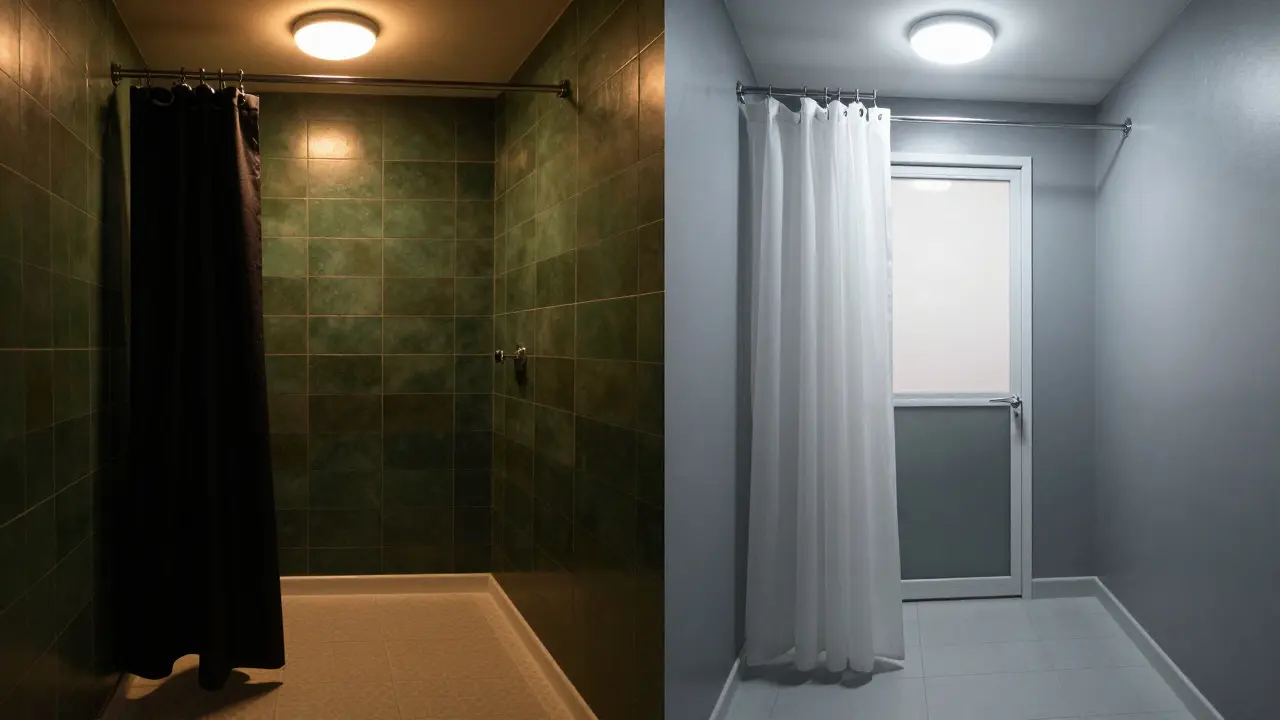
- Shower door or curtain - Clear glass is best. Frosted glass diffuses light and adds visual weight. If you must use a curtain, pick a sheer white or pale gray. No prints. No dark bands.
- Fixtures - Brushed nickel, chrome, or matte black all work, but keep them consistent. Mixing metals adds visual clutter. Stick to one.
- Shower tray or tub - If you have a built-in shower base, choose white or light gray. Dark acrylic or stone bases create a visual anchor that drags the space down.
Lighting: the silent partner to color
Color alone won’t fix a dark bathroom. You need light to make it work. Even the whitest walls look gray under a dim bulb.
Install at least two light sources: one overhead and one on either side of the mirror. LED strips along the ceiling edge help bounce light upward, reducing shadows. Avoid yellow-toned bulbs. Go for 4000K to 5000K-cool white. It’s the same light you’d find in a well-lit grocery store or clinic. It’s bright, clear, and makes colors look true.
One trick from Toronto designers: place a small mirror on the wall opposite the shower. It doesn’t need to be huge. Just enough to reflect the light from the window or fixture. It doubles the brightness and adds a sense of depth.
Real examples from real bathrooms
Last year, a homeowner in Burlington painted her 5x6-foot shower in Benjamin Moore’s "White Dove"-a soft white with a touch of gray. She kept the ceiling the same, swapped out a dark glass door for clear tempered glass, and added a single LED strip above the showerhead. She didn’t move a single tile. The result? Her 10-year-old daughter said, "It feels like a spa."
Another case: a condo in Hamilton had a small shower with dark green tiles and a black shower curtain. After repainting the walls in Sherwin-Williams’ "Agreeable Gray" and installing a white shower curtain, the owner said it felt "like someone opened a window I didn’t know was closed."
What if I hate white?
You don’t have to live in a hospital. You can still add personality without shrinking space.
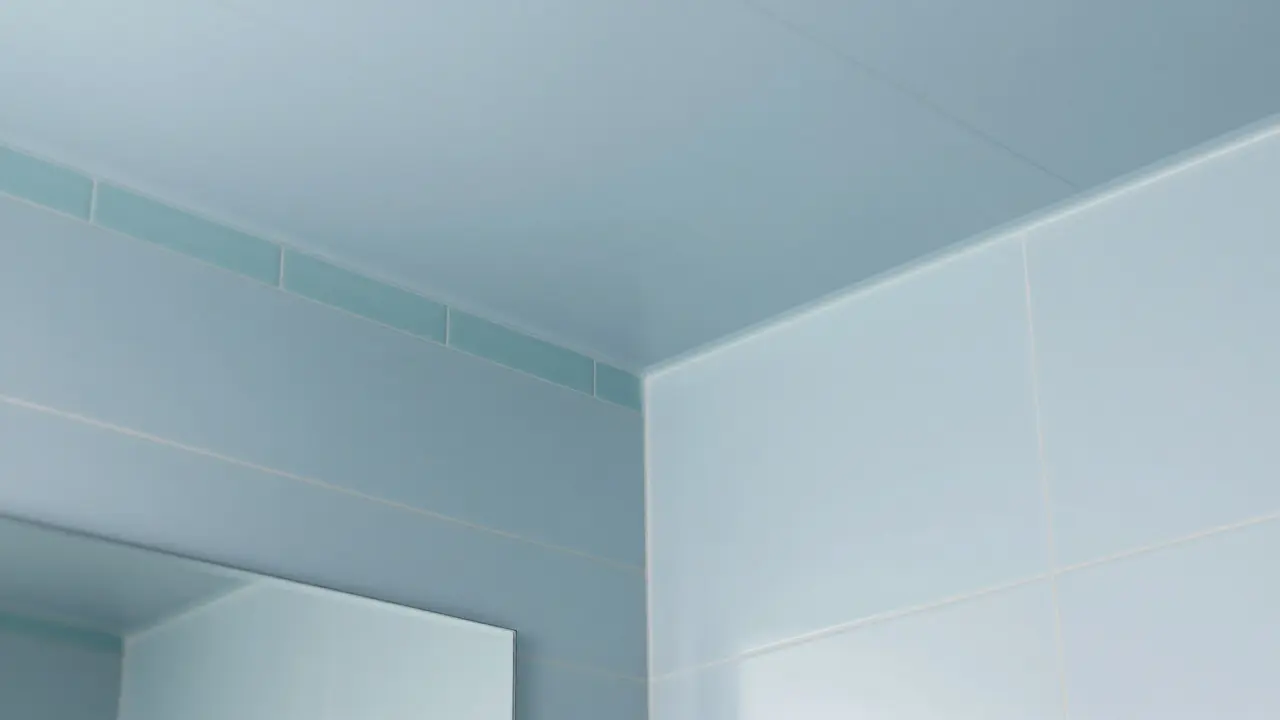
Try this: paint one wall a soft color-like pale blue or mint-and keep the other three walls white. This creates a focal point without closing in the space. Or, use a single row of colored tile as a border near the ceiling. It draws the eye up, not across.
Another option: use a matte finish instead of glossy. Glossy tiles reflect too much light and can feel overwhelming. Matte surfaces absorb just enough to soften the space, making it feel cozy but not cramped.
Quick checklist: Your 5-minute shower space upgrade
- Paint walls and ceiling the same light color (white, light gray, pale blue).
- Replace dark shower curtains with sheer white or gray.
- Switch to clear glass if you have a framed door.
- Use LED lighting at 4000K-5000K.
- Remove patterned tiles or add a single accent stripe instead.
That’s it. No demo. No permits. Just color and light. In under a weekend, you can transform a claustrophobic shower into a space that feels open, calm, and surprisingly large.
Why this works: the science behind the trick
It’s not magic. It’s physics. Light reflects off light surfaces. Dark surfaces absorb it. When light bounces, it fills corners. Shadows disappear. The brain interprets that as more space.
Studies from the University of Toronto’s Environmental Design Lab show that bathrooms painted in light, uniform colors are perceived as 15-20% larger than identical spaces with darker or varied tones-even when the actual dimensions haven’t changed.
It’s called the "lightness effect." And it’s been used in architecture for centuries-from Roman bathhouses to modern Japanese spas. The principle hasn’t changed: bright, continuous surfaces create the illusion of openness.
Can I use a dark color if I have a large window?
Even with a big window, dark colors still absorb light. Natural light helps, but it doesn’t cancel out the visual weight of dark tiles. If you want drama, use dark accents-like a single tile stripe or a dark floor-but keep the shower walls light. That way, you get the contrast without the claustrophobia.
What if my shower has a textured tile?
Texture can make a space feel smaller because it breaks up the surface. If you have textured tiles, paint them with a light-colored, semi-gloss tile paint. It smooths out the texture and reflects more light. Or, add a clear sealant to reduce shadows in the grooves.
Does the shower floor color matter?
Yes. A dark floor can make the shower feel like a pit. Keep the floor light-same as the walls or one shade darker. If you use a patterned floor tile, make sure the base color is still light. Avoid black, charcoal, or deep brown floors in small showers.
Can I use wallpaper in the shower?
No. Wallpaper doesn’t hold up to steam and moisture. Even "bathroom-safe" wallpaper will peel over time. Stick to tile, paint, or waterproof panels. If you want pattern, use a subtle, light-colored tile with a simple design.
How long does it take to repaint a shower?
With the right products, you can repaint a shower in one weekend. Use a high-quality tile and tub paint, like Rust-Oleum’s Tub & Tile. It takes 48 hours to fully cure, so plan around your schedule. Clean the surface with vinegar and baking soda first-no soap. That’s key for adhesion.

Jess Ciro
March 3, 2026 AT 20:54saravana kumar
March 4, 2026 AT 20:19Tamil selvan
March 6, 2026 AT 14:37Mark Brantner
March 8, 2026 AT 02:20Kate Tran
March 9, 2026 AT 11:34amber hopman
March 9, 2026 AT 19:21Jim Sonntag
March 10, 2026 AT 14:17Deepak Sungra
March 12, 2026 AT 03:54Samar Omar
March 13, 2026 AT 16:33chioma okwara
March 14, 2026 AT 05:17John Fox
March 14, 2026 AT 20:33Tasha Hernandez
March 16, 2026 AT 06:47Anuj Kumar
March 18, 2026 AT 02:45Christina Morgan
March 18, 2026 AT 03:45Kathy Yip
March 18, 2026 AT 11:16