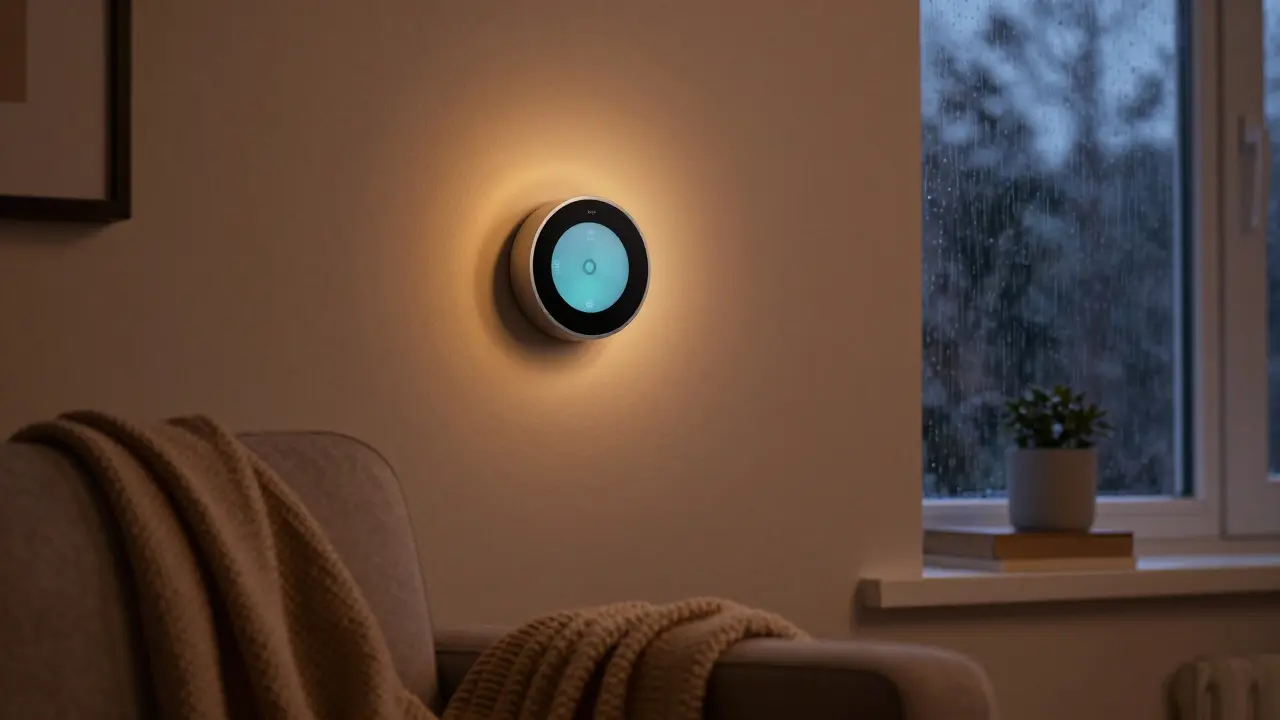
When you hear the word "Nest," you probably think of a sleek thermostat glowing softly on your wall, or a camera watching over your front porch. But what does Nest actually stand for? It’s not just a name-it’s a story. And that story starts long before Google bought it.
The Original Meaning: A Home for Your Devices
Nest wasn’t named after a bird’s nest. At least, not directly. The company’s founders, Tony Fadell and Matt Rogers, wanted a name that felt warm, safe, and familiar. They chose "Nest" because it evokes the idea of a home-a place where things belong. A bird builds a nest to protect its young. Nest the company built smart devices to protect your home, your comfort, and your peace of mind.
Think about it: your thermostat learns your schedule. Your smoke detector alerts you when something’s wrong. Your camera lets you check in from work. These aren’t just gadgets-they’re guardians. And like a nest, they’re quiet, intuitive, and always there when you need them.
The Early Days: A Thermostat That Changed Everything
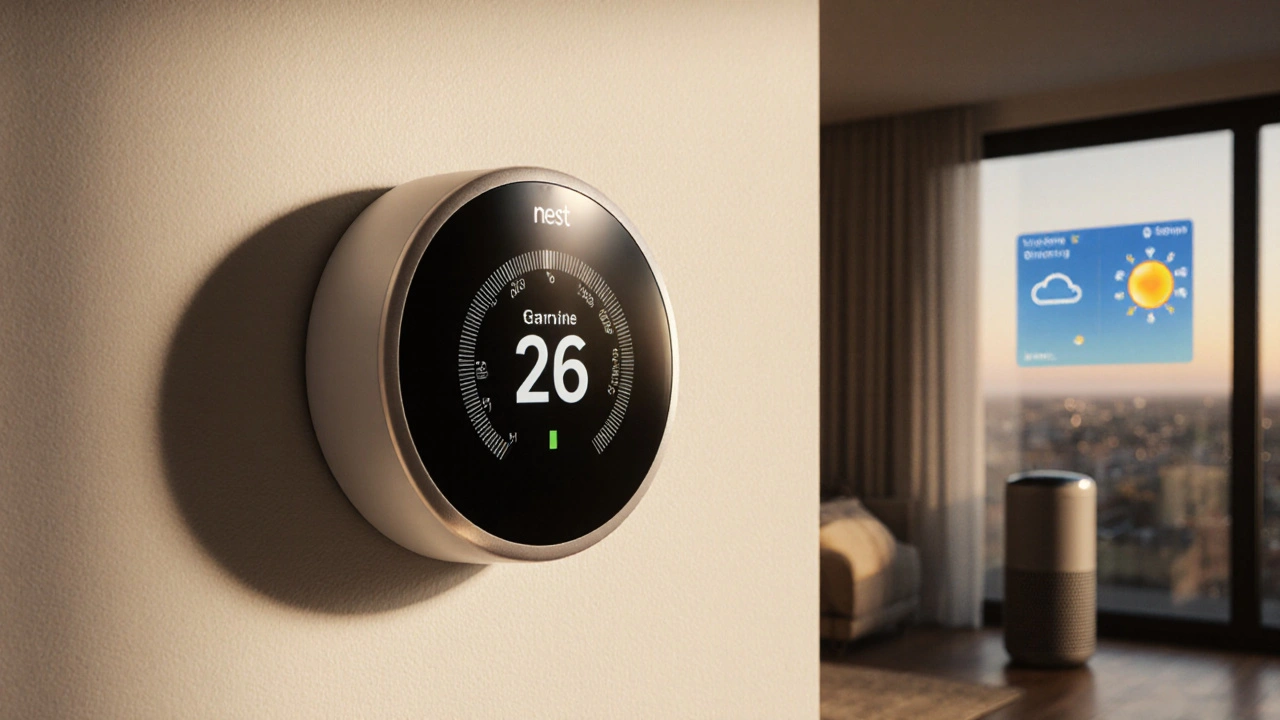
In 2011, Nest Labs released its first product: the Nest Learning Thermostat. It looked nothing like the clunky, button-heavy thermostats of the past. No more fumbling with dials or setting timers. This one had a sleek circular display, a metal ring you could turn, and a screen that lit up when you walked near it.
But the real magic? It learned. After a few days of you adjusting the temperature, it started making its own decisions. If you left for work every weekday at 8 a.m., it turned down the heat automatically. If you came home late on Friday, it warmed up the house just in time. It saved people an average of 10-12% on heating bills and 15% on cooling, according to a 2014 study by the American Council for an Energy-Efficient Economy.
That thermostat didn’t just change how people controlled their homes-it changed how they thought about them. Suddenly, your HVAC system wasn’t a box on the wall. It was a smart partner.
Why Google Bought Nest (And What Changed)
In January 2014, Google paid $3.2 billion for Nest Labs. At the time, it was one of the biggest tech acquisitions ever focused on hardware. Google didn’t just want thermostats. It wanted the entire smart home ecosystem.
Before the acquisition, Nest devices worked independently. You could control them with the Nest app, but they didn’t talk to Alexa, Siri, or your phone’s calendar. After the buyout, things started to shift. Nest devices began integrating with Google Assistant. The thermostat could now use your calendar to adjust the temperature if you had a meeting. The camera could recognize familiar faces and send alerts only when strangers showed up.
But here’s the twist: the Nest brand didn’t disappear. Instead, it got folded into something bigger. In 2020, Google officially rebranded everything as "Google Nest." The Nest Thermostat became the Google Nest Thermostat. The Nest Cam became the Google Nest Cam. The name "Nest" stayed-but it was now just one part of a much larger family.
What Does Nest Stand For Today?
Today, "Nest" stands for three things:
- Learning - Devices that adapt to your habits, not the other way around.
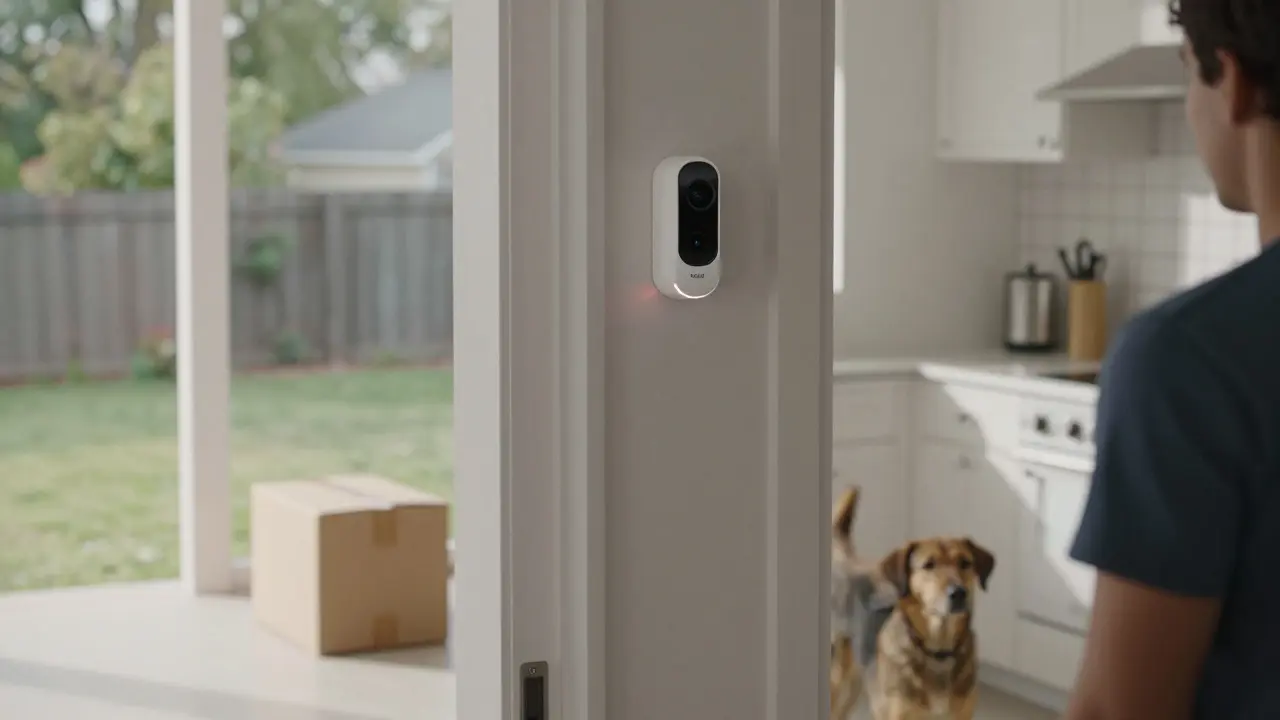
- Protection - Smoke alarms that detect carbon monoxide, cameras that spot package theft, doorbells that alert you to unexpected visitors.
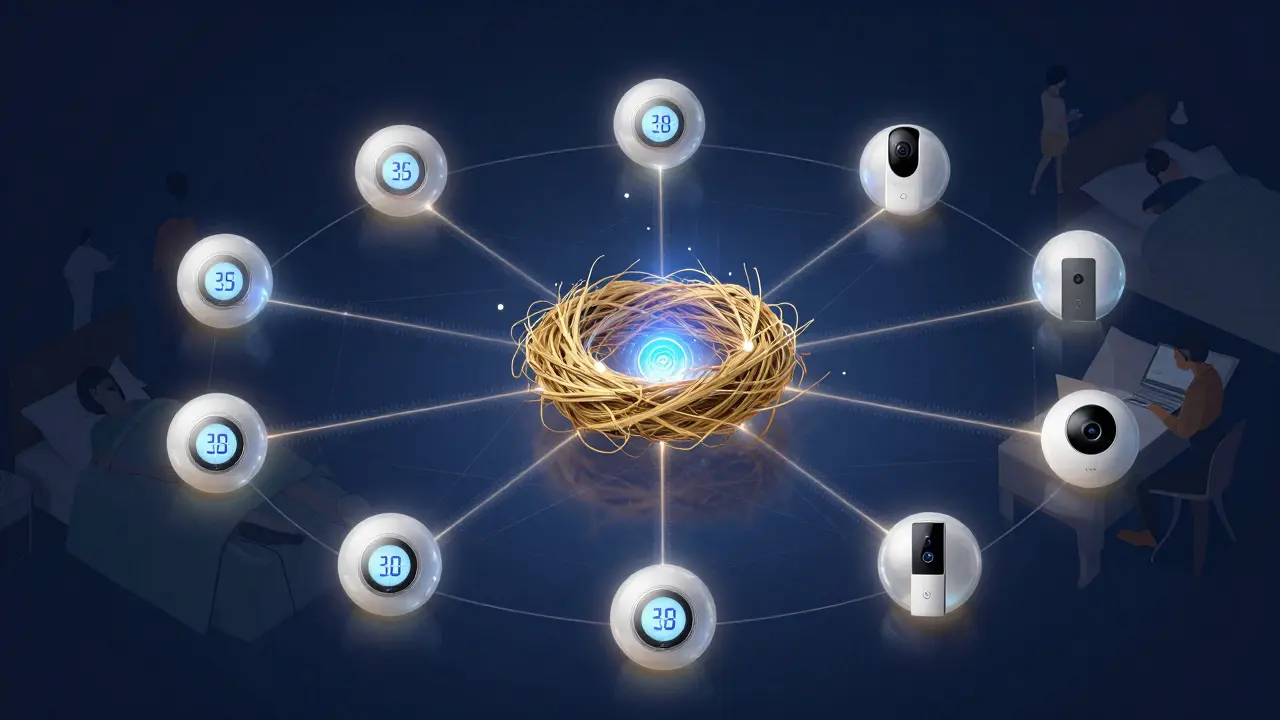
- Integration - Not just working alone, but talking to other smart devices in your home.
Even though the company is now Google Nest, the original spirit of Nest lives on. The thermostat still learns. The camera still watches. The doorbell still rings when someone’s at the door. The difference? Now, it all connects to Google’s AI, voice assistant, and cloud services.
The Hidden Truth: Nest Was Never Just About Temperature
Most people think Nest is about heating and cooling. But the real innovation was in behavioral data. Nest didn’t just measure temperature-it measured life. When you turned the thermostat down before bed, it noticed. When you left the house at 7 a.m. every weekday, it remembered. Over time, it built a profile of your routine.
That’s why Nest cameras could tell the difference between a person and a cat. Why the doorbell could recognize your child’s voice saying, "I’m home!" Why the thermostat could tell if you were sick and adjust the humidity accordingly.
This wasn’t magic. It was machine learning, trained on millions of real-world usage patterns. And it’s why Nest became the gold standard for smart home devices.
How Nest Compares to Other Smart Home Brands
There are plenty of smart thermostats now-Ecobee, Honeywell, Emerson. But none of them had the same impact as Nest did in 2011. Here’s why:
| Feature | Nest (2026) | Ecobee | Honeywell Home |
|---|---|---|---|
| Self-learning | Yes | Yes (with app) | No |
| Energy reports | Yes | Yes | Basic only |
| Works with Google Assistant | Yes | Yes | Yes |
| Home/Away Assist | Yes (uses phone + motion) | Yes (uses sensors) | No |
| Camera integration | Yes | No | No |
Nest still leads in simplicity. You don’t need to set up sensors or download extra apps. Just install it, and it starts learning within days. That’s why, as of 2026, over 15 million Nest devices are still in active use worldwide.
What’s Next for Nest?
Nest is no longer a standalone company. But that doesn’t mean it’s fading away. In fact, it’s becoming more central than ever. Google is now using Nest’s behavioral AI to power its entire smart home platform.
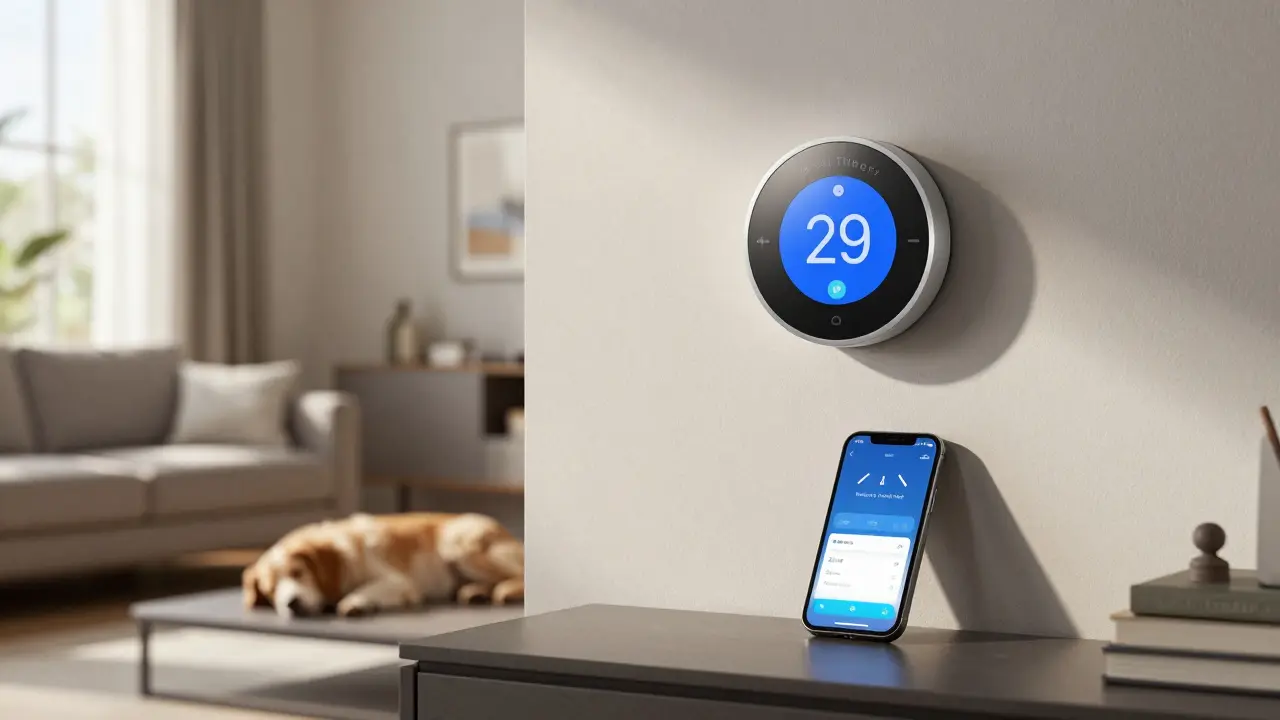
Look at the new Nest Thermostat E (2025 model). It doesn’t just adjust temperature-it predicts your comfort based on weather forecasts, your sleep schedule, and even your fitness tracker data. If your Fitbit says you had a restless night, the thermostat might warm the bedroom slightly before you wake up.
The future of Nest isn’t about more gadgets. It’s about deeper understanding. Your home should know you better than you know yourself. And Nest, in its original spirit, is still the brand that made that possible.
Is Nest still a separate company from Google?
No. Nest was acquired by Google in 2014 and fully merged into Google’s hardware division in 2020. All Nest devices now carry the "Google Nest" branding. But the original Nest team and design philosophy still drive the product development.
Can I use a Nest thermostat without a Google account?
You can set up and use a Nest thermostat without a Google account, but you’ll lose key features. Without an account, you won’t get remote access, energy reports, or integration with Google Assistant. The thermostat will still learn your schedule locally, but you won’t be able to control it from your phone or voice assistant.
Do Nest cameras record all the time?
No. Nest cameras only record when motion or sound is detected, unless you have a Nest Aware subscription. With a subscription, you can enable continuous recording. Without it, you get 3 hours of event history for free. This design protects privacy and reduces data usage.
Why did Nest stop making smoke detectors?
Nest stopped making standalone smoke detectors in 2023. The company shifted focus to the Nest Guard alarm system, which includes a built-in smoke and carbon monoxide sensor. The decision was based on lower sales and a push toward all-in-one home security solutions.
Is the Nest Thermostat worth buying in 2026?
Yes-if you want simplicity and learning. The Nest Thermostat (2025 model) still outperforms most competitors in automatic scheduling and energy savings. If you already use Google Assistant or have other Nest devices, it’s the easiest to integrate. But if you want voice control with Alexa or detailed room-by-room temperature control, an Ecobee might be better.

kelvin kind
March 20, 2026 AT 09:29Ananya Sharma
March 21, 2026 AT 23:53Sarah McWhirter
March 22, 2026 AT 16:17Ian Cassidy
March 24, 2026 AT 08:32Zach Beggs
March 25, 2026 AT 15:11Paritosh Bhagat
March 26, 2026 AT 11:48Antonio Hunter
March 28, 2026 AT 11:36Ben De Keersmaecker
March 29, 2026 AT 21:12Sandy Dog
March 31, 2026 AT 05:33Aaron Elliott
April 1, 2026 AT 19:51Chris Heffron
April 2, 2026 AT 23:52Adrienne Temple
April 3, 2026 AT 14:23Kenny Stockman
April 3, 2026 AT 23:29