Buying secondhand furniture can save you money and reduce waste-but not all used pieces are worth the risk. Some items carry hidden dangers, hidden costs, or simply don’t hold up over time. If you’re shopping for deals at thrift stores, garage sales, or online marketplaces, knowing what to avoid can save you from headaches, health problems, or expensive replacements down the road.
Mattresses and Box Springs
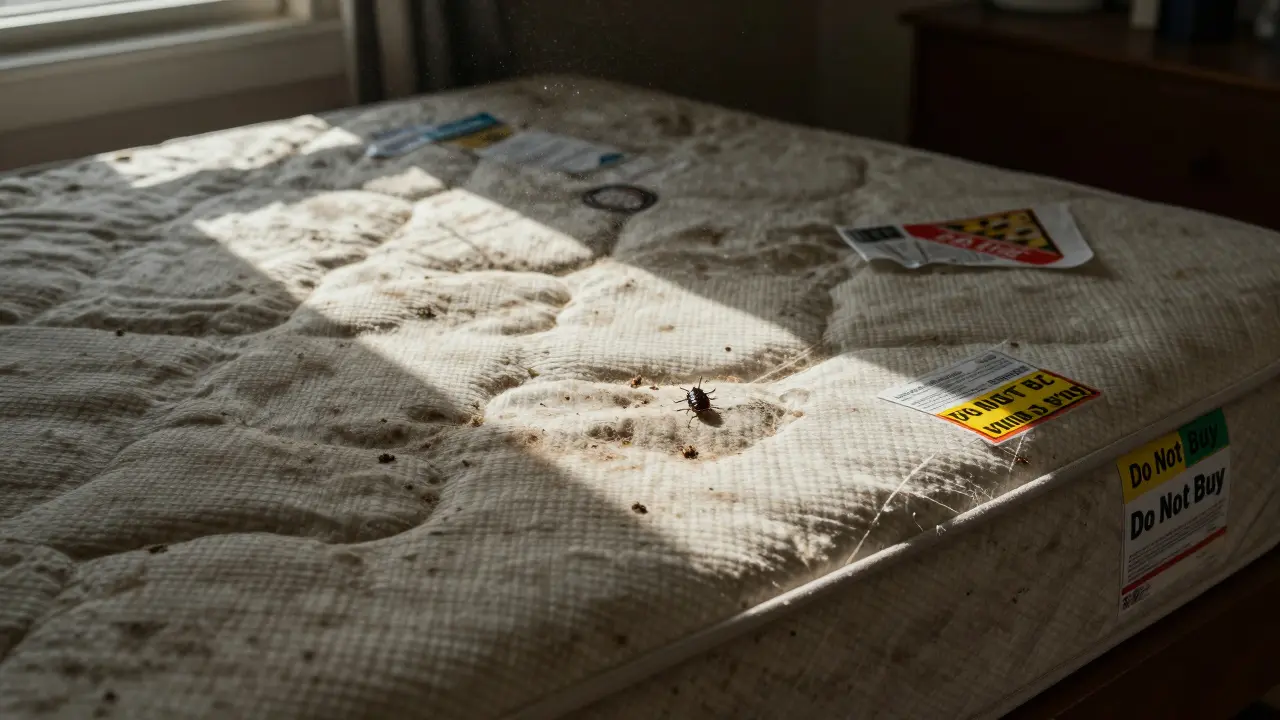
You might think a gently used mattress is a steal, but bed bugs, dust mites, and body odor can cling to foam and springs long after the previous owner moved out. Even if it looks clean, there’s no way to know if it’s been exposed to mold, mildew, or allergens. The CDC warns that mattress infestations are among the most common sources of bed bug outbreaks in apartments and rentals. And once those bugs get into your home, they’re nearly impossible to eliminate without professional treatment.
Memory foam mattresses degrade over time. After five to seven years, they lose support and start to sag in the exact spots where the last person slept. That means you’re not just buying a used mattress-you’re buying uneven pressure points and poor spinal alignment. If you’re on a budget, skip the used mattress entirely. Look for certified refurbished models from reputable brands, or wait for sales on new ones-many companies offer financing or discounts for first-time buyers.
Children’s Furniture
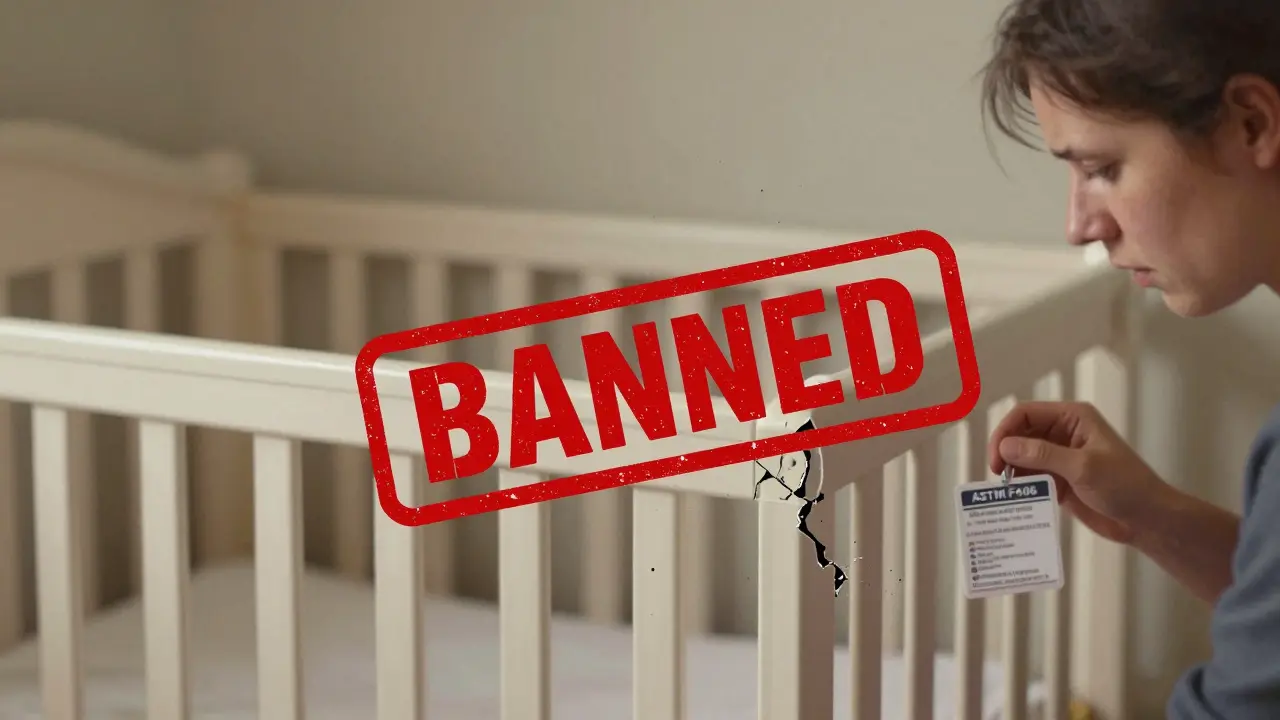
Strollers, high chairs, cribs, and toddler beds are not just used-they’re potentially unsafe. Regulations for children’s furniture change every few years, and older models may not meet current safety standards. For example, drop-side cribs were banned in the U.S. in 2011 after they caused dozens of infant deaths. If you find one at a yard sale, it’s not a bargain-it’s a hazard.
Even if a high chair looks sturdy, the straps might be frayed, the locking mechanism broken, or the base unstable. A 2023 study by the Consumer Product Safety Commission found that over 14,000 children under age five were treated in emergency rooms for injuries related to faulty children’s furniture. Many of those incidents involved used items that had been repaired poorly or never recalled.
When it comes to kids, there’s no room for guesswork. Buy new safety-certified items with current labels. Look for ASTM F404 or JPMA certification on the tag. If it’s missing, walk away.
Upholstered Sofas and Chairs with Hidden Damage
A sofa might look fine on the outside, but if the frame is cracked, the springs are broken, or the stuffing has clumped into lumps, you’re paying for a ticking time bomb. Leather or fabric can hide deep stains, pet urine, or mold growth underneath. Even professional cleaning won’t fix structural decay.
Test the frame by sitting in it and shifting your weight. If it creaks loudly, wobbles, or feels unstable, it’s not worth the risk. Check under the cushions and along the seams for dark spots, mildew smell, or insect casings. A couch that smells like smoke or mildew will never truly come clean-it’ll linger for years.
Also avoid upholstered furniture with unknown fabric content. Older pieces might contain flame retardants banned in the 2000s, like PBDEs, which are linked to hormone disruption and developmental issues. Newer furniture made after 2015 follows stricter California TB 117-2013 standards, which are safer and more transparent.
Antique or Vintage Wood Furniture with Lead Paint
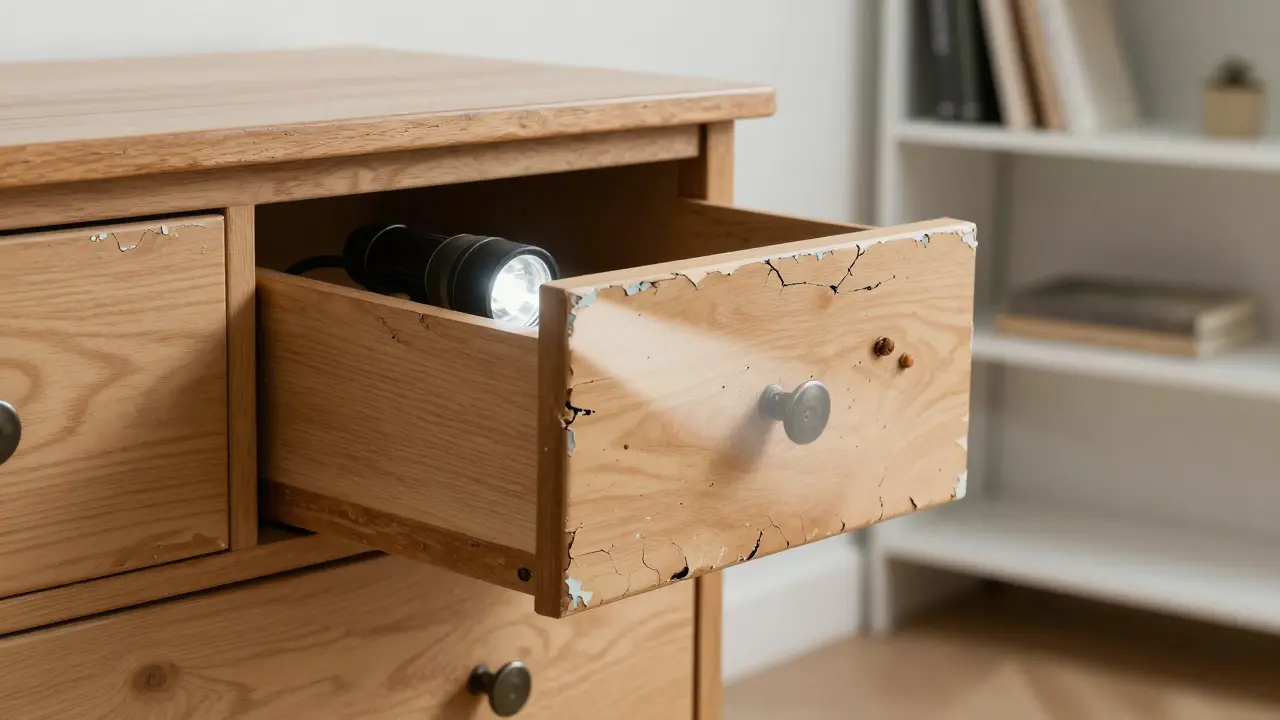
That beautiful mid-century dresser? That ornate sideboard from the 1920s? If it was painted before 1978, it likely contains lead-based paint. Lead dust from sanding, chipping, or even just touching the surface can poison children and pregnant women. The EPA says lead exposure causes irreversible brain damage in kids-even tiny amounts.
Many people think stripping and repainting fixes the problem. It doesn’t. Lead particles get into the wood grain, and sanding releases them into the air. If you’re not trained in lead-safe removal, you’re putting your family at risk. Even if you don’t have kids, lead dust settles on floors, carpets, and countertops-and stays there for years.
Unless you’re buying from a certified lead-abatement professional who can provide test results, avoid any vintage wood furniture with painted surfaces. Stick to unfinished wood, metal, or modern pieces with clear finishes.
Electric Furniture and Smart Pieces
Recliners with massage functions, lift chairs, or smart sofas with built-in speakers and USB ports are tempting. But if they’re used, their wiring might be frayed, their motors worn out, or their software outdated. Electrical fires from faulty furniture are rising. According to the National Fire Protection Association, over 1,700 home fires each year are caused by malfunctioning furniture with electrical components.
Also, many smart furniture items rely on proprietary apps or Bluetooth connections that no longer work. If the manufacturer stopped supporting the product, you’re stuck with a $1,000 paperweight. Battery-powered recliners often have non-replaceable batteries that die after 3-5 years. Replacing them costs more than buying new.
If you want tech-integrated furniture, buy it new. Look for models with replaceable parts and warranties. Avoid anything with a broken remote, flickering lights, or unusual buzzing sounds.
Items with Missing Parts or Poor Repairs
That dining table with three legs? The bookshelf missing its back panel? The chair with a glued-on armrest? These aren’t fixes-they’re red flags. DIY repairs using wood glue, duct tape, or nails often fail under stress. A table with a glued joint might collapse the first time someone leans on it. A bookshelf without a back panel can tip over easily, especially if it’s tall or holds heavy books.
Even if the seller says it’s "just missing a screw," check for signs of tampering: mismatched wood grain, uneven paint, or extra holes drilled in random places. These often mean the piece was broken and crudely reassembled. Furniture is meant to be sturdy. If it looks like it’s barely holding together, it probably is.
What You Can Still Buy Secondhand
Not all used furniture is dangerous. Solid wood dressers, metal bookshelves, glass coffee tables, and non-upholstered dining chairs are usually safe if they’re in good condition. Look for pieces with clean lines, no visible damage, and sturdy construction. Test drawers and hinges. Wipe surfaces with a damp cloth to check for residue or odor.
Items made from metal, glass, or untreated wood are easier to clean and inspect. If you’re unsure, take a photo and ask a local carpenter or furniture restorer for a quick opinion. Many will give you free advice if you’re just browsing.
How to Stay Safe When Buying Used Furniture
- Always inspect in daylight if possible-natural light reveals stains, cracks, and discoloration better than indoor lighting.
- Bring a small flashlight to check under cushions, inside drawers, and behind panels.
- Smell everything. Musty, chemical, or smoky odors are warning signs.
- Ask for the original receipt or model number. Look up recalls on ConsumerProductSafety.gov.
- Never buy anything you can’t move yourself. If it’s too heavy or awkward, it might be damaged internally.
- Wipe everything down with a mixture of vinegar and water before bringing it inside.
Buying secondhand should feel like a win-not a gamble. Stick to the safe items, skip the risky ones, and you’ll build a home that’s both budget-friendly and safe.
Is it safe to buy a used crib?
No. Cribs made before 2011 may have drop-side rails, which were banned due to infant deaths. Even newer used cribs may lack updated safety certifications or have worn hardware. Always buy a new crib that meets current ASTM F406 standards.
Can you clean lead paint off furniture?
Not safely without professional help. Sanding or scraping lead paint releases toxic dust. Even wiping it down won’t remove particles embedded in the wood. The only safe option is to hire a certified lead abatement contractor or avoid the item entirely.
Are leather sofas okay to buy secondhand?
Yes-if the frame is solid and there’s no mildew or odor. Leather is easier to clean than fabric and doesn’t hold allergens. Check for cracks, peeling, or sticky patches, which indicate aging or poor care. Wipe with a damp cloth and leather conditioner to restore it.
What’s the safest way to inspect used furniture?
Bring a flashlight, wear gloves, and check all seams, joints, and hidden areas. Look for stains, odors, insect casings, loose screws, or mismatched wood. Sit on chairs and sofas to test stability. Shake drawers and doors-excessive movement means poor construction.
Should I buy a used mattress if it’s on sale?
Don’t. Even if it looks clean, mattresses absorb sweat, skin cells, dust mites, and allergens over time. Bed bugs can hide in seams for months. A new mattress is a health investment. Look for sales on new models-many brands offer discounts of 30-50% during holidays.
Next Steps: What to Do If You Already Bought Risky Furniture
If you’ve already brought home a used mattress, crib, or painted dresser, don’t panic-but act fast. For mattresses, encase them in a bed bug-proof cover and monitor for bites. For lead-painted items, seal them in plastic and keep them out of living areas until you can dispose of them properly through your local hazardous waste program. For children’s furniture, stop using it immediately and check for recalls at ConsumerProductSafety.gov.
When in doubt, throw it out. A few hundred dollars saved now isn’t worth a hospital bill-or worse.

Taylor Hayes
January 21, 2026 AT 03:30I used to buy everything secondhand until my kid got a rash from a crib we found at a thrift store. Turns out the paint was lead-based and the latch was broken. We threw it all out and bought new. Best $500 I ever spent-no more sleepless nights worrying about safety.
Now I only get solid wood or metal stuff. Leather’s fine if it smells clean. But anything with fabric or electronics? Nope.
Sanjay Mittal
January 21, 2026 AT 18:32In India, we reuse everything-wooden chairs, almirahs, even beds. But I agree with the mattress point. Dust mites here are brutal in humid climates. I’ve seen people wash them in the sun and swear it works, but honestly? Not worth it. A new mattress is cheaper than treating allergies for a year.
Also, avoid those fancy Indian ‘antique’ carved beds-they’re often glued together with cheap resin. One heavy person sits on it, and the whole thing collapses.
Mike Zhong
January 23, 2026 AT 07:53You people are so scared of everything. You think lead paint is going to kill you? It’s been around for centuries. People lived with it. You think your organic bamboo mattress is any safer? It’s probably sprayed with flame retardants that are worse than lead.
And don’t even get me started on the ‘new is better’ cult. You’re just feeding the capitalist machine. Buy used. Learn to clean. Use gloves. Stop paying for marketing fear.
Also, who the hell cares if a crib is 10 years old? My cousin’s kid slept in a 1978 crib and turned out fine. Now he’s a doctor. Coincidence? I think not.
Jamie Roman
January 25, 2026 AT 04:17I’ve been restoring furniture for 15 years, and I can tell you-most people don’t know how to even look at a chair. The real red flag isn’t the smell or the stain-it’s the way the joints move. If you can wiggle a leg even a little, the glue’s gone. Wood doesn’t just ‘wear out.’ It fails. And when it does, it fails fast.
Also, don’t trust the ‘cleaned’ label on thrift store sofas. That’s usually just Febreze and hope. Smell the seams. If it’s even slightly sour, walk away. That’s urine, and it’s in the foam now. No amount of steam will get it out.
And for heaven’s sake, test the springs. Sit in the center and bounce gently. If you hear a click or feel a dip, it’s not a bargain. It’s a lawsuit waiting to happen.
Salomi Cummingham
January 25, 2026 AT 08:19Oh my god. I just remembered I bought a vintage oak dresser last year from a garage sale. It had this gorgeous brass handle, but the paint was chipping like crazy. I thought, ‘It’s just paint-it’s fine!’ Then I found out my toddler was chewing on the corner.
I didn’t sleep for three nights. I tested it with a kit, and sure enough-lead. I wrapped it in plastic, called the city, and they came and hauled it away like it was radioactive. Which, honestly, it was.
I cried. Not because I lost the dresser-but because I was so stupid. Please, everyone-don’t be me. If it’s painted wood and pre-1978, just say no. Your kids won’t thank you later.
Johnathan Rhyne
January 26, 2026 AT 05:32First of all, ‘bed bugs’? Please. You think they’re some kind of supernatural horror? They’re just tiny bugs. You vacuum, steam, and call it a day. You don’t need to panic-buy a $2,000 mattress.
Also, ‘lead paint’? You mean the same lead paint that’s still in 80% of American homes built before 1980? We didn’t all die. We grew up licking windowsills and eating dirt. And now we’re running marathons.
And don’t get me started on ‘smart furniture.’ You mean like a recliner that stops working because the app got discontinued? Yeah, that’s why we have screwdrivers and duct tape. It’s not a ‘paperweight’-it’s a project.
Stop treating furniture like it’s a baby. It’s wood. It’s metal. It’s not a Tesla.
Jawaharlal Thota
January 26, 2026 AT 17:19In India, we have a saying: ‘If it’s not broken, why replace it?’ We’ve been repairing chairs, tables, and even beds for generations. My grandfather fixed a 1940s wooden bed with wooden pegs and coconut oil. It’s still in use today.
But I agree on mattresses. No. Just no. Sweat, skin, dust mites-it’s like buying a used toothbrush. You don’t know who used it, how long, or what they had.
And for kids’ furniture? Absolutely buy new. Safety isn’t a cost-it’s a responsibility. A broken chair hurts. A broken crib kills.
But don’t throw out good wood. Sand it. Oil it. Use it. That’s the real sustainability.
Lauren Saunders
January 27, 2026 AT 10:25How quaint. You’re all acting like you discovered fire. I bought a 1920s sideboard last month. Lead paint? Of course. I sealed it with three coats of non-toxic polyurethane. Problem solved. You people think safety is about avoiding things-you’re just lazy.
And ‘smart furniture’? If you can’t figure out how to replace a battery, maybe you shouldn’t own electronics. It’s not a defect-it’s a design choice.
Also, ‘bed bugs’ are a myth perpetuated by the pest control industry. I’ve lived in 12 apartments. Never seen one. And yet, you’re all terrified of a 1mm insect.
Stop being sheep. Learn. Adapt. Fix. Don’t just buy new because someone told you to.
sonny dirgantara
January 27, 2026 AT 19:14lol i just bought a couch off facebook marketplace and it smells like a campfire. but it’s comfy. i’m just gonna leave the windows open for a week. also the armrest is a little loose but i tied it with a belt. it’s fine.
also i think the mattress thing is kinda overhyped. i slept on a used one for 3 years and never got bit. maybe i’m just lucky?
Andrew Nashaat
January 28, 2026 AT 02:48Let’s be clear: You are not ‘saving money’ by buying a used mattress. You are buying a biohazard. And if you think ‘wiping it down’ fixes anything, you’re not just wrong-you’re dangerous.
Also, ‘lead paint’ isn’t a ‘maybe.’ It’s a fact. If it’s pre-1978, it’s lead. Period. No ‘maybe,’ no ‘probably.’ The EPA says so. Your ignorance is not a defense.
And for the love of God, if you say ‘I cleaned it with vinegar,’ you’re not a DIY hero-you’re a public health risk. Vinegar does not neutralize lead. It does not kill bed bugs. It does not fix broken springs.
Stop pretending you’re being frugal. You’re being reckless. And if your child gets sick because of your ‘bargain,’ don’t come crying here.
Gina Grub
January 29, 2026 AT 21:56Let’s talk about the emotional toll of buying used furniture. It’s not just about lead paint or bed bugs-it’s about the ghosts. The sweat. The tears. The last person who slept on that mattress? They were probably crying. Or dying. Or both.
And the smell? That’s not just mildew. That’s the residue of someone’s entire life. Their anxieties. Their loneliness. Their failed relationships.
Do you really want to bring that into your home? Your sanctuary? Your sacred space?
Some things aren’t meant to be reused. Some things should be buried with their owners.
Nathan Jimerson
January 30, 2026 AT 16:36I get the fear, but I’ve bought a ton of used stuff and it’s been great. Solid wood? Always fine. Metal shelves? Perfect. Glass tables? No issues. I’ve got a 1950s dining table that’s held up for 15 years. Just wipe it down, check for wobbles, and you’re golden.
And honestly? If you’re worried about safety, you’re overthinking it. Most people are just trying to get rid of junk. Not poison you.
Be smart, not scared. A little care goes a long way.
Sandy Pan
February 1, 2026 AT 10:17What does it mean to ‘own’ a thing? Is it just possession? Or is it a relationship? When you buy a used chair, you’re not just buying wood and fabric-you’re inheriting its history. The weight of someone’s laughter. The pressure of their grief.
Some pieces carry silence. Others carry screams.
Maybe the real question isn’t ‘Is it safe?’ but ‘Do I want to live with its memories?’
And if the answer is no… then yes, throw it out. Not because of lead. But because you deserve peace.
Eric Etienne
February 2, 2026 AT 15:18Bro, why are you even reading this? Just buy new stuff. It’s cheaper than therapy after you find out your ‘deal’ had bed bugs and lead. I bought a used recliner once. It buzzed. It smelled. It broke after two weeks. Now I just buy from IKEA. Simple. Safe. No drama.
Stop overthinking. Just buy new. You’ll thank yourself later.
Taylor Hayes
February 4, 2026 AT 11:46^^^ I actually did that. Bought a new mattress after my scare. Found one on sale for $400 with free delivery. No regrets. My back hasn’t hurt since. Sometimes ‘new’ isn’t a luxury-it’s a necessity.