When you’re remodeling your bathroom, the finish on your faucets, showerheads, and hardware might seem like a small detail-but it sets the whole tone. Brushed nickel has been a go-to for decades: soft, warm, and easy to match with just about anything. But lately, more homeowners are asking: what is an alternative to brushed nickel? The answer isn’t just one option-it’s a whole new palette of finishes that are turning bathrooms into modern, personal spaces.
Why People Are Moving Away from Brushed Nickel
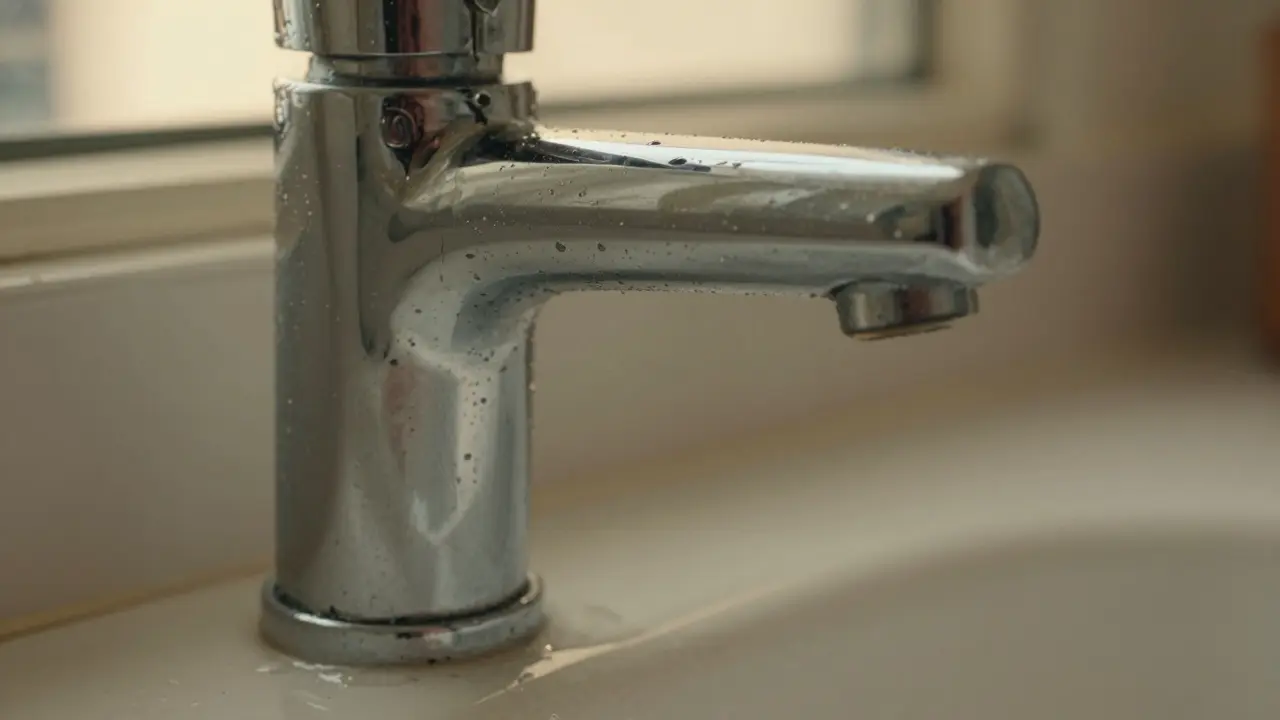
Brushed nickel isn’t going away, but it’s losing its dominance. Why? Because today’s bathrooms aren’t just functional-they’re designed to feel like a spa, a retreat, or even a statement piece. Brushed nickel, with its faint metallic sheen and warm undertones, can start to look dated next to bold, matte, or high-contrast finishes. It also shows water spots and fingerprints more than you’d expect, especially in hard water areas. People want finishes that look clean, feel premium, and require less upkeep.Satin Chrome: The Clean, Cool Upgrade
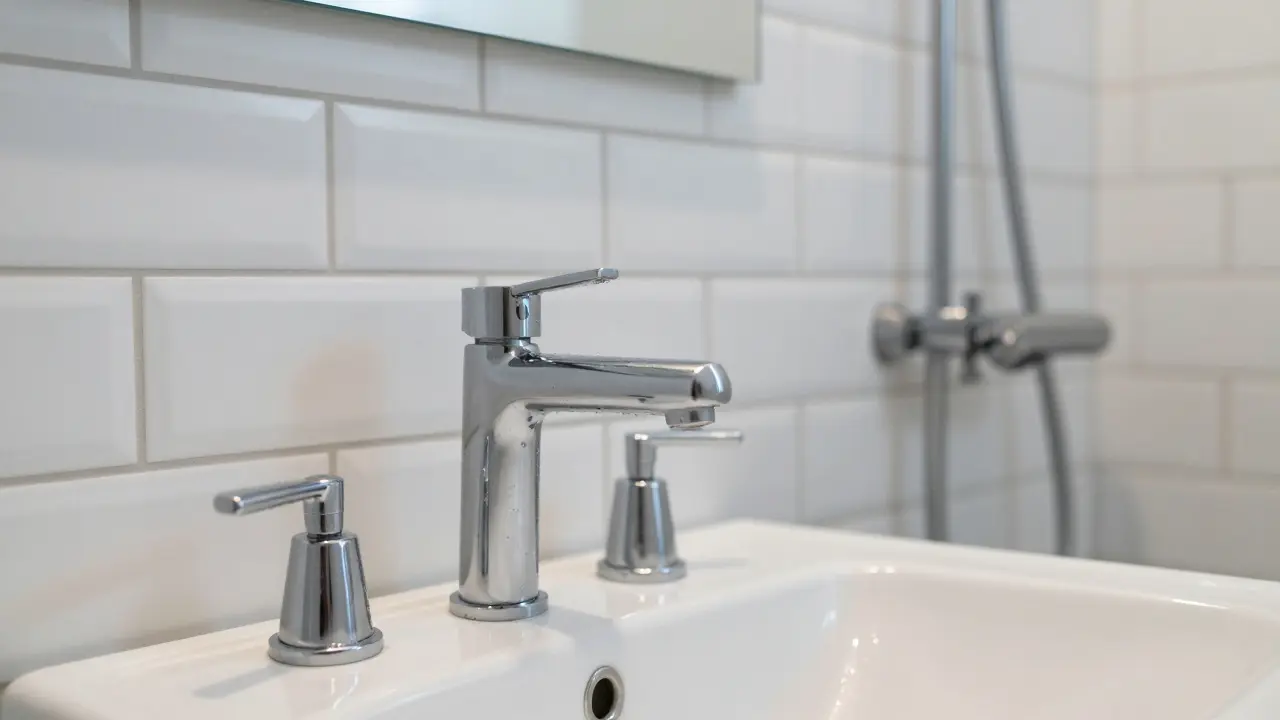
If you liked brushed nickel for its subtle shine but want something more modern, satin chrome is your best bet. It’s similar in texture-smooth, non-reflective, and soft to the eye-but cooler in tone. Where brushed nickel leans yellow-gold, satin chrome leans gray-silver. It pairs beautifully with white tiles, gray grout, and marble countertops. Unlike polished chrome, it doesn’t glare under bathroom lights, and it hides water marks better than its shiny cousin. Many high-end brands like Kohler, Moen, and Delta now offer satin chrome as their standard finish, replacing brushed nickel in new collections.Matte Black: The Bold New Standard
For homeowners who want drama, matte black is the finish that’s taken over Instagram-worthy bathrooms. It’s not just trendy-it’s practical. Matte black doesn’t show fingerprints, water spots, or soap scum the way shiny finishes do. It creates strong contrast against white fixtures and light tiles, making the space feel more intentional and luxurious. The finish is usually a powder-coated or PVD-treated layer that’s durable enough for daily use. You’ll find matte black on everything from single-handle faucets to towel bars and even shower rails. Brands like Delta’s Trinsic line and Grohe’s Eurosmart have made it easy to mix matte black with other metals without it looking chaotic.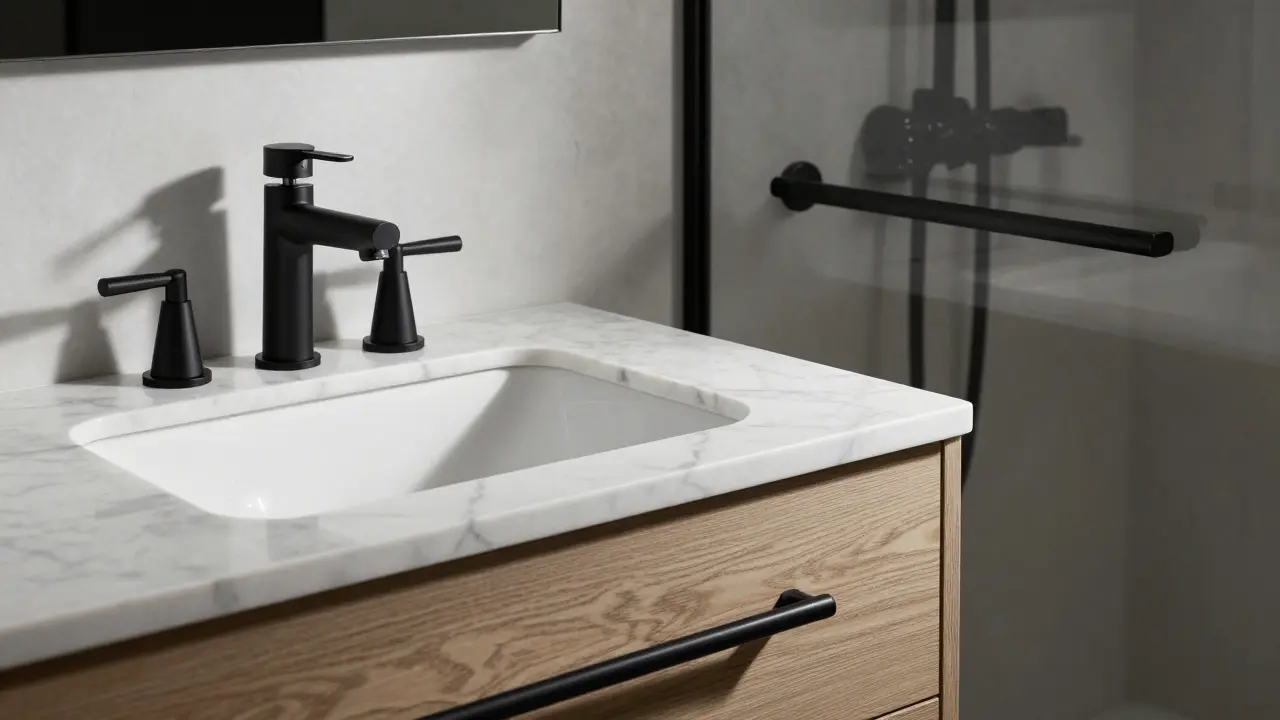
Oil-Rubbed Bronze: The Warm Alternative
If you miss the warmth of brushed nickel but want something with more depth, oil-rubbed bronze is a natural choice. It has a dark, rich tone with subtle copper undertones that deepen over time. Unlike brushed nickel, which stays consistent, oil-rubbed bronze develops a patina-it gets more interesting with age. It works best in traditional, rustic, or industrial-style bathrooms. It’s not for everyone; some find it too dark or heavy, especially in small spaces. But if you’ve got a clawfoot tub, wood vanities, or vintage lighting, this finish ties it all together beautifully. It’s also a great way to bring in a sense of history without going full antique.Brushed Brass: The Rise of Warm Metals
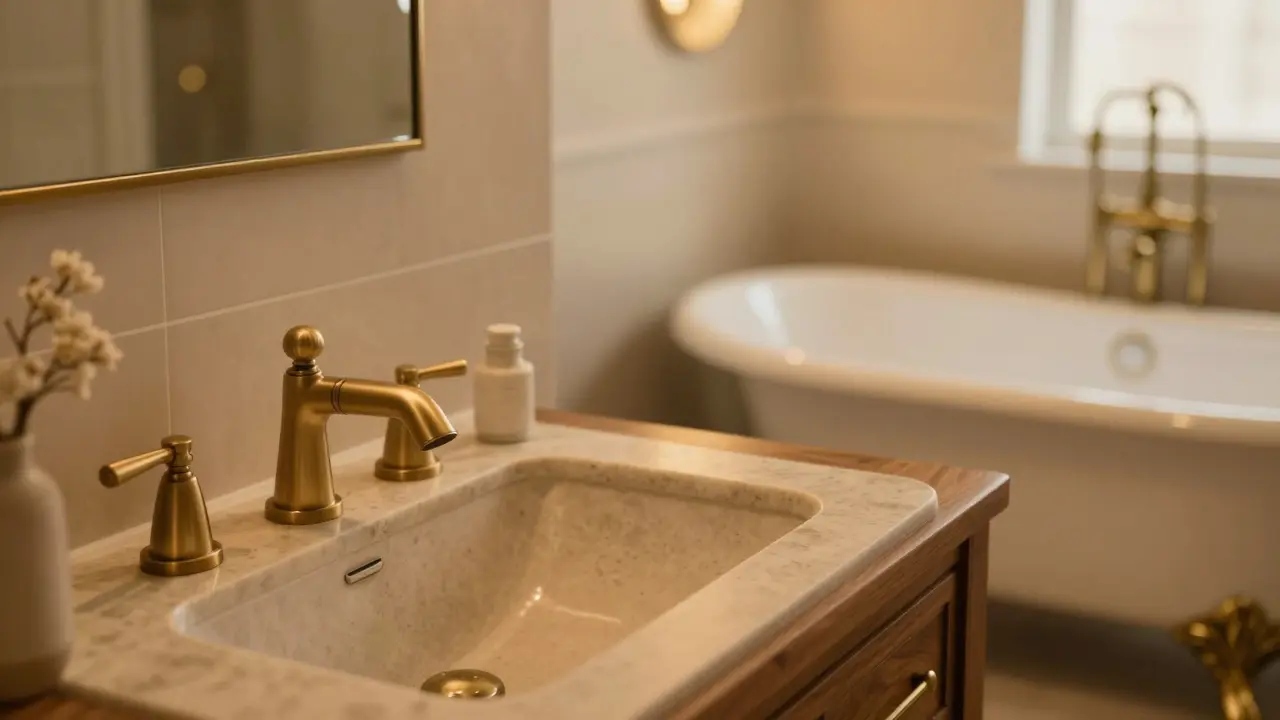
Brushed brass is making a serious comeback, but it’s not the gold-toned, shiny brass of the ’80s. Modern brushed brass has a muted, satin finish with a soft, honey-gold hue. It’s warmer than satin chrome but less yellow than traditional brass. It pairs well with natural stone, warm wood tones, and even white subway tiles. Unlike brushed nickel, which can look bland next to white, brushed brass adds a touch of elegance without being flashy. It’s a favorite in high-end boutique hotels and luxury remodels. Brands like Waterworks and Perrin & Rowe have pushed this finish into the mainstream, showing it can be both timeless and contemporary.How to Choose the Right Finish for Your Bathroom
Picking a finish isn’t just about what looks good today. Think long-term. Here’s what to consider:- Lighting: Cool, bright lighting makes satin chrome and matte black pop. Warm lighting brings out the gold in brushed brass.
- Water quality: Hard water? Skip polished chrome and go for matte finishes-they hide mineral buildup.
- Existing elements: If your vanity is walnut, go for brushed brass or oil-rubbed bronze. If it’s white or gray, satin chrome or matte black will stand out.
- Maintenance: Matte finishes are easier to clean. Shiny finishes need more frequent wiping.
- Resale value: Brushed nickel and satin chrome are still safe bets. Matte black and brushed brass are trending, but may not appeal to all buyers.
What Not to Do
Avoid mixing too many finishes. A bathroom with brushed nickel, polished chrome, and matte black all at once looks like a hardware store exploded. Stick to one main finish and use a second only as an accent-like a matte black towel bar with satin chrome faucets. Also, don’t assume all finishes are created equal. A cheap matte black finish can peel or fade in a year. Look for PVD (physical vapor deposition) coating-it’s the gold standard for durability.Real-World Examples
A homeowner in Portland replaced her 20-year-old brushed nickel fixtures with satin chrome and saw immediate results: fewer water spots, cleaner lines, and a bathroom that felt 10 years newer. In Austin, a couple went all-in on matte black and added a matching shower system-they got compliments from every guest. Meanwhile, a design firm in Chicago used brushed brass on a luxury condo remodel, and the client said it made the space feel "more expensive than it actually was."What’s Next?
The next wave of finishes is already here: textured finishes like hammered copper, antique pewter, and even carbon fiber-coated hardware. But for most homeowners, the real question isn’t what’s new-it’s what lasts. Satin chrome, matte black, and brushed brass aren’t just trends-they’re evolving standards. They’re more durable, easier to maintain, and more expressive than brushed nickel ever was.Is brushed nickel outdated?
Brushed nickel isn’t outdated, but it’s no longer the top choice. It’s still perfectly functional and widely available, but newer finishes like satin chrome and matte black offer better durability, easier cleaning, and more modern aesthetics. If you already have brushed nickel and it looks good, there’s no need to replace it. But if you’re remodeling, you’ll find more variety and better performance in alternatives.
Can I mix brushed nickel with matte black?
Mixing them is possible, but it’s risky. Brushed nickel has a warm, yellow undertone, while matte black is cool and dramatic. Together, they can clash unless you have a clear design strategy-like using one as the primary finish and the other as a subtle accent. Most designers recommend sticking to one main finish to avoid a disjointed look.
Which finish is easiest to clean?
Matte black and satin chrome are the easiest to clean. Neither shows water spots or fingerprints as badly as polished chrome or brushed nickel. Matte finishes hide mineral buildup from hard water, and satin finishes don’t reflect dirt the way shiny surfaces do. Brushed nickel requires more frequent wiping to keep it looking fresh.
Is matte black just a passing trend?
Matte black has been around for over a decade in high-end design and is now mainstream. It’s not a fad-it’s a shift in what people expect from bathroom hardware. Its durability, low maintenance, and strong visual impact make it a lasting choice. While trends may evolve, matte black is now considered a classic alternative to traditional metallic finishes.
What’s the most popular brushed nickel alternative right now?
Satin chrome is currently the most popular alternative. It’s the safest upgrade if you want something familiar but more modern. Matte black is close behind, especially in new builds and luxury remodels. Brushed brass is growing fast in homes with warm wood tones or traditional elements. The best choice depends on your style, water quality, and lighting-but satin chrome is the go-to for most homeowners looking to move beyond brushed nickel.

Jeff Napier
March 17, 2026 AT 01:11Sibusiso Ernest Masilela
March 18, 2026 AT 02:52Daniel Kennedy
March 19, 2026 AT 18:30Taylor Hayes
March 20, 2026 AT 00:42Sanjay Mittal
March 21, 2026 AT 21:09Mike Zhong
March 23, 2026 AT 04:14Jamie Roman
March 23, 2026 AT 23:05Salomi Cummingham
March 25, 2026 AT 10:22Johnathan Rhyne
March 26, 2026 AT 22:16Dylan Rodriquez
March 27, 2026 AT 08:09Amanda Ablan
March 27, 2026 AT 16:13Meredith Howard
March 28, 2026 AT 14:14