When you walk into a bathroom today, the faucet isn’t just a functional fixture-it’s the jewelry of the space. And like jewelry, finishes change with the seasons. In 2025, the faucet finishes that dominate bathrooms aren’t about shine for shine’s sake. They’re about texture, tone, and quiet confidence. If you’re remodeling or just updating, here’s what’s actually happening on the ground, not just in showrooms.
Matte Black Is Still King, But It’s Evolving
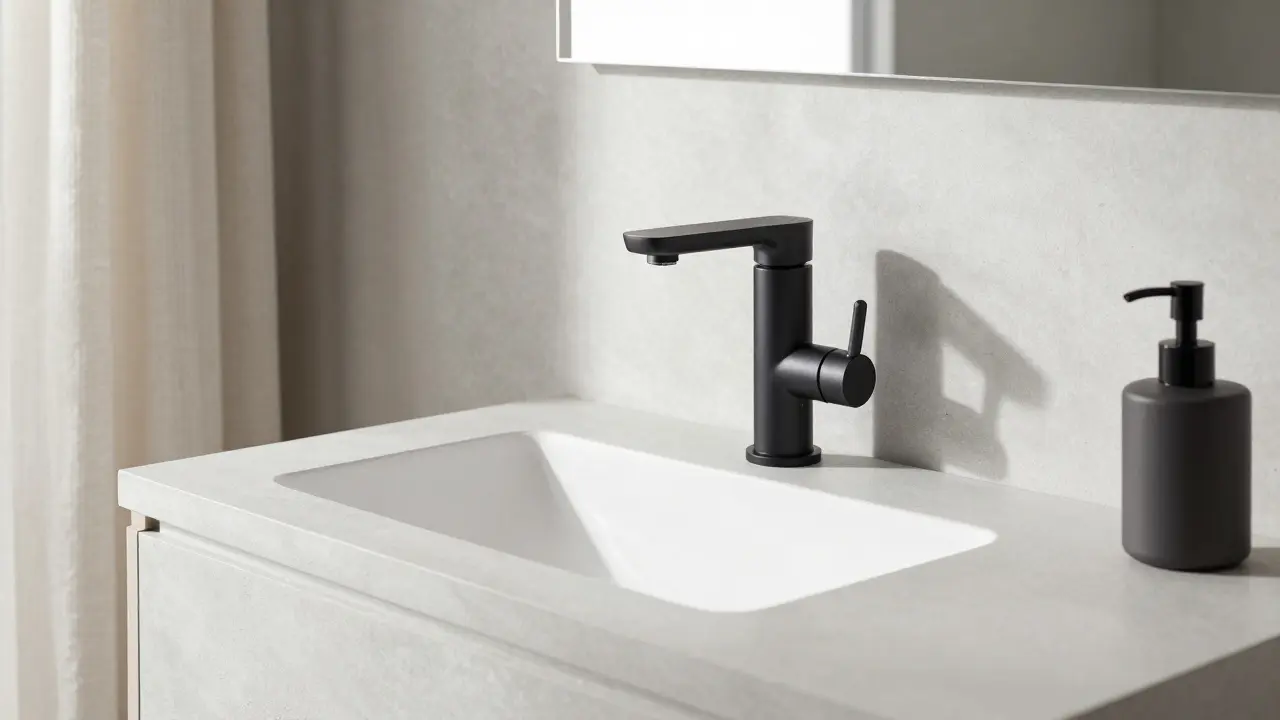
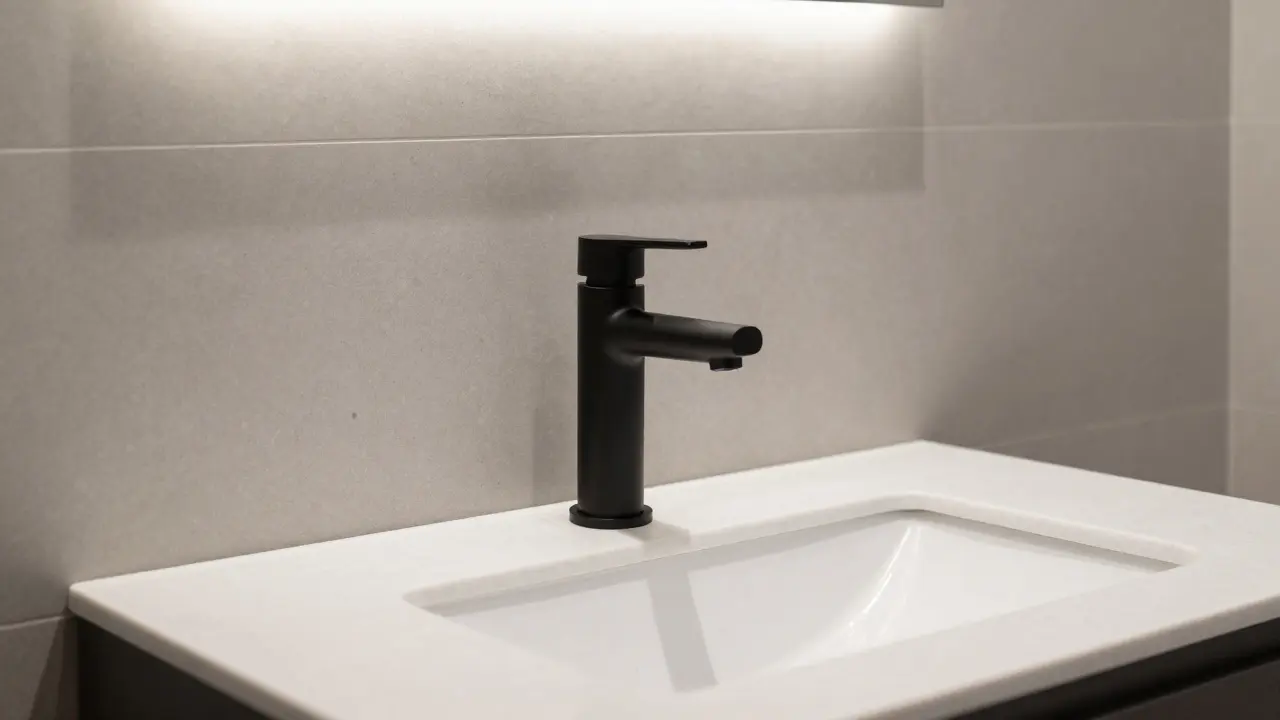
Matte black faucets took over in 2020 and never really left. But in 2025, they’re not just black anymore. They’re deeper-almost charcoal-with a slightly warmer undertone. Manufacturers have improved the coating process, so finishes now resist fingerprints and water spots better than ever. You won’t find the cheap, flaky black finishes from five years ago. Today’s matte black is baked on, scratch-resistant, and paired with clean, geometric shapes.
Real-world example: A homeowner in Austin replaced her shiny chrome faucet with a matte black one last spring. She didn’t clean it once for six months. No streaks, no smudges, no hassle. That’s the real win.
Brushed Nickel Is Having a Quiet Renaissance
Brushed nickel isn’t flashy. It doesn’t scream for attention. And that’s why it’s back. In 2025, it’s the go-to finish for bathrooms that lean toward timeless, not trendy. It’s warmer than chrome, less industrial than stainless steel, and blends effortlessly with both modern and transitional styles.
What’s changed? The finish is now more textured. Older brushed nickel looked flat and dull. New versions have subtle directional brushing that catches light just enough to add depth without reflecting the whole room. It pairs beautifully with natural stone, warm wood vanities, and even matte black accents.
Oil-Rubbed Bronze Is No Longer Just for Rustic
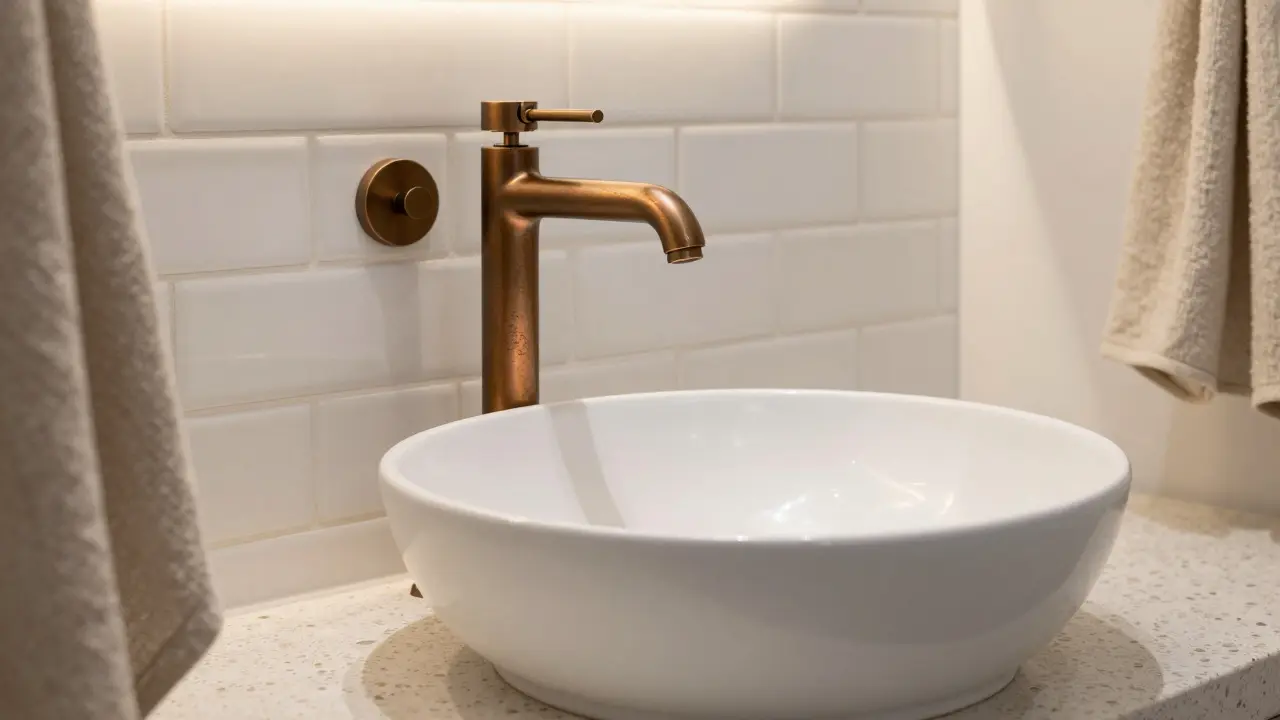
Oil-rubbed bronze used to mean farmhouse kitchens and heavy, ornate fixtures. Now, it’s being reimagined in slimmer, minimalist designs. The finish itself hasn’t changed-it’s still that dark, mottled copper tone with hints of brown and gold-but the shapes have. Think single-handle wall-mounted faucets with clean lines, or vessel sink spouts that look like sculpted metal.
It’s becoming the finish of choice for homeowners who want warmth without going full rustic. It adds character without clutter. And unlike polished brass, it doesn’t look dated. In fact, in a bathroom with white subway tiles and a floating vanity, oil-rubbed bronze looks like intentional design, not a throwback.
Matte White and Pastel Finishes Are Emerging
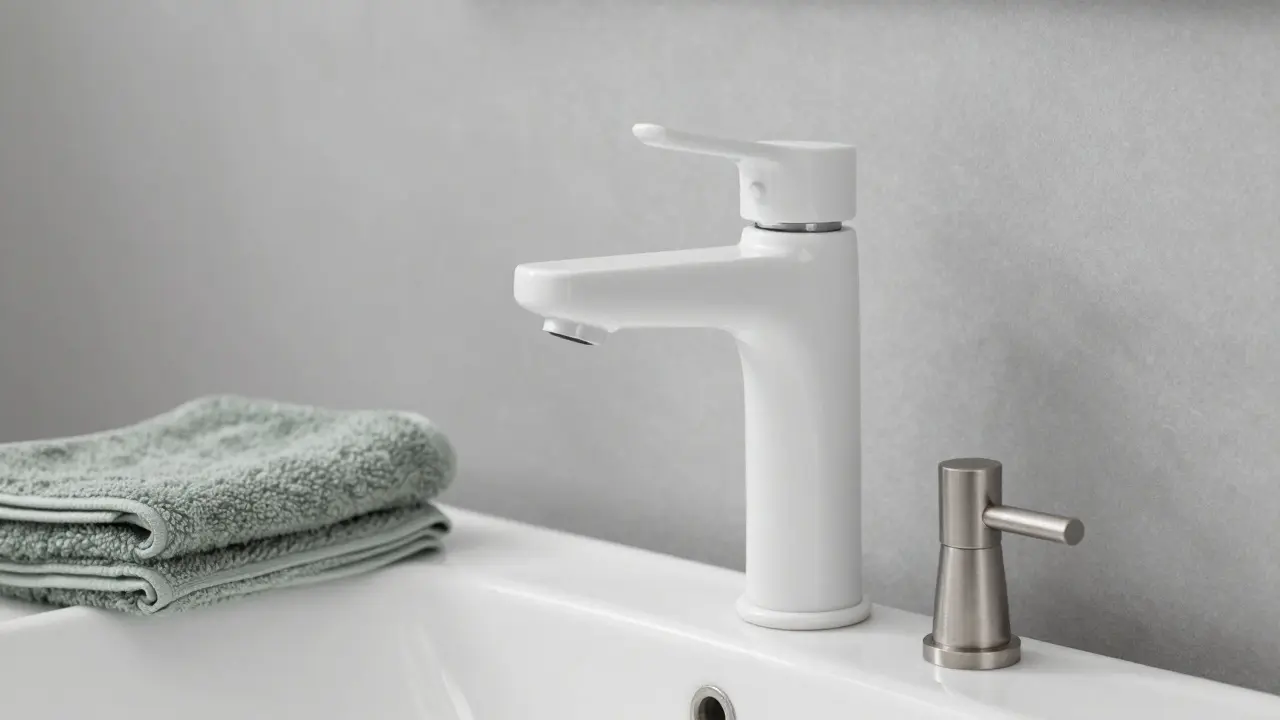
This one surprises people. But matte white faucets are showing up in high-end remodels and design magazines. Not the chalky, plastic-looking white you’d find on a 1990s sink. This is a ceramic-coated, satin-finish white that feels like porcelain but is metal underneath. It’s subtle, clean, and works best in minimalist, spa-like bathrooms.
Pastels are creeping in too-soft sage, muted blush, even pale gray. These aren’t for everyone, but they’re gaining traction in homes where color is used intentionally. A matte sage faucet in a bathroom with terrazzo floors and linen curtains? That’s not a gimmick. It’s a statement.
Polished Chrome Is Still Around-But It’s Not the Default
Polished chrome isn’t dead. It’s just no longer the default. You’ll still see it in budget remodels and rental properties. But in homes where people are spending real money, chrome is being replaced. It’s too reflective. Too clinical. Too much like a hospital sink.
There’s one exception: high-end modern bathrooms with all-white or all-gray palettes. In those cases, chrome can work as a sharp accent. But even then, it’s often paired with matte finishes elsewhere to balance the look.
What’s Falling Out of Favor?
Gold finishes-especially shiny, yellow gold-are fading fast. The “bling” trend of the late 2010s is over. Rose gold? Still around, but only in very small doses, like a single accent handle. Brass? Only if it’s unlacquered and meant to patina over time. Otherwise, it looks dated.
High-gloss finishes in general are losing ground. People don’t want to see their reflection in the faucet. They want to see texture, depth, and craftsmanship.
How to Choose the Right Finish for Your Bathroom
It’s not just about what’s trendy. It’s about what works with your space.
- Match your hardware. If your cabinet pulls are brushed nickel, your faucet should be too. Mixing finishes can look messy unless you’re going for intentional contrast.
- Consider your lighting. Matte finishes look best in natural or warm artificial light. Cool, harsh LED lighting can make them look flat.
- Think long-term. Matte black hides water spots. Brushed nickel hides scratches. Oil-rubbed bronze hides fingerprints. Pick a finish that matches your cleaning habits.
- Don’t overdo it. One statement finish is enough. If your faucet is matte black, keep the showerhead and towel bars in the same finish. Don’t mix three different metals.
Real-Life Examples from 2025 Remodels
A family in Portland swapped their 20-year-old chrome faucet for a matte black one with a pull-down sprayer. They also added a matching soap dispenser. The whole bathroom now looks like it was designed by a pro-no renovation needed beyond the faucet.
In Chicago, a couple chose oil-rubbed bronze for their freestanding tub faucet and paired it with a matte white sink. The contrast between the warm metal and cool ceramic created a spa feel without spending $20,000.
A designer in Austin used a matte white faucet on a floating vanity with a concrete countertop. The result? A bathroom that looks like it belongs in a modern art gallery.
What’s Next?
Manufacturers are experimenting with finishes that change color slightly under different lighting. One company just released a faucet with a nano-coating that shifts from charcoal to deep bronze depending on the angle. It’s still expensive and rare, but it’s a sign of where things are headed.
For now, stick with what works: matte black for drama, brushed nickel for balance, oil-rubbed bronze for warmth. These aren’t passing fads. They’re the new standard.
Is matte black faucet hard to clean?
No, not anymore. Modern matte black finishes use ceramic or PVD coatings that resist water spots and fingerprints. A quick wipe with a microfiber cloth is usually enough. Avoid abrasive cleaners-they can scratch the surface.
Can I mix brushed nickel and matte black in the same bathroom?
Yes, but do it intentionally. Use one as the main finish and the other as an accent. For example, a matte black faucet with brushed nickel towel bars works. But don’t put both on the sink and shower unless you’re going for a high-end, designer look. Most homeowners stick to one primary finish for simplicity.
What’s the most durable faucet finish?
PVD-coated finishes like matte black and brushed nickel are the most durable. They’re baked onto the metal, making them resistant to corrosion, scratches, and peeling. Oil-rubbed bronze is durable too, but it can show wear over time-which some people like for its patina effect.
Should I match my faucet finish to my sink?
Not necessarily. Your sink is usually ceramic, porcelain, or stone, so it doesn’t have a metal finish. Match your faucet to your cabinet pulls, towel bars, and shower hardware instead. That’s where visual harmony matters most.
Are matte white faucets a passing trend?
They’re not for everyone, but they’re here to stay in modern, minimalist spaces. They work best in bathrooms with clean lines and neutral tones. If your style leans toward warm, rustic, or traditional, matte white might feel out of place. But in a spa-like or contemporary bathroom, it’s a lasting choice.

Donald Sullivan
December 25, 2025 AT 15:12Matte black is great until you have kids who leave handprints everywhere. Then it’s just a fingerprint magnet with delusions of grandeur.
Tina van Schelt
December 25, 2025 AT 17:03Brushed nickel is the quiet queen of bathroom finishes-no drama, no glare, just that soft, whispery glow that says ‘I woke up like this’ and meant it. It’s the equivalent of wearing a cashmere sweater to a coffee date. Elegant. Unbothered. Timeless.
Ronak Khandelwal
December 26, 2025 AT 12:06Oil-rubbed bronze is like a warm hug for your bathroom 🤗✨ It doesn’t just sit there-it *speaks*. It says, ‘I’ve lived a little, I’ve seen things, and I still look damn good.’ And matte white? That’s the zen monk of finishes. Calm. Clean. Soulful. Let your fixtures breathe, friends. Let them breathe.
Jeff Napier
December 27, 2025 AT 01:02They say matte black is durable but nobody tells you the coating is just government-approved glitter glue. PVD? More like PVD-Pretend Veneer Deception. The real finish is the one you can’t see-the one behind the marketing brochures. Chrome isn’t dead. It’s hiding. Waiting. And it’s coming back when you least expect it.
Sibusiso Ernest Masilela
December 27, 2025 AT 10:12Matte white? On a faucet? Please. That’s not design-that’s surrender. You’re not remodeling, you’re giving up. If you can’t commit to a real metal finish, just install a plastic cup and call it a day. This isn’t a Pinterest board. It’s your bathroom. Act like it.
Daniel Kennedy
December 27, 2025 AT 14:24Don’t let anyone tell you you can’t mix finishes. I’ve got matte black faucets, brushed nickel towel bars, and oil-rubbed bronze cabinet pulls in my bathroom-and it looks like a curated museum, not a hardware store explosion. The trick? Keep the tones in the same family. Warm metals with warm metals. Cool with cool. And never, ever use three different metals unless you’re designing for a magazine shoot.
Taylor Hayes
December 29, 2025 AT 07:14For anyone worried about cleaning: matte black is actually the easiest if you wipe it down weekly. I used to scrub chrome daily until I switched. Now I just grab a microfiber cloth while I’m brushing my teeth. Five seconds. No stress. That’s the real luxury-not the shine, but the peace of mind.
Sanjay Mittal
December 29, 2025 AT 15:32Just a heads-up from India-oil-rubbed bronze is huge here in luxury homes, but they pair it with brass taps for contrast. The key is balance. Too much bronze feels heavy. Too little feels cheap. And matte white? Still rare here, but the younger crowd is experimenting. It’s a slow trend, but it’s coming.
Mike Zhong
December 31, 2025 AT 05:43What if the entire finish trend is just capitalism repackaging durability as aesthetics? We’re not choosing finishes-we’re being curated. The real innovation isn’t PVD coating-it’s the psychological manipulation that makes us believe matte is superior because it’s ‘quiet.’ Quiet is just another word for controlled. And control is the new luxury.
Jamie Roman
January 1, 2026 AT 03:30Look, I get why people love matte black-it hides grime, it looks expensive, it’s got that moody vibe. But here’s the thing I learned after three years of living with it: the real test isn’t how it looks on day one. It’s how it holds up when your partner forgets to wipe it after a shower, your kid smears toothpaste on it, and you’re too tired to care. That’s when you realize brushed nickel isn’t just safe-it’s sacred. It doesn’t judge. It just… endures. And honestly? That’s more than most things in life do.