Quick Takeaways on Remodeling Costs
- Kitchens and bathrooms are almost always the most expensive per square foot.
- Structural changes and electrical/plumbing updates often create the biggest budget overruns.
- Labor typically accounts for 30% to 50% of the total project cost.
- Unexpected 'behind-the-wall' issues (mold, outdated wiring) are the most common financial surprises.
The Heavy Hitters: Kitchens and Bathrooms
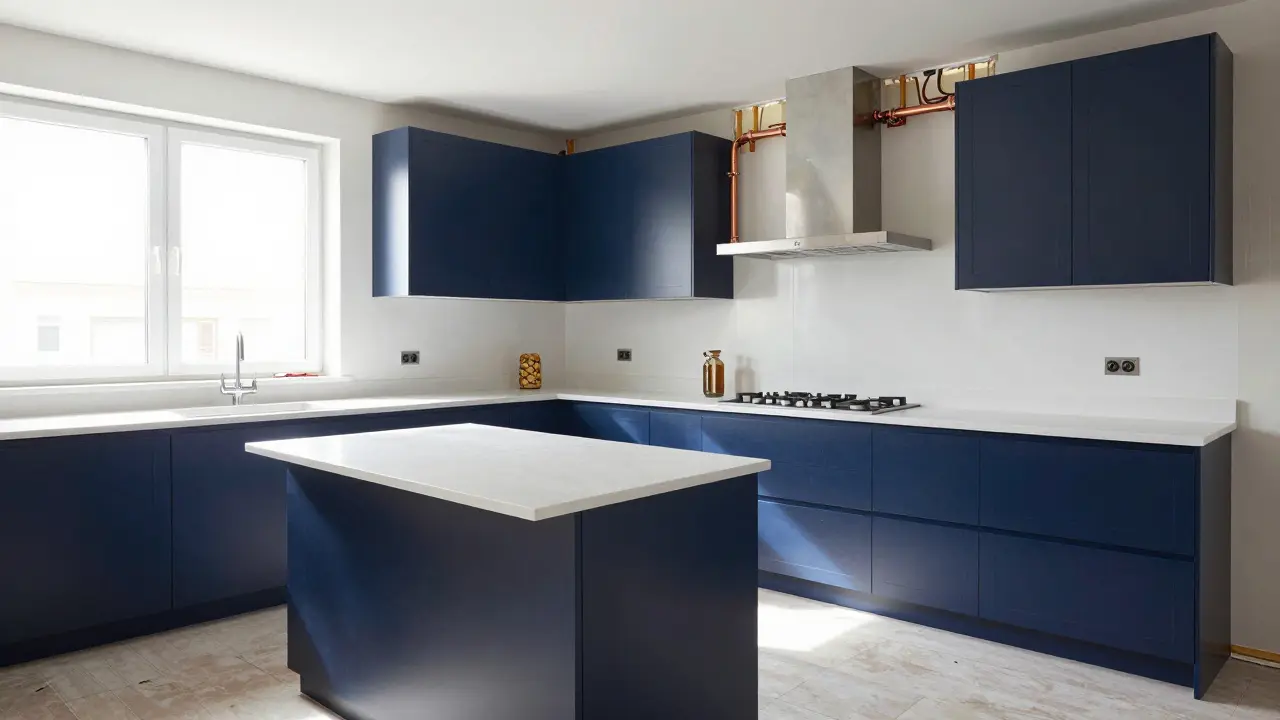
If you're looking for the single most expensive room, the Kitchen is the heart of the home and usually the most expensive area to remodel due to the density of plumbing, electrical, and high-end finishes. It's not just about the paint; it's about the complex intersection of water, gas, and electricity. A full gut renovation can easily range from $25,000 for a basic refresh to over $100,000 for a high-end custom build.
The Bathroom is a close second. While smaller in size, the cost per square foot is astronomical. Why? Because you're dealing with waterproofing, ventilation, and specialized plumbing. A master suite conversion involving a walk-in shower and a freestanding tub can quickly spiral. For example, installing a custom steam shower involves specialized glass, drainage, and electrical work that far exceeds the cost of a standard bathtub replacement.
| Room Type | Primary Cost Driver | Budget Impact | Complexity Level |
|---|---|---|---|
| Kitchen | Cabinetry & Appliances | Very High | High |
| Master Bath | Plumbing & Tiling | High | High |
| Living Area | Flooring & Lighting | Medium | Low |
| Basement | Waterproofing & HVAC | High | Medium |
The Invisible Budget Killers: Infrastructure
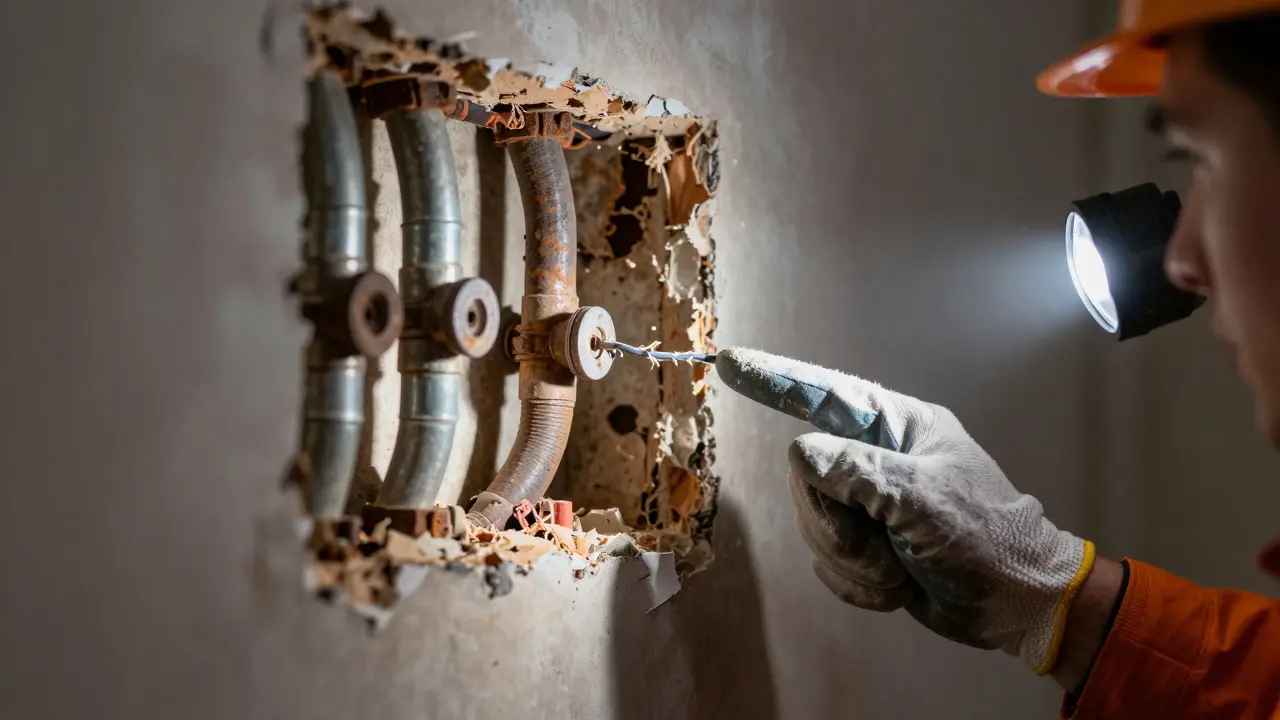
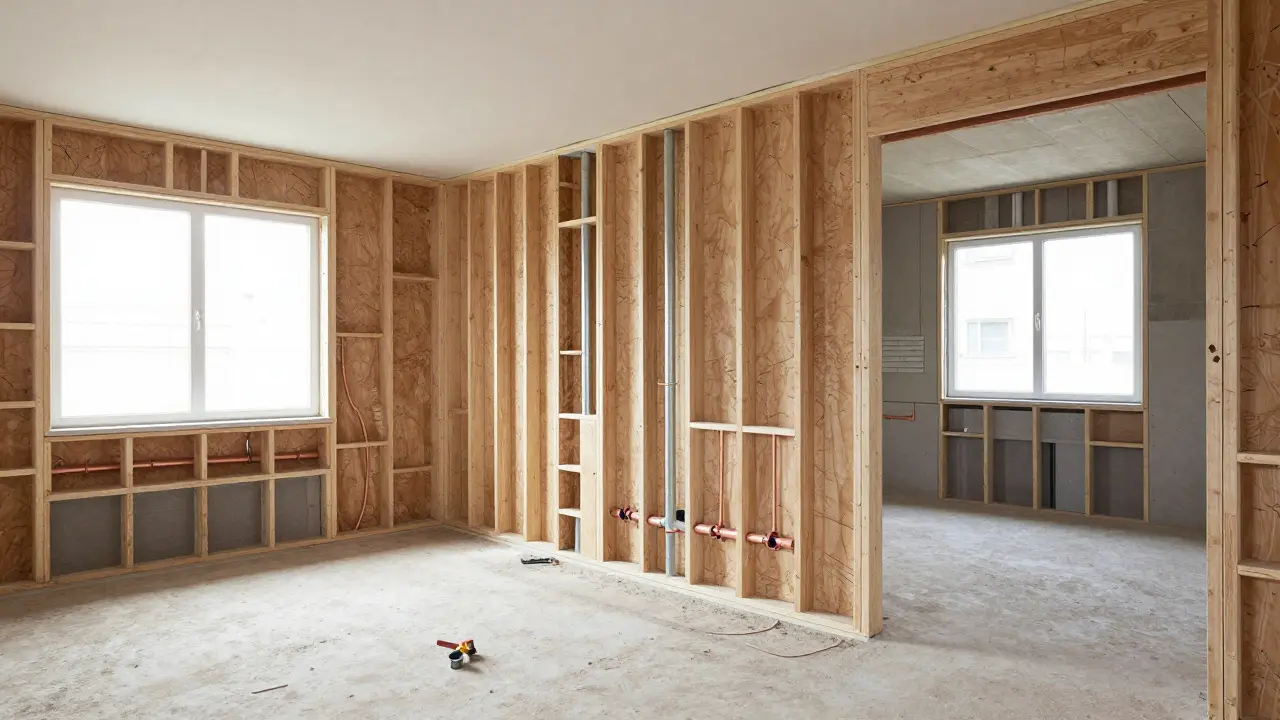
The most expensive part of remodeling isn't always a room-sometimes it's the Infrastructure. When you open up a wall and find outdated knob-and-tube wiring or galvanized steel pipes, your budget takes a nosedive. These are non-negotiable fixes. You can't put new cabinets over dangerous wiring or a leaking pipe.
Updating a Electrical Panel is another hidden cost. If you're adding a high-powered induction stove or a home office with twenty outlets, your old 100-amp panel might not cut it. Upgrading to a 200-amp service involves not just the hardware, but permits and inspections from the city, which adds layers of cost and time. Similarly, HVAC (Heating, Ventilation, and Air Conditioning) systems are massive expenses. Moving a central air duct to open up a floor plan can cost thousands because it requires redesigning the airflow for the entire house.
Structural Changes and Permitting
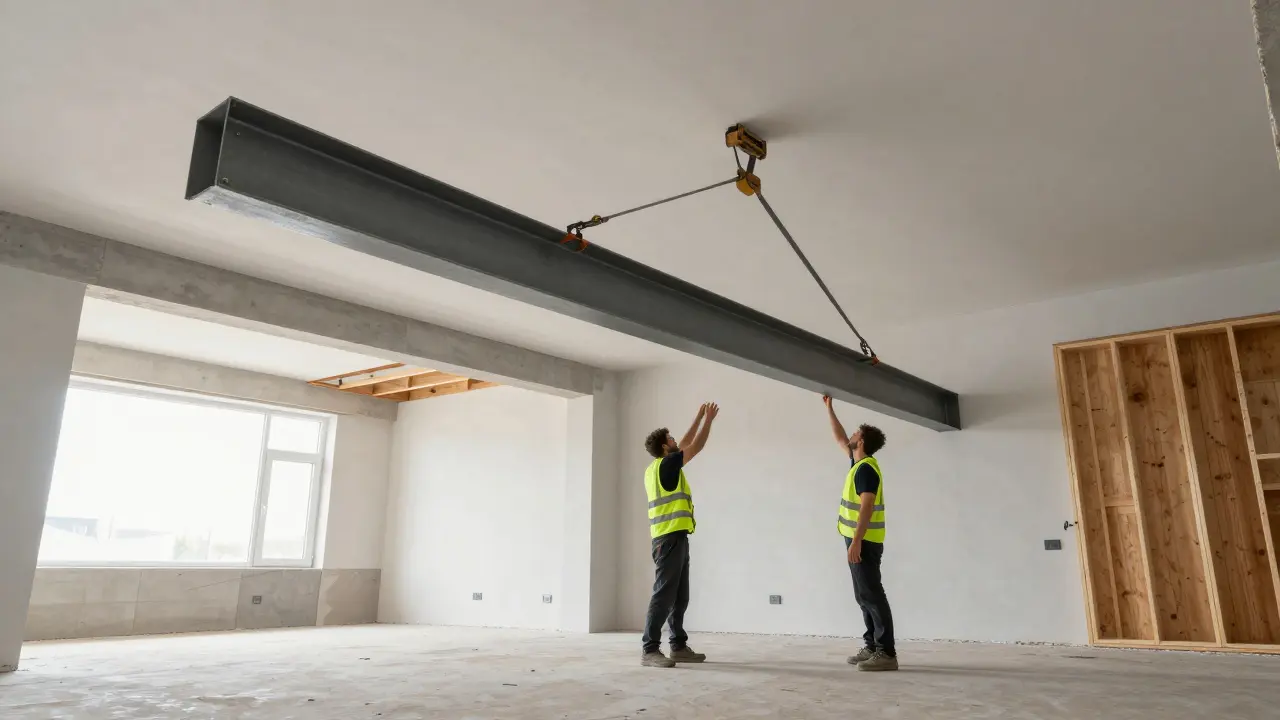
Want that open-concept feel? Removing a wall seems simple until you discover it's a Load-Bearing Wall. A load-bearing wall supports the weight of the roof or the floor above. To remove it, you can't just swing a sledgehammer; you need to install a structural beam, often made of steel or engineered lumber. This requires a Structural Engineer to calculate the load and a licensed contractor to execute the install.
Then there are the Building Permits. Depending on your locale, permits can cost a few hundred to several thousand dollars. More importantly, they trigger official inspections. If an inspector finds that your framing doesn't meet the 2026 safety codes, you might have to tear out completed work and redo it. This "re-work" is where many homeowners lose their minds and their money.
The Material vs. Labor Trap
Many people spend weeks obsessing over whether to get quartz or granite countertops. While materials are a huge part of the bill, Labor is often the most expensive variable. A set of custom cabinets might cost $10,000, but the skilled carpentry required to install them perfectly in a house with slanted floors can add another $4,000.
Specialized trades-plumbers, electricians, and HVAC technicians-charge premium rates because their work is tied to safety and legality. For instance, a master plumber in a busy city might charge a flat fee just to show up, regardless of whether the job takes ten minutes or two hours. When you coordinate four different trades, the overlapping schedules often lead to "wait time" charges, which quietly inflate the final invoice.
How to Mitigate the Biggest Costs
To avoid a financial meltdown, the best strategy is to keep the existing "footprint." If you keep the sink, toilet, and stove in their original locations, you save thousands on plumbing and electrical rerouting. Moving a sink just three feet to the left can sometimes cost $2,000 because it requires cutting into the slab or redesigning the drainage slope.
Another pro tip is to create a "contingency fund." In the world of home improvement, a 10% buffer is amateur hour; 20% is the gold standard. If your project is estimated at $50,000, act as if it will cost $60,000. This prevents the project from grinding to a halt when you find out the subfloor is rotting under your old linoleum.
Which is more expensive: a kitchen or a bathroom remodel?
Generally, a kitchen remodel is more expensive in total dollars because it is larger and involves more complex appliances and cabinetry. However, bathrooms often have a higher cost per square foot due to the intensive waterproofing and plumbing requirements.
Can I save money by doing some of the work myself?
Yes, "sweat equity" in demolition (removing old cabinets, pulling up carpet) can save you hundreds in labor costs. However, avoid DIY electrical or plumbing work. A mistake here can lead to fires or floods, which will cost significantly more to fix than hiring a pro in the first place.
Why are structural changes so expensive?
Structural changes involve the integrity of your home. Removing a load-bearing wall requires professional engineering and the installation of expensive support beams to ensure the house doesn't sag or collapse, making it far more costly than cosmetic changes.
What are the most common hidden costs in remodeling?
The most common hidden costs include outdated wiring, mold remediation, asbestos removal in older homes, and unplanned structural reinforcements. These usually appear only after the walls are opened up.
How does the location affect remodeling costs?
Location impacts the cost of labor and permits. In high-demand urban areas, contractors charge more due to overhead and demand. Additionally, local building codes can vary, requiring more expensive materials or specific certifications for the work to be approved.
Next Steps and Troubleshooting
If you are just starting, your first move should be a detailed walkthrough with a general contractor. Don't rely on online calculators; they don't know if your house has 1950s plumbing or 2010s framing. Ask for a "fixed-price contract" for the known work and a "time-and-materials" agreement for the unknowns.
If you find your quotes are coming in way over budget, try these pivots:
- Reface instead of replace: Keep your cabinet boxes and just change the doors and hardware.
- Prioritize the "big bone" fixes: Get the electrical and plumbing done now, and save the fancy backsplash for next year.
- Standardize sizes: Use stock cabinet sizes instead of custom builds to slash material costs by 30% or more.

Nathaniel Petrovick
April 5, 2026 AT 09:51Totally agree on the contingency fund. I tried to go in with just 10% for my kitchen and man, the second we ripped up the linoleum we found a slow leak that had rotted the subfloor. Ended up spending way more than planned just to get the base solid before even thinking about the cabinets.
Honey Jonson
April 6, 2026 AT 22:36dont forget about the permit wait times... some citys r just so slow it cost more in loan interest just waiting for a piece of paper to be signed off lol
Sally McElroy
April 8, 2026 AT 14:36It is truly a reflection of our consumerist society that we obsess over the aesthetics of a backsplash while the very bones of our dwellings are decaying!!! We prioritize the superficial over the structural, which is exactly why people are blindsided by these costs...
James Winter
April 9, 2026 AT 18:07Labor costs are a scam. Do it yourself.
Destiny Brumbaugh
April 10, 2026 AT 11:43Our American homes are built to last if you actually spend the money to fix em right!! I dont care if it costs 20k more, do it the right way or dont do it at all!!
Cynthia Lamont
April 11, 2026 AT 07:55The table is literally missing a closing tag for the caption and the HTML is a mess. It is absolutely disgusting that someone would post such a sloppy layout. Also, "estimated 2026 values"? How is that even possible? It's a guess! This is just fake data presented as a fact and it's honestly embarrassing!
Meghan O'Connor
April 11, 2026 AT 22:49Imagine thinking that "sweat equity" in demolition is a saving. You're just paying in physical exhaustion and potential injury because you don't know where the load-bearing studs are. Most amateurs just make a bigger mess that a professional then has to charge double to fix. It's pathetic how people think they can just watch a few videos and suddenly understand structural integrity. The reality is that most homeowners are completely out of their depth the moment they pick up a sledgehammer. You'll probably hit a pipe and then you'll be paying for emergency plumbing at 3 AM on a Sunday, which will wipe out whatever pittance you saved on demolition. Just hire a pro and stop pretending you're a contractor.
Nathaniel Petrovick
April 13, 2026 AT 21:44Fair point about the pipes, but for just pulling up old carpet or ripping out some basic trim, it's a great way to shave a few hundred off the bill.
Aimee Quenneville
April 15, 2026 AT 02:21Oh sure, just "keep the footprint"... as if anyone actually wants their sink in the same awkward spot as it was in 1974!!! Totally realistic advice...
Kirk Doherty
April 15, 2026 AT 23:25i just stayed with the old cabinets and painted them it worked out fine
Sara Escanciano
April 16, 2026 AT 22:30The greed of contractors is honestly sickening. They see a homeowner who doesn't know about electrical panels and they just inflate the price because they can. It is a moral failure in the trades industry.
Morgan ODonnell
April 17, 2026 AT 19:48It's all about finding people you trust. Sometimes a little patience goes a long way.
Marissa Martin
April 19, 2026 AT 12:44I suppose it's just the way things are now.