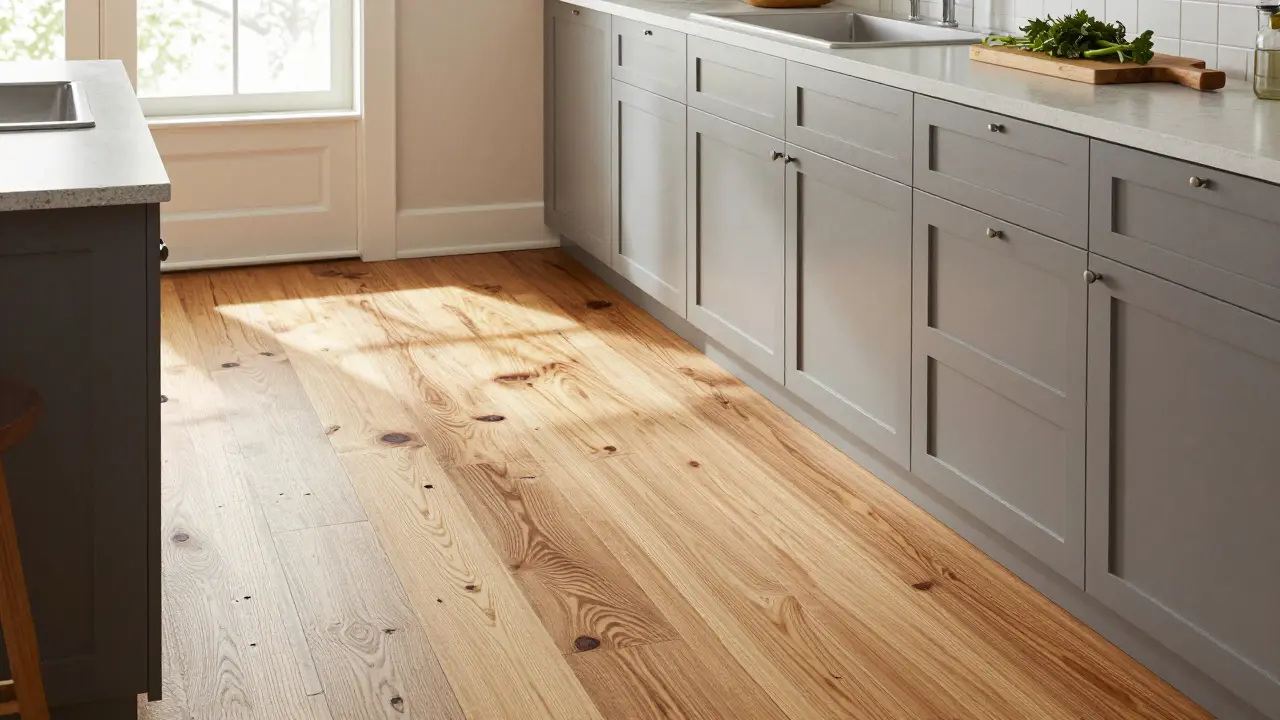
When you’re redoing your kitchen, you don’t want to pick a floor that looks dated in five years. You want something that still feels fresh, clean, and inviting a decade from now. The truth is, most trendy kitchen floors - think bold geometric tiles or ultra-glossy vinyl - fade fast. But one type of flooring has stood the test of time, survived generations of spills, scuffs, and style shifts, and still looks like it belongs in every kitchen from 1980 to 2026: hardwood.
Why hardwood still wins in the kitchen
Hardwood flooring in the kitchen isn’t just a nostalgia trip. It’s practical, repairable, and deeply adaptable. Unlike laminate or vinyl that can’t be sanded, real hardwood can be refinished multiple times. A scratched oak board? Sand it down and re-stain. A faded area near the sink? A light sanding and a fresh coat of polyurethane brings it back to life. That’s something no glued-down plank can do.
Homeowners in Burlington, Ontario, who’ve lived with hardwood kitchens for 15+ years say the same thing: it gets better with age. The natural patina that develops from daily use - the subtle sheen from shoes, the soft darkening around the island - adds character no designer can fake. It doesn’t scream "2024" or "2026." It just feels right.
What kind of hardwood works best in a kitchen?
Not all hardwood is created equal when it comes to moisture, traffic, and durability. For kitchens, you need wood that’s hard, stable, and resistant to swelling. Here’s what actually works:
- White oak - The top pick. It’s dense, has a tight grain that hides scratches, and takes stain well. It’s the wood behind most classic American kitchens.
- Maple - Lighter in color, very hard (harder than oak), great for modern or Scandinavian styles. But it shows dirt more easily.
- Hickory - Bold grain, high contrast. Perfect if you want a rustic, farmhouse look that hides wear and tear naturally.
- Engineered hardwood - If you’re worried about moisture (especially over concrete slabs), go with 5/8" or thicker engineered hardwood with a real wood top layer. It’s more stable than solid wood in humid or cold environments.
Avoid softwoods like pine or cedar. They dent too easily. Avoid exotic woods like teak unless you’re willing to spend $15 a square foot and maintain them like fine furniture.
Hardwood vs. tile: the real comparison
People often say tile is the "safe" kitchen floor. And yes, ceramic or porcelain tile doesn’t swell with water. But here’s what most people forget: tile is cold, loud, and unforgiving. You drop a glass? It shatters. You stand at the counter for 20 minutes? Your feet and back ache. Tile also cracks under heavy impact - think a dropped cast iron pan - and grout stains easily, even with sealers.
Hardwood, on the other hand, is warmer underfoot, absorbs sound, and gives a little when you’re standing. It’s not waterproof, but modern finishes like water-based polyurethane with aluminum oxide additives can handle spills for hours. Wipe up a spilled soup within 10 minutes, and you’re fine. Let it sit for a day? That’s when problems start - but that’s true for any floor.
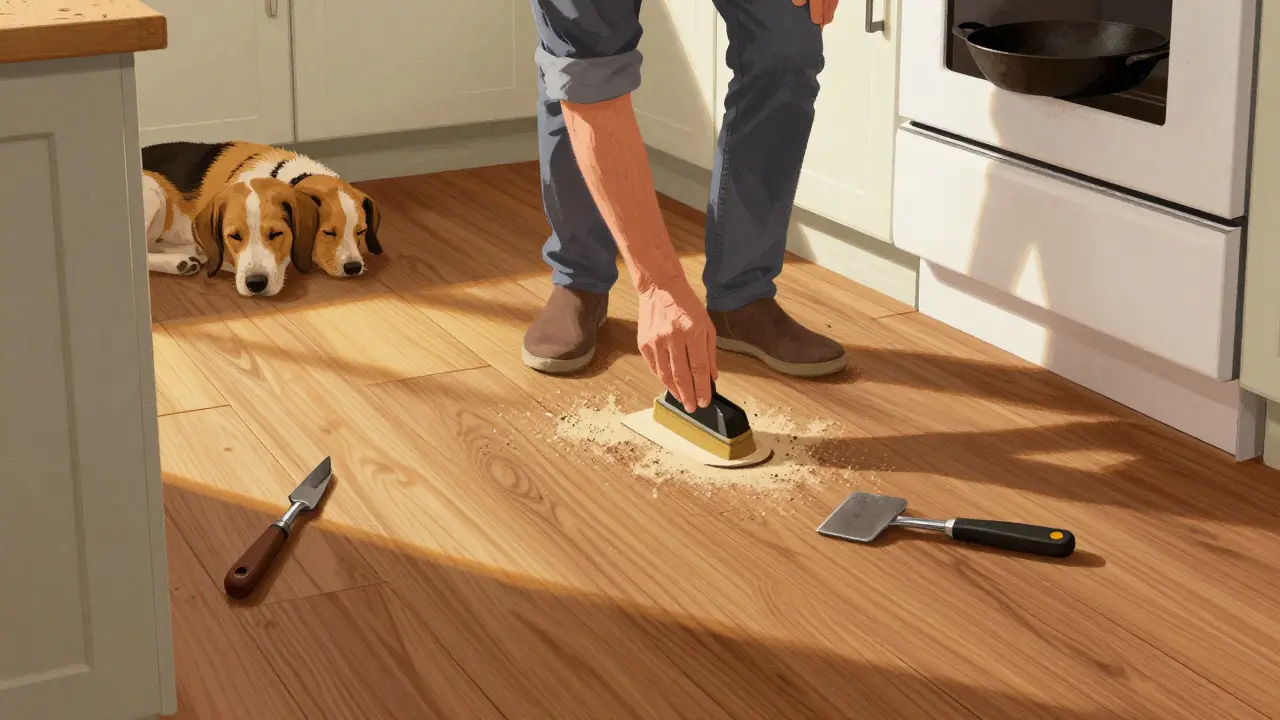
How to make hardwood last in a kitchen
Hardwood doesn’t need to be delicate. It just needs smart habits:
- Use area rugs near the sink and stove - not to protect the floor, but to catch crumbs and reduce abrasion from grit.
- Install felt pads under all furniture legs. Even a cheap kitchen cart can scratch the surface over time.
- Wipe up spills quickly. Water left sitting for more than 30 minutes can cause swelling, especially in lower-quality wood.
- Reapply finish every 5-7 years. You don’t need to refinish the whole floor - just touch up high-traffic zones.
- Avoid steam mops. They force moisture into the seams and can warp planks.
One homeowner in Hamilton replaced her vinyl kitchen floor with white oak in 2018. She has two kids, a dog, and cooks daily. Her floor has minor scratches, but no warping, no stains, and no need for replacement. She says, "It looks like home, not a showroom. And that’s why I never regretted it."
Color and finish trends that last
Colors come and go. But certain finishes stay relevant because they’re neutral without being boring:
- Medium brown tones - Think "walnut" or "honey oak." They work with white cabinets, dark cabinets, or even bold island colors.
- Gray-washed finishes - Not the flat, ashy gray of 2015. Modern gray-washed oak has warmth - like weathered driftwood. It pairs beautifully with matte black hardware and stone countertops.
- Unstained natural oak - Let the wood speak. A clear satin finish highlights grain and texture. It’s the most timeless choice of all.
Avoid high-gloss finishes. They show every fingerprint and scratch. Stick to satin or matte. They look richer, feel more natural, and hide imperfections better.
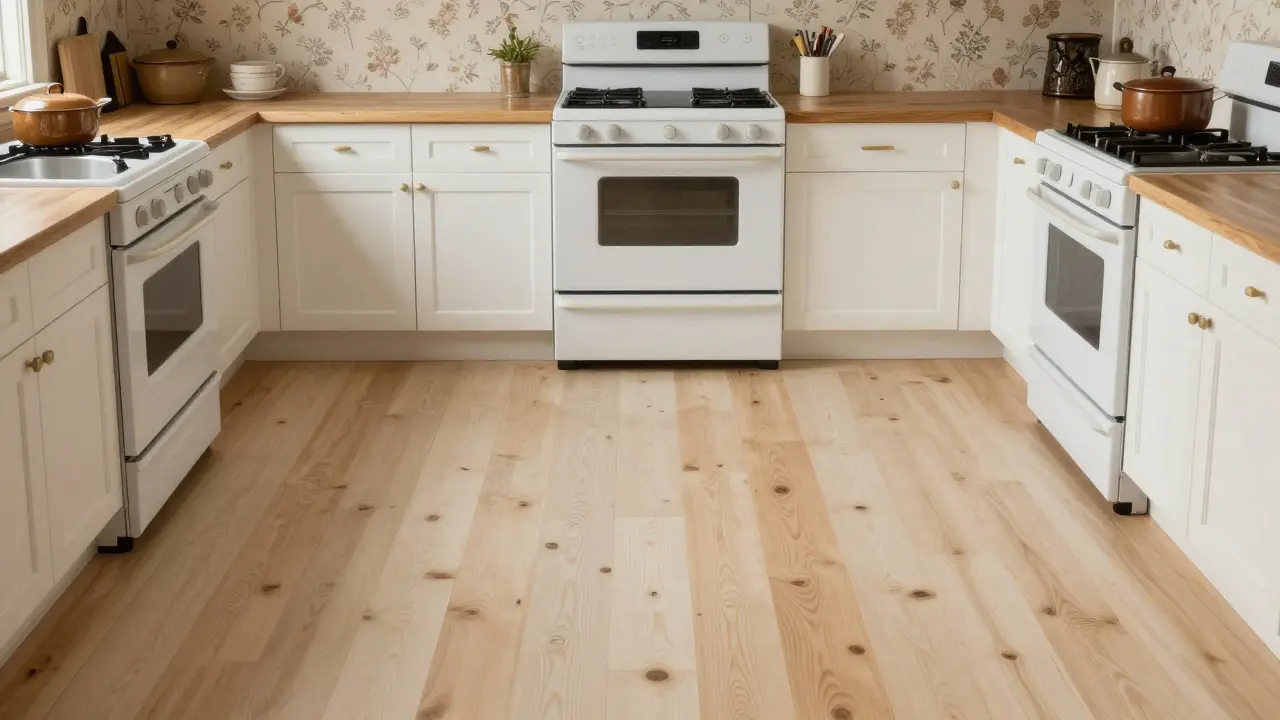
What about luxury vinyl plank (LVP)?
LVP has gotten better. Some brands now mimic hardwood so well you can’t tell the difference. But here’s the catch: LVP is a plastic product. It can’t be sanded. If it gets gouged, you replace the plank. If it warps from heat or moisture, you replace the whole section. And after 10-15 years, it starts to look flat, plastic-y, and dated.
Hardwood lasts 50+ years with proper care. LVP lasts 15-20 at best. That’s not a comparison - it’s a choice between a long-term investment and a temporary fix.
Final thought: Style isn’t about trends - it’s about durability
The most "timeless" kitchen floor isn’t the one that matches the latest Instagram trend. It’s the one that survives daily life without losing its soul. Hardwood does that. It adapts. It heals. It ages gracefully. It doesn’t demand constant replacement. It just shows up, year after year, and keeps working.
If you’re remodeling your kitchen and want a floor you won’t hate in 10 years, skip the flashy options. Go with real wood. Pick white oak or hickory. Choose a satin finish. Keep spills wiped up. And let the floor tell its own story - one scuff, one stain, one decade at a time.
Is hardwood flooring really suitable for kitchens?
Yes, when it’s the right type and properly maintained. Hardwoods like white oak, hickory, and maple are dense enough to handle kitchen traffic. Modern water-resistant finishes protect against spills. Just wipe up standing water quickly, avoid steam mops, and use rugs near high-moisture areas.
What’s the most durable hardwood for kitchens?
White oak is the most popular and reliable choice. It has a Janka hardness rating of 1,360, which means it resists dents and scratches better than many other woods. Hickory is even harder at 1,820, but its dramatic grain may not suit all styles. Maple is hard and light-colored, ideal for modern kitchens.
Should I choose solid or engineered hardwood for my kitchen?
Engineered hardwood is often the better choice for kitchens, especially if you’re installing over concrete or in areas with temperature swings. It’s more stable than solid wood and less likely to expand or contract with humidity. Just make sure it has at least a 3/16" thick wear layer so it can be sanded multiple times.
Can I install hardwood over existing tile?
Yes, but only if the tile is flat, secure, and free of deep grout lines. You’ll need to install a plywood underlayment first to create a smooth, stable base. Otherwise, the hardwood planks can crack or creak over uneven spots. Most pros recommend removing tile for the best long-term result.
How often do I need to refinish a kitchen hardwood floor?
Every 5 to 10 years, depending on traffic. High-traffic areas near the sink or island may need spot-sanding sooner. A full refinishing isn’t always necessary - often, just buffing and recoating with fresh polyurethane restores the look without removing the wood.

amber hopman
January 21, 2026 AT 23:18I had white oak in my last kitchen and it was a game changer. The scratches from my dog’s nails? Faded into character. The coffee spills? Wiped right up. It didn’t look perfect, but it looked real. After five years, I sanded it once and it looked brand new again. No vinyl can say that.
Jim Sonntag
January 23, 2026 AT 18:14Hardwood in the kitchen? Sure, if you like paying $12 a sq ft to babysit your floor. Meanwhile I’ve got LVP that looks identical, survives toddler tantrums, and I can mop it with bleach. Who’s the real fool here?
Deepak Sungra
January 25, 2026 AT 10:20Bro this whole post is just a fancy ad for hardwood companies. I live in India and we use terracotta tiles in kitchens for 500 years. Hardwood? It swells up like bread in monsoon. Also who the hell has money for white oak? My cousin’s kitchen has concrete with a coat of paint and it’s still standing. This is peak first-world problems.
Samar Omar
January 26, 2026 AT 15:57Let me just say - the aesthetic of hardwood isn’t merely a material choice, it’s a metaphysical alignment with the passage of time. The patina? It’s not wear, it’s witness. The grain? A silent poem written by centuries of growth. To reduce this to ‘durability metrics’ or ‘Janka ratings’ is to misunderstand the soul of domestic space. I’ve lived with reclaimed chestnut since 2010 - and yes, my dog peed on it once. But the stain? It became a halo. A sacred mark. I didn’t fix it. I honored it.
chioma okwara
January 26, 2026 AT 17:52hardwood is great but u need to clean it right or it gets moldy and u gotta replace it. i had a friend who used steam mop and now her floor is buckling. lol. also why no one talks about bamboo? its cheaper and eco
John Fox
January 28, 2026 AT 13:21I’ve had maple for 12 years. Scratches? Yeah. But I just sand the spots and it’s fine. No drama. Just wood. Wipe spills. Done.
Tasha Hernandez
January 28, 2026 AT 14:28Oh wow. Another post about how ‘real wood’ is the only real option. Meanwhile my kitchen floor has been LVP for 8 years and I haven’t cried once. Not once. Not when my kid dropped a cast iron skillet. Not when the dog dragged in mud. Not when the cat knocked over a gallon of milk. Hardwood is just a luxury guilt trip dressed up as wisdom. You’re not ‘honoring your space’ - you’re just paying to stress about it.
Anuj Kumar
January 29, 2026 AT 02:59Hardwood is a scam. The government and big lumber companies want you to buy it so they can charge more. Real floors are concrete. Cheap. Strong. No fake stains. No refinishing. Just concrete. You think your oak is tough? I’ve seen concrete survive floods, fires, and three generations of kids. You’re being manipulated.
Christina Morgan
January 30, 2026 AT 12:15Just wanted to add - if you’re worried about moisture, go with engineered hardwood with a thick wear layer. I installed it over my concrete slab in 2019 and it’s held up perfectly. Also, use a microfiber mop with just water. No vinegar. No soap. Just water. And you’ll be fine for decades. Seriously, it’s not that hard.
Kathy Yip
January 30, 2026 AT 16:42I wonder if the emotional weight we give to flooring is just a projection of how we want our lives to feel - grounded, enduring, natural. I used to think I needed perfect floors. Then I got a puppy, spilled wine, and realized imperfection isn’t failure - it’s belonging. My floor has fingerprints, paw prints, and a coffee ring shaped like Texas. I wouldn’t change it.
Bridget Kutsche
January 31, 2026 AT 00:55For anyone thinking about switching to hardwood - don’t overthink the color. Go with a medium tone like walnut or a light gray wash. Avoid high gloss. Satin is your friend. And please, please, please use felt pads under your stools and fridge. I’ve seen so many beautiful floors ruined by one metal leg dragging across it. Small things make a huge difference.
Jack Gifford
February 1, 2026 AT 15:38My grandma had oak in her kitchen in 1972. It’s still there. She never refinished it. She just swept and mopped. Now it’s darker than my coffee. And it’s the most beautiful thing in her house. No one ever says ‘wow your floor looks new.’ They say ‘wow your kitchen feels like home.’ That’s the real win.
Sarah Meadows
February 2, 2026 AT 03:31Hardwood is a patriotic choice. American oak, American craftsmanship, American durability. While other countries are installing plastic floors and calling it ‘modern,’ we’re keeping it real. This isn’t just flooring - it’s cultural resilience. If you’re not using domestic hardwood, you’re letting foreign materials take over your home. Support your wood. Support your country.