When you’re remodeling your bathroom, the shower isn’t just a place to get clean-it’s where you start your day and unwind at night. But with so many shapes out there-square, rectangular, corner, curved, neo-angle, and even round-you might be wondering: which shower shape is best for your space, your body, and your lifestyle? The answer isn’t one-size-fits-all. It depends on your bathroom’s size, your daily routine, and even how you like to stand while you rinse off.
Rectangular Showers: The Classic Workhorse
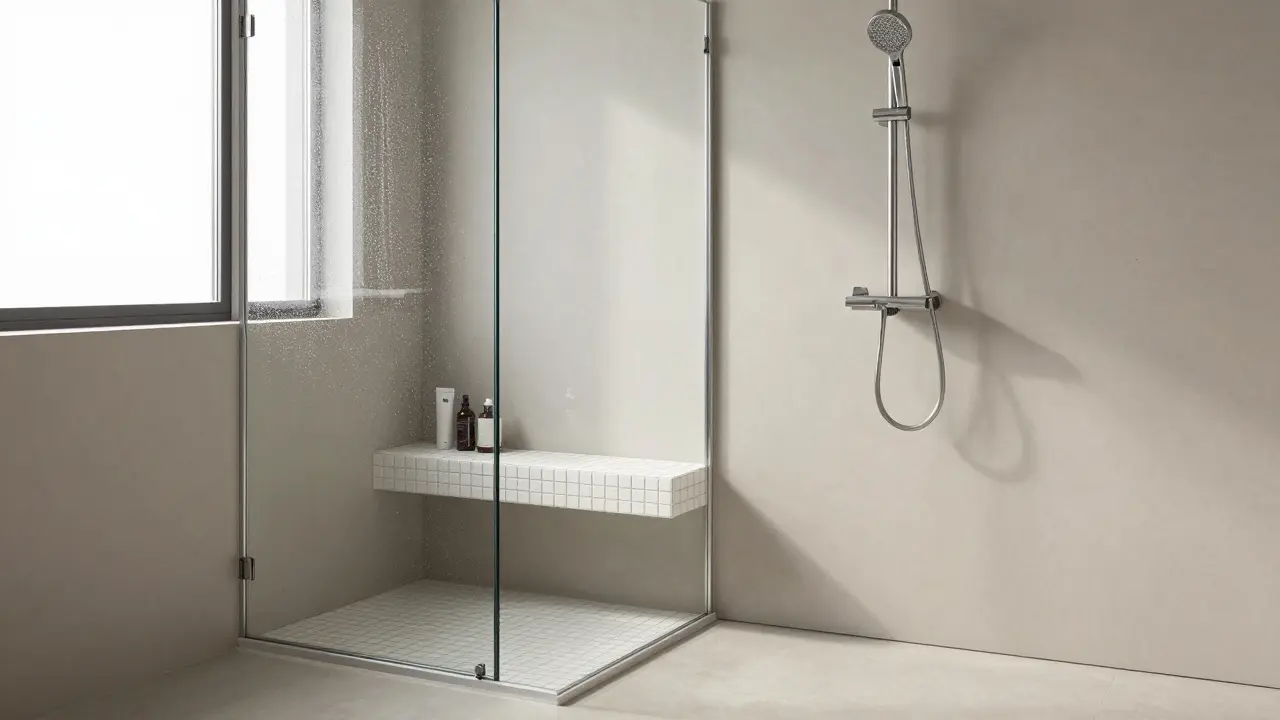
Rectangular showers are the most common for a reason. They fit neatly against one wall, use space efficiently, and work with almost any door style-sliding, pivot, or hinged. If you have a standard 36-inch by 72-inch bathroom, a rectangular shower is your safest bet. Most prefab units come in this shape, and tile installers know how to build them without costly custom work.
One big advantage? You can easily add a bench. Tiling a bench into the long side gives you a place to sit, store shampoo, or even rest your feet while shaving. It’s also easier to install a handheld showerhead that can be moved from the wall mount to your hand. Families with older adults or kids often prefer this shape because it’s predictable and safe.
But here’s the catch: if your bathroom is narrow, a rectangular shower with a swing-out door can eat up floor space. You need at least 30 inches of clearance in front of the door. If you’re tight on room, skip the swinging door and go for a sliding one.
Corner Showers: Maximizing Small Spaces
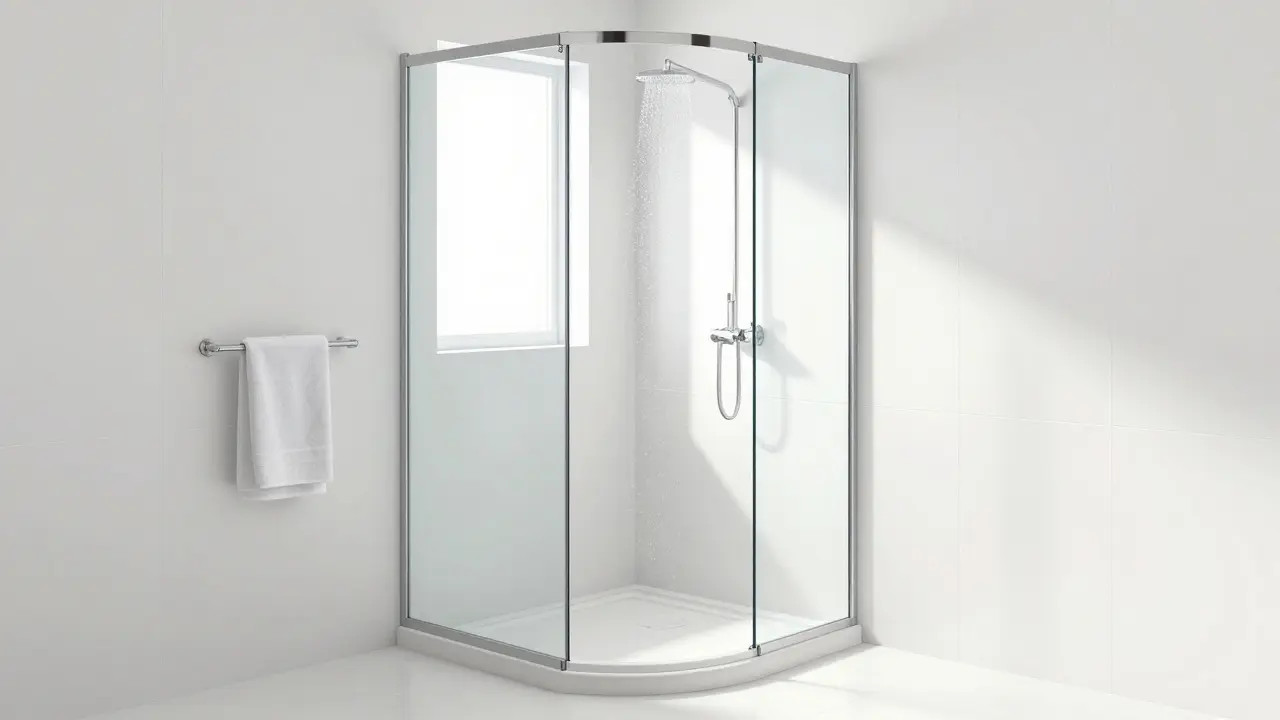
If your bathroom is under 5 feet wide, a corner shower might be the only way to fit one in without turning the whole room into a hallway. Corner showers usually come in two styles: 90-degree right-angle (like a square cut in half diagonally) or 135-degree neo-angle (a curved corner that feels more modern).
Neo-angle corner showers are popular in new builds because they look sleek and open. The curved glass panel lets light flow through, and you can install a fixed panel on one side and a sliding door on the other. These are especially good if you have a window nearby-you don’t want to block natural light with a bulky enclosure.
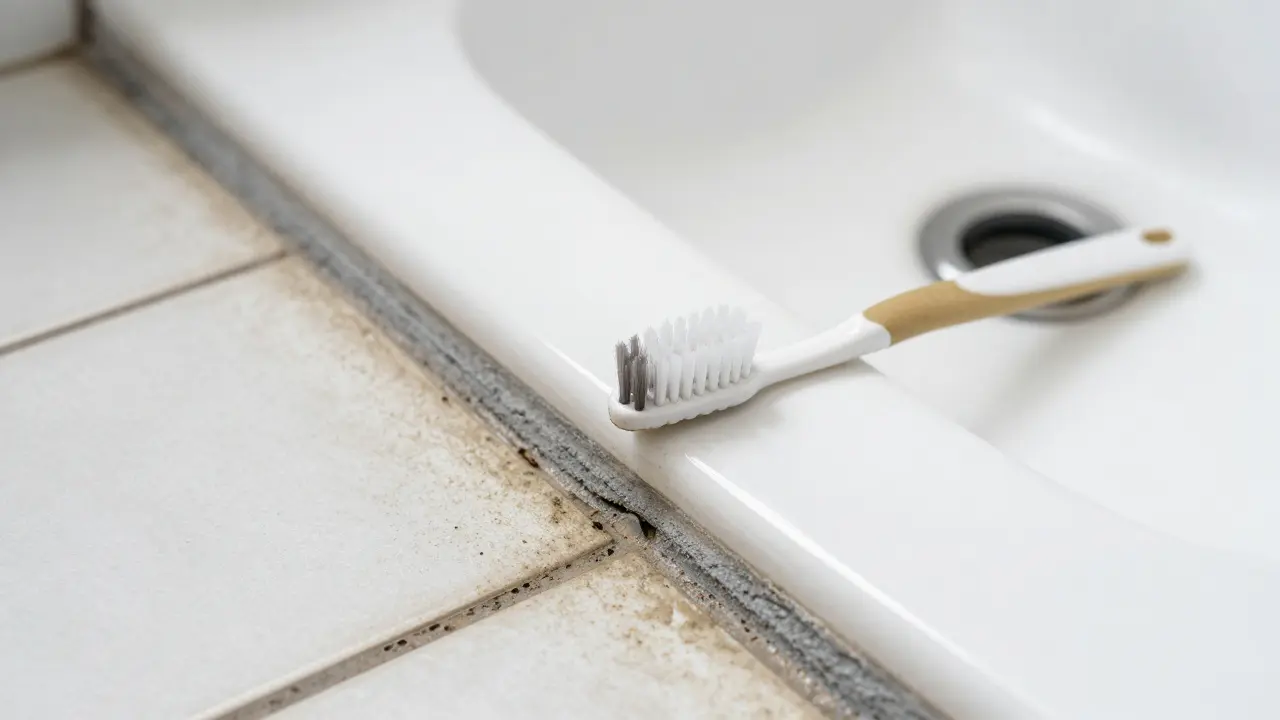
But corner showers aren’t perfect. The narrowest point is the back corner, so if you’re tall or like to stretch out, you might feel cramped. Also, cleaning the angled seams can be tricky. Water tends to pool in the corners, and mildew loves those tight spots. If you go this route, make sure the floor slopes well and the grout is sealed every year.
Square Showers: For a Spa-Like Feel
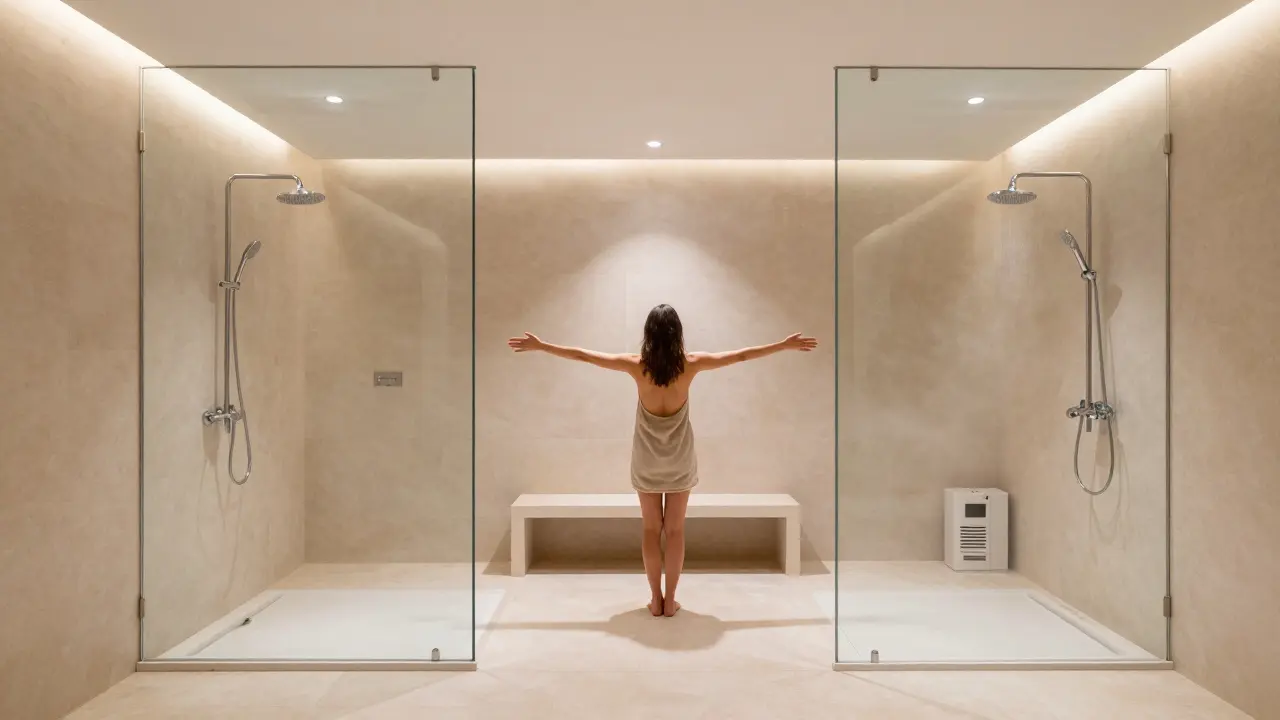
A square shower-usually 48 inches by 48 inches or bigger-gives you room to move. It’s the shape you’ll see in luxury hotels and high-end remodels. Why? Because it feels spacious. You can fit two showerheads, a bench, and even a small steam unit without feeling crowded.
If you like to wash your hair and then step back to rinse, or if you share the shower with someone else (yes, couples do this), a square shape gives you breathing room. It also works well for wheelchair-accessible designs because you can turn around easily inside.
The downside? You need at least 6 feet of wall space to fit it comfortably. Most homes built before 2010 don’t have that kind of room. And if you’re retrofitting an older bathroom, you might have to move plumbing lines-which adds thousands to the cost. But if you’re doing a full gut job anyway, this shape gives you the most flexibility for future upgrades.
Circular and Curved Showers: Style Over Space
Circular showers are rare, but they’re popping up in modern lofts and boutique hotels. They look like a glass orb, often with a single entry point. The curved design creates a sense of flow and can be stunning when paired with rainfall fixtures or colored lighting.
But here’s the truth: they’re not practical for most homes. They require custom glass, which costs 2-3 times more than standard panels. You can’t easily install a bench or grab bars without breaking the curve. And if you have kids or pets, they’ll likely bump into the glass. These are decorative features, not daily-use solutions.
Curved showers (not circular) are different. These are often used in neo-angle or walk-in designs where the glass bends slightly to follow the wall. They’re easier to install and still give that soft, modern look without the cost or complexity of a full circle.
Choosing Based on Your Life
There’s no single “best” shower shape. What works for a single person in a downtown condo won’t work for a family of four in a suburban home. Ask yourself these questions:
- Do you take long showers or quick rinses?
- Do you need a bench or a built-in shampoo niche?
- Are you planning for aging-in-place (grab bars, slip-resistant floors)?
- Do you have kids who need to be supervised?
- Is your bathroom small, medium, or large?
If you’re short on space, go corner or rectangular with a sliding door. If you have room and want luxury, go square. If you’re after a design statement, curved or neo-angle works-but only if you’re willing to pay extra and maintain it.
What Professionals Recommend
Plumbers and bathroom designers in Burlington, Ontario, see hundreds of remodels every year. Based on what actually works in real homes, here’s what they say:
- For bathrooms under 50 square feet: 87% use corner or rectangular showers.
- For bathrooms over 70 square feet: 62% choose square or neo-angle.
- Sliding doors are 3x more common than hinged doors in homes built after 2020.
- Shower benches increase resale value by 12% on average, especially in homes targeting buyers over 45.
One designer I spoke with said, “I’ve seen people spend $15,000 on a curved glass shower, then regret it because they can’t reach the soap.” Simplicity wins.
Common Mistakes to Avoid
- Choosing a shape based on a photo you saw online-without measuring your actual space.
- Ignoring door swing direction. A door that opens into a narrow hallway is a safety hazard.
- Using standard 3x6 tiles on curved walls. They create ugly gaps. Use larger format tiles or custom-cut pieces.
- Not planning for drainage. Water should flow toward the drain, not pool at the back. A slight slope of 1/4 inch per foot is ideal.
Also, don’t assume tile will hide bad design. If the shape doesn’t fit your body, no amount of mosaic accents will fix it.
Final Recommendation
For most homeowners in North America, the best shower shape is rectangular. It’s affordable, functional, and easy to maintain. If you have the space and budget, square is the next best option-it’s the most comfortable for daily use.
Corner showers are great for tight spaces, but only if you’re okay with a tighter fit. Save the curved and circular designs for when you’re doing a full luxury overhaul and aren’t worried about practicality.
Before you order glass or tile, sketch your bathroom on graph paper. Measure every inch. Try standing in the space with your arms out. Can you reach the faucet? Can you turn around? Will a towel fit on the hook? If the answer is yes, you’ve found your shape.

Ray Htoo
March 15, 2026 AT 07:26Natasha Madison
March 16, 2026 AT 00:57Sheila Alston
March 17, 2026 AT 21:28sampa Karjee
March 18, 2026 AT 23:51Patrick Sieber
March 19, 2026 AT 02:46Kieran Danagher
March 20, 2026 AT 03:24OONAGH Ffrench
March 21, 2026 AT 19:28poonam upadhyay
March 22, 2026 AT 08:51Shivam Mogha
March 23, 2026 AT 11:07