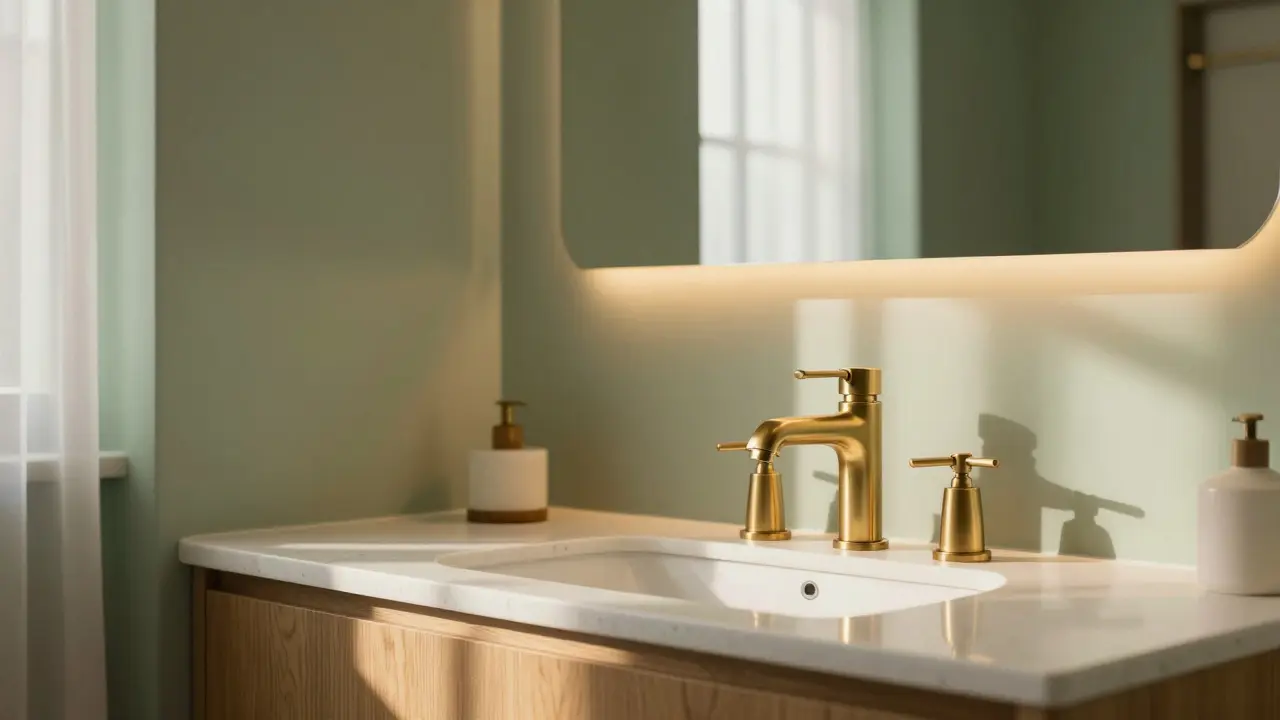
Walking through home improvement stores in early 2026, you can spot the shift immediately. Silver was king for decades, but the mood changed significantly starting in 2023. By 2025, gold fixtures were everywhere. Now, as we settle into 2026, the big question isn't whether they looked good then, but whether investing in them now makes sense for your space. If you are standing in a showroom right now holding a polished brass faucet, you probably want reassurance that this won't look dated next year.
The short answer is yes, but there is nuance. The heavy, shiny yellow golds of the past have evolved into something softer and more layered. We are seeing a move toward muted tones that feel luxurious without screaming for attention. Understanding the difference between a trend fad and a lasting style update matters for anyone planning a renovation budget.
Key Takeaways
- Trend Status: Gold finishes moved from niche luxury to mainstream appeal in 2025 and remain relevant through 2026.
- Best Options: Brushed brass and unlacquered finishes age better than high-gloss chrome plating.
- Pairing: Combining warm metals with matte black accents creates balance rather than monotony.
- Maintenance: These finishes require less buffing than chrome but need protection from harsh chemicals.
- Value Impact: High-quality metallic upgrades consistently increase resale value for mid-range homes.
The Shift from Cool to Warm Tones
To understand why this happened, look at the psychology behind bathroom choices. For years, stainless steel and chrome dominated. They signaled cleanliness and clinical efficiency. However, homeowners in 2024 and 2025 started craving comfort. Bathrooms became spa-like sanctuaries rather than utilitarian laundry rooms. Metal played a crucial role in that transformation.
Brass Hardware is a durable metal alloy primarily made of copper and zinc used for plumbing fittings and decorative surfaces. Unlike chrome, which reflects light sharply, brass absorbs some light and casts a warmer glow. This quality changes how a room feels physically. In northern climates like Burlington, where winter light is scarce, adding warmth via hardware helps combat the cold atmosphere naturally.
Interior designers noted that silver tones felt sterile against earthy paint colors trending in 2025. The shift wasn't random. It matched a broader movement toward organic textures-think terrazzo tiles, stone basins, and wooden vanities. Shiny chrome clashed with these rough textures. Gold, specifically brushed versions, complemented them. It created visual friction that kept the eye engaged.Decoding the Finishes: Not All Gold Is the Same
When people say "gold," they often picture jewelry-grade yellow. In bathrooms, we are talking about industrial finishes. Choosing the wrong one can make the bathroom look gaudy instead of elegant. You need to distinguish between the layers of plating and the base material.
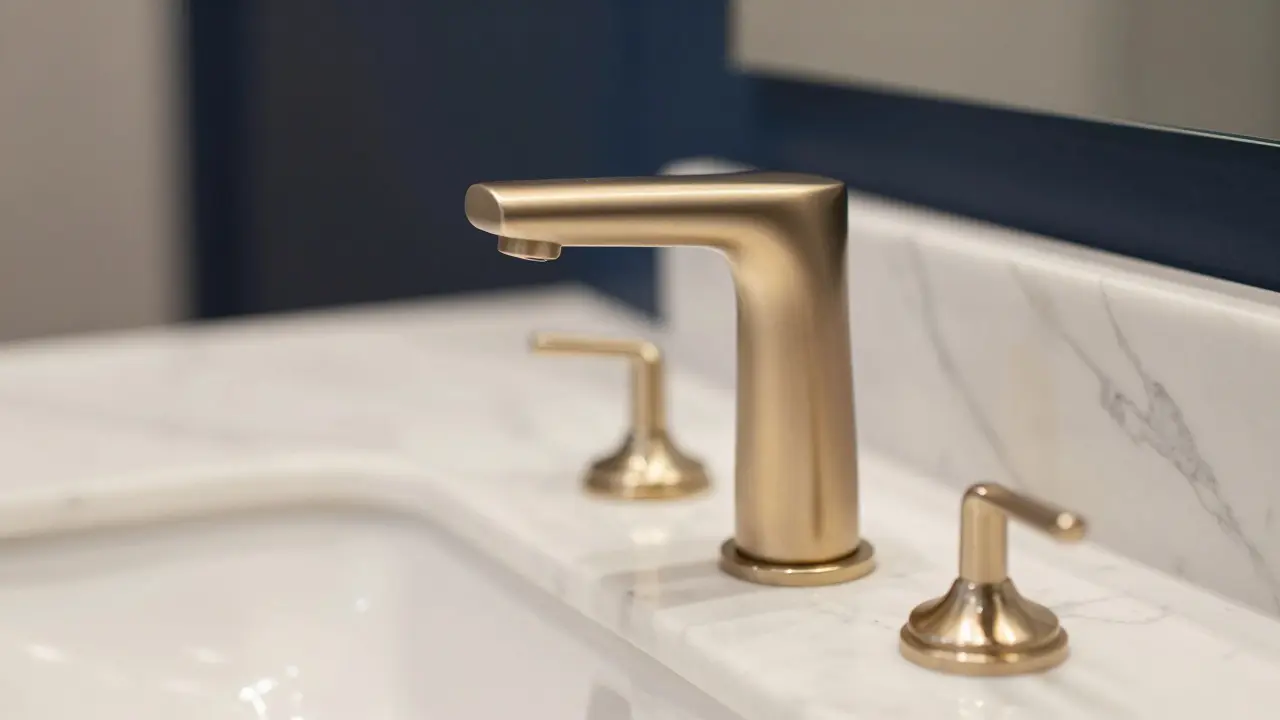
First, consider Brushed Brass. This texture has microscopic horizontal lines. They scatter light softly. This reduces visible smudges compared to mirror-like polished brass. If you have hard water, which leaves spots easily, brushed is the safer bet. It hides mineral deposits better than high-polish options.
Second, there is Satin Gold. Think of it as a middle ground between bright gold and antique bronze. It sits lower on the reflectivity scale. It feels more modern and minimalist. Designers prefer this for contemporary spaces with clean lines.
Third, avoid cheap PVD-coated plated hardware for major installations. Physical Vapor Deposition creates a thin layer of color over another metal. Over five years, wear patterns show through where hands touch frequently. Solid brass costs more upfront but develops a patina that improves with age, whereas plated items peel eventually.
| Finish Type | Durability | Visual Appeal | Cost Tier |
|---|---|---|---|
| Brushed Brass | High | Warm, Texture-rich | Medium-High |
| Polished Chrome | Very High | Cold, Reflective | Low-Medium |
| Satin Nickel | High | Neutral, Grey tone | Medium |
| Antique Gold | Medium | Vintage, Darker | High |
Mixing Metals Without Chaos
A common fear involves committing to gold entirely. Some homeowners worry about a "single-note" look. In 2025 design rules, strict uniformity fell out of favor. The new rule is intentionality. You can mix metals as long as you follow a ratio.
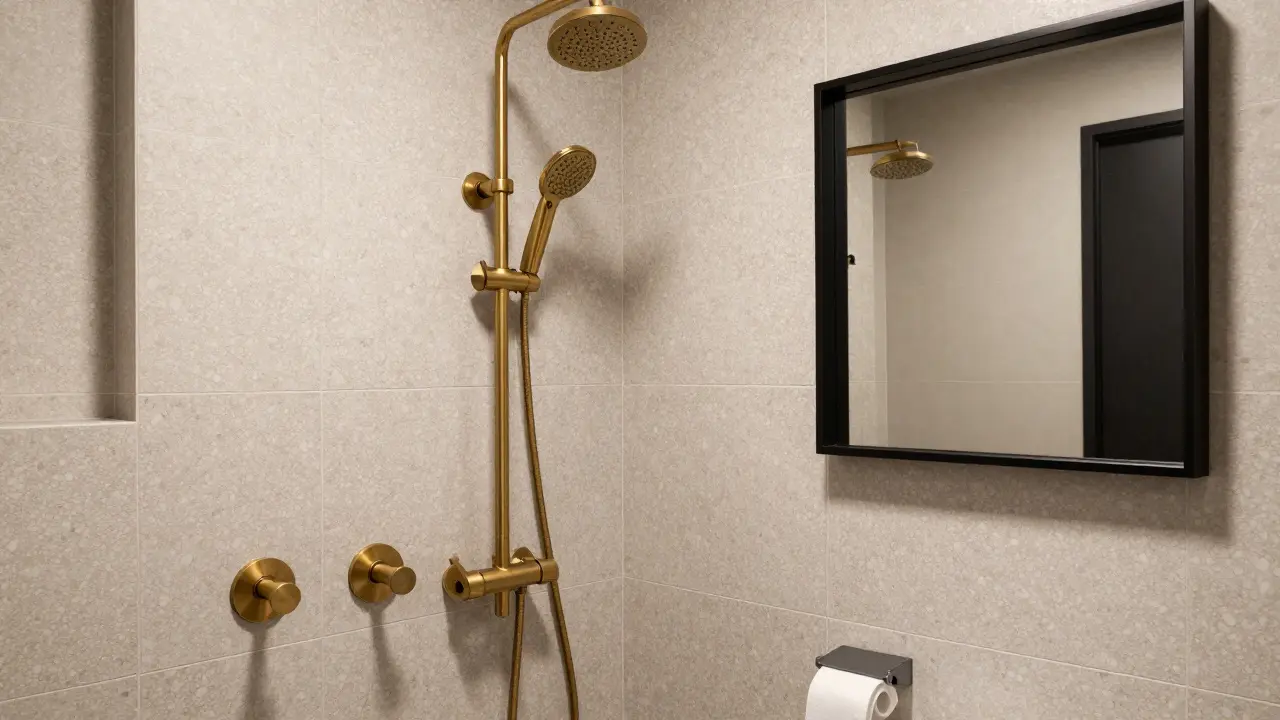
Try the 80/20 approach. Let gold dominate 80 percent of the room. Maybe your faucets, shower trim, and towel bars are all brushed brass. Then, use a contrasting metal for the other 20 percent. Matte black toilet paper holders or a black-framed mirror work well here. The dark contrast anchors the gold, making it pop without overpowering the space.
Another strategy involves layering. If your vanity handles are gold, ensure the lighting fixture matches. Mismatching lighting is a quick way to ruin the vibe. A dimmer switch on a brass chandelier changes the color temperature of the room dramatically compared to harsh fluorescent bulbs.
Color Theory: What Paint Colors Work
The wall color determines whether gold looks rich or tacky. Pairing gold fixtures with cool blues works surprisingly well because blue and orange (yellow's neighbor on the spectrum) are complementary. It creates a sophisticated contrast found often in Mediterranean styles.
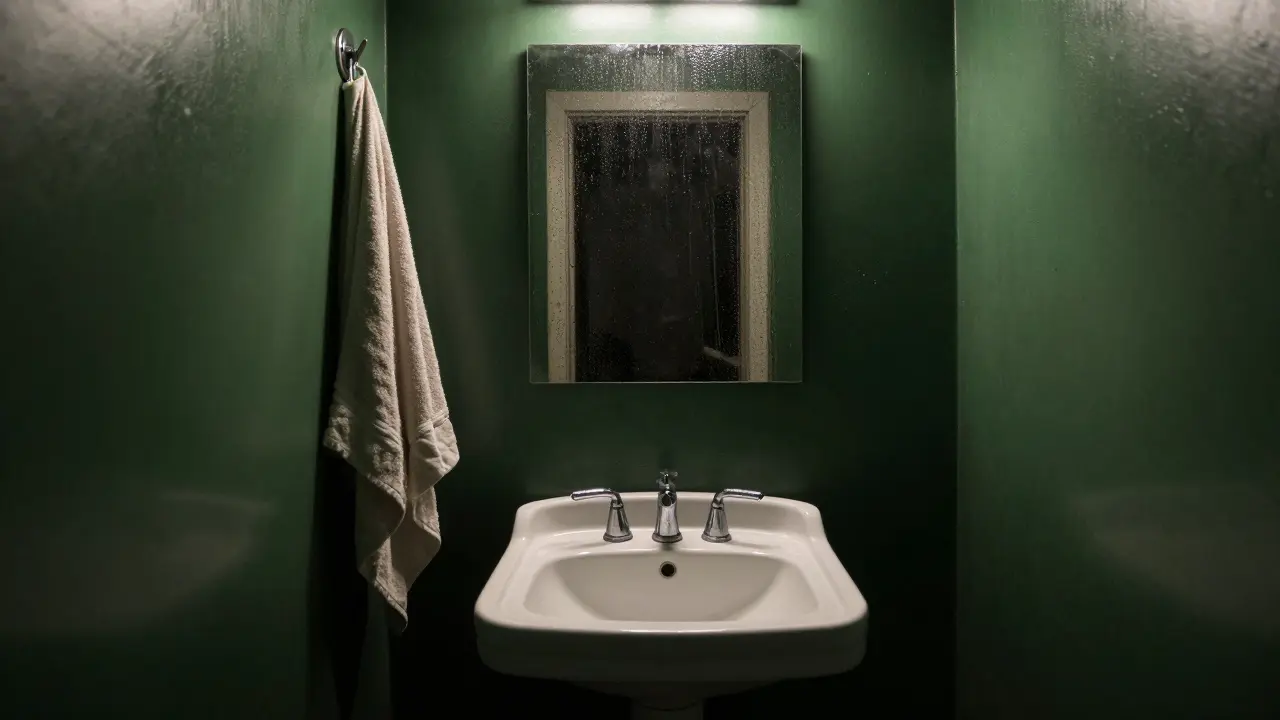
However, green is the safest partner. Sage green or olive walls make gold look natural, almost botanical. It mimics nature where plants (green) grow near minerals (gold). This combination feels grounded rather than expensive. Beige walls can sometimes make gold disappear if the undertones don't match.
If you prefer stark minimalism, try white. Crisp white grout and cabinetry let the gold stand out as an accent feature. Just ensure the white has a hint of warmth; icy whites clash with the metallic warmth of brass.
Lighting Interaction and Shadow Play
Most people overlook how artificial light affects metallic perception. Standard incandescent bulbs (warm white) enhance gold, making it glow. LED lights labeled "cool white" turn gold yellow-green, which looks dirty rather than golden.
When selecting vanity lights, look for Color Rendering Index (CRI) ratings above 90. High CRI lights show colors accurately. This is crucial for makeup application or shaving tasks where skin tone accuracy matters. A 2700 Kelvin bulb is the sweet spot for gold fixtures. Anything higher cools down the finish too much.
Practical Care and Maintenance
Owning a gold-finished bathroom means changing your cleaning habits slightly. Harsh chemical cleaners dissolve the protective lacquer or tarnish the base metal quickly. Avoid bleach-based sprays on exposed brass parts.
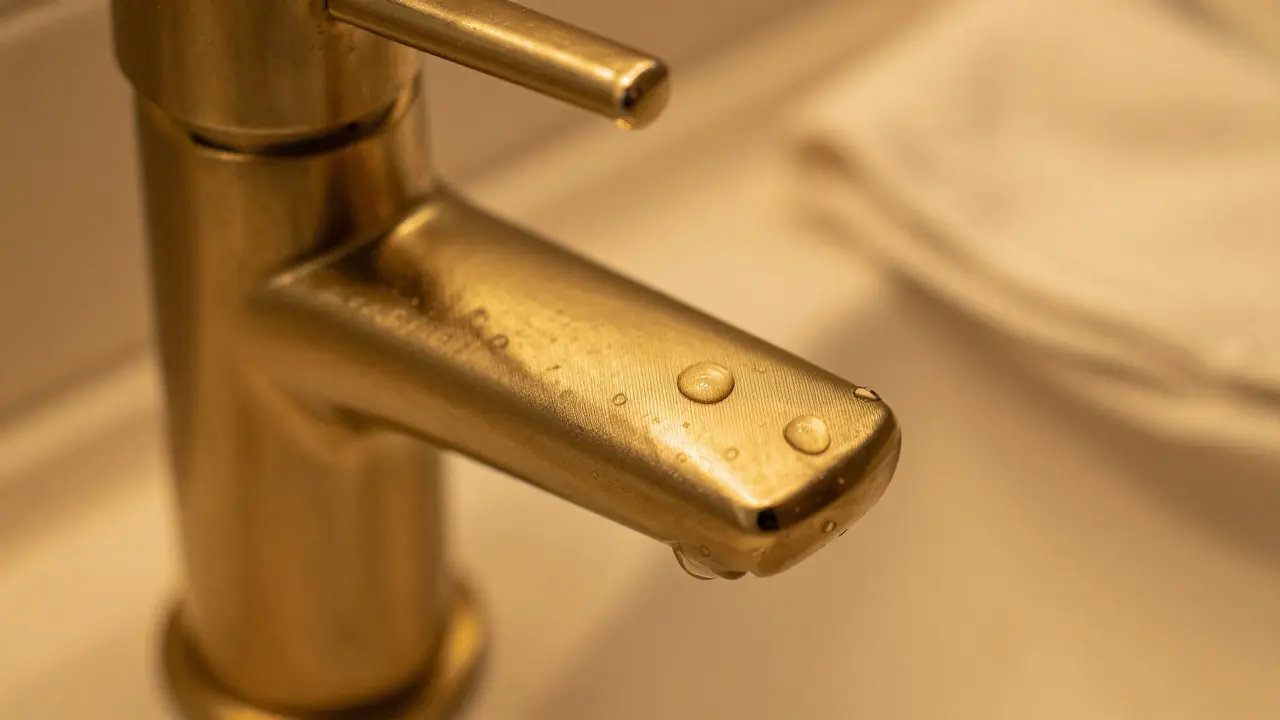
Instead, use mild soap and water for weekly wiping. Microfiber cloths are essential because paper towels leave lint fibers. Drying the surface after cleaning prevents water spots. Hard water areas face bigger challenges. If your home uses well water with high mineral content, regular wiping becomes mandatory to prevent buildup. Unlacquered brass is forgiving with stains; lacquered brass requires gentle handling to avoid scratching the clear coat.
Budget Reality and Resale Value
Pricing varies wildly depending on thickness. Cheap brass-plated sets run $100 to $300 for a full sink kit. High-end solid brass goes up to $1,500. Investing in the mid-range ensures longevity. Real estate agents often note that buyers view updated fixtures as immediate value adders.
In competitive housing markets, a bathroom with trendy updates signals to buyers that the home is cared for. Gold fixtures signal a specific level of luxury. If you sell within two years, the investment pays off. If you plan to stay ten years, prioritize finish quality over fleeting fashion specifics. Brushed brass offers the most timeless look among the warm tones.
Final Verdict for 2026 Renovations
Yes, gold fixtures remain stylish moving forward. The initial surge in 2025 validated them as a standard option, not a risky experiment. They transitioned correctly from novelty to staple. While absolute trends fade, the underlying principle of warm-toned metals in residential spaces persists. You have flexibility now. Choose textures that suit your lifestyle. If you want low maintenance, go for a darker satin finish. If you want statement making, choose a polished look but accept the upkeep.
The decision ultimately rests on how long you intend to live in the home. For flips, stick to neutral metals. For personal enjoyment, pick what brings you joy. Comfort beats rigid style guidelines every time.
Will gold fixtures ever go out of style completely?
Metallic finishes cycle, but warm tones generally stay popular longer than cold ones. Unlike bright pink appliances, gold has historical staying power. However, extremely bright, plastic-looking finishes will age poorly. Opt for authentic metallic bases that develop character over time.
Can I mix gold and silver fixtures in one bathroom?
Yes, mixing works well when done intentionally. Use one metal for plumbing fixtures (faucet/shower) and another for accessories (lighting/rods). Grouping them separately avoids a cluttered look. Transition pieces like marble countertops bridge the gap effectively.
Does gold show water spots more than chrome?
Unlacquered brass tends to hide water spots better than chrome because its surface is textured or less reflective. Highly polished chrome acts like a mirror, making every speck of dust visible. Textured brass blends these imperfections into the finish.
Is gold plumbing code compliant in Canada?
Absolutely. As long as the underlying valve meets CSA standards, the finish does not affect compliance. Ensure any brass used does not exceed lead limits for potable water contact, which reputable manufacturers already manage.
How do I clean brass without damaging it?
Avoid abrasive scrubbers and acidic cleaners. A soft cloth dipped in warm soapy water followed by a dry towel is sufficient for daily cleaning. Deep cleaning once a year with a specialized brass cleaner restores shine if using unlacquered products.

Chris Atkins
March 26, 2026 AT 18:46Honestly i love how warm brass makes the room feel like a spa instead of a sterile lab
Ryan Toporowski
March 28, 2026 AT 06:40That is so true!! 😊 My bathroom looks way better after switching to gold 🛁✨
Madeline VanHorn
March 28, 2026 AT 13:50You people waste money on trends that fade fast
Glenn Celaya
March 30, 2026 AT 06:13its okay but dat trend wont last if you buy cheap stuff most people just buy junk and complain later
Samuel Bennett
March 30, 2026 AT 15:58They are pushing this narrative to hide the fact that chrome plating uses toxic chemicals in manufacturing processes now
Jess Ciro
March 31, 2026 AT 01:47Did you see the news about copper shortages next year that changes everything completely
Rakesh Kumar
April 1, 2026 AT 14:06It is amazing how lighting changes perception entirely.
We often forget that warmth is psychological.
Cold metal feels harsh on tired eyes.
Imagine waking up and seeing soft glow.
It sets a tone for the entire morning routine.
Many designers ignore the emotional impact of fixtures.
Just the visual texture matters most.
A brushed finish catches shadows beautifully.
It hides fingerprints which is crucial.
Nobody wants to clean surfaces every single hour.
Durability comes from quality base materials.
Cheap plating fails within a year easily.
Solid brass ages gracefully with patina.
This investment lasts decades rather than years.
Resale value depends on buyer preference too.
Luxury homes feature these finishes frequently.
Budget options work if chosen wisely.
Ultimately personal joy drives design choices.
Comfort beats rigid style guidelines always.
Tamil selvan
April 2, 2026 AT 04:50Your observation regarding the psychological aspect is indeed quite profound!!! And accurate!! :D
Bill Castanier
April 4, 2026 AT 01:37Trends shift based on cultural comfort levels during economic downturns
Rob D
April 5, 2026 AT 22:04Foreign imports make this cheap plastic look while domestic manufacturers struggle to compete
Chuck Doland
April 7, 2026 AT 02:16The historical precedence of brass usage suggests longevity beyond fleeting fashion statements
Franklin Hooper
April 7, 2026 AT 07:06many do not understand the nuance of metallurgy involved here
saravana kumar
April 8, 2026 AT 08:52boring read but the pictures help visualize the outcome
Wilda Mcgee
April 8, 2026 AT 23:56Mixing textures creates a symphony of light reflections that dance across the tiles
Jen Becker
April 10, 2026 AT 05:21I still prefer silver for clarity