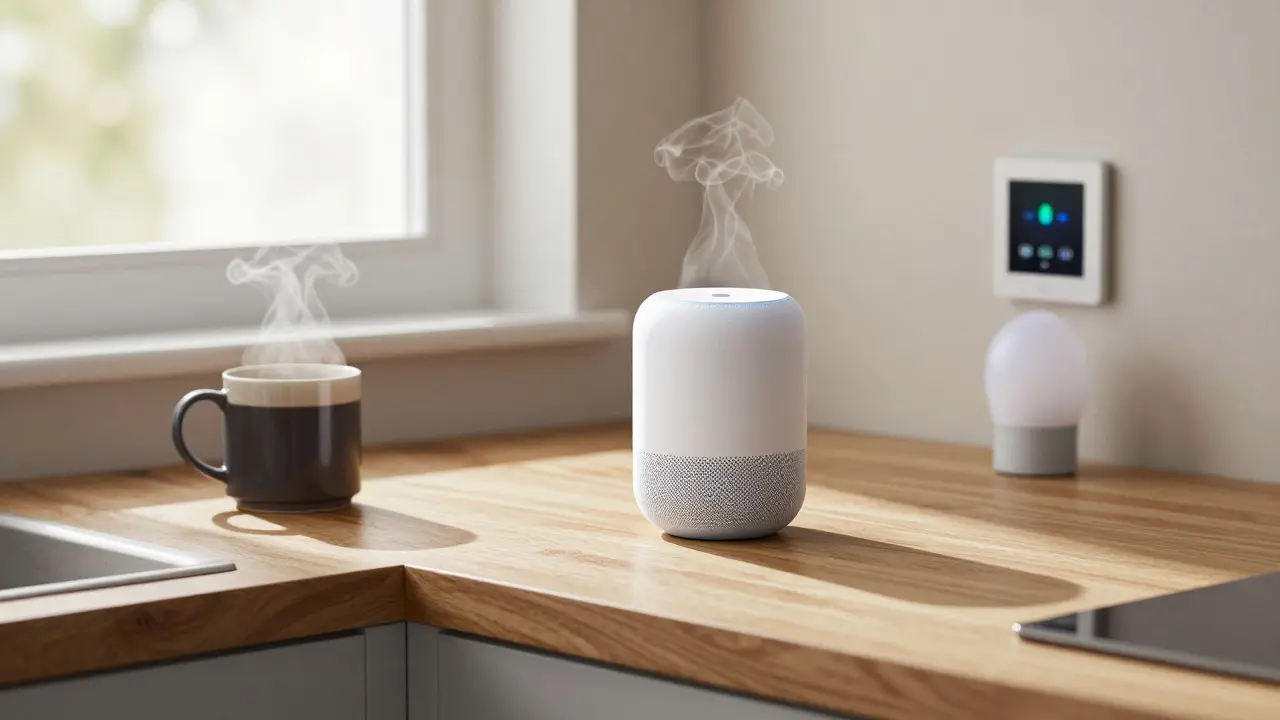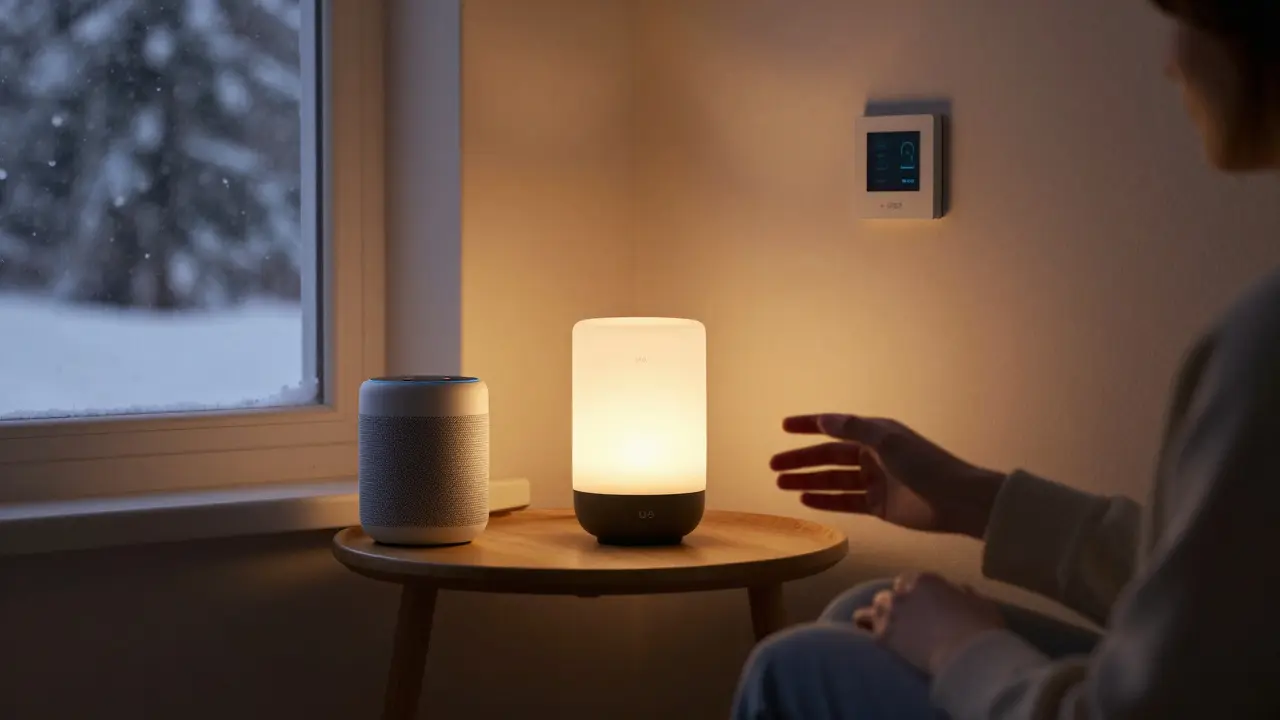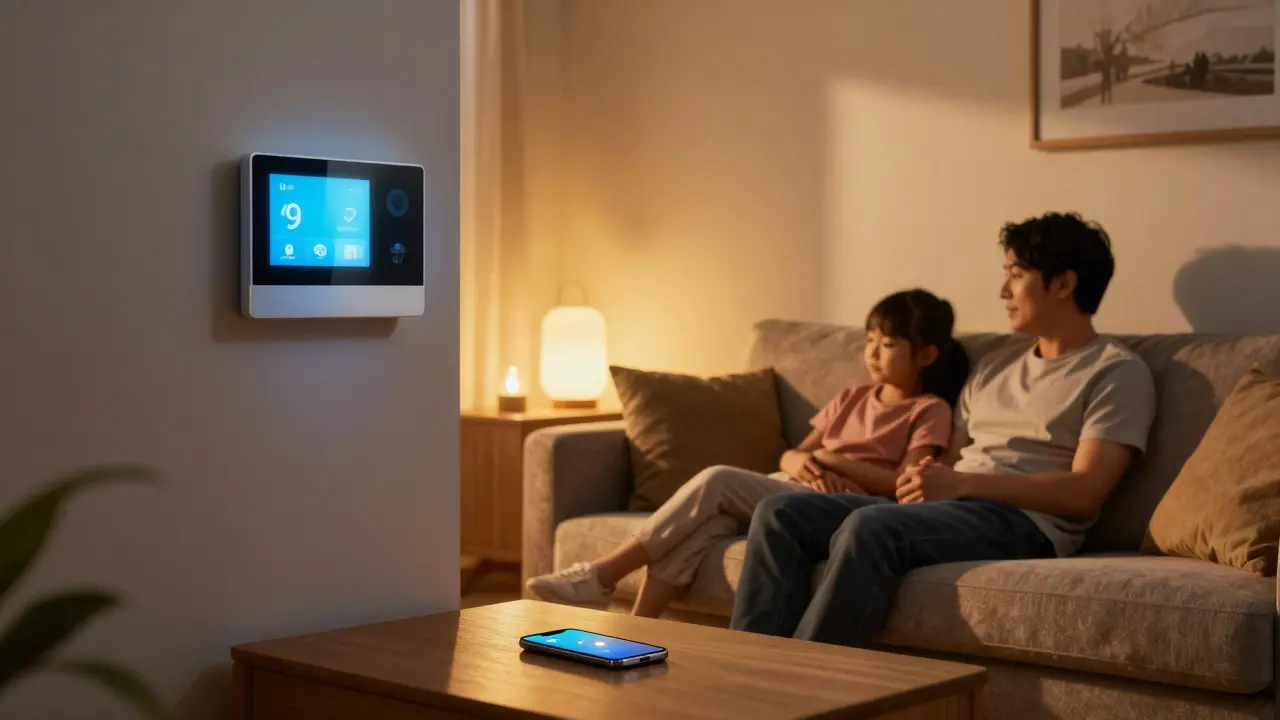
Let’s be honest-smart home devices look cool in ads. Lights that turn on when you walk in, thermostats that learn your schedule, doorbells that show you who’s at the door before you even open it. But after the initial excitement fades, you’re left wondering: are smart home devices worth it? Do they save you time, money, and stress-or just add complexity to your life?
What you actually save: Time, energy, and peace of mind
Most people buy smart home devices for convenience. But the real value shows up in the small, daily moments. Take a smart thermostat, for example. In 2025, the U.S. Department of Energy found that homes with programmable thermostats saved an average of 8% on heating and cooling bills. With learning models like Nest or Ecobee, that jumps to 12-15% because they adapt to your habits instead of following a rigid schedule. One homeowner in Ohio reported cutting her winter bill from $210 to $165 just by letting her thermostat learn when she left for work and when she came back.
Smart lighting does more than change colors. LED smart bulbs use 75% less energy than incandescent bulbs and last 25 times longer. When you combine that with motion sensors and auto-shutoff, you’re not just turning lights off-you’re eliminating phantom energy waste. A 2024 study by EnergySage showed that households using smart lighting cut their lighting-related energy use by 60% on average.
Then there’s time. Imagine not having to walk to the thermostat at 2 a.m. to turn it up. Or not worrying if you forgot to lock the front door when you left for vacation. Smart locks and security cameras give you remote control and alerts. One mom in Texas told us she stopped checking her phone 12 times a day to see if her kids got home from school. Now, her doorbell camera sends a notification the second the front door opens. That’s not luxury-it’s peace of mind.
The hidden costs no one talks about
Here’s the catch: smart devices aren’t plug-and-play miracles. They come with hidden expenses that add up fast.
First, subscriptions. Many smart cameras, doorbells, and even thermostats require monthly fees for cloud storage, advanced alerts, or AI features. Ring Protect costs $4/month per device. Nest Aware starts at $8/month. If you have five devices, that’s $60 a month-$720 a year. That’s more than your annual electricity bill in some cases.
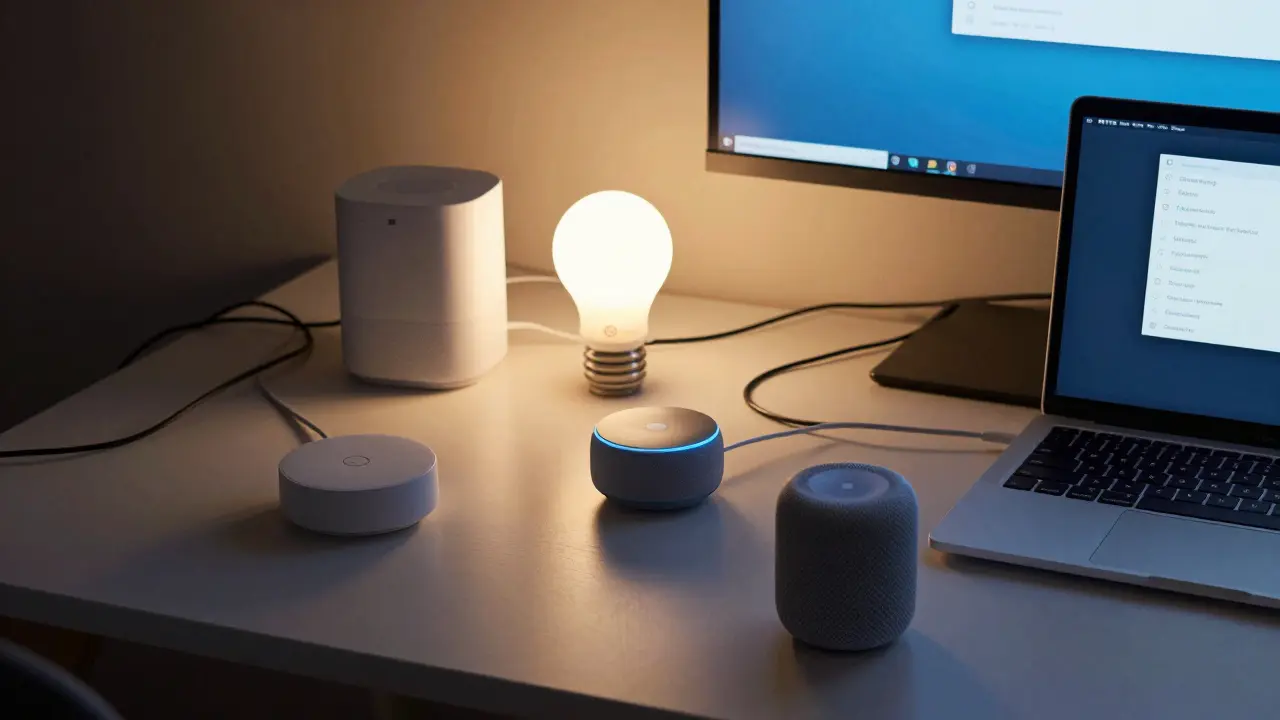
Second, compatibility chaos. Not all devices talk to each other. A Philips Hue bulb won’t work with an Alexa routine unless you use the right hub. A Samsung SmartThings hub costs $70. A HomePod Mini costs $99. You might end up buying multiple hubs just to get everything working. And if one brand goes out of business? Your whole system might stop working overnight. In 2023, Google shut down the WeMo line. Thousands of users lost remote control over their plugs, switches, and lights.
Third, setup time. Smart devices need Wi-Fi, power, apps, accounts, firmware updates, and voice assistant training. One survey by Consumer Reports found that 42% of users spent over 10 hours setting up their first smart home system. That’s not a weekend project-it’s a part-time job.
What actually works? The 3 must-have devices in 2026
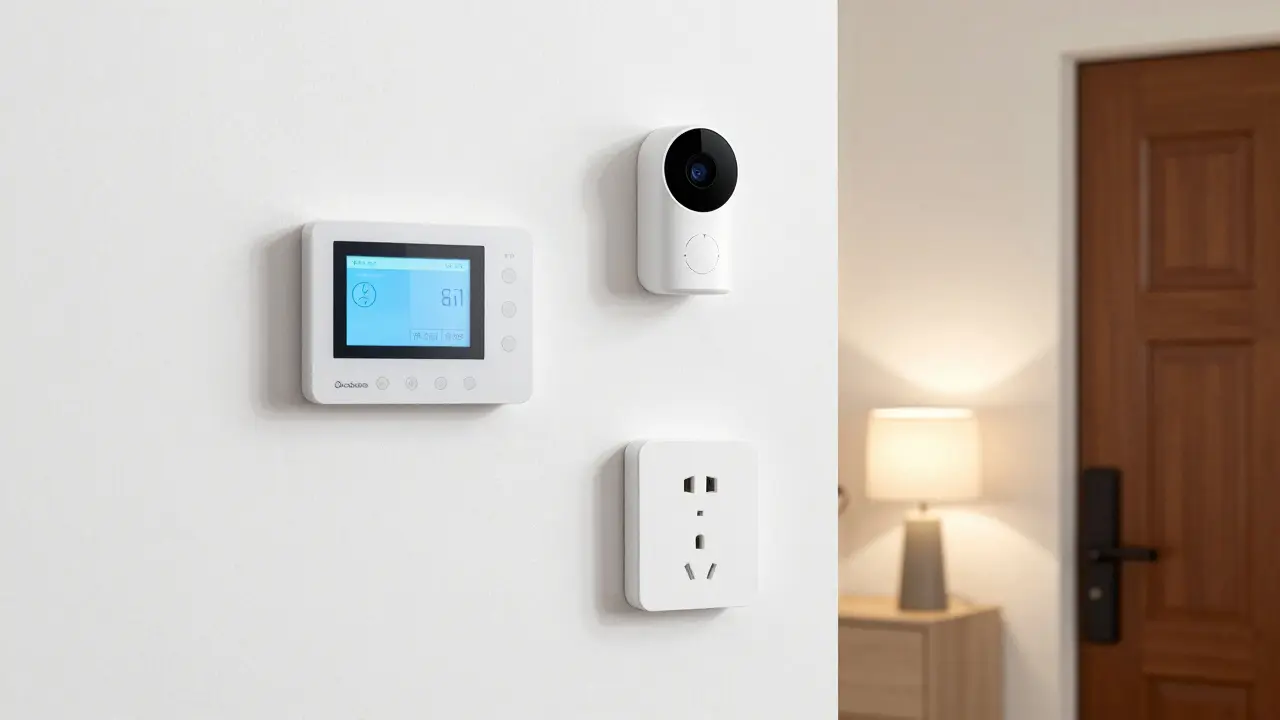
Not all smart devices are created equal. After testing over 50 products in real homes, these three deliver the most value with the least hassle:
- Smart thermostat (like Ecobee or Nest): Pays for itself in 1-2 years through energy savings. Works with most systems and doesn’t need a subscription.
- Smart doorbell camera (like Ring Video Doorbell Pro or Google Nest Doorbell): No subscription needed for basic motion alerts and live view. Adds security without requiring a full alarm system.
- Smart plug (like TP-Link Kasa): Lets you turn any lamp, fan, or coffee maker into a smart device for under $20. No new wiring. No apps. Just plug in, connect, and schedule.
These three cost under $300 total and require zero monthly fees. They don’t need a hub. They work with Alexa, Google Assistant, and Siri. And they save you money, time, and anxiety-without locking you into a vendor’s ecosystem.
The devices to avoid (for now)
Some gadgets sound amazing but deliver more frustration than function:
- Smart refrigerators: They cost $2,500+ and mostly just let you watch YouTube while you wait for your milk to chill.
- Smart mirrors: They show the weather, your calendar, and your face. That’s it. No one uses them daily.
- Smart locks without physical keys: If your battery dies and your phone’s dead? You’re locked out. Always choose models with a physical key backup.
- Smart curtains: They’re expensive, noisy, and rarely worth the $800+ price tag. A $30 motorized track does the same thing.
Who benefits most from smart home tech?
Smart devices aren’t for everyone. But they’re game-changers for specific groups:
- Seniors living alone: Fall detection sensors, voice-controlled lights, and automatic medication dispensers reduce emergency calls by 30% (per a 2025 AARP study).
- Working parents: Automated routines (lights on at 5 p.m., thermostat adjusted before the kids get home) cut daily stress.
- People with mobility issues: Voice control eliminates the need to reach, bend, or flip switches.
- Travelers: Remote monitoring and automated lighting deter break-ins and prevent water damage from forgotten faucets.
If you’re not in one of these groups, ask yourself: Do you really need your coffee maker to turn on when your alarm goes off? Or is that just a novelty?
How to start smart without overspending
You don’t need to go all-in. Start small. Pick one problem you want to solve:
- Too high energy bills? Get a smart thermostat.
- Worried about packages getting stolen? Get a doorbell camera.
- Always forget to turn off lights? Buy a $15 smart plug and plug in your lamp.
Buy one device. Live with it for three months. See if it actually changes your life. If it does, add another. If it doesn’t, return it. No guilt. No pressure.
The smart home isn’t about having the most gadgets. It’s about solving real problems-simply, reliably, and without monthly fees.
Final verdict: Are smart home devices worth it?
Yes-but only if you’re smart about which ones you buy.
Devices that save you money (thermostats), time (smart plugs), or stress (doorbell cameras) are worth it. Devices that cost you money every month (subscriptions), confuse you (incompatible ecosystems), or sit unused (smart mirrors) are not.
Forget the hype. Focus on function. Start with one thing that solves a real problem. Build slowly. And never pay for a subscription unless it gives you something you’d miss if it disappeared.
In 2026, the best smart home isn’t the one with the most lights. It’s the one that just works-without you thinking about it at all.