
When you walk into a modern home, you don’t just flip a switch anymore-you tell the lights to turn on. That’s the reality today. Smart home devices aren’t just gadgets for tech lovers; they’re practical tools saving people time, money, and energy. But who’s actually making these devices? If you’re wondering what companies sell smart home devices, you’re not alone. The market is crowded, but only a few brands deliver real reliability, security, and ease of use.
Amazon: The ecosystem builder
Amazon doesn’t just sell smart home devices-it builds the whole system around them. Its Echo line, powered by Alexa, is the most common voice assistant in North American homes. The Echo Show 15, Echo Dot, and Echo Studio aren’t just speakers; they’re command centers. You can control lights, locks, thermostats, and cameras-all with your voice. Amazon also makes its own smart devices: the Ring doorbell, the Astro robot, and the Blink security cameras. What makes Amazon stand out? Compatibility. If a device says "Works with Alexa," it’ll connect. That’s over 300,000 products from other brands. Amazon’s strength isn’t innovation alone-it’s integration. You don’t need to pick one brand. You just need Alexa.
Google: The AI-powered organizer
Google’s Nest line is built for people who want their home to think for them. The Nest Thermostat learns your schedule and adjusts the temperature automatically. It cuts heating and cooling bills by up to 20% according to Google’s own data. The Nest Cam IQ detects faces and alerts you when someone you know is at the door. Google’s real edge? Its AI. Nest devices use machine learning to predict what you want before you ask. Want your lights to turn on when you walk in? It figures it out. Nest also works with Google Assistant, Android phones, and Chromecast. If you live in a Google-heavy household-using Gmail, Maps, or YouTube-Nest feels like an extension of your phone, not a separate gadget.
Apple: The privacy-first choice
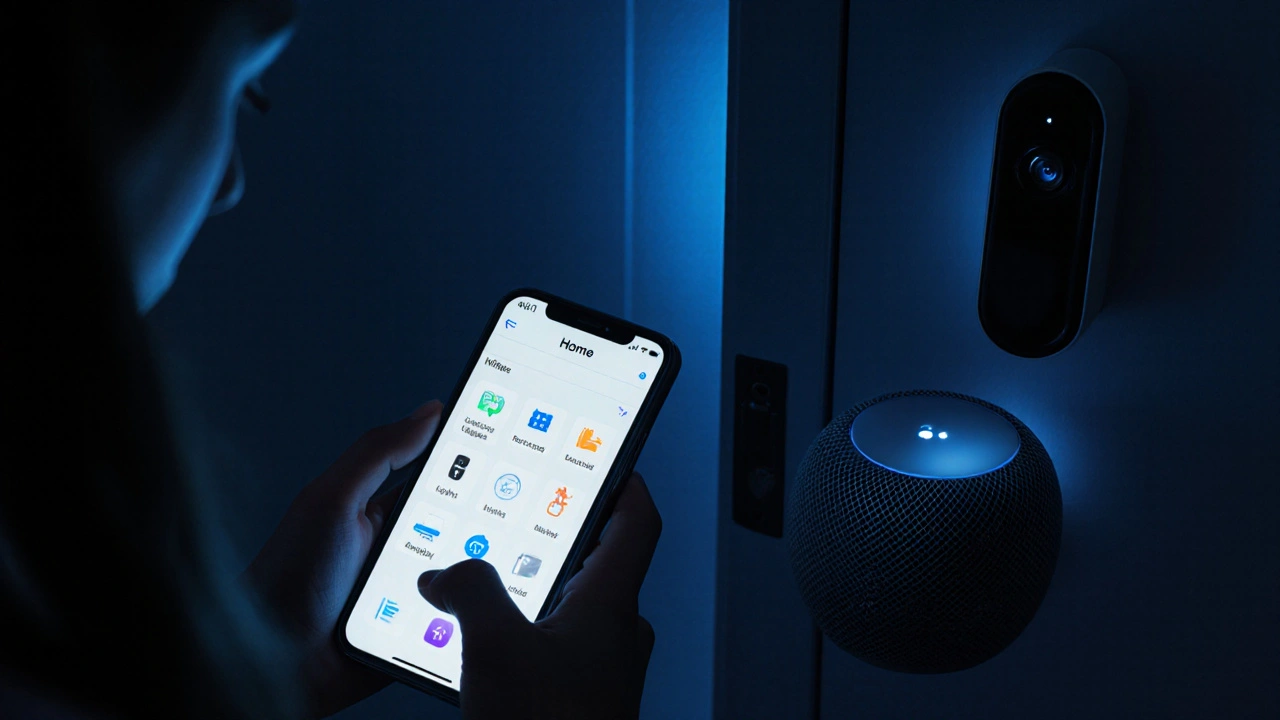
If you care about security and don’t want your home data sold to advertisers, Apple’s HomeKit is your best bet. Apple doesn’t make as many devices as Amazon or Google, but what it does make is tightly controlled. The HomePod Mini, Apple TV 4K, and HomeKit-compatible locks and cameras all use end-to-end encryption. No third party sees your video feeds or voice recordings. Apple’s ecosystem is closed, but that’s the point. You need an iPhone, iPad, or Apple Watch to control everything, but once you’re in, it’s seamless. The Home app lets you group devices-turn on the bedroom lights, close the blinds, and start the coffee maker with one tap. Apple’s smart home devices cost more, but they’re built to last and stay secure for years.
Samsung: The hardware powerhouse
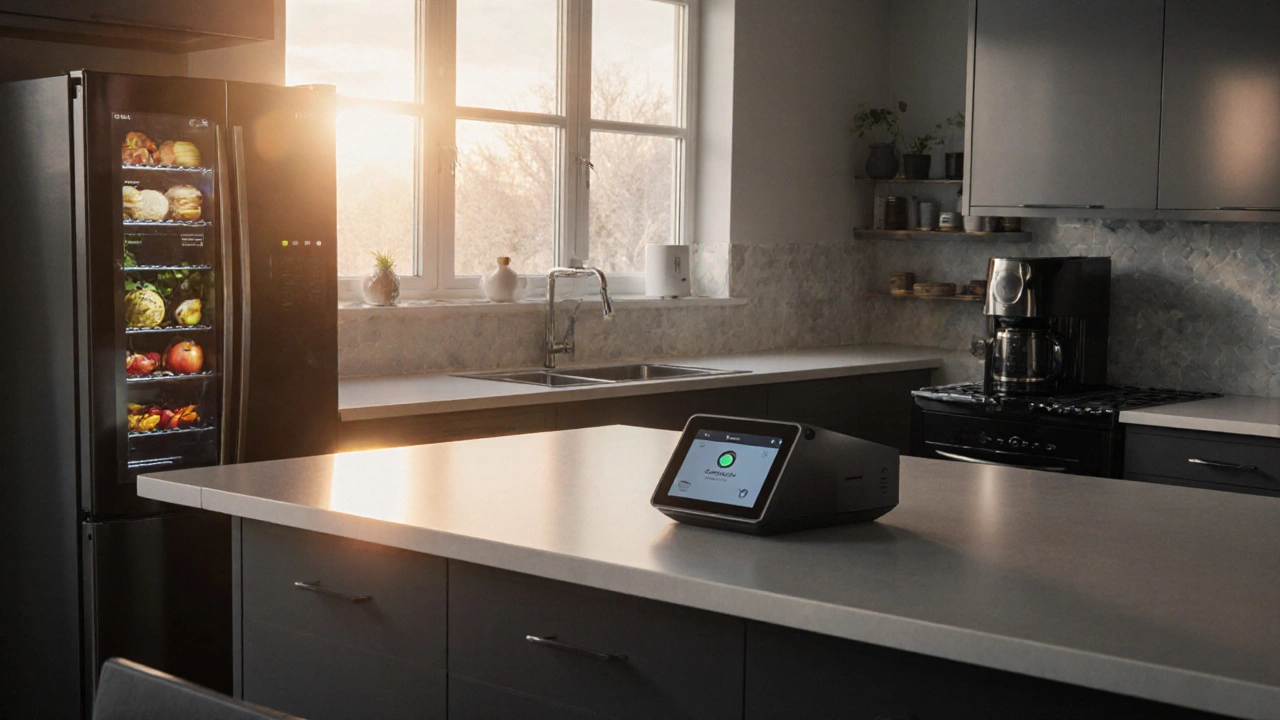
Samsung doesn’t just sell TVs-it sells your entire living room. Its SmartThings platform connects over 20,000 devices from 500 brands. You can control lights, fridges, washing machines, and even air purifiers from one app. The Samsung SmartThings Hub is the brain of the system. It works with Zigbee, Z-Wave, Wi-Fi, and Bluetooth, so you’re not locked into one wireless standard. Samsung’s refrigerators can track food expiration dates. Its washing machines send alerts when the cycle ends. If you already own a Samsung TV, phone, or tablet, SmartThings integrates smoothly. It’s less about voice control and more about automation: turn on the porch light when your car pulls into the driveway, or start the AC before you walk in from the garage.
Ring and Arlo: The security specialists
Security is the most common reason people buy smart home devices. Ring, owned by Amazon, dominates the doorbell market. Its Video Doorbell Pro 2 has a 1536p HD camera, two-way talk, and customizable motion zones. Arlo, on the other hand, is known for wire-free cameras that last months on a single charge. Arlo’s Ultra 2 has color night vision and a siren that scares off intruders. Both brands offer cloud storage, but Arlo gives you more free local storage options. If you’re setting up a security system from scratch, Ring is easier to install. Arlo gives you more flexibility in camera placement. Neither company makes thermostats or lights-but they’re the go-to for cameras and alarms.
Ecobee and Honeywell: The thermostat leaders
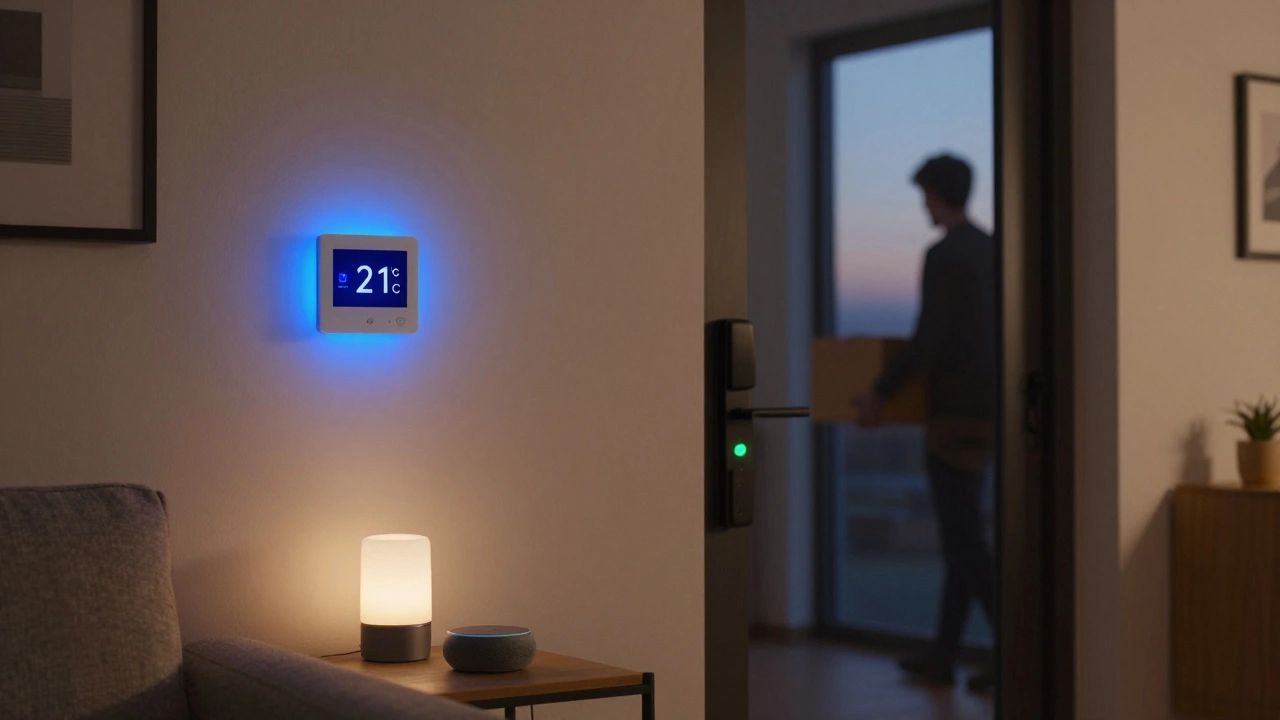
Thermostats are the original smart home device. Ecobee’s SmartThermostat with voice control has room sensors that detect where people are in the house and adjust heat or AC accordingly. It can even turn off the HVAC if you leave for vacation. Honeywell’s Home T9 is more affordable and still learns your schedule. Both connect to Alexa, Google Assistant, and Apple HomeKit. If you’re looking to save on energy bills, these two are the most proven. Ecobee’s sensors give it an edge in larger homes. Honeywell wins for simple setup and budget-friendly pricing.
Other notable players
There are dozens of smaller companies making smart home gear. Lutron makes high-end lighting systems used in luxury homes. Philips Hue is still the gold standard for color-changing LED bulbs. August makes smart locks that work with your existing deadbolt. Yale and Schlage offer keyless entry systems that integrate with Alexa and Google. Even companies like LG and Bosch are adding smart features to their ovens, dishwashers, and dryers. The key? Check for compatibility. A device that only works with one app is a trap. Look for ones labeled "Works with Alexa," "Google Home certified," or "HomeKit compatible." That way, you’re not stuck with a dead gadget in two years.
What to look for before buying
Not every smart device is worth the money. Here’s what to check before you buy:
- Connectivity: Does it use Wi-Fi, Zigbee, Z-Wave, or Bluetooth? Wi-Fi is easiest, but Zigbee and Z-Wave are more reliable for security devices.
- Power: Battery-powered devices are flexible but need charging. Hardwired ones are always on but need an electrician.
- Privacy: Does the company store your data? Can you delete it? Avoid brands that don’t let you control your own video or audio.
- Updates: Does the company still support the model? A device from 2018 that hasn’t had a firmware update in a year is a security risk.
- Integration: Will it work with your phone, voice assistant, or existing system? Don’t buy a lock that only works with Samsung if you use an iPhone.
What’s new in 2025
This year, smart home tech got smarter. Devices now use on-device AI instead of cloud processing. That means faster response times and no data leaving your home. Apple’s HomePod Mini now recognizes up to six voices. Google’s Nest Thermostat can detect if you’re sick and adjust the air quality automatically. Ring’s new Floodlight Cam has built-in radar to track movement through walls. And smart plugs are now energy monitors-they show you exactly how much power your toaster or TV is using. The trend isn’t just more gadgets. It’s fewer, smarter ones that do more with less.
Final thoughts
There’s no single "best" company for smart home devices. Amazon wins for variety. Google wins for learning your habits. Apple wins for privacy. Samsung wins for appliance control. Ring and Arlo win for security. The smartest move isn’t picking one brand-it’s mixing and matching based on what you need. Start with one device-a smart thermostat or a doorbell-and expand from there. Don’t buy everything at once. Let your home evolve. That’s how real smart homes are built.
What’s the most popular smart home device?
Smart speakers and doorbells are the most popular. Amazon Echo and Google Nest Mini lead in speaker sales, while Ring Video Doorbells are the top-selling smart doorbell in North America. These devices are affordable, easy to install, and give immediate value-like seeing who’s at the door or controlling lights with your voice.
Can I mix brands in my smart home?
Yes, and you should. Most smart home devices work with Alexa, Google Assistant, or Apple HomeKit. A Philips Hue bulb can be controlled by an Amazon Echo. A Yale lock can be unlocked with Google Home. The key is choosing a central hub-like Alexa or HomeKit-and making sure new devices say they’re compatible with it. Avoid devices that only work with one brand’s app unless you’re sure you’ll never switch.
Are smart home devices safe from hackers?
They can be, if you choose wisely. Devices from Apple, Google, and Amazon get regular security updates. Avoid no-name brands on Amazon Marketplace-many have weak passwords and no updates. Always enable two-factor authentication, use strong passwords, and turn off remote access if you don’t need it. A 2024 study by the University of Toronto found that 40% of cheap smart cameras had unpatched security flaws. Stick with known brands and update firmware when prompted.
Do I need a hub for smart home devices?
Not always. Many devices connect directly to Wi-Fi and work with your phone or voice assistant. But if you’re using Zigbee or Z-Wave devices-like some sensors, locks, or lights-you’ll need a hub. Samsung SmartThings, Hubitat, and Apple HomePod can act as hubs. A hub gives you more reliability and lets you control devices even if your internet goes down. If you’re starting out, skip the hub. Add one later if you expand beyond Wi-Fi gadgets.
Which smart home devices save the most money?
Smart thermostats save the most. Ecobee and Nest users report 15-25% lower heating and cooling bills. Smart plugs with energy monitoring help you spot energy hogs like old TVs or chargers left on. LED smart bulbs use 75% less energy than incandescent bulbs. Over time, these add up. A 2025 report from Energy Star found that households using three or more smart energy devices saved an average of $140 a year.

Ben De Keersmaecker
December 1, 2025 AT 22:39I’ve had an Echo Dot for three years and still can’t believe how much time it saves. Just saying ‘Alexa, turn off the lights’ before bed? Magic. No more fumbling for switches. And the routine where it dims the lights 10 minutes before my bedtime? That’s the kind of subtle automation that actually improves life.
Also, the fact that Alexa can tell me the weather, play my playlist, and order toilet paper without me lifting a finger? It’s not sci-fi-it’s Tuesday.
Aaron Elliott
December 2, 2025 AT 09:32One must interrogate the ontological implications of commodified domesticity. The smart home, as presently constituted, is not an extension of human agency, but a neoliberal apparatus of surveillance capitalism disguised as convenience. The Nest Thermostat does not 'learn'-it surveils. The Echo does not 'assist'-it monetizes silence.
Are we truly liberated by voice-activated lighting, or merely conditioned to believe that autonomy is a product SKU? The answer, dear interlocutor, lies not in the device, but in the epistemic framework that renders it necessary.
Chris Heffron
December 2, 2025 AT 15:35Love how you mentioned Philips Hue 😊 I got those last year and they totally changed my vibe. Night mode = chill, morning mode = ‘I’m awake now’ 😄
Also, the fact that they sync with my sunrise alarm? Chef’s kiss. Totally worth the price tag. Just make sure you get the bridge, though-don’t skip it!
Adrienne Temple
December 4, 2025 AT 00:18My grandma just got her first smart speaker last month and now she talks to it like it’s a person 😅
She asks Alexa to play her favorite songs from the 50s, tells it to turn on the porch light, and even says ‘thank you’ when it answers. It’s sweet. And honestly? It’s keeping her connected. No more fumbling with remotes or forgetting to turn off the stove.
If you’re thinking of getting something for an older relative, start simple. A speaker or a smart plug. They don’t need all the bells and whistles-just something that makes life easier.
Sandy Dog
December 4, 2025 AT 03:43Okay BUT HAVE YOU SEEN THE NEW RING FLOODLIGHT CAM WITH WALL RADAR??? 😱
I swear, it can tell if someone is walking behind my hedge. Like, literally through the wall. I thought it was broken at first. Then I checked the feed and there’s a guy in a hoodie just… standing there. I screamed. My cat screamed. My neighbor called the cops.
It’s not a camera. It’s a psychic surveillance system. I’m not scared-I’m obsessed. Also, the siren? It sounds like a spaceship alarm. I’ve used it twice. Both times the intruder ran. I’m basically Batman now. 🦇
Also, I bought three. One for the front, one for the back, and one for my dog’s room. He’s weird. He barks at shadows. Now he barks at the radar. Same thing.
Nick Rios
December 4, 2025 AT 22:42I’ve been using a mix of Apple and Google devices for two years now. Started with an Apple HomePod Mini, then added a Nest Thermostat because my wife loves the learning feature.
It works. Not perfectly, but well enough. I used to worry about compatibility, but honestly? If you stick to the big names and check ‘Works with HomeKit’ or ‘Works with Google’, you’re fine.
The real win? No more arguing about the thermostat. It just knows. That’s peace.
Amanda Harkins
December 6, 2025 AT 21:44People act like smart homes are this revolutionary thing. But honestly? The only thing that changed for me is that now I yell at my speaker instead of the light switch.
‘Alexa, turn on the kitchen light.’
‘I didn’t catch that.’
‘I SAID TURN ON THE LIGHT.’
‘Okay.’
It’s not smarter. It’s just louder. And sometimes it’s wrong. Like when it thinks I want to play jazz at 7 a.m. on a Tuesday. No. Just… no.
Jeanie Watson
December 8, 2025 AT 13:51My smart plug died after six months. No updates. No support. Just… gone.
Wasted $25. And that’s the problem. Everyone’s selling gadgets like they’re going out of style. But half of them are disposable. You buy one, it breaks, and you’re stuck with a brick that won’t even turn off.
Stick with brands that actually care. Not the ones with 3-star reviews and 10,000 sales.
Tom Mikota
December 10, 2025 AT 02:25Oh wow. You mentioned ‘Works with Alexa’ like it’s a badge of honor. Let me guess-you also think ‘smart’ means ‘has a Wi-Fi button’?
Here’s a radical idea: maybe the smartest thing you can do is NOT buy a smart thermostat. Just buy a good old programmable one. It costs $50. It works for 15 years. No cloud. No updates. No privacy violations.
And if you really want to save money? Open a window. It’s free. And it doesn’t need a firmware update.
Mark Tipton
December 10, 2025 AT 07:48Let’s talk about the elephant in the room: every single one of these companies is feeding data to the same three ad-tech conglomerates. Amazon? Google? Apple? All of them are just different flavors of the same surveillance model.
Apple’s ‘privacy-first’ claim is a marketing stunt. Their devices still send anonymized telemetry to Apple servers. And if you think your HomeKit data isn’t being correlated with your Apple ID purchases, you’re delusional.
Meanwhile, Google’s Nest? It’s a Trojan horse for Project Maven 2.0. The AI doesn’t learn your schedule-it learns your habits to predict your behavior for targeted ads. And the ‘sick detection’ feature? That’s not health tech. That’s insurance risk profiling.
Don’t be fooled. The smart home isn’t about comfort. It’s about control. And you’re the product.
Adithya M
December 12, 2025 AT 02:18India is catching up fast. Xiaomi and TP-Link are huge here now. Smart bulbs, plugs, and even ACs with Wi-Fi. Most work with Google Assistant. Price? Half of what you pay in the US.
But the problem? No one updates them. I bought a smart bulb last year. No firmware since. Now it’s a paperweight. So yeah, compatibility is good-but longevity? Not so much.
Jessica McGirt
December 12, 2025 AT 05:08Just wanted to say-thank you for mentioning the importance of updates. So many people buy these devices and forget about them. Then they become security holes.
I check my devices every three months. If a brand hasn’t updated in a year? I replace it. Simple. No drama. Just safety.
And if you’re new to this? Start with one thing. A doorbell. Then a thermostat. Then maybe a plug. Don’t go all-in on Day One. Let your home grow with you.
Donald Sullivan
December 13, 2025 AT 21:00Why are we even talking about this? You don’t need a smart home. You need a smart person.
Put a timer on your lights. Buy a $15 motion sensor. Use your phone to turn stuff on/off. Done.
These companies want you to think you need $800 worth of gadgets to be ‘modern.’ You don’t. You just need to stop falling for the hype.
Tina van Schelt
December 14, 2025 AT 02:20I turned my whole house into a cozy, glowing, whisper-quiet sanctuary with smart lights, a Nest Thermostat that knows when I’m stressed (it dims the lights and plays lo-fi), and a Ring doorbell that greets me with a chime when my dog barks at the mailman.
It’s not tech. It’s therapy. I used to come home and feel overwhelmed. Now? I walk in, say ‘Hey, Alexa, unwind,’ and the lights turn amber, the fan hums, and my cat gets a treat from the automated feeder.
It’s not about saving money. It’s about saving your soul. And yeah, I cried the first time it worked. Don’t judge me.
Ben De Keersmaecker
December 16, 2025 AT 00:21That’s actually a great point about the updates. I had a smart plug from a brand I thought was reliable-turned out it got discontinued after a year. My whole automation routine broke.
Now I only buy from companies that have been around for at least five years. If they’re still supporting their 2019 models, I trust them.
Also, I just found out my Echo Dot can be used as a Bluetooth speaker. Who knew? It’s now my bathroom playlist machine. Small wins.