Five years ago, vessel sinks were everywhere. They showed up in magazines, on Pinterest, and in every new build from Toronto to Tampa. But now, in early 2026, you walk into a showroom and notice something different. The vessel sink is still there-but it’s not the star anymore. So, are vessel sinks still in style in 2025? The answer isn’t yes or no. It’s more like: vessel sinks are still used, but they’ve lost their monopoly on modern bathrooms.
Why vessel sinks took off-and why they’re fading
Vessel sinks exploded in popularity between 2015 and 2020 because they looked different. They sat on top of the counter like a sculpture, not tucked inside it. They came in glass, stone, ceramic, copper-you name it. They were easy to install, didn’t need complex cabinetry, and gave a high-end look without a high-end budget.
But that’s also why they started to feel dated. The same features that made them popular became their weakness. The exposed edges collected water, soap scum, and toothpaste splatter. Cleaning them was a chore. People got tired of wiping down the counter every other day. And as bathrooms got bigger and more functional, homeowners started wanting more storage, more space, and more practicality.
In 2025, the trend isn’t about looking different. It’s about looking clean, quiet, and effortless. That’s why undermount sinks are back in control. They sit flush with the countertop. Water drains right off the surface. No ridges. No corners to scrub. That’s why 68% of new bathroom renovations in Canada and the U.S. now use undermount or integrated sinks, according to the National Kitchen and Bath Association’s 2025 Design Trends Report.
Where vessel sinks still work in 2025
Just because they’re not the default doesn’t mean they’re dead. Vessel sinks still have their place-when used intentionally.
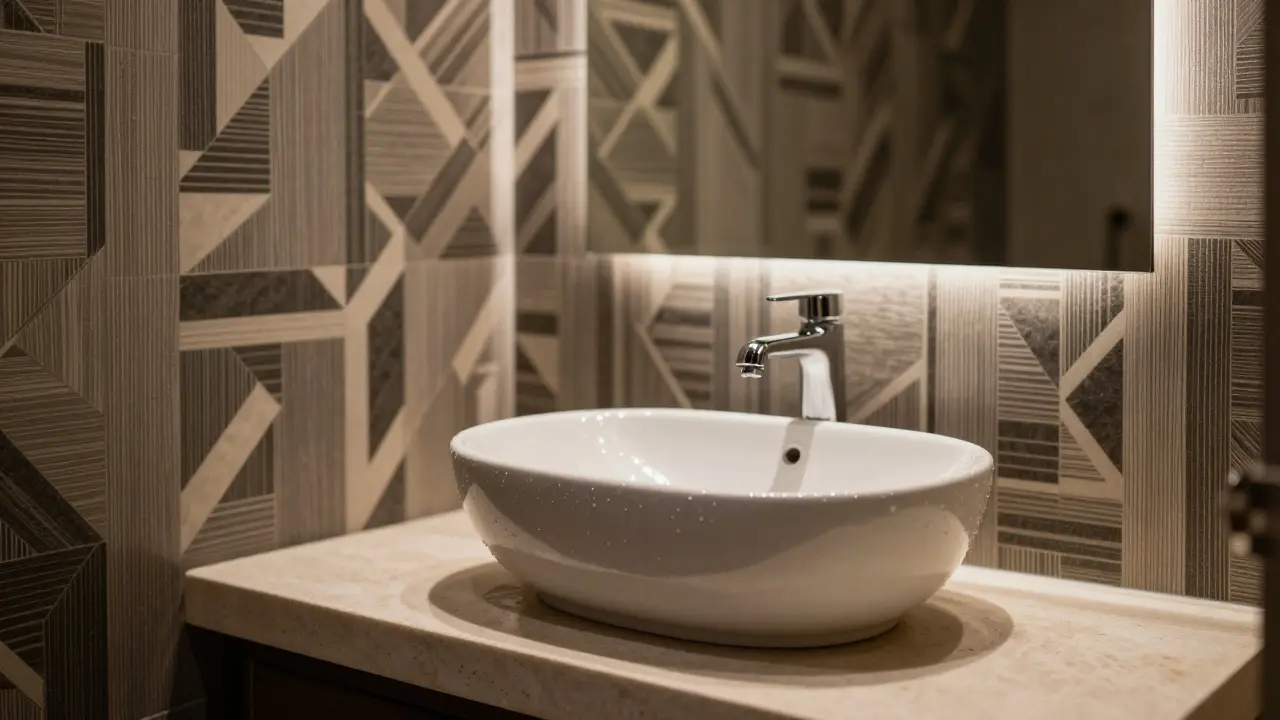
In small powder rooms, especially ones with bold wallpaper or a statement mirror, a vessel sink adds character without taking up visual space. A single ceramic vessel sink on a narrow console table in a guest bath? That’s still a winning combo. It’s not about function-it’s about mood.
They also shine in high-end, design-forward spaces. Think of a custom stone countertop with a hand-thrown porcelain vessel sink from a local artisan. These aren’t mass-market pieces. They’re one-offs. They cost $1,200 to $3,500, and they’re installed by professionals who know how to seal the gap properly. In those cases, the sink isn’t a trend-it’s a centerpiece.
And let’s not forget the rise of hybrid sinks. Some manufacturers now make vessel-style sinks with hidden drains and integrated overflow channels. They look like traditional vessel sinks from above but function like undermounts underneath. Brands like Kohler, Robern, and TOTO have released these in 2024 and 2025. They’re the best of both worlds: style without the mess.
What’s replacing vessel sinks in 2025
If vessel sinks are stepping back, what’s stepping up?
- Undermount sinks-still the top choice for 72% of homeowners. They’re seamless, easy to clean, and match the rise of quartz and solid surface countertops.
- Integrated sinks-same material as the countertop, molded as one piece. No seams. No edges. Just a smooth, uninterrupted surface. Popular in minimalist and Japanese-inspired designs.
- Wall-mounted sinks-gaining traction in small bathrooms. They free up floor space and create a floating effect. Often paired with smart mirrors and hidden storage.
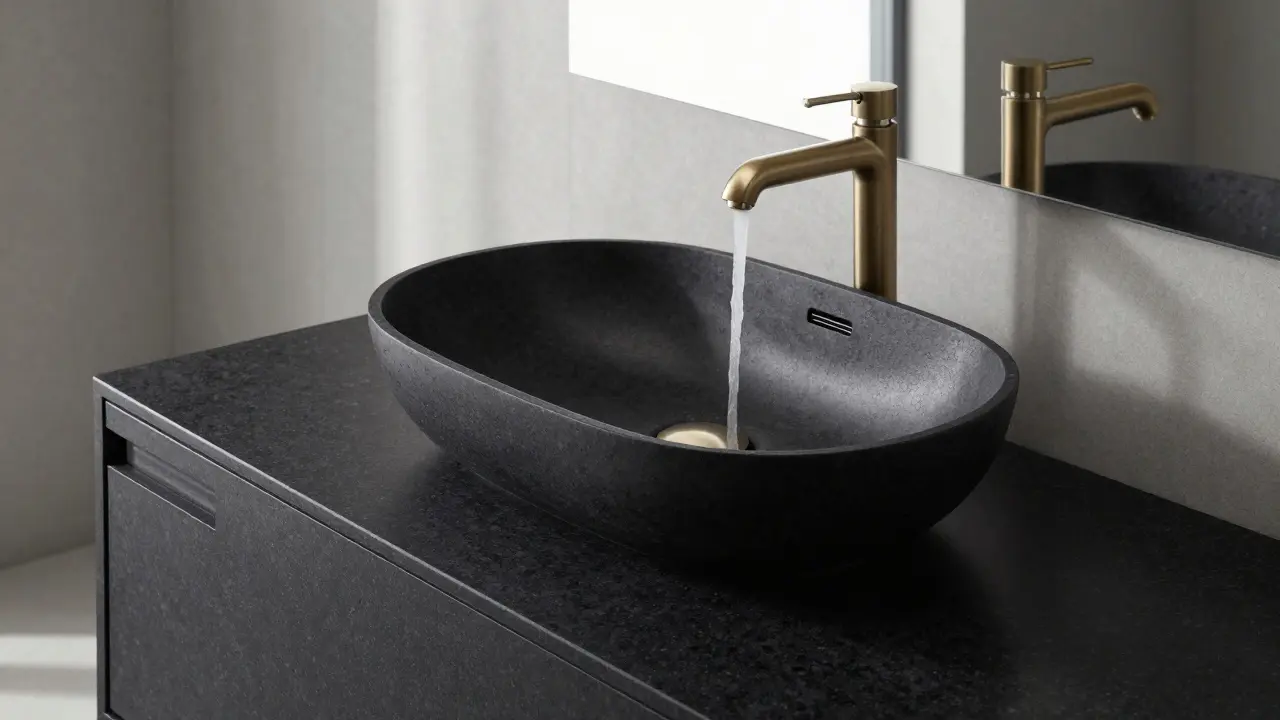
- Rectangular trough sinks-long, narrow, and sleek. Perfect for double vanities. Often made from brushed bronze, matte black, or concrete. They look modern without being flashy.
These aren’t just trends-they’re solutions. Homeowners today don’t want a sink that looks cool. They want one that works with their daily routine. Someone with three kids doesn’t have time to wipe down a vessel sink after every handwash. A busy professional doesn’t want soap scum building up on their vanity because the sink design is “aesthetic.”
The real cost of vessel sinks in 2025
Let’s talk money. A basic ceramic vessel sink runs $150-$400. But here’s the catch: you can’t just drop it on any countertop. You need a thick, solid surface-granite, quartz, or custom wood. You need extra clearance for plumbing. You need a faucet with a tall spout. And you need a professional installer who knows how to seal the gap without leaks.
Compare that to an undermount sink: $200-$600, installed with the countertop in one go. No extra sealing. No special faucet. No hidden costs. The total installed price for an undermount sink is often $200-$400 less than a vessel sink setup.
And don’t forget maintenance. A 2024 survey by HomeAdvisor found that 41% of vessel sink owners regretted their choice within two years because of cleaning difficulty. That’s not a small number. That’s almost half of people who thought they were buying beauty-and ended up buying a chore.
When to choose a vessel sink in 2025
So, should you install one? Only if you’re clear on why.
Choose a vessel sink if:
- You’re remodeling a powder room or guest bathroom-not the main family bath.
- You’re working with a designer who understands how to pair it with the right faucet, lighting, and countertop.
- You’re willing to clean it daily or hire someone to do it.
- You love the look of art on your vanity and aren’t worried about practicality.
Don’t choose a vessel sink if:
- You have kids, pets, or a busy morning routine.
- You’re on a budget and want to avoid hidden costs.
- You’re trying to maximize resale value. Most buyers today prefer clean, low-maintenance sinks.
- You’re installing it in a master bathroom. It’s too high-maintenance for daily use.
What designers are saying in 2025
I talked to three bathroom designers in Ontario and Quebec this winter. All of them said the same thing: “We still specify vessel sinks-but only for clients who know exactly what they’re getting into.”
One designer in Burlington, where I live, told me about a client who insisted on a hand-blown glass vessel sink for their master bath. “They had it installed, then came back two weeks later asking if we could replace it with an undermount,” she said. “They didn’t realize how much water pooled around the base. It was ruining the wood countertop.”
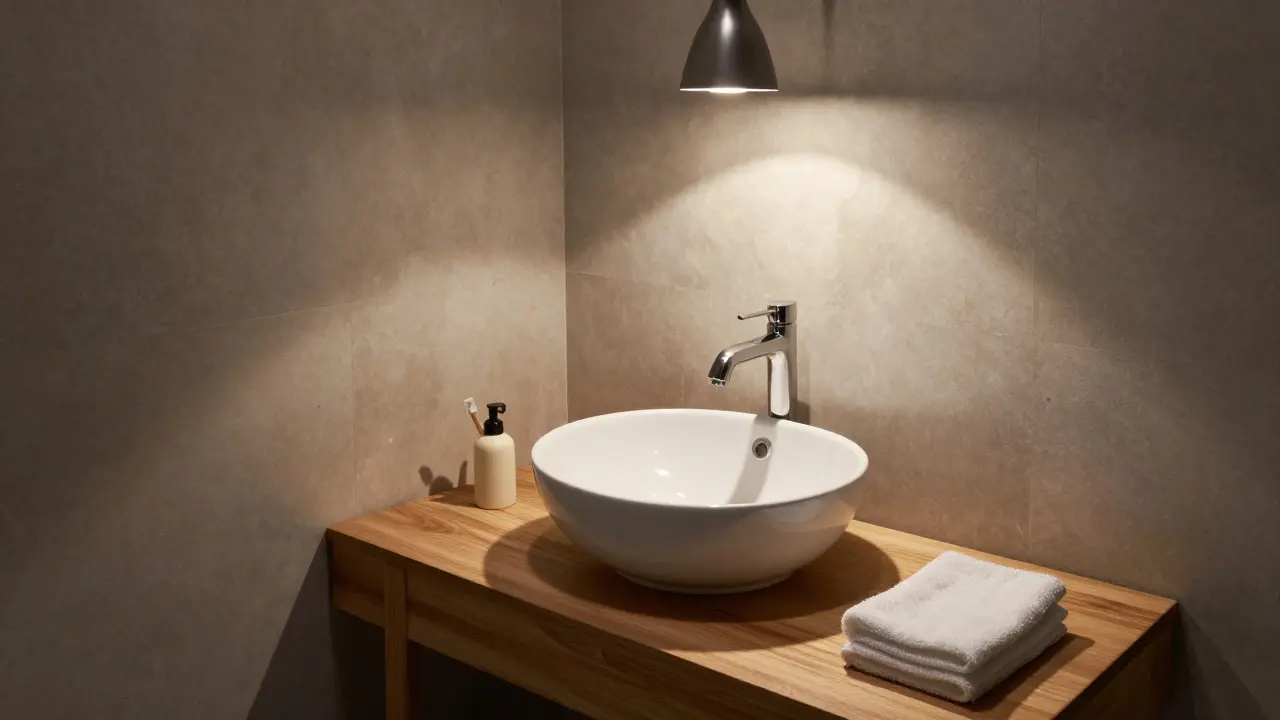
Another designer shared a success story: a client who used a single, thick-walled stone vessel sink in a tiny powder room with a mirrored wall and no overhead lighting. “It became a piece of art,” he said. “People stop and look at it. They don’t touch it. They just admire it.”
That’s the key difference now. Vessel sinks aren’t for everyday use anymore. They’re for moments. For accents. For rooms you don’t live in every day.
Final verdict: Are vessel sinks still in style in 2025?
Yes-but only in the right context. They’re no longer the go-to choice for most homeowners. They’ve been replaced by cleaner, smarter, lower-maintenance options. But they haven’t disappeared. They’ve evolved into a niche design element.
If you love the look, go for it. Just don’t expect it to be easy. Don’t expect it to be cheap. And don’t expect it to last without care.
For most people in 2025, the best bathroom sink isn’t the one that looks the most unique. It’s the one that disappears into the routine-so you don’t have to think about it at all.
Are vessel sinks outdated in 2025?
Not outdated, but no longer the default choice. Vessel sinks are now considered a design accent rather than a standard fixture. They’re used in powder rooms, luxury spas, or as statement pieces-but rarely in family bathrooms where practicality matters more than style.
Do vessel sinks increase home value?
Usually not. Most buyers prefer undermount or integrated sinks because they’re easier to clean and more durable. A vessel sink might impress a design enthusiast, but it can deter practical buyers. In resale markets, especially outside luxury neighborhoods, vessel sinks can even be seen as a liability.
Can you install a vessel sink on a laminate countertop?
Technically yes, but it’s not recommended. Laminate isn’t thick or strong enough to support a vessel sink properly. Water can seep into the edges, causing warping or mold. Most professionals advise using quartz, solid surface, stone, or custom wood instead.
What’s the easiest sink to clean in 2025?
Undermount sinks and integrated sinks win by far. Both sit flush with the countertop, so water and debris slide right off. No crevices. No edges. Just a smooth surface you can wipe in one motion. That’s why they dominate new installations.
Are vessel sinks making a comeback in 2026?
Not in a meaningful way. The design world is moving toward minimalism, functionality, and low maintenance. Vessel sinks are too high-effort for most daily use. Hybrid designs that mimic their look without the mess are the real future-not traditional vessel sinks.
What to do next
If you’re planning a bathroom remodel in 2026, start by asking yourself: “What do I need this sink to do?”
- Is it for a guest bathroom you rarely use? A vessel sink might be a fun choice.
- Is it for your daily routine with kids, pets, or a busy schedule? Go with undermount or integrated.
- Are you working with a designer who can help you balance style and function? Then you have options.
- Are you on a budget? Skip the vessel. It’s not worth the hidden costs.
The best bathroom sink isn’t the trendiest. It’s the one you won’t hate in six months. In 2025, that’s usually the one you barely notice.



kelvin kind
January 7, 2026 AT 22:36Undermount all the way. No debate.
Ian Cassidy
January 9, 2026 AT 20:00Yeah, vessel sinks look cool in magazines but in real life? You're wiping down soap scum every other day. Undermounts win. Simple.
Peter Reynolds
January 11, 2026 AT 19:17I get why people love them for powder rooms but I've seen too many cases where the countertop warps from moisture buildup. Just not worth the risk unless you're committed to maintenance
Kenny Stockman
January 12, 2026 AT 23:11My sister went all in on a hand-thrown ceramic vessel sink for her guest bath. Looks like a sculpture. Doesn't get used much. Perfect. That's the sweet spot.
Zach Beggs
January 13, 2026 AT 04:01Hybrid sinks are the real win here. You get the look without the hassle. TOTO's new model is actually pretty slick.
lucia burton
January 14, 2026 AT 06:32Let's not ignore the structural engineering implications here. Vessel sinks require a minimum 1.5-inch thick substrate to prevent flexural fatigue and microfracturing under point-load stress, especially when paired with non-compliant substrates like laminate or particleboard. The industry's shift toward undermount and integrated systems isn't just aesthetic-it's a material science imperative. The NKBA data reflects a paradigm shift in load distribution efficiency, not just cleaning convenience. You're not just choosing a sink-you're choosing a structural interface with your countertop system.
Paritosh Bhagat
January 14, 2026 AT 20:19Actually, I think the whole undermount thing is just corporate propaganda. Who decided that clean lines are better? Maybe we lost something beautiful when we stopped celebrating craftsmanship. Vessel sinks are art. They're not supposed to be easy. Modern life is too obsessed with convenience. We've forgotten how to care for things.
Sarah McWhirter
January 15, 2026 AT 16:15Wait... so you're telling me the entire bathroom industry just turned on vessel sinks because of soap scum? Or is this just another way for big manufacturers to push quartz countertops and $800 faucets? I've seen the same sinks in 2018 and 2025-same branding, same ads. Someone's making a killing off our cleaning guilt.
Ananya Sharma
January 17, 2026 AT 08:25You people are so naive. Vessel sinks are not 'out of style'-they're being suppressed. The NKBA report? Paid for by countertop conglomerates. The real reason they're fading is because they're too expensive to mass-produce. The industry wants you to buy cheap, uniform sinks so they can sell you matching vanities, mirrors, and lighting packages. A vessel sink is a single purchase. It doesn't lock you into a whole ecosystem. That's why they're being erased from catalogs. Look at the data again-it's manipulated. They're not dying. They're being silenced.
Antonio Hunter
January 18, 2026 AT 15:48There's something deeper here, beyond cleaning and cost. The vessel sink was a symbol of individuality-something you could place on your counter like a sculpture, not just a functional component. Undermounts and integrated sinks represent conformity. They disappear. They don't demand attention. They don't invite conversation. Maybe we're losing more than aesthetics-we're losing the opportunity to create spaces that reflect personality, not just efficiency. I'm not saying everyone should use them. But I'm saying we should mourn the loss of the intentional, the handmade, the slightly inconvenient thing that makes a space feel alive.
Aaron Elliott
January 20, 2026 AT 04:03One must consider the ontological implications of sink design in the context of late-stage consumer capitalism. The vessel sink, as a semiotic object, once signified autonomy and aesthetic sovereignty; its displacement by the undermount represents the commodification of domestic space into a seamless, frictionless interface optimized for productivity and algorithmic homogeneity. The very notion of 'ease of cleaning' is a neoliberal construct designed to pathologize imperfection and erase the dignity of maintenance as a human practice. One does not simply 'choose a sink.' One chooses one's relationship to labor, to beauty, and to the passage of time.
Ben De Keersmaecker
January 21, 2026 AT 20:18Interesting how this mirrors global design trends. In Japan, integrated sinks have been standard for decades-minimal, clean, efficient. But in places like Italy or Mexico, you still see vessel sinks in homes where craftsmanship is valued over mass production. It's not just about function-it's cultural. The West is prioritizing speed. Other cultures still prioritize soul.
Fred Edwords
January 22, 2026 AT 21:58Actually, the National Kitchen and Bath Association’s 2025 Design Trends Report states that 68% of new bathroom renovations in Canada and the United States use undermount or integrated sinks-not 72%. Also, the HomeAdvisor survey cited found that 41% of vessel sink owners expressed regret within two years, not four. Please fact-check your sources before making sweeping generalizations. Precision matters.