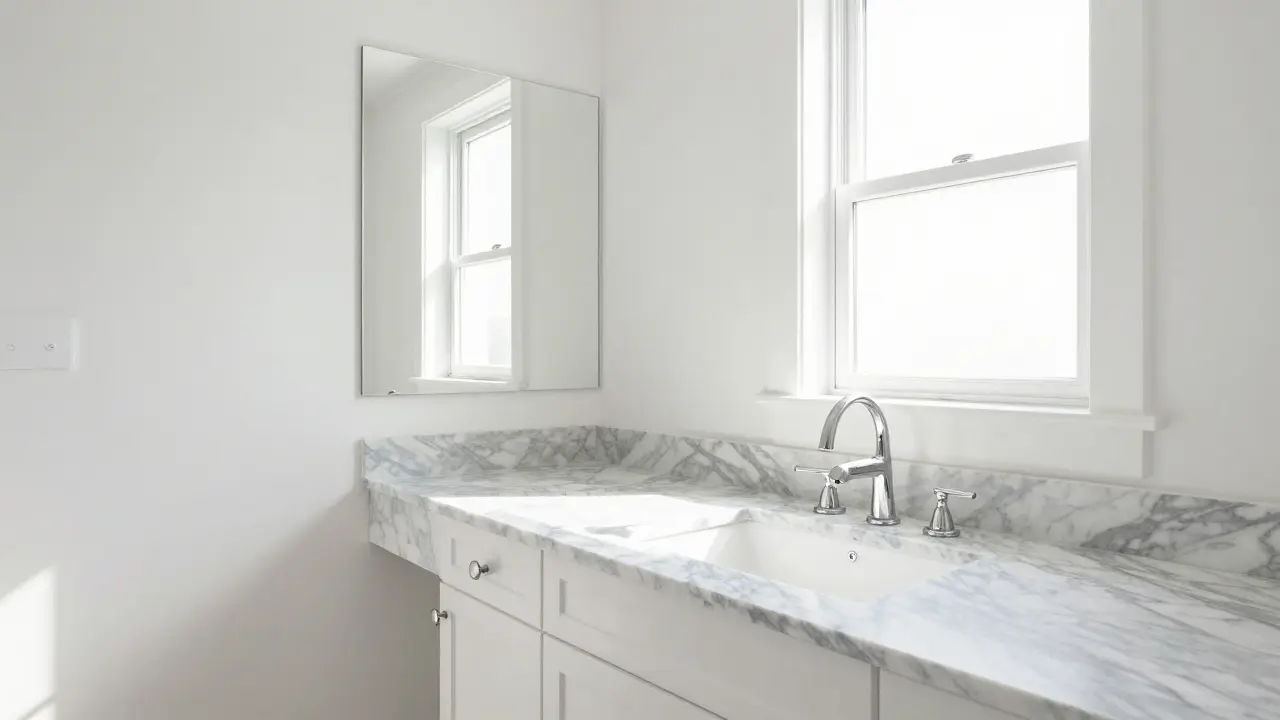
Ever walk into a bathroom and feel like you've just stepped into a sterile hospital wing or, worse, a neon-pink time capsule from the 80s? Most buyers feel the same way. When you're prepping a house for sale, the bathroom is one of the few rooms where the color choice can either act as a silent salesperson or a giant red flag that screams "you'll need to spend $5,000 to fix this." The goal isn't to make the room your favorite color; it's to make the buyer imagine their own toothbrush on the counter without cringing at the walls.
Quick Wins for Maximum Value
- Soft Whites & Off-Whites: The gold standard for cleanliness and brightness.
- Light Greiges: Perfect for a modern, high-end feel without feeling cold.
- Muted Blues & Greens: Great for a "spa-like" vibe that attracts emotional buyers.
- Avoid: Neon colors, dark chocolate browns, or heavy yellows.
The Psychology of the 'Blank Canvas'
Why do neutrals win every time? It comes down to how people shop for homes. Most buyers aren't looking for a finished masterpiece; they're looking for a space they can personalize. When you use a Neutral Color Palette is a range of muted tones like beige, gray, and white that lack strong saturation , you remove a psychological barrier. If a buyer sees a bright purple wall, they don't see a "bold choice"-they see a weekend of hard work and a trip to the hardware store.
Think about it from a lighting perspective. Bathrooms are often small and lack natural light. A dark color absorbs that precious light, making the room feel like a cave. Conversely, light-reflecting colors make a tiny powder room feel like a spacious retreat. In real estate, perceived square footage is literally money in your pocket.
White: The Timeless ROI King
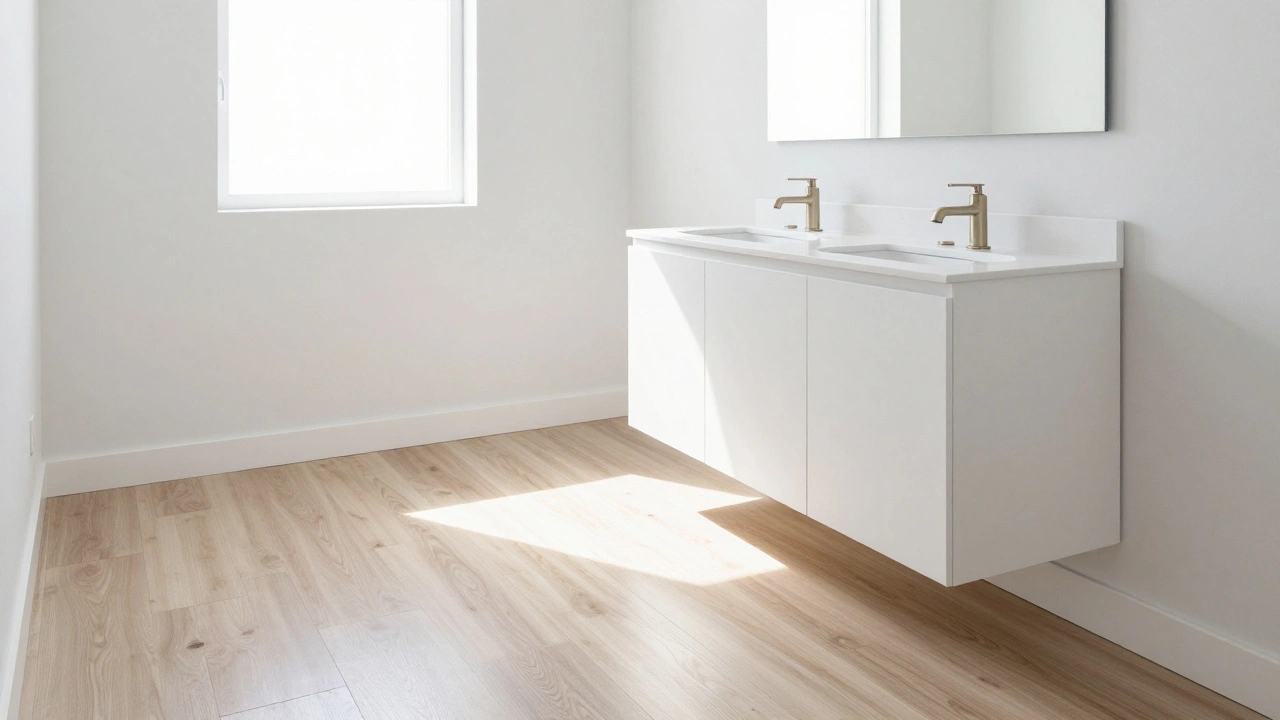
If you're terrified of making a mistake, go with white. But don't just grab any bucket of white paint. A stark, brilliant white can feel clinical and cold, while a creamy white can look dated or yellowed under certain lights.
The secret is finding a "warm white." This balance makes the room feel clean and airy-essential for a space dedicated to hygiene-while still feeling inviting. In a recent analysis of home flips, properties with updated, bright white bathrooms often saw a faster closing time because they look "move-in ready." When you pair white walls with Carrara Marble is a high-quality white and gray veined marble used extensively in luxury bathroom countertops and flooring , you create a visual language of luxury that buyers associate with high property values.
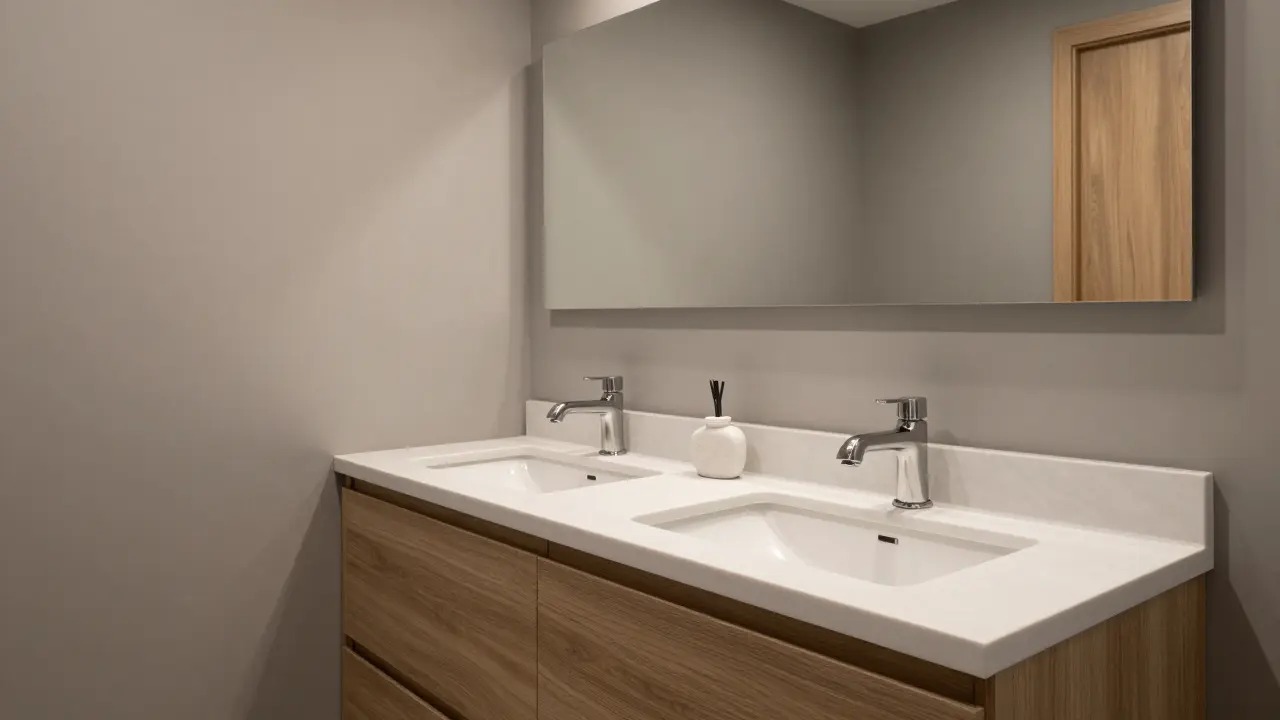
The Rise of 'Greige' and Soft Grays
For a few years, gray was everywhere. Now, it's shifted slightly toward "greige"-a mix of gray and beige. This is the sweet spot for 2026. Pure gray can sometimes feel too industrial or "depressing," but greige adds warmth while maintaining that modern, sophisticated edge.
Greige works exceptionally well because it bridges the gap between different materials. If you have warm wood cabinets and cool stainless steel fixtures, greige acts as the glue that holds the look together. It signals to the buyer that the home is contemporary and updated, which justifies a higher asking price.
| Color Category | Buyer Perception | Impact on Value | Best Use Case |
|---|---|---|---|
| Warm Whites | Clean, Spacious, Fresh | High (Safe) | Small bathrooms, dark rooms |
| Soft Greige | Modern, Sophisticated | High (Trendy) | Primary baths, master suites |
| Sage Green | Calming, Spa-like | Medium (Niche) | Guest baths, nature-heavy lots |
| Deep Navy | Bold, Expensive | Variable | Accent walls only |
| Bright Yellow | Dated, Overwhelming | Low/Negative | Avoid for resale |
Creating a 'Spa Experience' with Muted Tones
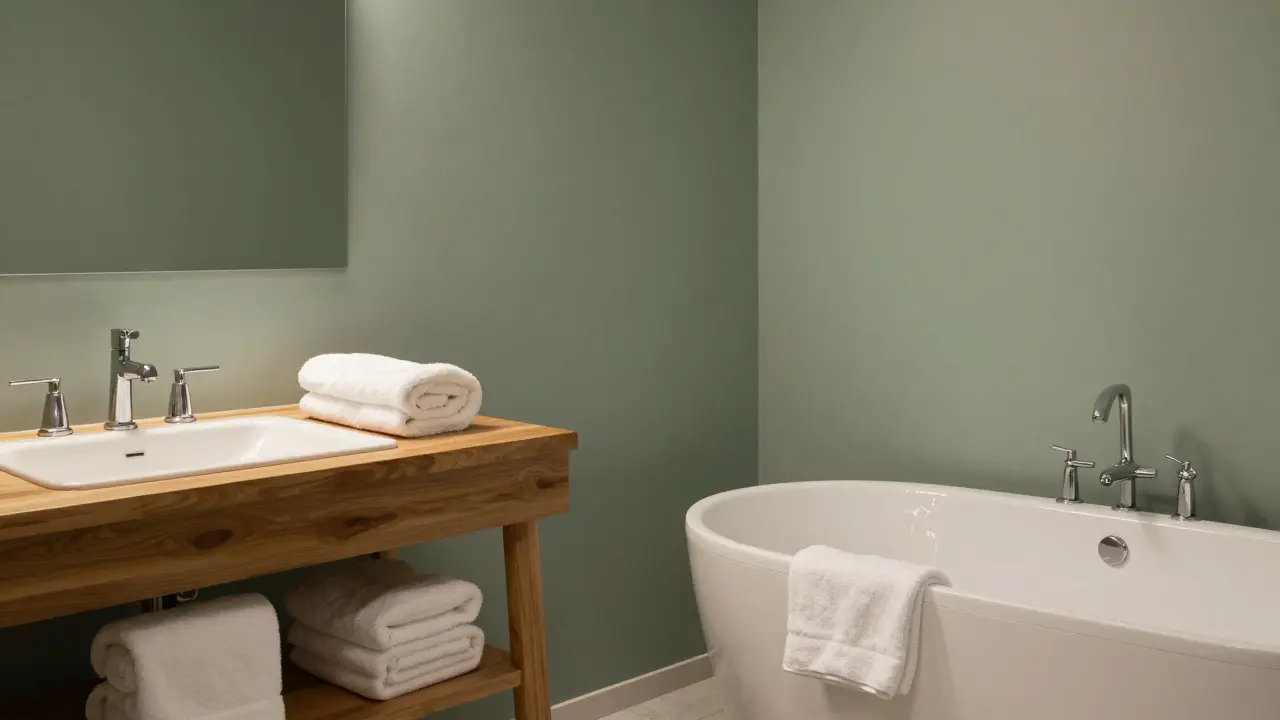
While neutrals are the safest bet, you can actually add value by leaning into the "wellness" trend. Modern buyers aren't just looking for a place to shower; they want a sanctuary. This is where Sage Green is a muted, earthy green hue that evokes nature and tranquility and soft, watery blues come into play.
These colors work because they trigger a relaxation response. Imagine a buyer walking into a primary bath with soft sage walls, white towels, and a wooden vanity. They aren't thinking about the paint cost; they're thinking about how they'll feel soaking in the tub after a long day at work. By selling an emotion rather than just a room, you increase the likelihood of a higher offer.
The trick here is saturation. You want "dusty" or "muted" versions of these colors. Avoid anything that looks like a primary color from a crayon box. If the color looks like it belongs in a high-end hotel in Sedona, you're on the right track.
The Danger Zone: Colors That Kill Value
Not all colors are created equal. There are certain choices that can actually decrease your home's appeal. Dark browns, heavy oranges, or deep reds often make a bathroom feel smaller and oppressive. More importantly, these colors are highly polarising. If a buyer hates the color, they don't just see a need for paint-they wonder what other "weird" choices you made in the plumbing or electrical work.
Avoid high-gloss finishes in bold colors. While a gloss finish is great for moisture resistance, a high-gloss bright blue wall looks like a plastic toy and can feel cheap. Instead, stick to a satin or semi-gloss finish in neutral tones. This gives you the durability needed for a humid environment without the tacky shine.
Coordinating with Fixtures and Lighting
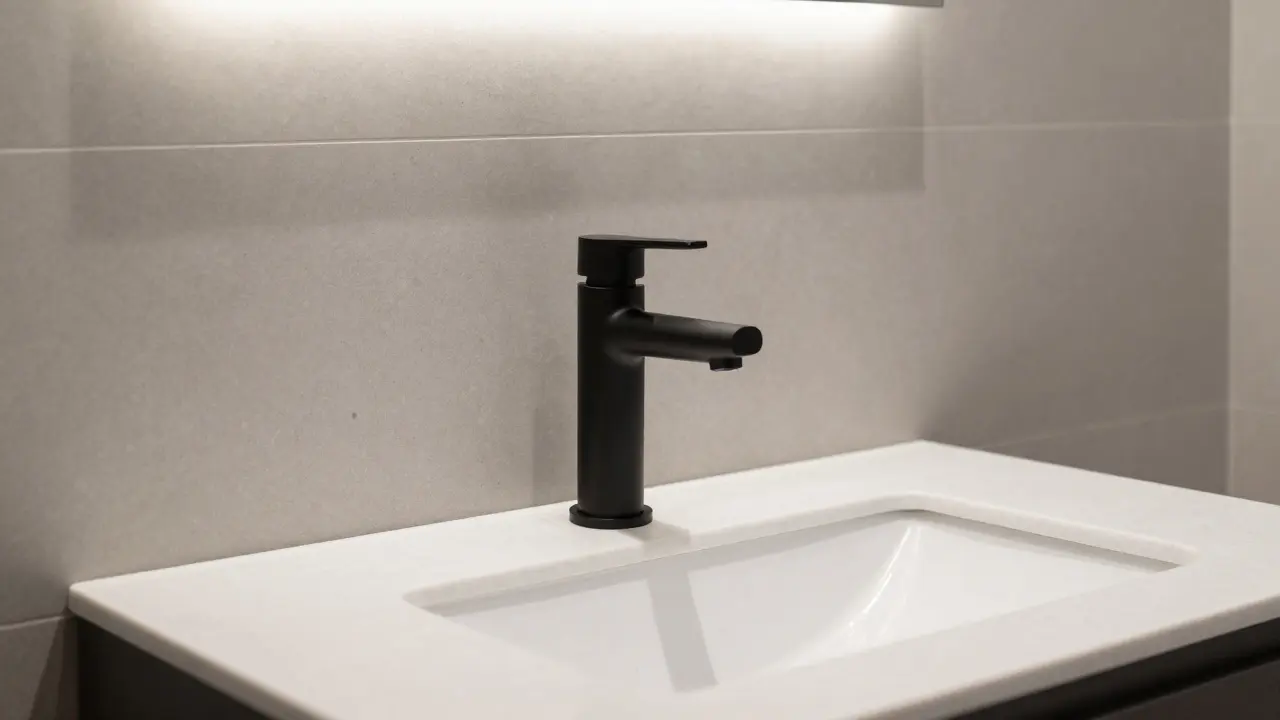
Color doesn't exist in a vacuum. The paint on your walls interacts directly with your Hardware is the functional metal components of a bathroom, including faucets, showerheads, and cabinet pulls . For example, if you've installed matte black fixtures-a huge trend in recent years-a crisp white or a light gray wall creates a sharp, high-contrast look that feels very "designer." If you have brushed gold or brass fixtures, a warmer greige or a soft cream enhances the gold tones and makes the room feel more luxurious.
Don't forget the lighting. LED bulbs come in different "temperatures." A "cool white" bulb can make a greige wall look blue-gray, while a "warm white" bulb can make a white wall look yellow. Before you commit to a full coat of paint, test your samples under the actual lights you'll be using. A color that looks great in the store might look like a swamp in your bathroom at 8 PM.
Can a dark bathroom color ever increase home value?
Yes, but only in specific contexts. A deep navy or charcoal can work as a sophisticated accent wall in a very large primary bathroom with massive windows and plenty of natural light. However, painting an entire small bathroom dark usually shrinks the space and alienates a large percentage of buyers. If you go dark, keep the vanity and flooring very light to balance the weight.
Which color is better for a small powder room: white or a bold color?
Powder rooms are the one exception to the "neutral only" rule. Because they are low-traffic areas and don't spend as much time in them, buyers are often more open to a "jewel box' effect-a bold, moody color like emerald green or deep teal. It can make a small space feel intentional and high-end. Just ensure the lighting is excellent so it doesn't feel like a closet.
Do I need to paint the ceiling a different color?
In 90% of cases, a flat ceiling white is the best choice. It lifts the room and makes the ceiling feel higher. Painting the ceiling the same color as the walls (a monochromatic look) can be a high-end design choice, but it's riskier for resale as it can make the room feel enclosed if not executed perfectly.
How do I choose between warm and cool neutrals?
Look at your flooring and cabinetry. If you have warm-toned woods (like oak or walnut) or beige tiles, go with warm neutrals like cream or greige. If you have cool-toned materials (like gray slate, white marble, or chrome fixtures), cool neutrals like soft grays or crisp whites will look more cohesive.
Will a bold color impact my appraisal?
An appraiser generally looks at the quality of finishes and the overall condition of the home rather than specific paint colors. However, if a color is so extreme that it creates a "deferred maintenance" feel or makes the room look dated, it can negatively impact the buyer's perceived value, which may lead to lower offers.
What to do next
If you're planning a refresh, start by clearing the clutter. No matter what color you paint, a cluttered bathroom looks smaller and cheaper. Once the space is clean, grab three different sample pots: a warm white, a greige, and a muted sage. Paint them on large pieces of poster board and move them around the room at different times of the day. This is the only way to truly see how the light interacts with the pigment.
If you're on a tight budget, don't worry about a full remodel. A fresh coat of neutral paint, new white towels, and updated cabinet hardware (like switching old brass for matte black) can create the illusion of a much more expensive renovation for a fraction of the cost.


mark nine
April 20, 2026 AT 06:52just go with off-white and save your sanity
tried doing a moody navy accent wall once and it just made the room feel like a damp basement during the winter
Michael Thomas
April 21, 2026 AT 11:11American real estate markets demand neutrality. Period. Anything else is just flushing money down the drain.
Frank Piccolo
April 23, 2026 AT 02:58Imagine thinking 'greige' is a revolutionary concept. It's the beige of the cowardly, a bland compromise for people who are too scared to actually have a personality in their own home. Truly the peak of mid-tier suburban mediocrity.
Buddy Faith
April 24, 2026 AT 20:43bet the paint companies are the ones pushing the greige trend just to make us buy more samples lol probably all some big corporate psyop to make every house look identical
Scott Perlman
April 24, 2026 AT 22:25this is a great guide for beginners i think it helps a lot
Sandi Johnson
April 26, 2026 AT 13:24Oh sure, because nothing says "luxury sanctuary" like a room that looks exactly like every other flipped house in the tri-state area. Groundbreaking.
Eva Monhaut
April 28, 2026 AT 00:46The idea of a wellness-inspired sanctuary is such a breath of fresh air. A muted sage could really transform a sterile space into a tranquil haven of serenity, making the whole home feel more organic and grounded.
Karl Fisher
April 28, 2026 AT 06:39While I adore the suggestion of Carrara marble, one must realize that true elegance isn't just about the color of the walls, but the curation of the entire atmosphere. It's simply divine to imagine the tactile experience of a well-appointed bath!
Abert Canada
April 29, 2026 AT 11:13Safe bets are for losers. In Canada we handle the cold with bolder styles, but I guess if you want the quick buck, go white. Just don't come crying when your house has zero soul.
Xavier Lévesque
April 29, 2026 AT 22:59Wow, a list of colors. So helpful. I'm sure the buyers will be absolutely thrilled by your daring choice of off-white.
Ronnie Kaye
May 1, 2026 AT 21:40I'm all for the 'jewel box' vibe in powder rooms! It's the only place you can actually be wild without scaring off the mortgage lenders. Let's get some emerald green in there!
Rakesh Kumar
May 2, 2026 AT 17:05This is absolutely fascinating! I cannot even imagine how much a simple color change could actually swing a house price. It is truly wild how psychology plays into real estate!
Thabo mangena
May 3, 2026 AT 06:50It is truly heartening to see such comprehensive advice provided for those seeking to enhance their living spaces. One must appreciate the meticulous attention to the intersection of aesthetics and market value.
Bill Castanier
May 4, 2026 AT 23:06Very practical tips. Testing samples is key.
Tony Smith
May 5, 2026 AT 03:38I am simply delighted that you've considered the 'wellness' trend. It is truly an honor to suggest that those who ignore these nuances are merely inviting financial disaster upon themselves in the most sophisticated way possible.