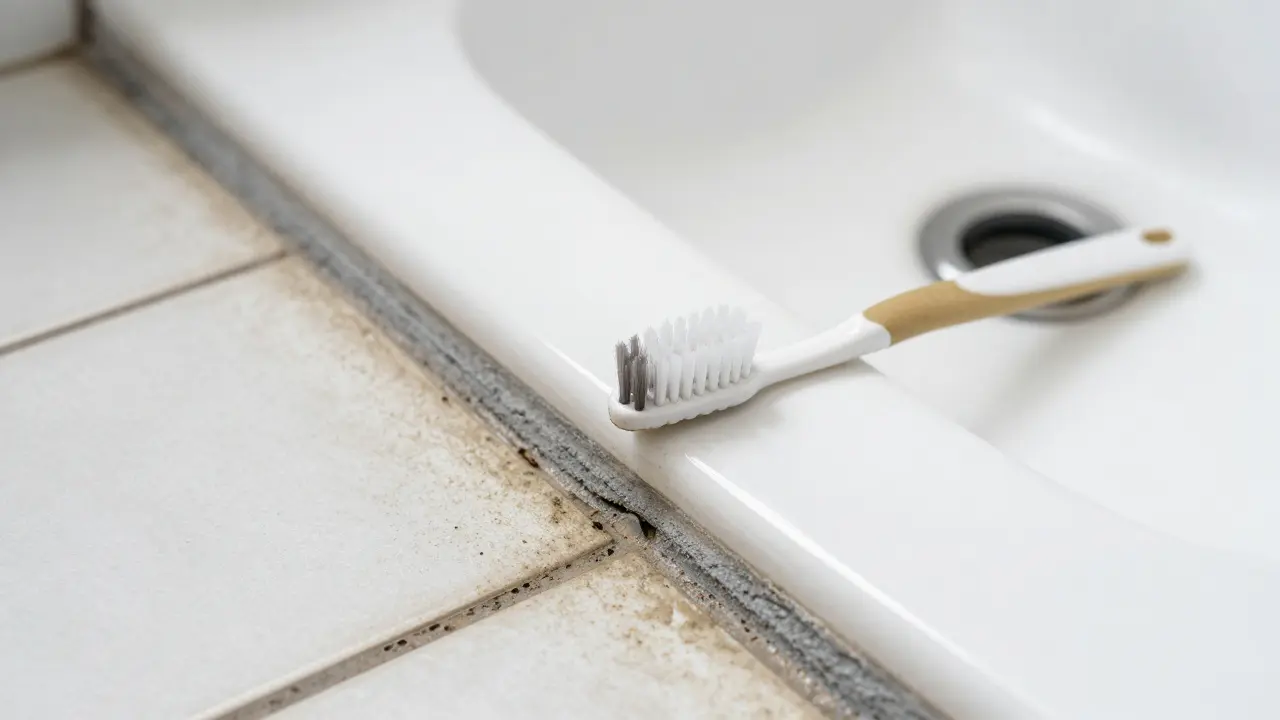
Before we get into the weeds, let's clear something up: truly "groutless" tile doesn't exist in the way a single piece of poured concrete does. When people talk about groutless tile, they are usually referring to a few specific techniques: using massive slabs of porcelain, installing seamless luxury vinyl, or using specialized adhesives and tight joints to make the gaps practically invisible. The goal is the same-getting rid of those porous lines that soak up soap scum and mildew.
The Quick Verdict
- Best for: People who hate cleaning, those with chronic allergies to mold, and high-end modern designs.
- Worst for: Budget-conscious renovators and those who love the traditional "grid" look.
- Main Trade-off: You swap cheap materials and easy installation for expensive slabs and a need for a perfectly level subfloor.
What Exactly Is Groutless Tile?
To understand if this is a good move, we need to define the players. In a standard install, you have tiles and grout, which is a cement-based filler. In a groutless approach, we shift the focus to materials that minimize or eliminate these joints.
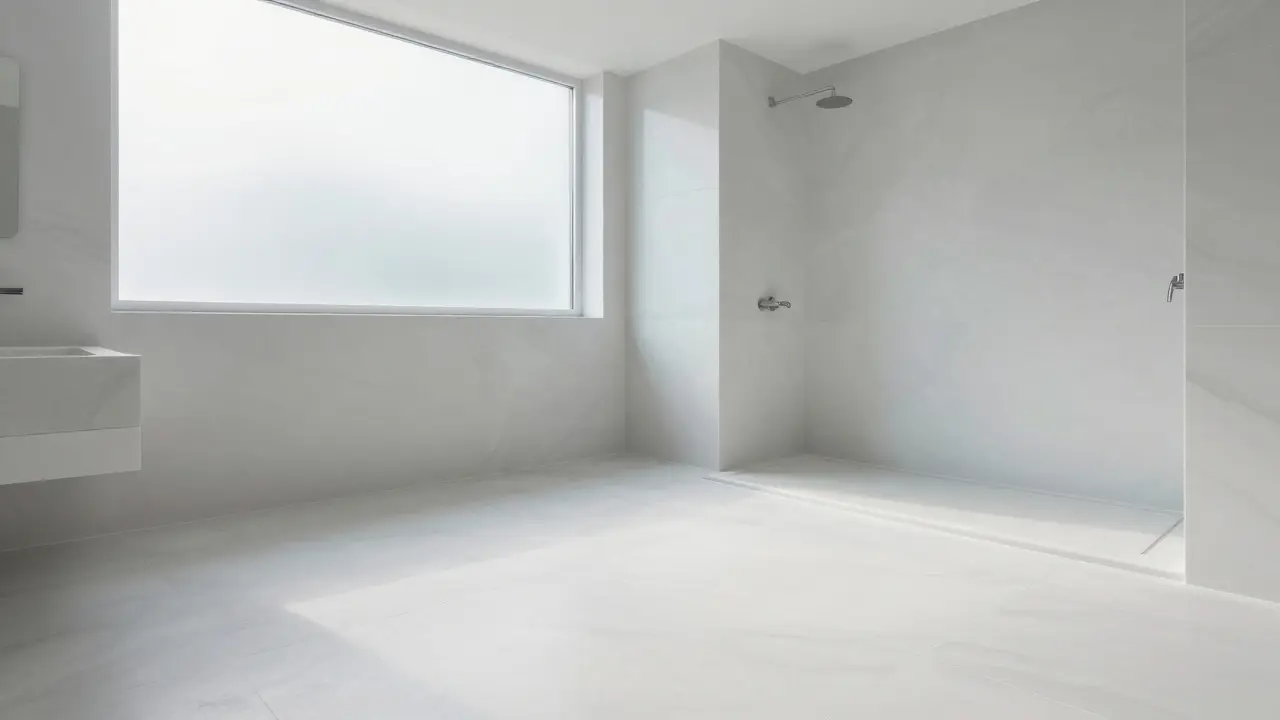
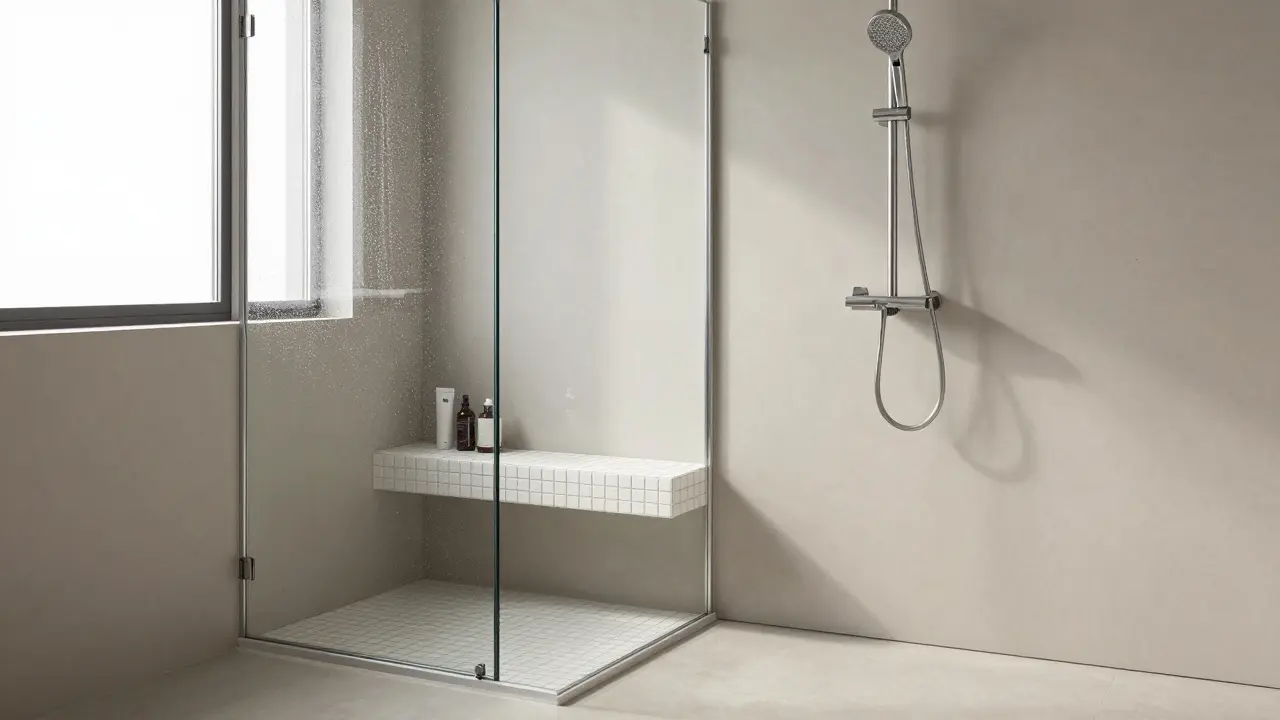
Large Format Porcelain Slabs is a high-performance ceramic material produced in massive sheets, often up to 10 feet long, which allows a shower or floor to be covered with very few seams. Because these slabs are so big, you might only have one or two joins in an entire room, compared to hundreds in a standard 12x12 tile layout. This effectively removes the "grout problem" from the equation.
Then there are the alternatives. Luxury Vinyl Tile (LVT is a synthetic flooring option that clicks together using a locking system, requiring no grout at all. While not a "tile" in the mineral sense, it mimics the look of stone or marble perfectly without the maintenance headache.
Finally, some pros use Epoxy Resin, which is a polymer-based adhesive that can be used to create a seamless, waterproof surface that looks like polished concrete or marble.
The Real Pros: Why You’d Actually Want This
The biggest win here is hygiene. Traditional grout is porous. This means it acts like a sponge for water, bacteria, and skin cells. In a shower, this is where pink mold (Serratia marcescens) loves to live. By removing the grout, you remove the habitat. You're left with a non-porous surface that you can wipe down with a spray bottle and a cloth in thirty seconds.
Beyond the cleaning, there's the visual impact. Small tiles create a "busy" look. If you have a small bathroom, a grid of 2-inch tiles can make the room feel like a claustrophobic cage. Large slabs create a continuous flow. It tricks the eye into thinking the space is much larger than it actually is because there are no lines to stop the gaze.
Waterproofing also gets a massive boost. Most bathroom leaks don't happen through the tile itself-they happen through the grout lines. When grout cracks (and it always does eventually), water seeps into the substrate, rotting the plywood or damaging the ceiling below. A seamless system drastically reduces these failure points.
The Catch: Where Things Get Tricky
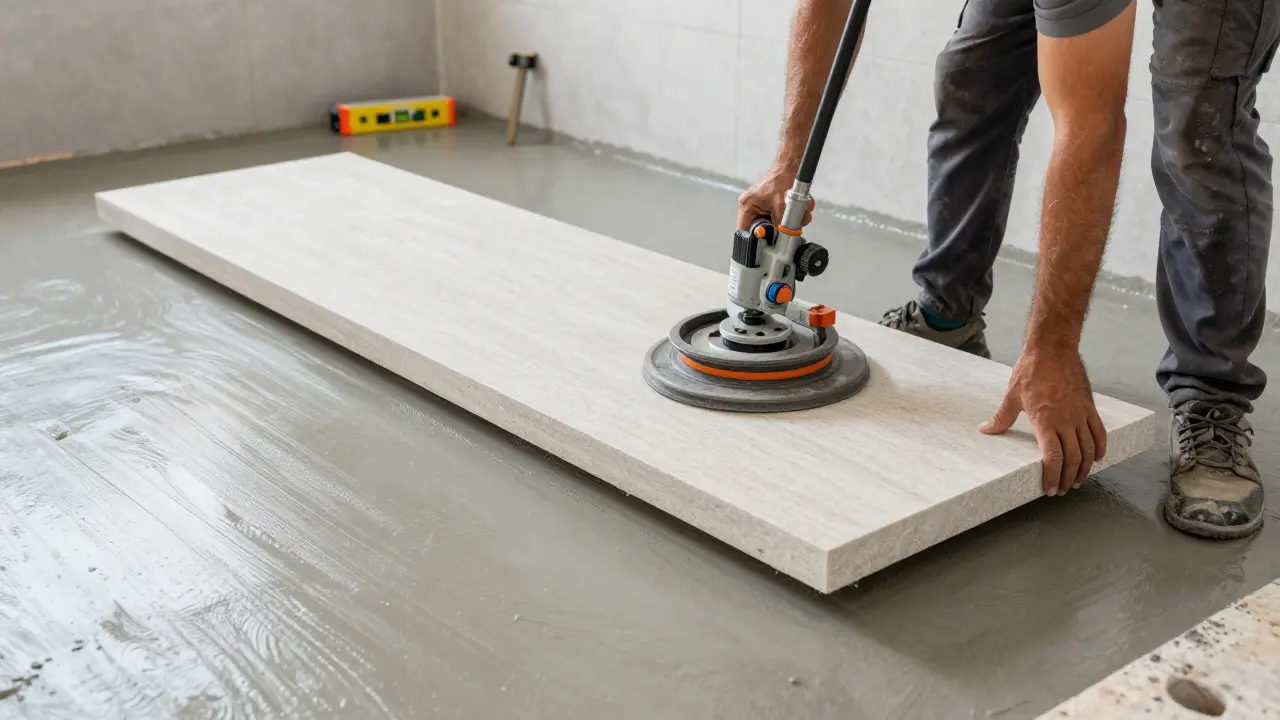
It's not all sunshine and seamless floors. The first hurdle is the cost. Standard porcelain tile is affordable. Sintered Stone or oversized porcelain slabs are significantly more expensive, both in material cost and labor. You can't just hire a guy with a hand-cutter; you need a specialist with a bridge saw and heavy-lifting equipment because one slab can weigh hundreds of pounds.
Then there's the "Subfloor Stress." Traditional grout actually helps hide a slightly uneven floor. If your floor dips half an inch in one corner, a tile installer can "mud' it out" using grout and thin-set. But with a giant slab? If the floor isn't laser-level, the slab will crack. You'll likely need to install a Self-Leveling Underlayment, which is a liquid cement poured to create a perfectly flat surface, before the tile even touches the room.
Installation time is also a factor. While you have fewer pieces to set, the precision required is grueling. One wrong cut on a 10-foot slab means you've just wasted a huge chunk of your budget.
Comparing the Options
| Feature | Standard Tile & Grout | Large Format Slabs | Luxury Vinyl (LVT) |
|---|---|---|---|
| Maintenance | High (Scrubbing/Sealing) | Very Low (Wipe clean) | Low (Wipe clean) |
| Installation Cost | Moderate | Very High | Low to Moderate |
| Water Resistance | Moderate (depends on seal) | Excellent | High (if waterproof) |
| Visual Feel | Traditional/Patterned | Ultra-Modern/Spacious | Realistic/Versatile |
| Durability | High (if well-maintained) | Extreme | Moderate (can scratch) |
Is It Actually a Good Idea? (The Decision Tree)
Whether this is a "good idea" depends entirely on your lifestyle and your wallet. If you are flipping a house for a quick profit, groutless slabs are a bad idea-you'll spend too much on materials for a return that doesn't justify the cost.
However, if this is your "forever home" and you genuinely despise the act of cleaning grout, it's a brilliant investment. The increased home value from a high-end, seamless bathroom usually offsets the initial cost. It's a luxury feature that buyers love because it promises a lower-maintenance future.
If you're on a budget but still want that seamless look, don't go for the slabs. Instead, look into Rectified Tiles, which are tiles with precisely machine-cut edges. They allow for incredibly thin grout lines (1/16th of an inch) that almost disappear when you match the grout color exactly to the tile color.
Common Pitfalls to Avoid
If you decide to go the groutless route, don't cut corners. First, ensure your contractor has experience with large-format materials. Many standard tilers are used to 12x24 tiles and aren't equipped to handle 5x10 slabs. If they don't have a professional suction-cup lifting system, walk away.
Second, don't ignore the expansion joints. Even "groutless" systems need a tiny bit of room to breathe. If you jam a massive porcelain slab tight against a wall with no gap, the thermal expansion during a hot summer could cause the entire floor to buckle or crack.
Third, be careful with LVT in wet areas. While it's great for the main bathroom floor, don't use it inside the shower stall. Only porcelain or stone slabs can handle the constant, direct water exposure of a shower without peeling at the seams over time.
Does groutless tile leak more than regular tile?
Actually, it's the opposite. Because there are far fewer joints, there are fewer places for water to penetrate. However, this doesn't mean you skip the waterproofing membrane. You still need a high-quality underlayment (like Kerdi or similar systems) because the edges of the slabs can still be vulnerable if not sealed correctly.
Can I do a groutless installation myself?
If you're choosing Luxury Vinyl Tile, yes. It's a DIY-friendly click-lock system. But if you're talking about large porcelain slabs, the answer is a hard no. These materials require specialized heavy machinery, industrial cutters, and a perfectly level floor. One mistake can cost you hundreds of dollars in wasted materials.
Is it true that groutless floors are colder?
The material is what determines the temperature, not the grout. Porcelain slabs are cold, just like regular tiles. The good news is that because these slabs are so large and thin, they are actually fantastic candidates for radiant floor heating systems. The heat distributes more evenly across a seamless surface.
What happens if a groutless slab cracks?
This is the biggest risk. In a traditional tile floor, if one tile cracks, you just pop it out and replace it. With a massive slab, you can't just "swap" a piece. You'll either have to live with the crack, use a color-matched resin filler to hide it, or replace the entire section of the floor.
Which is more eco-friendly: groutless or traditional?
It's a toss-up. Porcelain slabs are made from natural clay and minerals, but the energy required to fire such massive pieces in a kiln is significant. LVT is often made from PVC (plastic), which is less eco-friendly unless you buy high-end bio-based versions. Traditional tiles have more waste during the cutting process, but they are easier to transport due to their size.
Next Steps for Your Remodel
If you're still on the fence, start by auditing your current cleaning habits. Do you spend a Saturday every month scrubbing your bathroom floor? If yes, the investment in large format slabs is worth it. If you don't mind the maintenance, stick with traditional tiles and just use a high-quality epoxy grout, which is less porous than cement grout.
For the budget-conscious, try the "quasi-groutless" approach: buy 24x48 rectified porcelain tiles and use a grout color that is an identical match to the tile. It gives you the visual effect of a seamless floor without the astronomical cost of full slabs.
Finally, check your subfloor. Before you buy any materials, bring in a professional to check for leveling. There is nothing worse than paying for premium seamless tiles only to find out your house has settled and your floor is slanted, making the installation impossible.

Frank Piccolo
April 12, 2026 AT 05:44Honestly, if you can't afford the high-end slabs, you're just settling for mediocrity. American homes deserve the best materials, not some cheap LVT plastic garbage that looks like a rental apartment in a strip mall. 🙄
Rahul U.
April 12, 2026 AT 11:52The point about rectified tiles is actually very helpful for those of us on a budget! 🌟 It seems like a great middle-ground to get that clean aesthetic without breaking the bank. 🏠✨
David Smith
April 13, 2026 AT 20:33It is absolutely immoral to push these massive slabs on people when the risk of a single crack ruining the whole floor is so high. It's basically a gamble with your house's value and it's honestly just a scam to get more money out of homeowners. 🙄
selma souza
April 13, 2026 AT 23:45The claim that LVT mimics stone perfectly is an exaggeration. It is a synthetic imitation at best. Furthermore, the lack of precision in some of these installation descriptions is quite bothersome.
E Jones
April 15, 2026 AT 21:00Listen, the whole "seamless" push is just a way for the big corporate chemical lobbies to get more epoxy resins and polymers into our living spaces where they can off-gas toxins into our lungs while we sleep, and don't even get me started on the "laser-level" requirement which is probably just a front for some new surveillance tech integrated into the flooring substrates to track our movements within our own sanctuaries! It is a slippery slope to a sterilized, corporate-controlled wasteland where we lose the organic grit of real cement just so some suit in a boardroom can sell more specialized bridge saws to contractors who are probably just puppets of the industrial complex anyway!
Lissa Veldhuis
April 16, 2026 AT 15:35honey please just use epoxy grout if you're scared of a little scrubbing its literally the only way to go if you actually know what youre doing and dont want your floor to look like a cheap plastic wrapper’s dream lol
James Boggs
April 17, 2026 AT 21:09I agree with the suggestion to use epoxy grout for a more durable finish. It is a very practical alternative.
Barbara & Greg
April 18, 2026 AT 21:11We must consider the ethical implications of consuming such resource-heavy materials. The pursuit of a "cleaner" bathroom is merely a reflection of a society obsessed with superficial perfection over the inherent beauty of natural decay and labor.
Addison Smart
April 19, 2026 AT 20:46I think it is important to acknowledge that different cultures have different approaches to flooring, and while the modern American preference for seamless surfaces is understandable for hygiene reasons, we should also value the craftsmanship that goes into traditional tiling and ensure we aren't dismissing those skilled tradespeople who have spent decades perfecting the art of the grout line, because at the end of the day, the best choice is simply the one that brings the most peace and functionality to the individual homeowner's specific living environment regardless of current trends.