Buying furniture shouldn’t feel like a gamble. You walk into a store, see something that looks nice, pay hundreds or even thousands of dollars, and then it wobbles after three months, the fabric pills, or the wood cracks. It happens all the time. But it doesn’t have to. Good quality furniture lasts decades-not just until the next trend. Here’s how to spot it, avoid the traps, and walk away with pieces that actually hold up.
Start with the frame
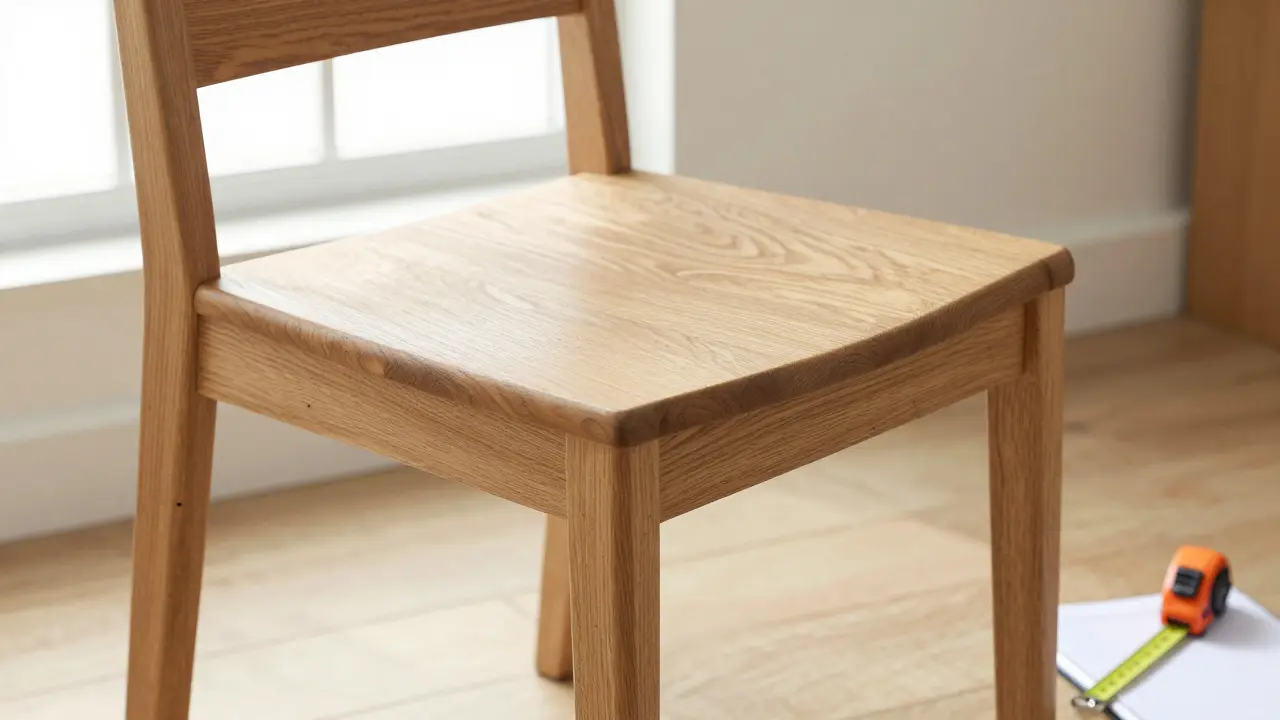
The frame is the skeleton of any piece of furniture. If it’s weak, nothing else matters. Look for solid wood-hardwoods like oak, maple, beech, or ash. Avoid anything labeled "engineered wood," "particleboard," or "MDF" unless it’s only used in hidden areas like the back panel. A solid wood frame won’t flex when you sit on it. Test it: push down on the arms of a sofa or shake the legs of a chair. If it creaks or moves more than a millimeter, walk away. High-end furniture makers use mortise-and-tenon or dovetail joints. These are hand-fitted and glued, not just nailed or screwed. You can often see them if you flip the piece over or look inside drawers. If you see screws sticking out from the bottom, that’s a red flag.Check the upholstery
Fabric isn’t just about color or pattern-it’s about durability. For sofas and chairs, look for a fabric with a Martindale rating of at least 25,000 rubs. That’s the industry standard for heavy use. If the label doesn’t say, ask. Synthetic blends like polyester or acrylic often outlast cotton or linen in homes with kids or pets. Leather? Go for full-grain or top-grain. Avoid "bonded leather"-it’s basically shredded scraps glued together with plastic. It cracks within a year. Pull back the fabric on a cushion. Underneath, you should see high-density foam (at least 1.8 lb per cubic foot) wrapped in polyester batting. If it’s just thin foam over springs, it’ll flatten fast. Test the cushion: press your hand into it. It should bounce back quickly, not stay squished.Look at the legs and hardware
Furniture legs are often the first to fail. Metal legs should be at least 1.5mm thick and welded, not bolted. Wooden legs should be solid, not hollow. If they’re turned on a lathe, that’s a good sign-machine-turned legs are uniform and precise. Drawer slides matter too. Open and close a drawer. It should glide smoothly without sticking or rattling. Soft-close mechanisms are nice, but even basic metal slides should feel sturdy. Plastic slides? Avoid them. They break under weight. Check the corners of drawers. Are they reinforced with metal? Are the joints glued and screwed? If it’s just nailed, it’s cheap.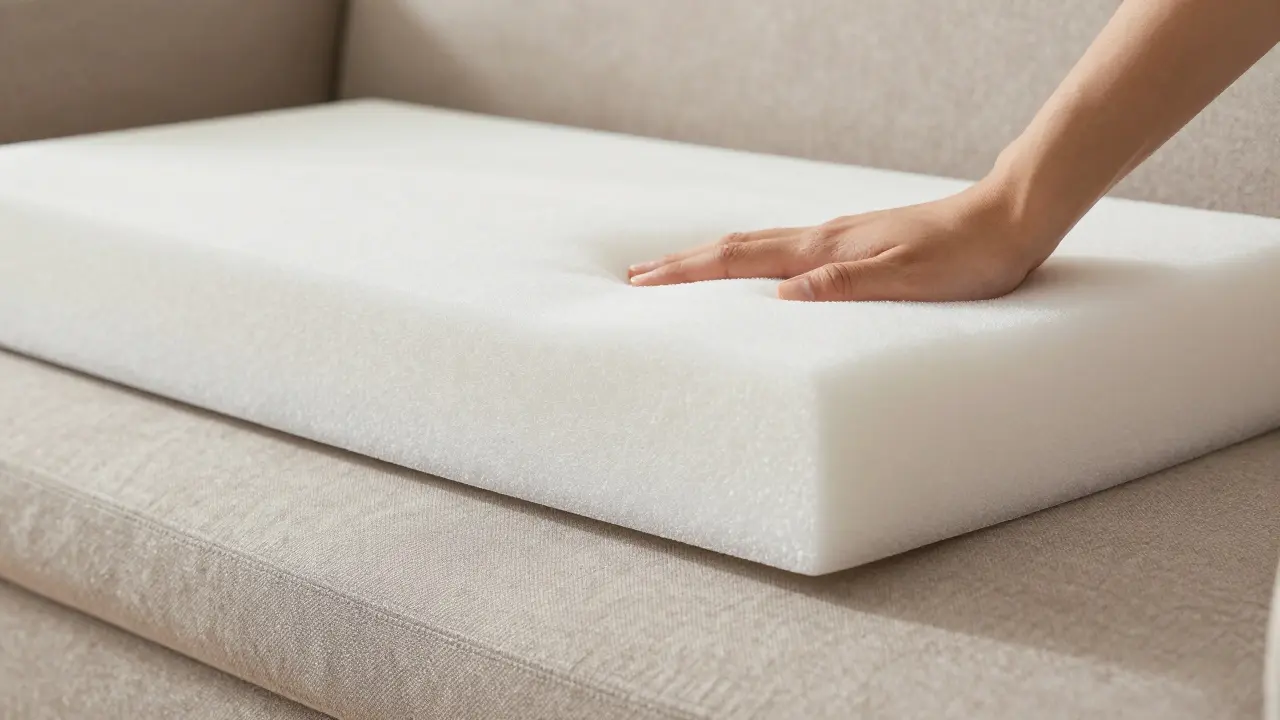
Know the difference between mass-market and craftsmanship
You can tell a lot by the details. Hand-sanded edges? That’s a sign of care. Machine-sanded pieces look flat and uniform, but they miss the curves. Look for slight variations in wood grain or finish-these aren’t flaws, they’re proof it’s not factory-made on a conveyor belt. Brands like Stickley, Ethan Allen, or local Canadian makers like MapleCraft a Burlington-based furniture maker known for hand-finished solid wood pieces using traditional joinery techniques focus on durability over speed. They use kiln-dried wood to prevent warping. Mass-market stores like IKEA or Wayfair use wood that hasn’t been properly dried, so it shifts over time. That’s why your shelf sags or your table gets wobbly after a year.Ask about warranties and return policies
A company that stands behind its product will offer a warranty. Don’t be fooled by a 1-year warranty-that’s standard for cheap stuff. Look for 5 to 10 years on frames and construction. Some high-end brands offer lifetime warranties on joinery. Read the fine print. Does it cover sagging cushions? Cracking wood? What counts as "normal wear"? If the store won’t give you a written warranty, walk away. Also, check the return policy. Many places charge 20% restocking fees or require you to pay for return shipping. That’s a red flag they don’t expect you to be happy.Buy locally when you can
Furniture shipped from overseas often spends weeks in containers, exposed to humidity and temperature swings. That stresses the wood and glue. Local makers source wood from nearby forests, cut it, dry it, and build it in weeks-not months. You’re also more likely to get personalized service. Ask if they make custom sizes. If they do, that’s a good sign they care about fit and function, not just volume. In Burlington, several workshops offer custom dining tables, bookshelves, and sofas built to your space. You pay more upfront, but you avoid the headache of returning something that doesn’t fit.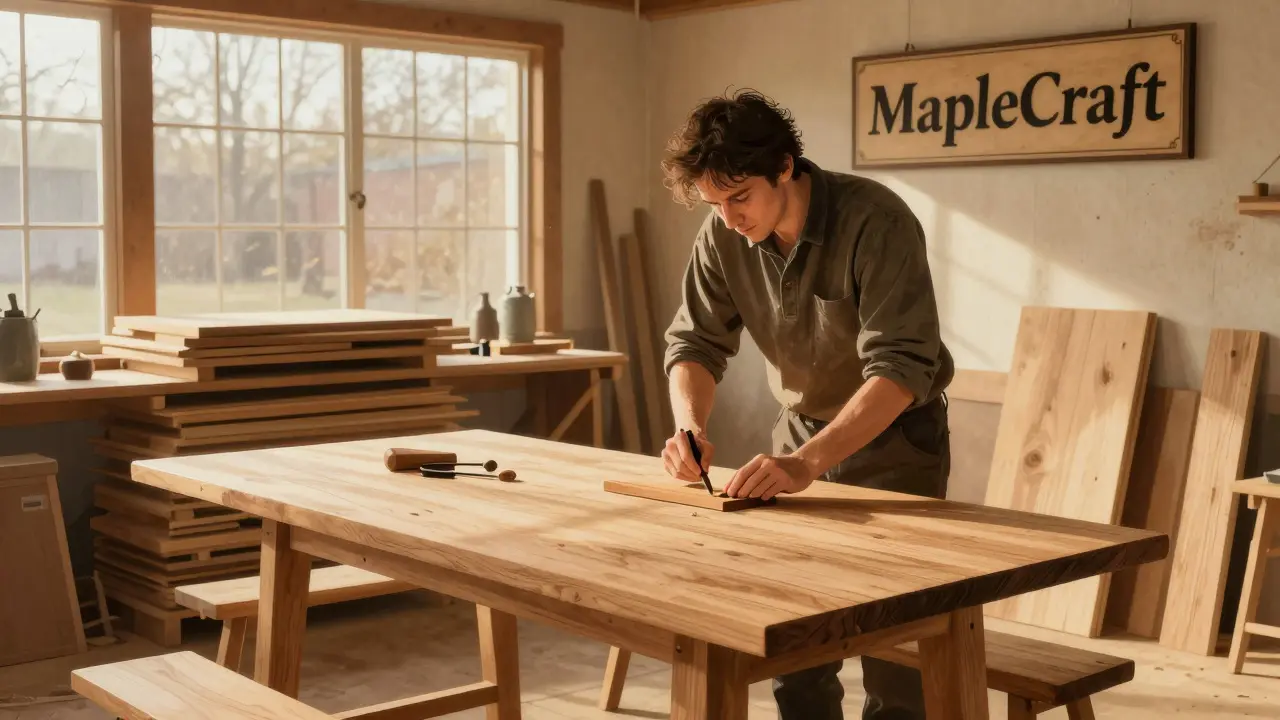
Don’t rush the decision
Take your time. Sit on the sofa for at least 10 minutes. Lie down on the bed. Open and close drawers 10 times. Bring a measuring tape. Will it fit through your doorway? Will it block a window? Will you be able to vacuum around it? Test it in your actual space. Many people buy furniture based on how it looks in a showroom, then realize it overwhelms their room or blocks the flow. A 6-seater sofa might look great in a 500-square-foot display, but it’ll swallow your 12x15 living room.What to avoid at all costs
- Furniture with visible screws on the outside-means it was assembled quickly, not built to last.
- Plastic feet on wooden pieces-they scratch floors and wear out fast.
- Thin veneers over MDF-peel off within a year in humid climates like Canada’s.
- Upholstery with no removable covers-cleaning becomes impossible, and stains ruin it.
- Items labeled "limited edition" or "clearance"-these are often overstock or flawed pieces.
There’s no magic formula, but if you combine these checks, you’ll avoid 90% of bad purchases. Good furniture doesn’t shout. It doesn’t have flashy names or neon tags. It just sits there, solid and quiet, for years. And when your friends ask where you got your couch, you won’t have to lie and say "it’s from a thrift store." You’ll know it was worth every dollar.
Is solid wood always better than engineered wood for furniture?
Solid wood is better for structural parts like frames, legs, and drawer boxes because it’s stronger and can be repaired. Engineered wood like plywood can be fine for shelves or backs if it’s high-grade and properly sealed. But avoid particleboard and MDF for anything that bears weight or gets opened and closed often-they swell with moisture and fall apart.
How do I know if a sofa cushion will last?
Look for foam density-1.8 lb per cubic foot is the minimum for long-term use. Higher-end sofas use 2.5 lb or more. Also check if the foam is wrapped in polyester batting and then encased in a durable fabric. If the cushion is just springs with thin foam, it’ll flatten within a year. Sit on it and press down. If it doesn’t bounce back quickly, skip it.
Should I buy furniture online or in person?
Buy in person if you can. You need to feel the weight, test the joints, and check the fabric texture. Online shopping works for simple items like side tables, but avoid buying sofas, beds, or dining sets without seeing them first. Even the best photos can’t show how the wood grain flows or if the legs are wobbly.
What’s the best time of year to buy furniture?
Late winter (February-March) and early fall (September-October) are best. Stores clear out old inventory before new models arrive. Holiday sales in November can be tempting, but many deals are on lower-quality pieces. Local makers often have end-of-season sales in January, right after the holidays, when they’re making room for spring orders.
Can I repair cheap furniture to make it last?
Sometimes, but it’s often not worth it. You can re-glue a loose joint or replace a drawer slide, but if the frame is particleboard, no amount of repair will fix its tendency to crumble. If the cost of repairs approaches 50% of a new piece’s price, it’s better to replace it. Invest in quality upfront-it saves money over time.
Next steps: What to do today
- Measure your space and sketch a layout with the furniture you need.
- Make a list of must-have materials: solid wood, high-density foam, metal slides.
- Visit two local furniture makers or showrooms-ask to see the inside of a drawer or the underside of a chair.
- Write down warranty terms before you buy.
- Wait a week before pulling the trigger. If you still feel good about it, you’re likely making a smart choice.

Victoria Kingsbury
January 4, 2026 AT 20:06Just bought a maple dining table last month after reading this. No wobble, no creak, just quiet strength. The dovetail joints on the drawers? Chef’s kiss. I didn’t think furniture could feel this... dignified.
Also, the sales guy actually let me flip it over to check the underside. No screws. Just glue and wood. I cried a little.
Best money I’ve ever spent on something that doesn’t have a screen.
Tonya Trottman
January 6, 2026 AT 14:00‘Engineered wood’ is just corporate speak for ‘we didn’t care enough to use real wood.’
Also, ‘bonded leather’ isn’t leather. It’s plastic with a leather-scented air freshener glued on. You’re not buying furniture-you’re buying a time bomb with legs.
And if your sofa’s cushion density is under 2.5 lb/ft³, you’re not sitting-you’re participating in a slow-motion collapse.
Rocky Wyatt
January 8, 2026 AT 09:52I bought a ‘luxury’ sofa from a big-name store. Three months later, it sounded like a dying animal when I sat down. My dog started avoiding it. My cat started sleeping on the floor.
I cried. Not because I wasted money. Because I trusted a brand that didn’t care if I was comfortable. Just if I clicked ‘buy.’
This post? It’s the therapy I didn’t know I needed.
Santhosh Santhosh
January 10, 2026 AT 03:24Coming from India, where furniture is often made by local carpenters using teak or sheesham, I’ve seen both sides. The mass-produced stuff from abroad? It’s like buying a plastic flower that looks real until the sun hits it.
Here, we still make joints by hand, dry wood in shaded verandas for months, and sand with fine sandpaper until it feels like skin. There’s no rush. No conveyor belt. Just patience.
That’s the difference. Not price. Not brand. Time. And respect for the material.
I wish more Western buyers understood that. Not everything that’s cheap is affordable. Sometimes, expensive is just honest.
Veera Mavalwala
January 12, 2026 AT 02:43Let me tell you about my ‘bargain’ dresser from that place with the blue logo. It arrived looking like a crime scene. The veneer curled up like burnt toast. The drawer slides? Plastic. I swear, they used the same material they make yogurt cups from.
And the smell? Like a gym sock dipped in formaldehyde. I threw it out after two weeks. My landlord was mad. I was just sad.
Now I go to the local woodshop. The guy knows my name. He asks if I want the drawer to open left or right. He doesn’t sell me furniture. He builds me a memory.
Ray Htoo
January 12, 2026 AT 03:21Just found out MapleCraft is 20 minutes from my house. I’m going this weekend. I’ve been eyeing their oak coffee table for months but kept thinking, ‘Nah, too much.’
Now I get it. It’s not about the price. It’s about the silence after you sit down. The lack of creak. The way the wood feels warm, not plastic-y.
Thanks for the nudge. I’m gonna buy something that outlives my Wi-Fi router.
Natasha Madison
January 13, 2026 AT 17:30Why are we even talking about furniture? This is just corporate propaganda disguised as ‘advice.’
Who says solid wood is better? Maybe the government wants you to buy expensive stuff so you’re tied to the economy. Maybe IKEA is secretly funded by aliens to make us all buy cheap stuff so we stay distracted.
And why do they always say ‘buy local’? What if your local guy is a tax evader? What if the wood is illegally harvested? You don’t know. You just trust.
Don’t be fooled. Everything’s a scam. Even this post.
Sheila Alston
January 14, 2026 AT 15:38It’s so irresponsible to buy anything that doesn’t come with a lifetime warranty. People don’t realize they’re enabling a culture of disposability. You’re not just wasting money-you’re wasting Earth. And if you buy something from a store that charges restocking fees? You’re part of the problem.
My grandmother had a rocking chair from 1947. It still rocks. She never replaced it. She didn’t need to. She respected things.
What are you teaching your kids? That everything is replaceable? That’s not progress. That’s surrender.
Bharat Patel
January 14, 2026 AT 18:01There’s a quiet beauty in furniture that doesn’t try to impress you. It doesn’t flash lights or play music. It just holds you. It waits. It doesn’t judge when you spill coffee or when your dog sleeps on it.
Maybe that’s what we’re really buying-not wood or foam or joints-but a companion that stays when everything else changes.
I think that’s why we feel so guilty when it breaks. It’s not the object. It’s the promise it kept.
Bhagyashri Zokarkar
January 15, 2026 AT 09:35u saw that thing on sale at walmart with the fake leather and the plastic legs? i bought it for 200 bucks. now it looks like a corpse that got run over by a truck. i regret it. so much. the drawers dont even close right. i just sit on it and pretend its fine. i hate myself for it.
but now im scared to buy anything else. what if i get fooled again?
Rakesh Dorwal
January 15, 2026 AT 09:37Why do we trust Western brands more than Indian ones? We have artisans who’ve been making furniture for 300 years. Our teak is better than your oak. Our joinery is older than your IKEA. But you call it ‘artisanal’ only if it’s from Canada.
Colonial mindset still lives in your ‘quality’ checklist.
My uncle made a bed for his daughter that’s still going strong after 22 years. No warranty. Just skill.
Maybe the real problem isn’t the furniture. It’s your bias.
Vishal Gaur
January 15, 2026 AT 11:35so i read this whole thing and now i’m even more confused. like… if i buy solid wood but it’s not kiln-dried, is it still bad? and what if i live in a humid place but the store says ‘it’s fine’? and why does everyone say ‘test the drawer’ but no one says how hard to push?
also, is it okay to just buy a couch from a thrift store and reupholster it? i mean, the frame looks okay but the fabric is stained with… i don’t even want to know.
help.
Nikhil Gavhane
January 16, 2026 AT 10:47My dad used to say, ‘Buy something once, and buy it right.’ He didn’t have much money, but he had a dining table from the 1960s that still holds our family dinners.
It’s not fancy. No brand name. Just wood, glue, and time.
I’m getting married next year. I’m not buying a new sofa. I’m buying a piece that’ll outlive my first marriage. And if it does? I’ll pass it down.
Thanks for reminding me that some things are meant to stay.
Rajat Patil
January 18, 2026 AT 10:10Thank you for this thoughtful and well-structured guide. It reflects a deep understanding of craftsmanship and human needs. Many people overlook the importance of material integrity and construction quality in favor of aesthetics or convenience. However, the true value of furniture lies in its durability, its silence, and its ability to serve across generations. I encourage all readers to approach furniture not as a consumer item, but as a legacy. Take time. Observe. Feel. And choose with care.