You’ve seen the ads: $5,000 sofas with Italian leather, $8,000 dining tables made from reclaimed oak, $12,000 beds with hand-stitched headboards. They look amazing in magazines. But when you’re staring at your bank account, you wonder: is it worth buying high-end furniture? Or are you just paying for a brand name and a showroom glow?
The truth isn’t black and white. High-end furniture isn’t a luxury you buy because it’s pretty. You buy it because it lasts-way longer than anything you’ll find at a big-box store. And in the long run, that changes everything.
What Makes Furniture "High-End"?
It’s not just the price tag. High-end furniture is built differently. Look at the frame: solid hardwood like kiln-dried oak, maple, or walnut-not particleboard glued together with a veneer. Check the joints: mortise-and-tenon or dovetail, not screws or staples. The cushioning? High-density foam layered with down or synthetic fiber, not cheap polyester batting that flattens in six months.
Brands like Herman Miller, Roche Bobois, or even smaller artisans like Vermont Woods Studio don’t just assemble furniture. They engineer it. Their pieces are designed to be disassembled, repaired, and reupholstered. That’s why you’ll see 20-year-old Eames chairs still in use, while your Target sofa is already sagging in the middle.
Cost Over Time: The Real Math
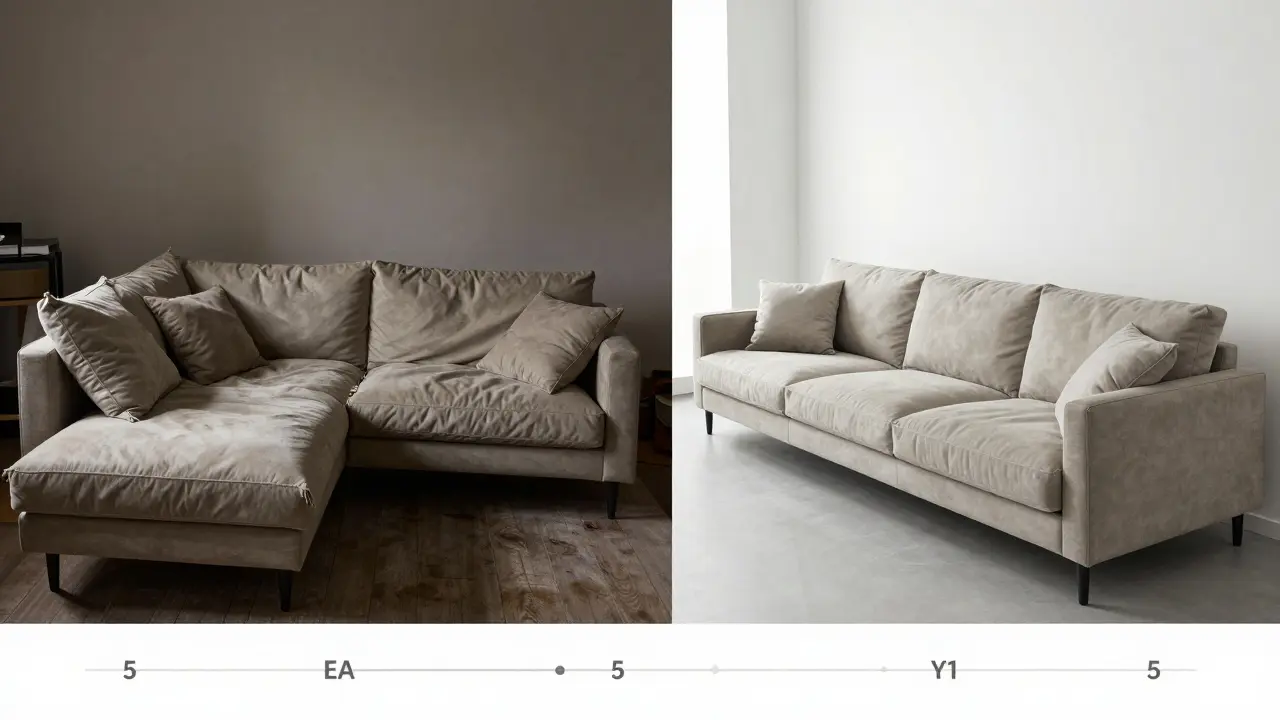
Let’s say you buy a $1,200 sectional from IKEA. It looks great for a year. Then the cushions lose their shape. The fabric starts pilling. The frame creaks when you sit down. Two years later, you replace it. That’s $2,400 in five years.
Now, a $4,500 sectional from a high-end brand. Same size. Same comfort. But the frame is solid ash. The cushions are 2.5-lb density foam with a down wrap. The fabric is performance-grade, stain-resistant, and woven to last. You clean it with a damp cloth. Five years later, it still looks new. Ten years later, it still works. You don’t replace it-you just reupholster it for $800.
That’s $5,300 over ten years vs. $6,000 for three cheap ones. And you didn’t have to move three different sofas in and out of your home. You didn’t feel guilty about landfill waste. You didn’t spend weekends shopping for replacements.
Quality That Shows Up in Daily Life
High-end furniture doesn’t just last longer. It makes your home feel different. There’s weight to it. A sense of permanence. When your chair doesn’t wobble, when your table doesn’t scratch from a coffee cup, when your bed doesn’t creak every time you turn over-you stop noticing it. That’s the point. Good design fades into the background and lets you live.
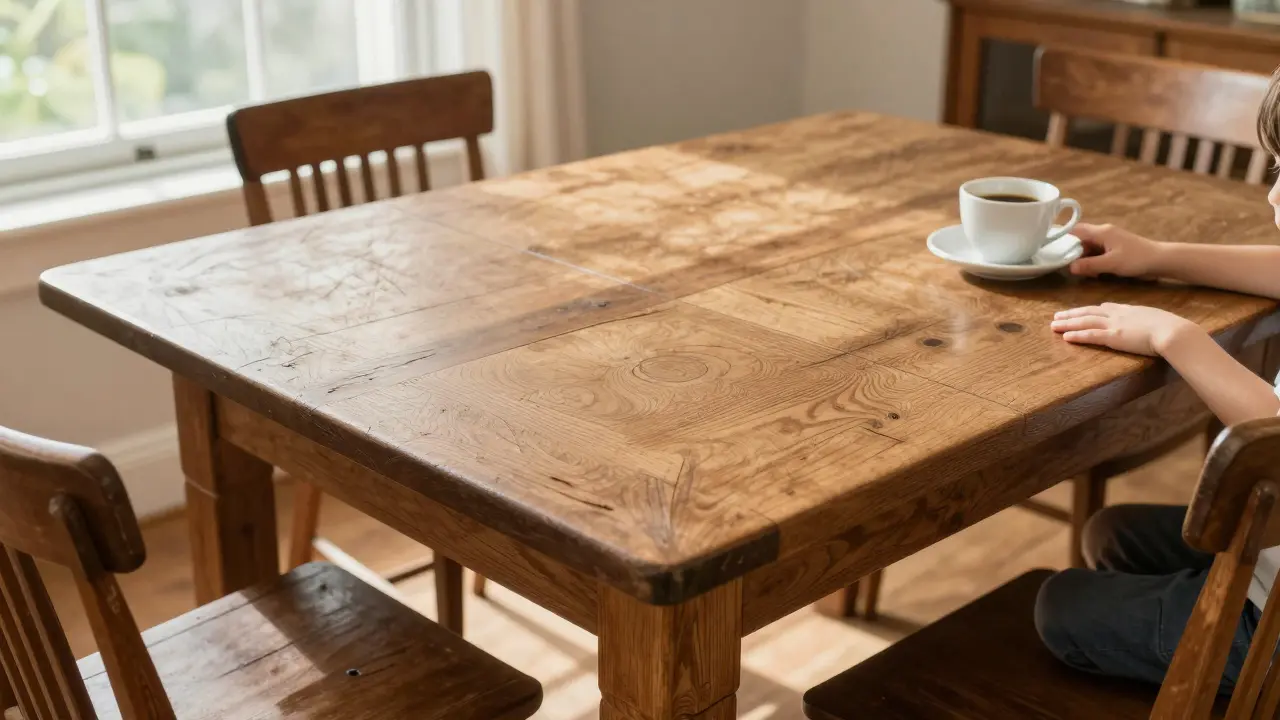
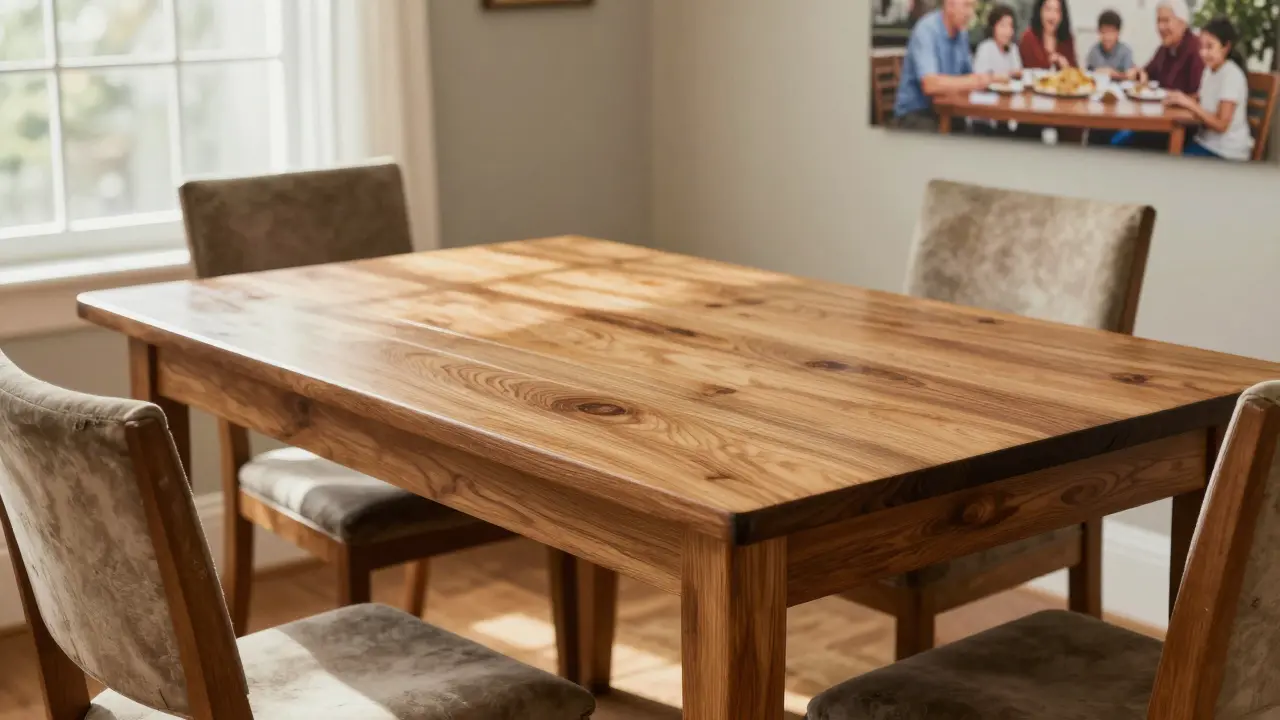
I’ve seen families with kids and dogs in Burlington use the same dining table for 15 years. It’s been stained, scratched, and cleaned a hundred times. But it still holds its shape. The finish has aged into a warm patina. Their kids grew up around it. It’s not just furniture. It’s part of the home’s story.
What You’re Actually Paying For
You’re not paying for a logo. You’re paying for:
- Materials: Solid wood, not MDF. Genuine leather or tightly woven performance fabric, not polyester blends.
- Construction: Hand-finished joints, reinforced corners, double-stitched seams.
- Comfort engineering: Cushion density tested for long-term support, not just "plush" looks.
- Repairability: Replaceable legs, reupholstery options, warranty that covers structural flaws.
- Time: A single chair might take 40 hours to build. A mass-produced one takes 15 minutes.
That’s why you’ll find high-end furniture in museums, design schools, and the homes of people who’ve lived in the same place for decades. They didn’t buy it because it was trendy. They bought it because they knew it would outlive the trend.
When High-End Furniture Isn’t Worth It
Not every situation calls for luxury. If you’re renting for three years, spending $10,000 on furniture doesn’t make sense. If you’re moving every two years, heavy, custom pieces are a hassle. If your lifestyle is chaotic-think toddlers, pets, and messy teens-maybe a durable mid-range option from a brand like West Elm or Article is smarter.
High-end furniture shines when you plan to stay put. When you value craftsmanship over convenience. When you’d rather fix something than throw it away. It’s not for everyone. But if you’re building a home you want to live in for years, not just months, it’s one of the best investments you’ll make.
How to Spot Real High-End Furniture
Don’t trust the label. Look at the details:
- Turn the piece over. Is the bottom finished? Cheap furniture leaves the underside rough or painted over. Quality pieces are finished all the way around.
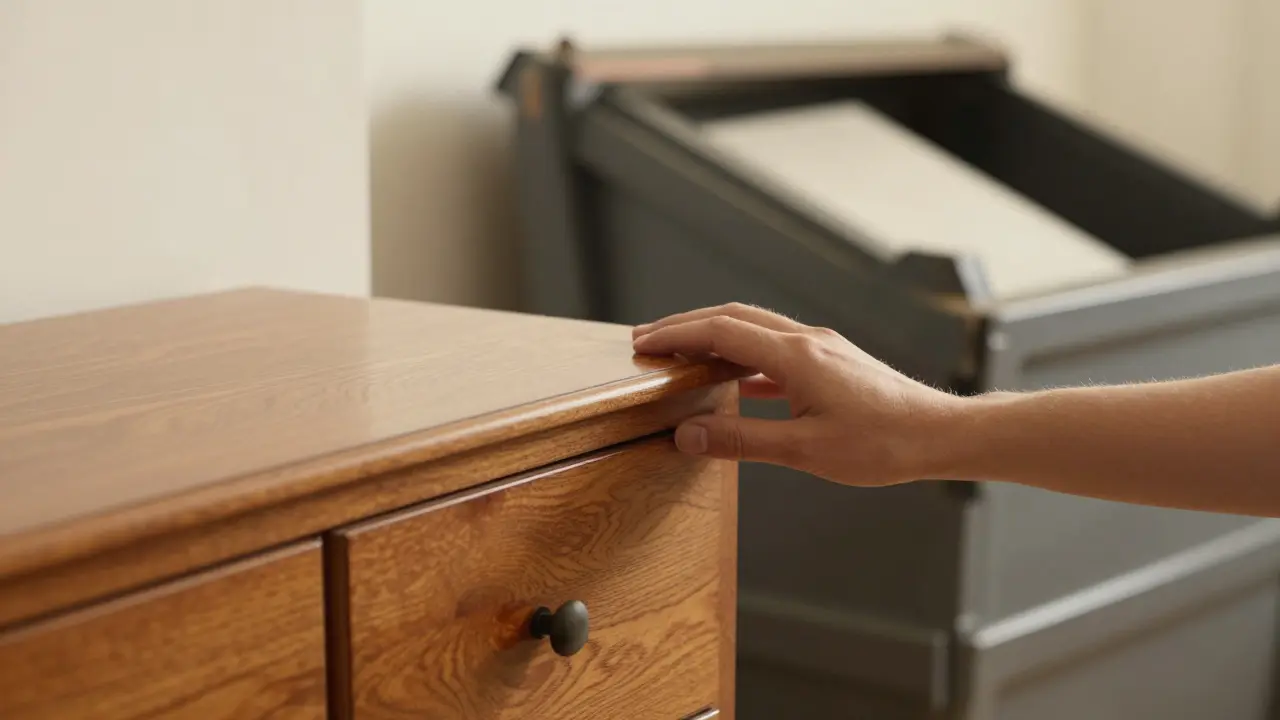
- Check the joinery. Pull out a drawer. Are the sides dovetailed? That’s a sign of hand craftsmanship.
- Ask about the wood. "Solid oak" means the whole frame is oak. "Oak veneer" means a thin slice glued over particleboard.
- Test the cushion. Sit on it. Does it feel supportive, or does it sink like a beanbag? Push down hard. If it doesn’t spring back, skip it.
- Ask about warranty. Reputable brands offer 5-10 years on structure. If they don’t offer anything, that’s a red flag.
Where to Find Real Value
You don’t need to buy new to get high-end quality. Estate sales, auctions, and antique dealers often have pieces from the 1970s and 80s made by brands like Knoll, Broyhill, or Ethan Allen. These were built when manufacturing still prioritized durability. A $1,500 vintage mid-century dresser might be better than a $3,000 new one from a fast-fashion brand.
Also, consider buying from local makers. Many Canadian woodworkers offer custom pieces with the same quality as European brands-but at 30-50% less. You get the same solid wood, same joinery, same attention to detail. And you’re supporting your community.
Final Thought: It’s Not About Spending More. It’s About Spending Smarter.
Buying high-end furniture isn’t about showing off. It’s about choosing something that will still feel right in your home five, ten, or twenty years from now. It’s about reducing waste. It’s about not having to explain to your kids why their old couch is in the dumpster again.
If you’re ready to stop replacing furniture every few years and start building a home that lasts, then yes-it’s worth it. Not because it’s expensive. But because it’s the last time you’ll ever have to buy that piece again.
Is high-end furniture really more durable than cheap furniture?
Yes, if you’re comparing solid wood and handcrafted construction to particleboard and glued joints. High-end furniture is built to last 20-50 years. Cheap furniture typically lasts 3-7 years before it starts to sag, creak, or fall apart. The difference isn’t just in looks-it’s in how it’s made.
Can I afford high-end furniture on a budget?
You don’t need to buy everything at once. Start with one key piece-a bed, a dining table, or a sofa-that you’ll use every day. Look for sales, secondhand options, or local makers. Many high-end brands offer payment plans. A $4,000 sofa paid over 12 months is $333 a month-less than what you’d spend replacing a cheap sofa every two years.
Does high-end furniture hold its value?
Some does. Classic designs from brands like Herman Miller or Eero Saarinen can appreciate over time. Even if they don’t increase in value, they’re far easier to resell than mass-produced furniture. People will pay more for something that’s built to last, especially if it’s in good condition.
What’s the biggest mistake people make when buying expensive furniture?
Buying based on style alone. A beautiful chair that’s poorly constructed will still break. Always check the frame, joints, and cushion density before falling in love with the fabric. Look at the underside. Ask about warranty. If the salesperson can’t answer these questions, walk away.
Is it better to buy new high-end furniture or vintage?
It depends. Vintage pieces from the 1950s-1980s are often better built than today’s mass-market items. But they may need reupholstering or repair. New high-end furniture comes with warranty and modern comfort features. If you want reliability and support, go new. If you want character and proven durability, go vintage.


Kayla Ellsworth
December 29, 2025 AT 00:17So let me get this straight-you’re telling me I should spend five grand on a couch so I don’t have to replace it every three years? Sounds less like an investment and more like a tax on people who own pets and have a life.
Also, who has time to reupholster anything? I barely have time to fold laundry.
Soham Dhruv
December 30, 2025 AT 00:13im not gonna lie i bought a 1200 ikea couch and its been 4 years and its still fine
yeah the cushions are a little flat but i throw a blanket on it and call it a day
also i dont have 5k just laying around for a sofa lol
maybe if i win the lottery ill buy a $10k chair just to sit on it once and then sell it on ebay
Bob Buthune
December 30, 2025 AT 19:55Have you ever sat in a $12,000 bed and just… felt it? Not just the foam or the wood or the stitching-but the *energy*? It’s like the chair remembers your posture. The table remembers your coffee stains. The sofa remembers your tears.
When you buy cheap, you’re not just buying furniture-you’re buying loneliness. You’re buying the sound of your own disappointment when the legs start wobbling at 2 a.m.
And don’t even get me started on how the cheap ones smell like regret and plastic wrap.
That’s not a couch. That’s a monument to capitalism’s failure to care.
I weep for the people who think durability is a luxury. It’s not. It’s a spiritual obligation.
My grandmother had a rocking chair from 1937. She rocked in it until she died. And when she did? The chair kept rocking. Just a little. Still does.
You think that’s sentimental? No. That’s physics. That’s legacy. That’s the difference between existing and living.
Buy the sofa. Buy the table. Buy the bed that outlives your marriage, your career, your kids’ college loans.
Because when everything else falls apart, the furniture? It stays. And it doesn’t judge.
Jane San Miguel
January 1, 2026 AT 05:11The notion that ‘high-end’ furniture is an ‘investment’ is a marketing myth peddled by people who’ve never held a chisel. Solid wood doesn’t magically confer dignity. Hand-stitched seams don’t reduce carbon emissions. And no, your 20-year-old Eames chair isn’t ‘sustainable’-it’s a relic of a time when labor was cheaper than materials.
Also, the ‘reupholster for $800’ argument ignores that most people don’t know how to find a reputable upholsterer, and when they do, it costs $1,500 and takes six months.
Let’s be honest: you’re not buying durability. You’re buying the psychological comfort of being able to say, ‘I bought it from a boutique in Portland.’
Kasey Drymalla
January 2, 2026 AT 23:31they dont want you to know but all these high end brands are made in the same factory as ikea
same workers
same machines
they just slap a different label on it and charge 10x
its all a scam
youre being played
the only difference is the logo on the bottom
they want you to feel guilty for not spending 5k
its not about quality its about branding
theyre selling you a feeling
and you bought it
good job
Dave Sumner Smith
January 3, 2026 AT 06:12you think you’re buying quality but you’re just funding a global elite that wants you to feel inferior for owning a $600 couch
they’ve spent decades brainwashing you into thinking your worth is measured in wood grain
the government knows this
the banks know this
they want you to be in debt for furniture so you never question the system
you’re not buying a sofa
you’re buying into the matrix
Cait Sporleder
January 3, 2026 AT 07:10It is, in fact, a compelling argument that the total cost of ownership over a fifteen-year horizon favors high-end furniture, particularly when one factors in the diminishing marginal utility of repeated purchases, the environmental externalities associated with landfill accumulation, and the psychological burden of constant consumer churn.
Moreover, the psychological comfort derived from tactile permanence-what the author describes as ‘weight’-is not merely anecdotal; it is empirically correlated with reduced stress markers in longitudinal interior design studies conducted at the University of Michigan.
Furthermore, the aesthetic patina that develops over time, particularly in hand-finished woods and naturally tanned leathers, is not a defect-it is a signature of authenticity, a counter-narrative to the disposability culture that dominates contemporary consumerism.
One might even posit that the act of repairing, rather than replacing, constitutes a form of quiet resistance-a mindfulness practice embedded in domestic life.
That said, the omission of regional economic disparities in purchasing power is a notable lacuna in the analysis; for many, even a $1,500 sofa represents a significant financial risk, particularly in the absence of stable employment or access to credit.
Therefore, while the thesis is compelling, it must be contextualized within broader socioeconomic frameworks to avoid the trap of elitist presumption.
Paul Timms
January 4, 2026 AT 09:35My couch is 12 years old. It’s from a local maker. It still looks great. I didn’t pay $5k. I paid $1.8k. It’s solid. It’s comfortable. It’s mine.
Good furniture doesn’t need a luxury label.
Just good craftsmanship and a little patience.
Jeroen Post
January 6, 2026 AT 09:17you think you're buying durability but you're just buying a time bomb wrapped in walnut veneer
everything breaks eventually
even the 'hand-stitched' stuff
they just make you wait longer before it fails
and then you're stuck with a $5k paperweight
the real scam is making you believe you need to own anything at all
why not just rent furniture
why not just sit on the floor
why not live like a monk
you're not buying furniture
you're buying anxiety disguised as legacy
Nathaniel Petrovick
January 6, 2026 AT 14:56i bought a $2k sofa from a guy who builds stuff in his garage in ohio
it’s better than anything i’ve ever sat on
no brand name
no fancy packaging
just wood and sweat
and yeah it took 3 months to make
but i still sit on it every night
and i’ve never thought about replacing it
maybe the real luxury is not having to think about it at all
Honey Jonson
January 8, 2026 AT 13:24so i got this couch from a thrift store for 80 bucks
it’s from like 1987 and the fabric is kinda faded but the frame is solid as heck
my dog sleeps on it every day
my kid draws on it with crayons
and it still holds up
so yeah maybe you dont need to spend 5k
maybe you just need to care a little
and maybe your couch dont need to be perfect
it just needs to be there
Sally McElroy
January 9, 2026 AT 07:14It is utterly irresponsible to encourage people to spend tens of thousands on furniture when millions of Americans can’t afford to replace their refrigerators, let alone their sofas.
You speak of legacy, but you ignore the moral bankruptcy of normalizing such extravagance while children go to bed on air mattresses.
It’s not ‘smart spending’-it’s performative wealth.
And you call it sustainability? That’s not sustainability. That’s guilt laundering.
True sustainability is choosing less. Not buying more expensive things and pretending you’re saving the planet.
You’re not a hero. You’re a consumer with a conscience complex.
Destiny Brumbaugh
January 9, 2026 AT 18:17why do we even care about this stuff
in america we got bigger problems
like why is my gas 5 bucks
and why is my rent 3k
but you wanna spend 12k on a chair
you think your sofa is gonna save america
no it’s not
your sofa is just a symbol of your disconnect
get a job
pay your taxes
and stop trying to buy virtue with wood
Paul Timms
January 11, 2026 AT 00:12Paul Timms said it best. I’ve got a 1990s Herman Miller chair I got for $400 off Craigslist. Still perfect. No logo. Just quality.
That’s the real secret.
It’s not about the brand. It’s about the build.