You’ve seen the ads: sleek sofas for $5,000, dining tables made from solid walnut that cost more than your laptop, and beds with hand-stitched leather that seem to come with a side of luxury. But here’s the real question: is expensive furniture better? Or are you just paying for a brand name, a showroom vibe, and a lot of marketing?
Let’s cut through the noise. I’ve spent years working with local furniture makers in Burlington, helping people choose pieces that last-not just look good on Instagram. And here’s what I’ve learned: price doesn’t always equal quality. But quality almost always has a price tag.
What Makes Furniture Expensive?
Not all high-priced furniture is created equal. Some brands charge more because they use better materials. Others charge more because they’re selling a lifestyle. Here’s how to tell the difference.
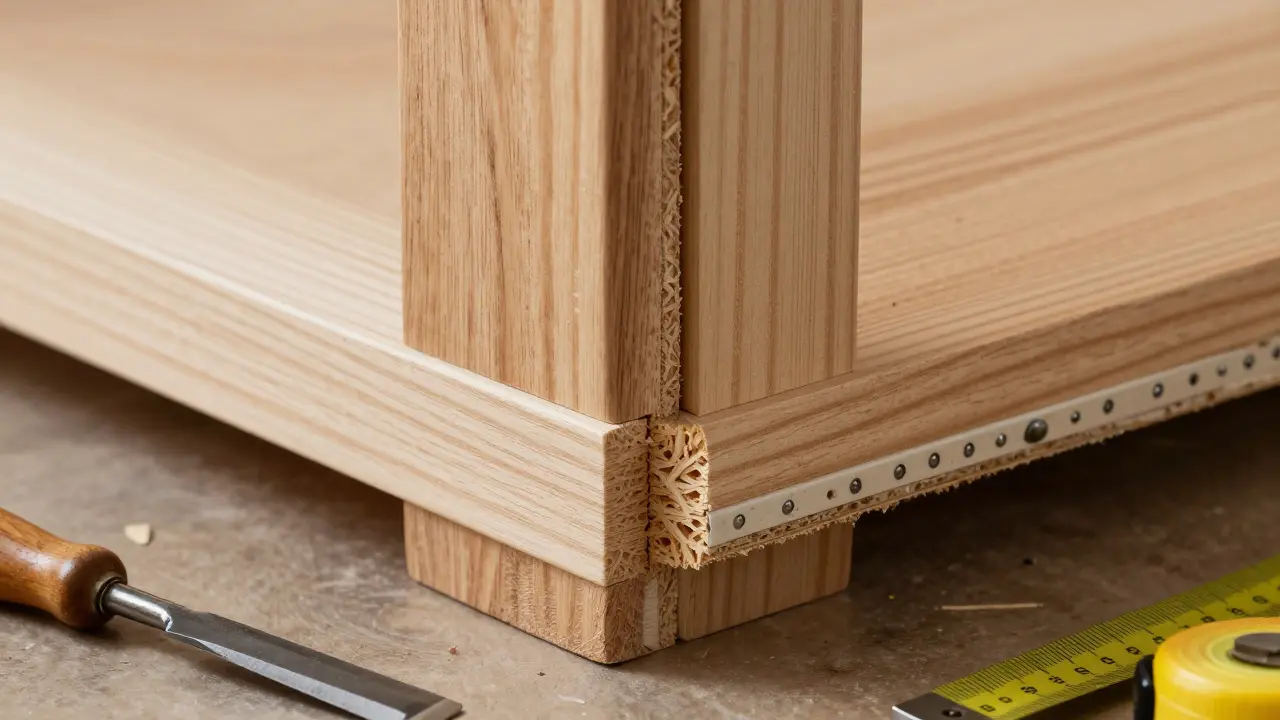
First, look at the frame. Cheap furniture often uses particleboard or plywood glued together. It’s light, easy to ship, and breaks down fast. Good furniture uses kiln-dried hardwood like oak, maple, or ash. These woods don’t warp. They hold screws. They last decades. I’ve seen 30-year-old chairs from local workshops still going strong because their frames were built solid.
Second, check the joinery. If the corners are held together with nails or staples, walk away. That’s a sign of mass production. High-end pieces use mortise-and-tenon joints, dowels, or dovetails. These aren’t just fancy-they’re structural. They absorb stress. They don’t come apart when you sit down too hard.
Third, examine the upholstery. A $1,200 sofa might have 1.8 density foam. A $3,500 one? 2.8 or higher. That’s not a small difference. Higher density foam doesn’t flatten after six months. It keeps its shape. And the fabric? Look for performance-grade textiles-like Crypton or Sunbrella-that resist stains, fading, and wear. You won’t find those on Amazon under $800.
When Expensive Furniture Actually Is Better
There are moments when paying more makes total sense.
Take custom-made pieces. If you have an odd-shaped room, a sloped ceiling, or need a sofa that fits exactly where your dog sleeps, custom is the only way. A local carpenter in Burlington built me a sectional that wraps around a bay window. It cost $4,200-but it’s the only piece in my house that doesn’t look like it came from a catalog. It fits. It lasts. And I’ll never need to replace it.
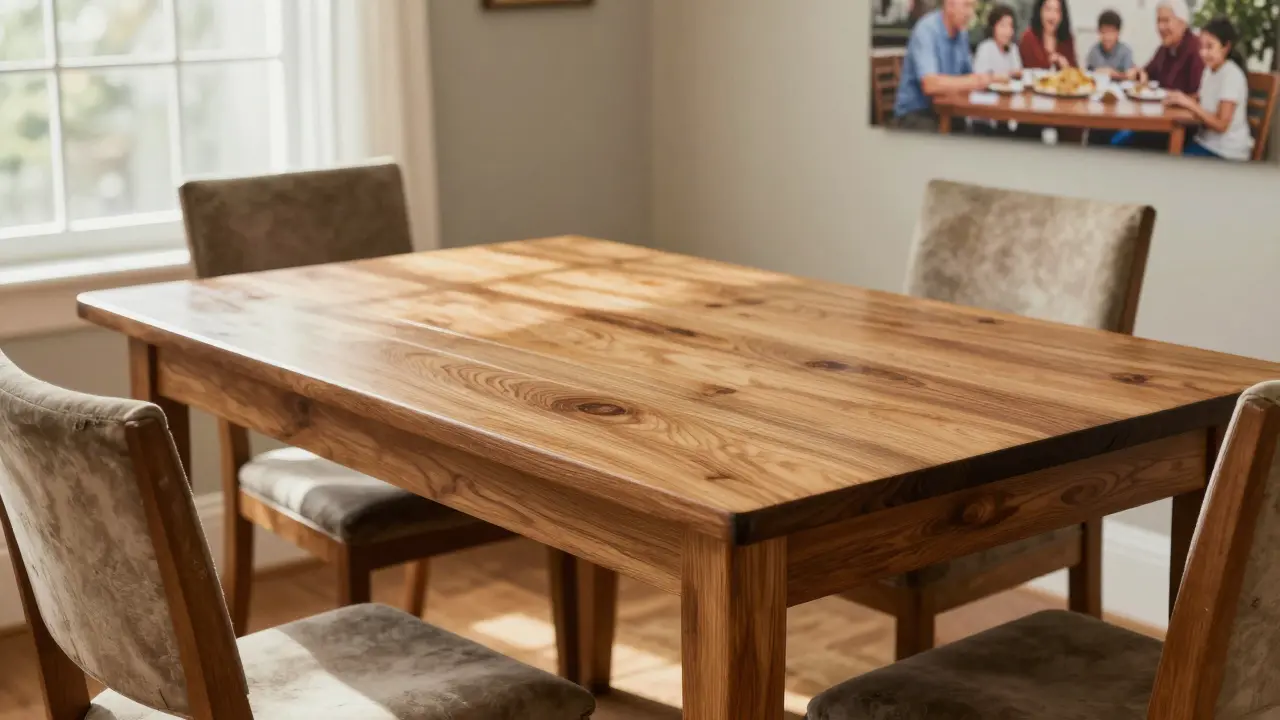
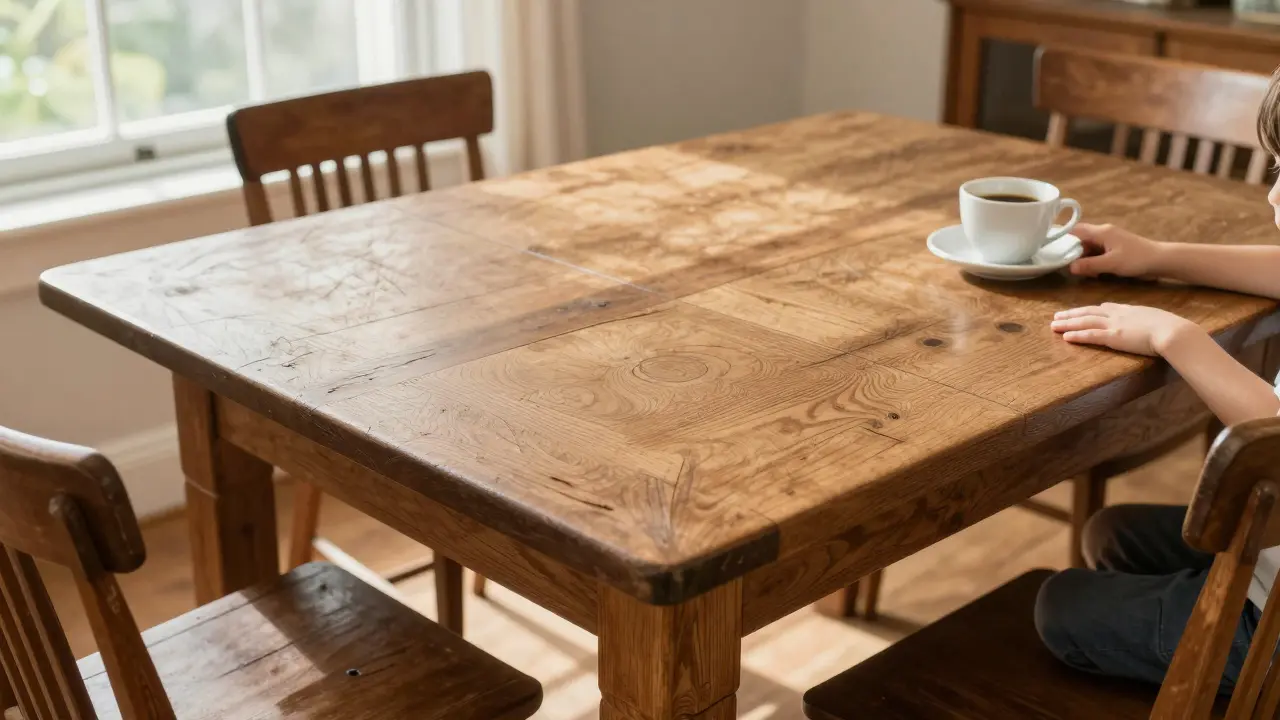
Then there’s solid wood. A $2,000 solid oak dining table isn’t just a table. It’s an heirloom. I’ve seen families pass down these tables through generations. Sand them down, refinish them, and they look brand new. Particleboard tables? They swell if you spill water. They crack when the heat turns on. They become landfill in five years.
And don’t forget hand-finishing. Machine-sanded wood looks smooth. Hand-sanded wood looks alive. It catches the light differently. It has depth. You can’t replicate that with a robot. That’s why a hand-rubbed oil finish on a coffee table can cost $1,500 more than a factory spray job. It’s not just aesthetics-it’s craftsmanship.
The Hidden Costs of Cheap Furniture
Here’s the thing most people forget: cheap furniture isn’t cheap if you keep replacing it.
Think about it. You buy a $600 sofa. Two years later, the cushions are flat, the fabric is stained, and the frame is wobbly. You toss it. Buy another one. And again. In ten years, you’ve spent $3,000 on sofas. Meanwhile, someone who spent $2,500 on a solid frame and high-density foam? They’re still on their first one.
And don’t overlook the environmental cost. The average piece of furniture from a big-box store lasts 3-5 years. Then it ends up in a landfill. The EPA estimates that 12 million tons of furniture get dumped in the U.S. every year. That’s not just waste-it’s pollution from shipping, manufacturing, and disposal.
Expensive furniture often lasts 20+ years. That’s fewer trips to the dump. Fewer resources used. Fewer emissions.
When Expensive Furniture Isn’t Worth It
But here’s the flip side: not every expensive piece is worth the hype.
Some brands charge triple the price just because they’re named after a designer or have a fancy logo. I’ve seen $4,000 sectionals that use the same foam and frame as $1,200 models-just with a different cover and a $1,000 branding fee. The difference? A name on the tag.
Same goes for designer aesthetics. A $5,000 armchair might look stunning in a magazine. But if it’s too deep to sit comfortably, too wide for your space, or too low to get out of, it’s not functional. Furniture should serve you-not the other way around.
And let’s talk about delivery and assembly. Many high-end brands charge $300-$600 just to deliver and set up one piece. That’s not part of the product. That’s a hidden fee. Some local makers include it. Big brands? Not so much.
How to Spot Real Value
So how do you know if you’re getting value-not just a price tag?
- Ask about materials. Not just "wood"-ask what kind. Oak? Maple? Bamboo? If they can’t tell you, they’re hiding something.
- Check the joints. Look under cushions, behind legs. Are screws visible? Are there glue marks? That’s a red flag.
- Test the comfort. Sit on it. Lean back. Shift your weight. Does it feel supportive? Or does it collapse?
- Ask about warranty. A 10-year warranty on the frame? That’s confidence. A 1-year warranty? That’s a warning.
- Look at the origin. Made in Canada? USA? That usually means better labor standards and quality control. Made in Vietnam? Not bad-but find out who actually built it.
Real-World Example: A ,800 Sofa vs. a ,500 One
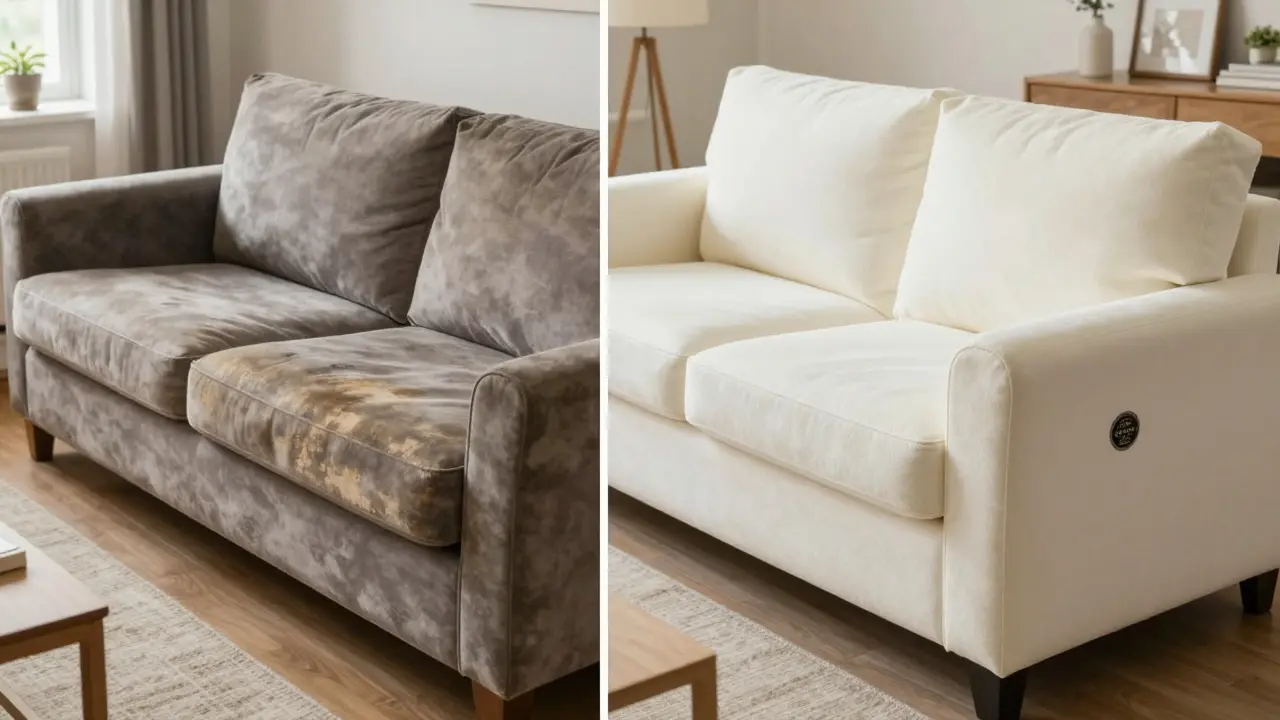
Two sofas. Same size. Same color. One costs $1,800. The other $4,500.
The $1,800 one: plywood frame, 1.8 density foam, synthetic blend fabric, machine-stitched seams. Comes in a box. You assemble it. It’s fine-for now.
The $4,500 one: solid kiln-dried maple frame, 3.0 density foam, performance-grade wool blend, hand-stitched seams, hand-rubbed oil finish. Delivered and assembled by trained technicians. Comes with a 15-year frame warranty.
Which one’s better? The $4,500 one. But only if you plan to keep it for 15+ years. If you’re moving in two years? The $1,800 one makes more sense.
The Bottom Line
Is expensive furniture better? Sometimes. But not because it’s fancy. Because it’s built to last.
The best furniture isn’t the most expensive. It’s the one that fits your life. If you’re staying put, have kids, or entertain often-invest in quality. If you’re renting, moving often, or on a tight budget-there’s no shame in smart, affordable options.
What matters isn’t the price tag. It’s the value. A $2,000 piece that lasts 25 years? That’s a bargain. A $5,000 piece that looks great for two years and falls apart? That’s a waste.
Don’t buy furniture because it’s expensive. Buy it because it’s made to be yours-for a long time.

Indi s
February 12, 2026 AT 02:12I used to buy cheap furniture because I thought it was smarter. Then my sofa collapsed after two years and I had to sleep on the floor for a month. Now I know: quality isn't about price, it's about peace of mind.
Rohit Sen
February 12, 2026 AT 02:24Expensive? Please. I bought a $300 couch from IKEA and it’s still going strong. You’re just being manipulated by marketing.
Vimal Kumar
February 12, 2026 AT 23:46There’s truth in both sides. If you’re gonna live with something every day, why not make it last? But if you’re moving every 2 years, don’t stress. Just don’t buy the flimsy stuff. Look for solid corners, real wood, and decent foam. You don’t need to break the bank, but don’t go for the bargain bin either.
Amit Umarani
February 14, 2026 AT 14:11You wrote "a ,800 sofa" and "a ,500 one." Did you forget the numbers or is this a typo? If this is the standard for your article, I’m skeptical of everything else.
Noel Dhiraj
February 14, 2026 AT 22:56My dad had a dining table from the 70s. He sanded it down last year and restained it. It looks better than new. That’s the kind of thing you don’t replace. You take care of it. And that’s what real value is.
vidhi patel
February 15, 2026 AT 17:50It is imperative that one acknowledges the fundamental fallacy in equating cost with quality. The article erroneously implies that durability is synonymous with price, when in fact, many high-end manufacturers engage in deliberate obsolescence under the guise of "hand-finishing."
Priti Yadav
February 16, 2026 AT 23:09Did you know most "hand-stitched" furniture is actually stitched by machines in China and labeled as "handmade"? Big brands are lying to you. They know you’ll pay more for the word "craftsmanship."
Ajit Kumar
February 17, 2026 AT 12:31It is not merely a matter of aesthetics or even durability; it is a philosophical stance on consumption itself. To purchase furniture that is designed to be replaced every few years is to endorse a culture of disposability that erodes both environmental integrity and personal dignity. True value lies not in the object, but in the intention behind its creation and the commitment to its stewardship.
Diwakar Pandey
February 18, 2026 AT 11:27I’ve got a $1,200 sofa from a local maker. Frame is solid oak, foam is 2.5 density, fabric is Crypton. Five years in, still looks great. Didn’t need to spend $4k. Just needed to know what to look for. The article nailed it - it’s not about price, it’s about knowing what matters.
Geet Ramchandani
February 19, 2026 AT 10:58Let’s be real - this whole "invest in quality" thing is just rich people’s guilt dressed up as wisdom. Most people can’t afford $5,000 furniture. And guess what? They’re not dumb for buying cheaper stuff. They’re practical. The real problem is that the market forces people into this impossible choice - either spend your life savings or live with junk. It’s not your fault. It’s the system.
Pooja Kalra
February 20, 2026 AT 00:44There is a deeper truth here, though rarely spoken. Furniture reflects the soul of its owner. A piece that endures is not merely constructed - it is chosen with intention. To discard what is temporary is to acknowledge impermanence. To cherish what is lasting is to resist the noise of a world that demands constant consumption.
Sumit SM
February 20, 2026 AT 10:13And let’s not forget - the real luxury isn’t the wood or the stitching - it’s time. Time to sit. Time to relax. Time to not worry about your couch falling apart. That’s the real ROI. A $4,000 sofa that lasts 30 years? That’s 30 years of comfort. That’s 30 years of not having to rearrange your life around a new purchase. That’s priceless.
Jen Deschambeault
February 21, 2026 AT 01:05My mom bought a Canadian-made dresser in 1985. I just moved it into my new apartment. It still has the original hardware. No scratches. No wobble. I didn’t know how special it was until I started looking at modern furniture. Now I get why people pay more. It’s not about status. It’s about legacy.