Choosing furniture isn’t just about picking pieces that look nice. It’s about making sure they fit your life, your space, and your budget. Too many people buy a sofa because it’s on sale, only to realize six months later it’s too big, too stiff, or doesn’t match how they actually live. The right furniture doesn’t just fill a room-it makes your home work better.
Start with how you use the space
Before you even look at a single chair, ask yourself: what happens in this room every day? If you’re watching TV on the couch while your kid plays on the floor, you need something durable, low to the ground, and easy to clean. If you host dinner parties every weekend, a large dining table with room for eight matters more than a fancy coffee table. Furniture should serve your routine, not the other way around.
Take a week and write down how you use each room. Do you work from the couch? Do you read in bed? Do you need extra seating for guests? Write those habits down. They’ll tell you what kind of furniture you actually need-not what’s trending.
Measure everything-twice
One of the biggest mistakes people make is buying furniture that doesn’t fit. A 90-inch sofa might look perfect in the store, but if your doorway is 30 inches wide, you’re stuck. Same goes for door swings, stair turns, and elevator sizes if you live in an apartment.
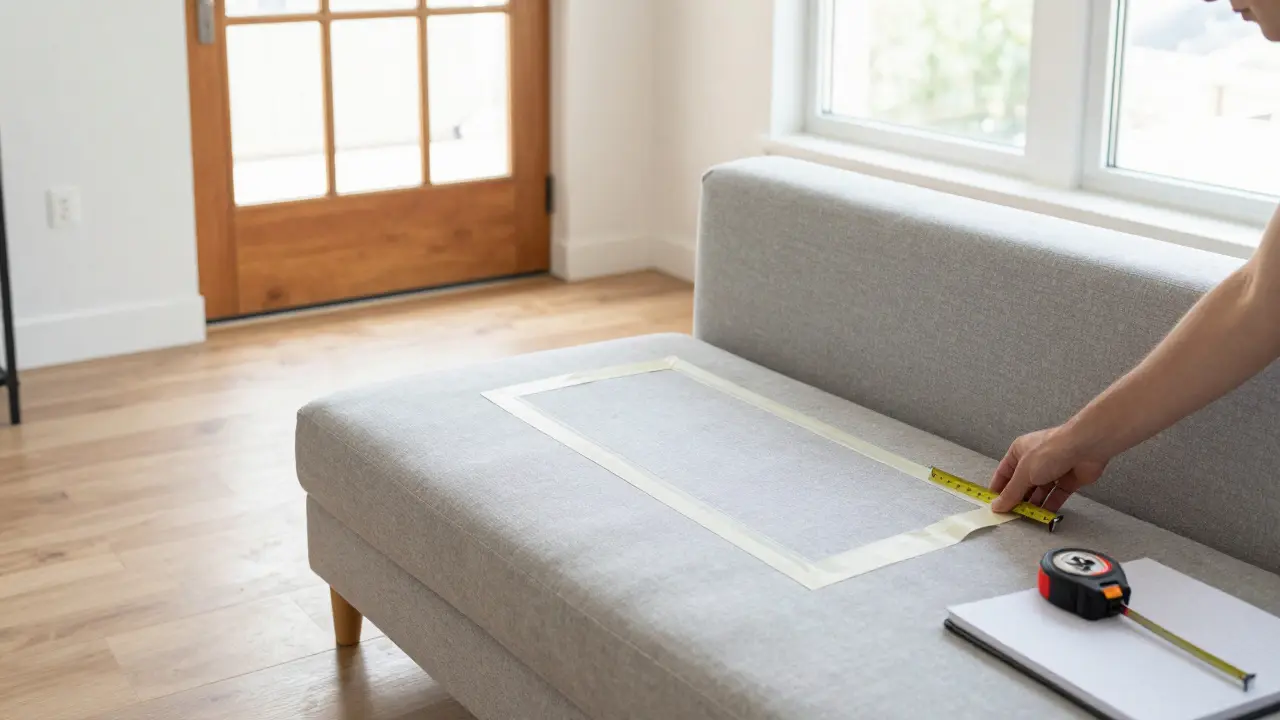
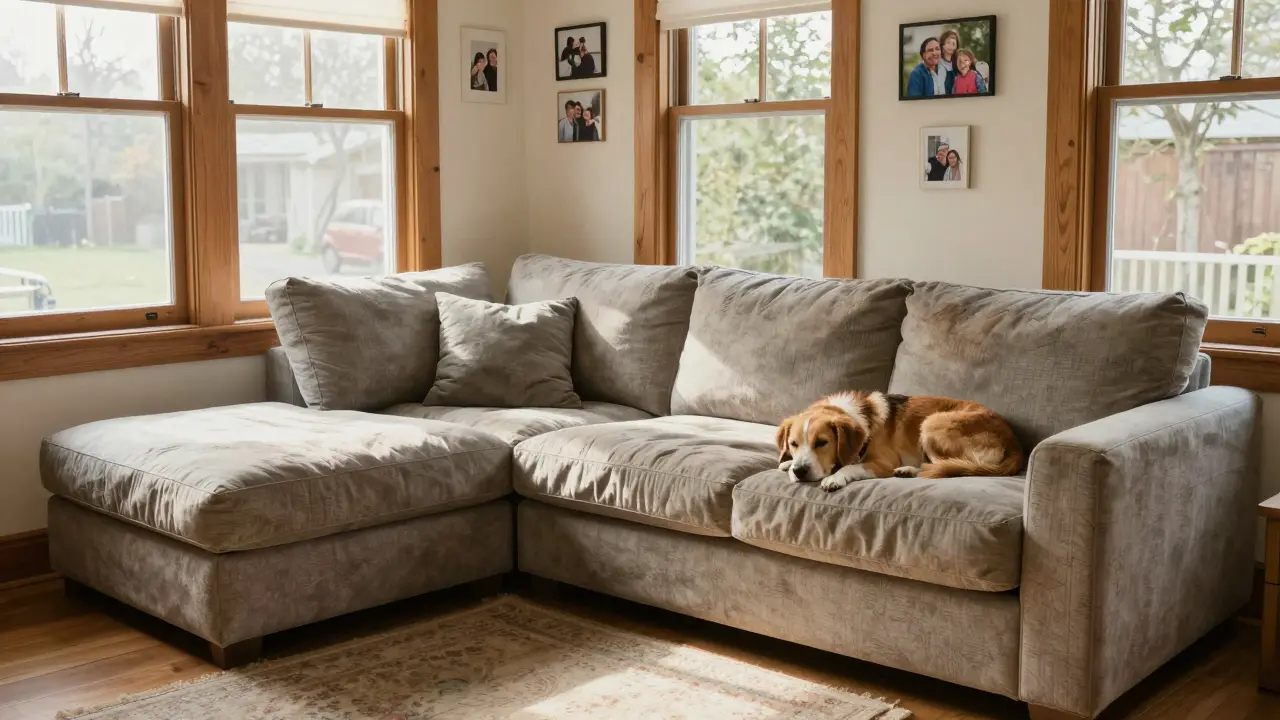
Grab a tape measure. Write down the width, height, and depth of every doorway, hallway, and staircase. Then measure the floor space where the furniture will go. Leave at least 24 inches of walking space around major pieces. If you’re putting a sofa against a wall, make sure there’s room for a side table and a lamp too. A common mistake? Buying a sectional that blocks the TV or blocks access to windows.
Pro tip: Use masking tape to outline the footprint of the furniture on your floor. Walk around it. Sit in the imaginary seat. Does it feel right? If not, go smaller.
Think about materials that last
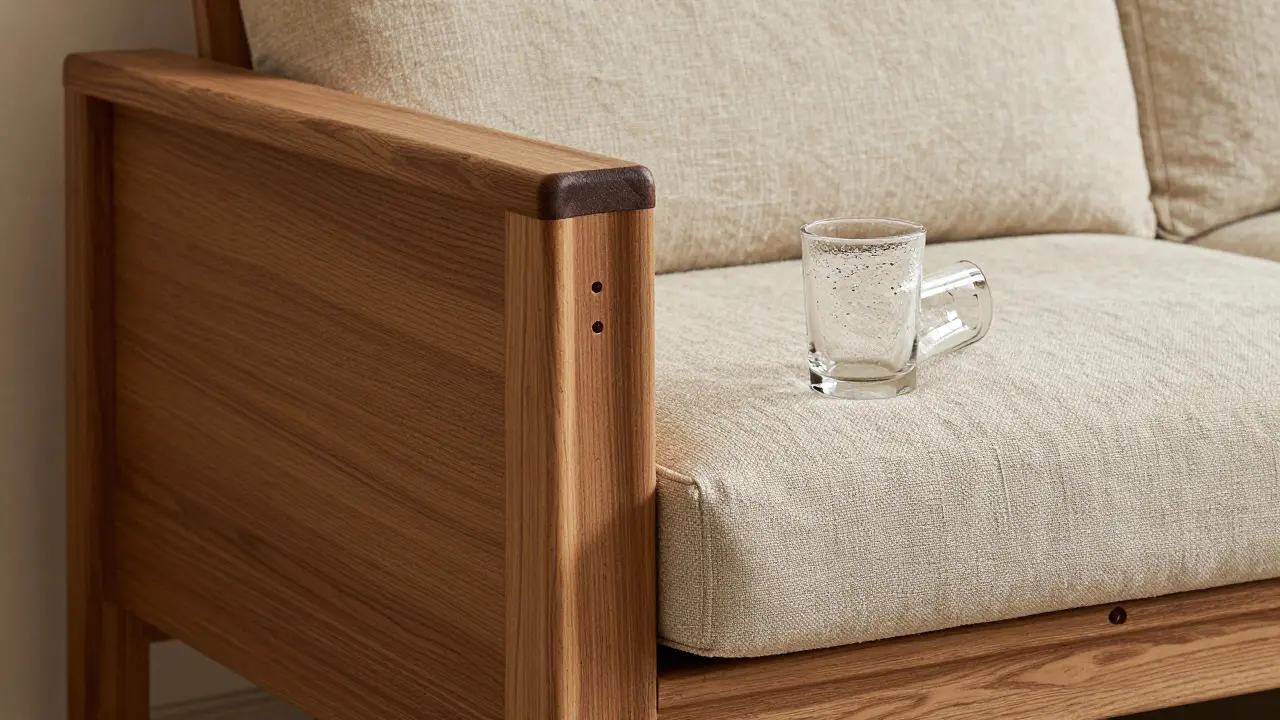
Furniture isn’t cheap. You don’t want to replace your couch every three years. Look for solid wood frames, not particleboard. Check the joints-dovetail or mortise-and-tenon joints are strong. Avoid anything held together with nails or staples alone.
For upholstery, choose tightly woven fabrics like performance linen, microfiber, or outdoor-grade material. They resist stains, pet hair, and spills. Leather is durable, but only if it’s full-grain. Avoid bonded leather-it cracks after a year or two. If you have kids or pets, skip velvet, silk, or light-colored cotton.
For outdoor or high-moisture areas like sunrooms, go for teak, aluminum, or powder-coated steel. These materials don’t warp, rust, or fade easily.
Don’t ignore scale and proportion
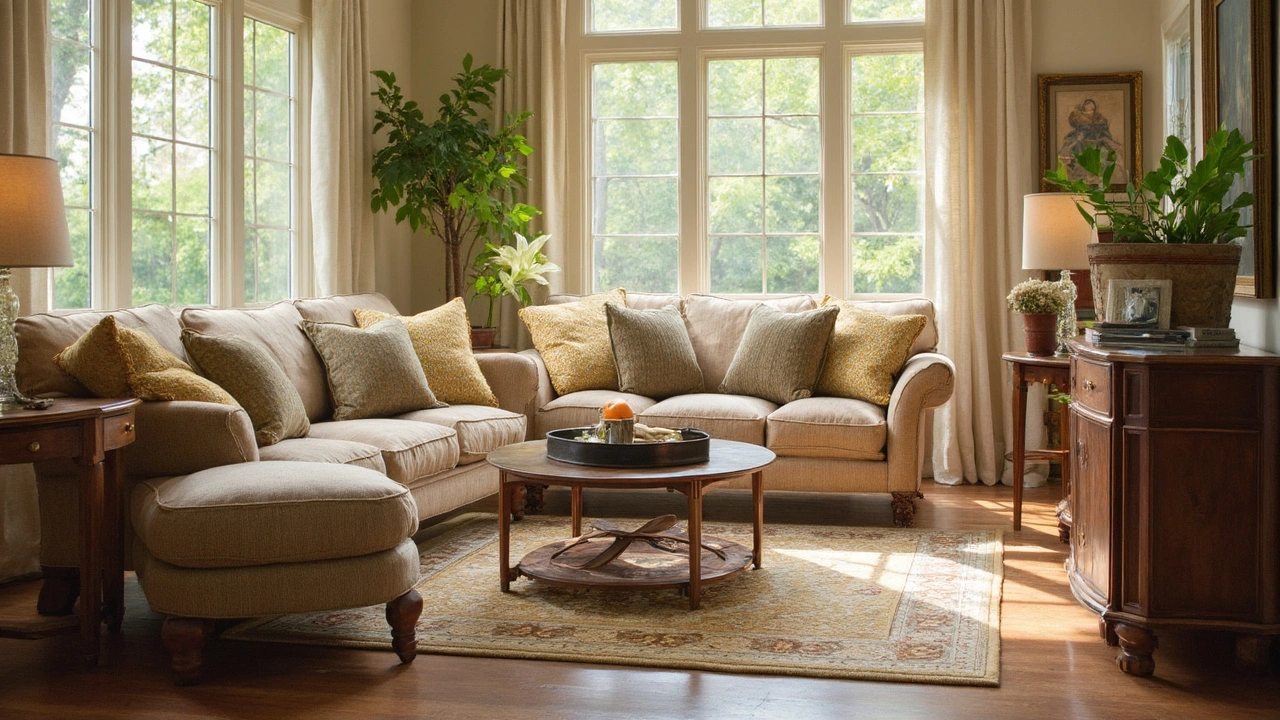
A small room with a giant sectional looks like a wrestling ring. A huge living room with a tiny loveseat looks lost. Furniture should feel balanced. A good rule of thumb: the largest piece in the room should be about two-thirds the length of the wall it’s on. If your wall is 12 feet long, aim for a sofa around 8 feet.
Stacking height matters too. If you have high ceilings, tall bookshelves or floor lamps add vertical interest. In rooms with low ceilings, choose low-profile furniture to avoid making the space feel cramped.
Also, match the scale of your furniture to your body. A deep, low couch might look cool, but if you’re 5’4”, you’ll struggle to get out of it. Try sitting in every piece before buying. Your knees should be at a 90-degree angle when seated. Your feet should rest flat on the floor.
Color and texture matter more than you think
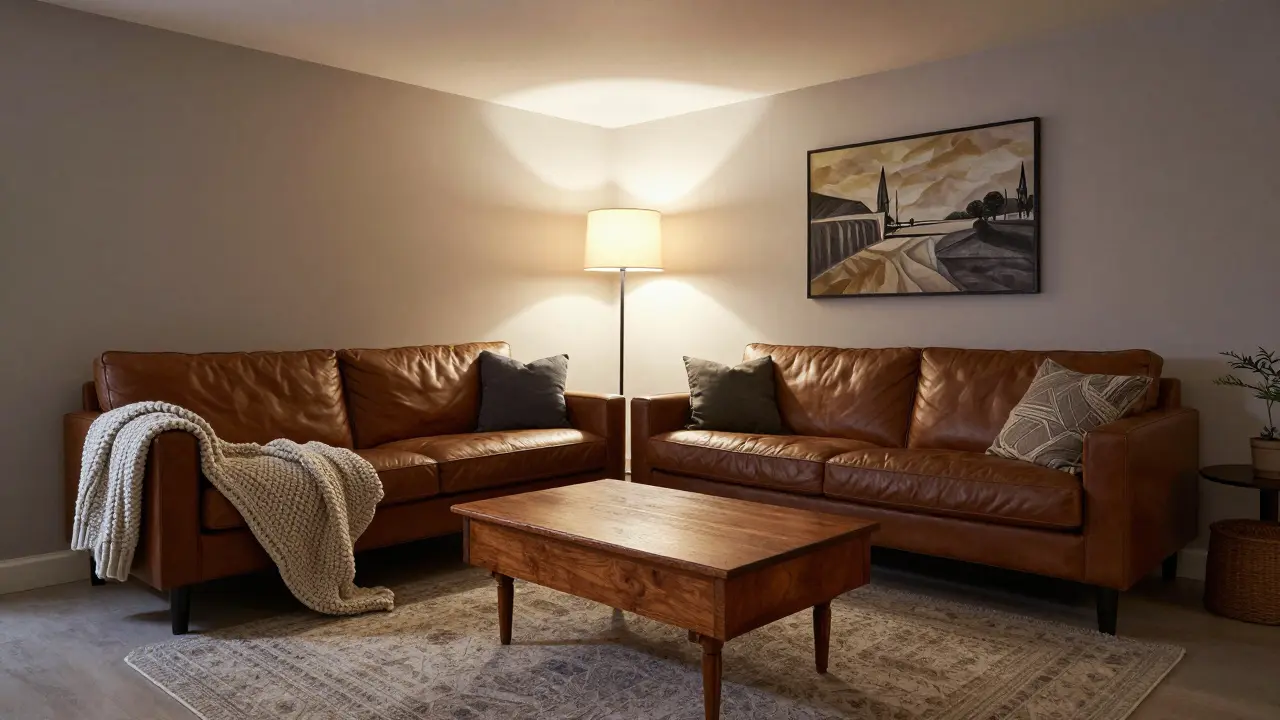
Color sets the mood. Dark wood and charcoal fabrics create a cozy, serious feel. Light woods and pastels feel airy and calm. But don’t pick color based on a photo. Paint a small swatch on the wall and live with it for a few days. Lighting changes everything.
Texture adds depth. Mix smooth leather with a chunky knit throw. Pair a glossy coffee table with a rough-hewn wooden side table. If everything matches too perfectly, the room feels flat. A little contrast makes a space feel lived-in and intentional.
And don’t forget rugs. A rug anchors the seating area. It should be big enough so all the legs of your main furniture sit on it-or at least the front legs. If your sofa is 8 feet long, your rug should be at least 9 feet.
Buy smart: quality over quantity
You don’t need to buy everything at once. Start with the essentials: a sofa, a bed, a dining table, and a few chairs. Then add pieces over time. This lets you live with the space and notice what’s missing.
When you’re ready to buy, check reviews from real users-not just star ratings. Look for comments about durability, comfort, and assembly. Brands like IKEA are great for budget pieces, but their frames can sag after a few years. Mid-range brands like West Elm or Crate & Barrel offer better support and materials. High-end brands like Roche Bobois or Poliform last decades but cost 3-5 times more.
One trick: look for furniture with removable covers. You can wash or replace them later. That extends the life of the piece dramatically.
Test before you buy
Never buy a sofa or chair without sitting in it. Sit like you normally would-lean back, cross your legs, shift positions. Does the back support your lower spine? Do your arms rest naturally? Is the cushion firm enough to last, or does it flatten like a pancake after a week?
Try the same chair at different times of day. Lighting changes how things feel. A chair that feels comfy at noon might feel too hard at night under dim light.
If you’re buying online, check return policies. Many companies offer free returns for furniture, especially during holiday sales. Take advantage. Order a few options, test them at home, and send back the ones that don’t work.
What to skip
Don’t buy furniture just because it’s trendy. That neon green accent chair? It’ll look dated in two years. Avoid overly ornate designs if you like to keep things simple. Steer clear of furniture with too many moving parts-recliners with built-in speakers, ottomans with hidden storage, and modular systems that require assembly. They break. They get confusing. They’re expensive to fix.
And skip anything that doesn’t have a warranty. Even budget brands should offer at least a one-year guarantee on frames and mechanisms. If they don’t, they don’t believe in their own product.
Final checklist
- Does it fit through doorways and hallways?
- Does it fit the room size without crowding?
- Does it match how you actually live?
- Is the frame solid wood or high-density plywood?
- Is the upholstery stain-resistant and durable?
- Can you sit in it comfortably for 10 minutes?
- Does it have a warranty?
- Can you return it if it doesn’t work?
Good furniture doesn’t shout. It doesn’t need to be the center of attention. It just works-quietly, reliably, for years. When you get it right, you stop noticing it. And that’s when you know you chose well.
What’s the most important factor when choosing furniture?
The most important factor is how you use the space. Furniture should match your daily habits-not your Pinterest board. A sofa you only use for watching TV doesn’t need to be a luxury model. A dining table you use every night needs to be sturdy and easy to clean. Prioritize function over form.
Is it worth spending more on high-end furniture?
It depends on how long you plan to keep it. High-end furniture often lasts 20+ years with proper care. Budget furniture may need replacing every 3-5 years. If you’re planning to stay in your home for a decade or more, investing in better materials saves money over time. For short-term living situations, mid-range options offer the best balance of quality and price.
How do I know if a sofa is well-made?
Check the frame: it should be made of hardwood, not particleboard. Look for double-dowelled or mortise-and-tenon joints. Lift one corner-if it wobbles, the frame is weak. For cushions, press down firmly. High-resiliency foam should spring back quickly. Avoid cushions that feel flat or sink too deep. Removable, zippered covers are a sign of quality construction.
Can I mix different styles of furniture?
Yes, mixing styles creates character. The key is balance. Pair a modern leather sofa with a vintage wooden coffee table. Add an industrial metal lamp to a farmhouse dining set. Stick to one dominant style, then use two or three accent pieces from other eras. Avoid matching everything-it looks like a showroom, not a home.
What’s the best way to test furniture before buying?
Sit in it for at least 10 minutes. Move around like you normally would-lean back, cross your legs, shift positions. Check if your back is supported, your arms rest naturally, and your feet touch the floor. Test the mechanism if it’s a recliner or pull-out bed. Ask if you can take it home on a trial basis. Many stores offer 7-14 day returns for furniture.


Paul Timms
February 15, 2026 AT 20:14Furniture should serve your life, not the other way around. I’ve learned this the hard way. Bought a gorgeous mid-century sofa that looked like a magazine spread. Lasted three months before my dog shredded the armrest. Now I only buy performance fabric. No exceptions.
Function first. Form follows. Always.
Jeroen Post
February 17, 2026 AT 14:20You think this is about furniture but it’s about control. The system wants you to believe you need to measure twice and buy smart. But what if the whole idea of owning furniture is a capitalist trap? What if your couch is just a symbol of your submission to consumerist dogma?
Stop buying. Start living. Burn the sectional. Sit on the floor. Find freedom.
Sally McElroy
February 17, 2026 AT 17:44I appreciate the advice, but honestly, I think people ignore the emotional weight of furniture. It’s not just about measurements or fabric. It’s about the energy a piece carries. I once sat on a thrift-store armchair that made me cry for ten minutes. Turns out, it belonged to a woman who lost her husband in 2008. That chair held grief. And peace.
So yes, measure twice-but also feel once.
Elmer Burgos
February 17, 2026 AT 20:59Love this. Especially the masking tape trick. I did that with a sectional last year and realized it blocked the radiator. Ended up getting a smaller one and now my whole living room feels open. Also, never buy a sofa without testing it at night. Lighting changes everything.
And yeah, removable covers are a game changer. My cat’s been living in the house for six years now. My couch still looks new.
Jason Townsend
February 17, 2026 AT 22:44They say measure twice but they never tell you about the hidden dimensions. Doorways aren’t the problem. It’s the fire escapes. The elevator shafts. The HOA rules that ban anything over 30 inches wide. You think you’re buying furniture. They’re buying your compliance.
I once returned a bed because the delivery guy said I’d need to remove the third-floor window to get it in. That’s not a design flaw. That’s a conspiracy.
Antwan Holder
February 18, 2026 AT 16:51Let me tell you about the day I bought my first sofa. I thought I was choosing comfort. I was choosing survival. I had just left an abusive relationship. The couch was the first thing I owned that didn’t come with strings attached. It didn’t judge. It didn’t demand. It just held me.
So when you say ‘function over form,’ you’re right. But function isn’t just about space. It’s about safety. It’s about silence. It’s about a place where you don’t have to explain yourself.
Angelina Jefary
February 20, 2026 AT 05:08Typo in the article: 'dovetail or mortise-and-tenon joints are strong' - should be 'dovetail or mortise-and-tenon joints are STRONG.' Capitalization inconsistency. Also, 'performance linen' isn't a real term. It's 'performance weave' or 'linen blend.' This is why people can't trust online advice.
And why is 'bonded leather' capitalized? It's not a proper noun. Fix your grammar before you fix my furniture.
Jennifer Kaiser
February 21, 2026 AT 23:17Most people miss the real point: furniture is a reflection of your relationship with time. If you’re always moving, buy modular. If you’re staying, invest. If you’re healing, choose comfort over aesthetics. If you’re building a life, choose pieces that outlive your doubts.
I bought a dining table for $150 at a garage sale. It’s 80 years old. My daughter drew on it with crayons. My husband proposed over it. My cat scratches the leg. It’s not perfect. It’s mine.
That’s the metric no one talks about: does it hold your story?
TIARA SUKMA UTAMA
February 22, 2026 AT 00:40Just buy what fits. Don’t overthink. I got a $99 couch from Walmart. It’s fine. My dog pooped on it once. I wiped it. Still good. Stop spending so much. You don’t need a warranty. You need a sponge.
Jasmine Oey
February 23, 2026 AT 15:23Oh my god, I am SO done with IKEA. I mean, really? Particleboard? It’s like buying a house made of cardboard. I bought a $2000 sofa from a boutique in Brooklyn last year. It’s hand-stitched. The cushions are filled with Hungarian goose down. I cry every time I sit on it. It’s not furniture. It’s therapy.
And yes, I know it’s ‘expensive.’ But what’s the cost of living with something that doesn’t make your soul sigh?
Marissa Martin
February 25, 2026 AT 11:33I don’t comment often. But this. This is important. I used to think furniture was just stuff. Then I moved into my grandmother’s house after she passed. Her rocking chair had a crack in the arm. I didn’t fix it. I didn’t replace it. I just sat in it. Every morning. For a year.
It wasn’t about comfort. It was about continuity.
I don’t need a checklist. I need memory.
James Winter
February 26, 2026 AT 05:46USA made furniture is the only real option. Everything else is imported junk. China makes your couch. Canada makes your car. We should be building our own damn furniture. Stop outsourcing your home. Buy American. Or don’t buy at all.