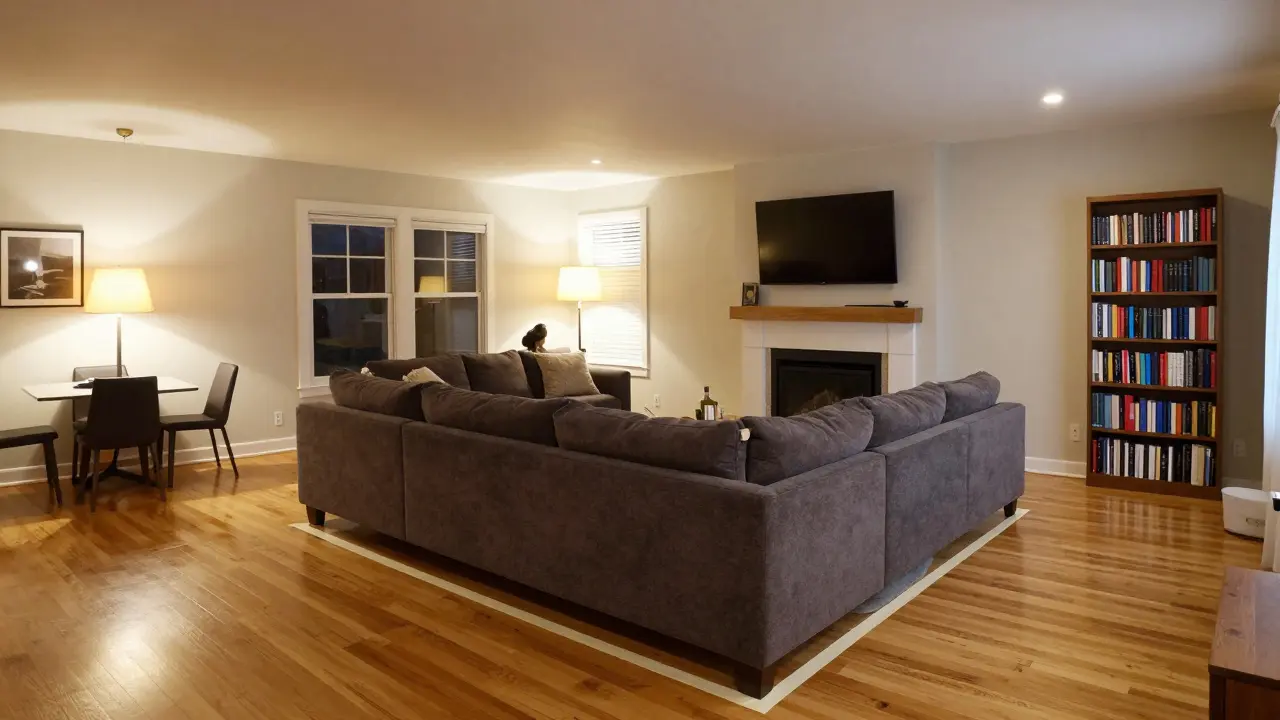
Getting furniture placement right doesn’t mean copying a magazine photo. It means making your space work for how you actually live. Too many people buy nice pieces, then cram them against the walls like they’re in a showroom. The result? A room that looks perfect but feels empty, awkward, or hard to move through. The truth is, furniture placement is about flow, function, and feel-not just looks.
Start with the room’s purpose
Before you move a single chair, ask: What does this room do? Is it for watching TV, hosting dinner, reading quietly, or all of the above? A living room meant for family movie nights needs a clear view of the screen and enough seating for everyone. A formal dining room? That’s about conversation and ease of serving. If you’re trying to do five things in one space, you’ll end up with cluttered corners and dead zones.
Take the living room, for example. If you have a 12x15-foot space with a fireplace on one wall and a large window on another, your main focal point isn’t the TV-it’s the fireplace. That’s where people naturally gather. So place your main sofa facing it, not the TV. Then put the TV on a side wall, angled slightly so it’s visible from the sofa. You’ll be surprised how much more comfortable the room feels when the seating matches the real center of attention.
Leave room to move
People forget that furniture isn’t just for sitting-it’s for walking around. The golden rule? Always leave at least 30 inches of clear space between major pieces. That’s the minimum for someone to walk comfortably behind a sofa or pass between a dining table and a wall. If you have a narrow hallway leading into the room, make sure your entry path stays open. No one wants to sidestep a coffee table every time they walk in.
Try this: Use masking tape on the floor to outline where your sofa, chairs, and table will go. Then walk through the space. Do you bump into corners? Can someone carry a tray from the kitchen to the dining area without turning sideways? If not, adjust. This trick works better than any app or template.
Anchor the room with your largest piece
Your biggest piece of furniture-usually the sofa-should be your anchor. Don’t push it flush against the wall unless the room is tiny. Floating a sofa in the middle of a large room creates a natural division, especially in open-concept spaces. It defines the seating area without walls. In a 20x20-foot open-plan living and dining area, placing a deep sectional perpendicular to the kitchen island turns one big space into two distinct zones.
When you anchor with your largest item, everything else falls into place. Side tables, lamps, and accent chairs can then balance the visual weight. If your sofa is on the left side of the room, put a tall floor lamp or bookshelf on the right. That’s how you avoid a lopsided look.
Think in zones, not just furniture
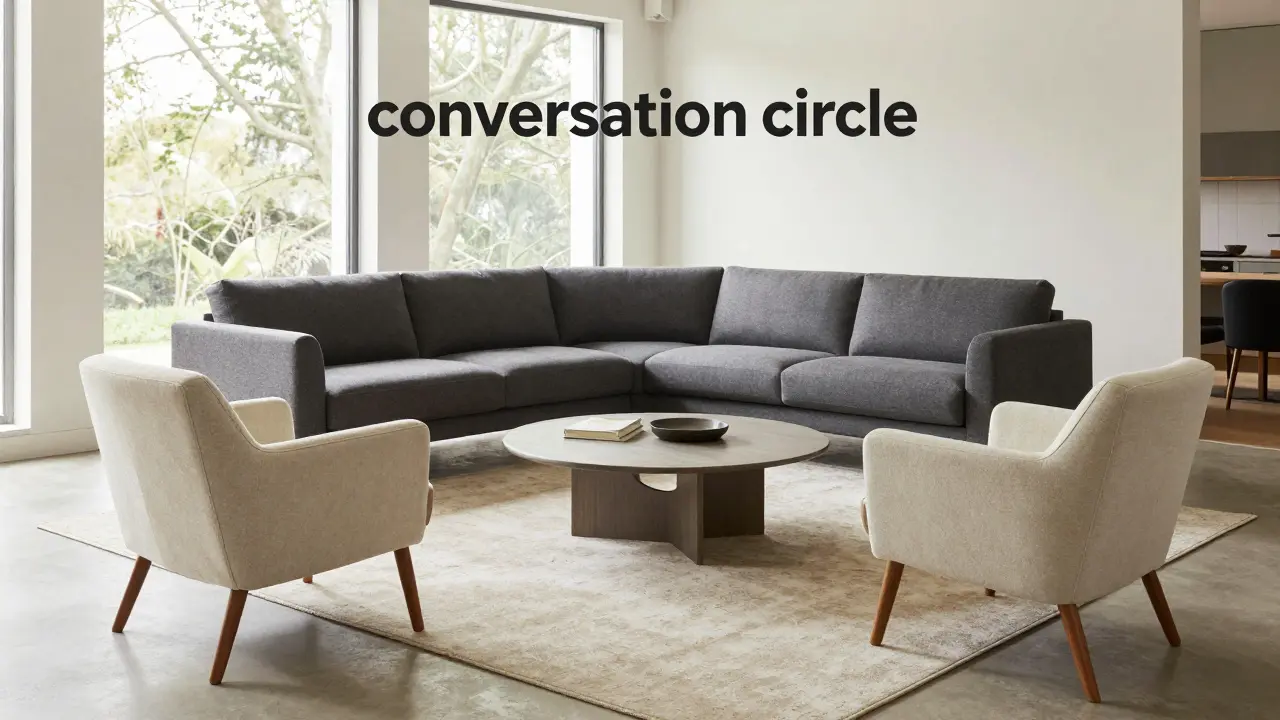
A well-planned room isn’t just a collection of chairs and tables. It’s made up of zones: a reading nook, a conversation circle, a TV viewing area, a workspace corner. Each zone needs its own lighting, surface, and seating.
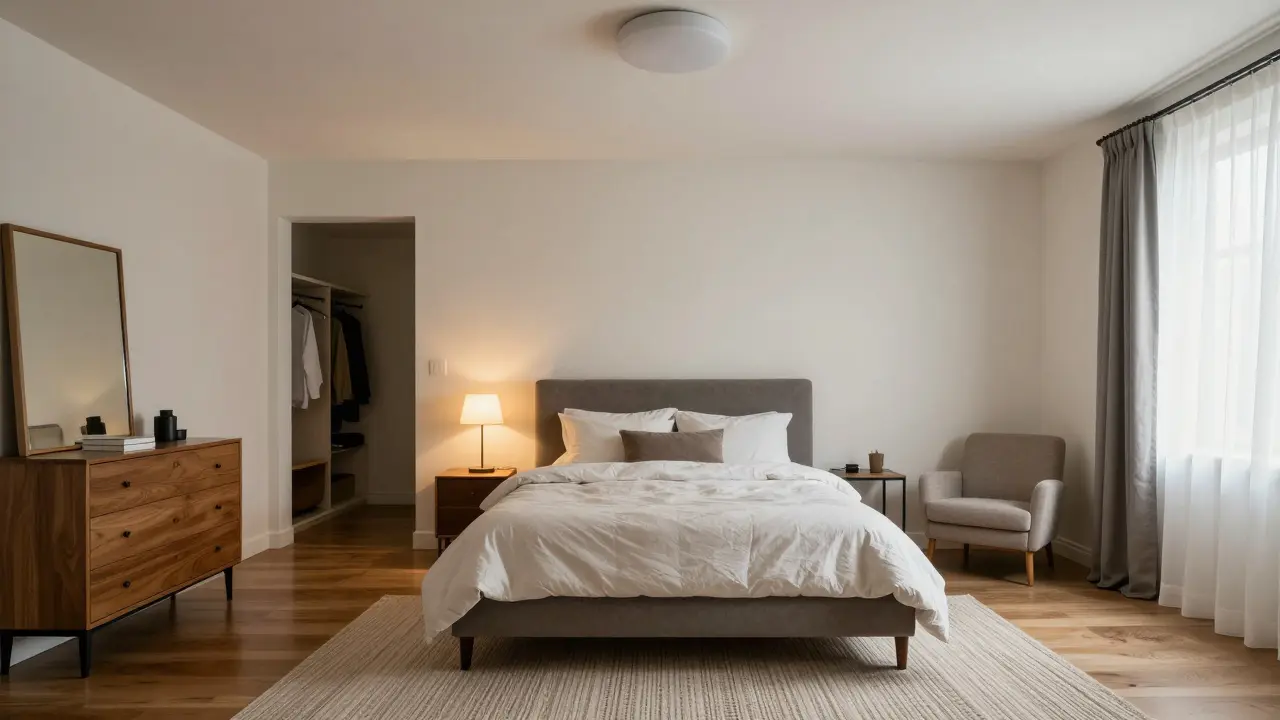
For example, in a bedroom, you might have a sleeping zone (bed centered on the longest wall), a dressing zone (dresser and mirror near the closet), and a reading zone (armchair with a small side table and floor lamp in the corner). These zones don’t need to be walled off-they just need to feel separate. A rug under the reading chair, or a different light fixture above the bed, helps signal the difference.
Try this: Walk through your room and point to each zone. If you can’t name one, you probably haven’t defined it. That’s why the space feels chaotic.
Balance is more important than symmetry
Symmetry looks nice in photos, but real life doesn’t work that way. You don’t need two identical nightstands to make a bedroom feel balanced. What you need is visual weight. A large armchair on one side of the room can balance a tall bookshelf on the other. A heavy wooden coffee table can balance a group of three smaller side tables.
Look at your room from the doorway. Does one side feel heavier? Add a plant, a lamp, or a stack of books to lighten it. Does one corner feel empty? A floor lamp or a standing shelf can pull the eye over without adding clutter.
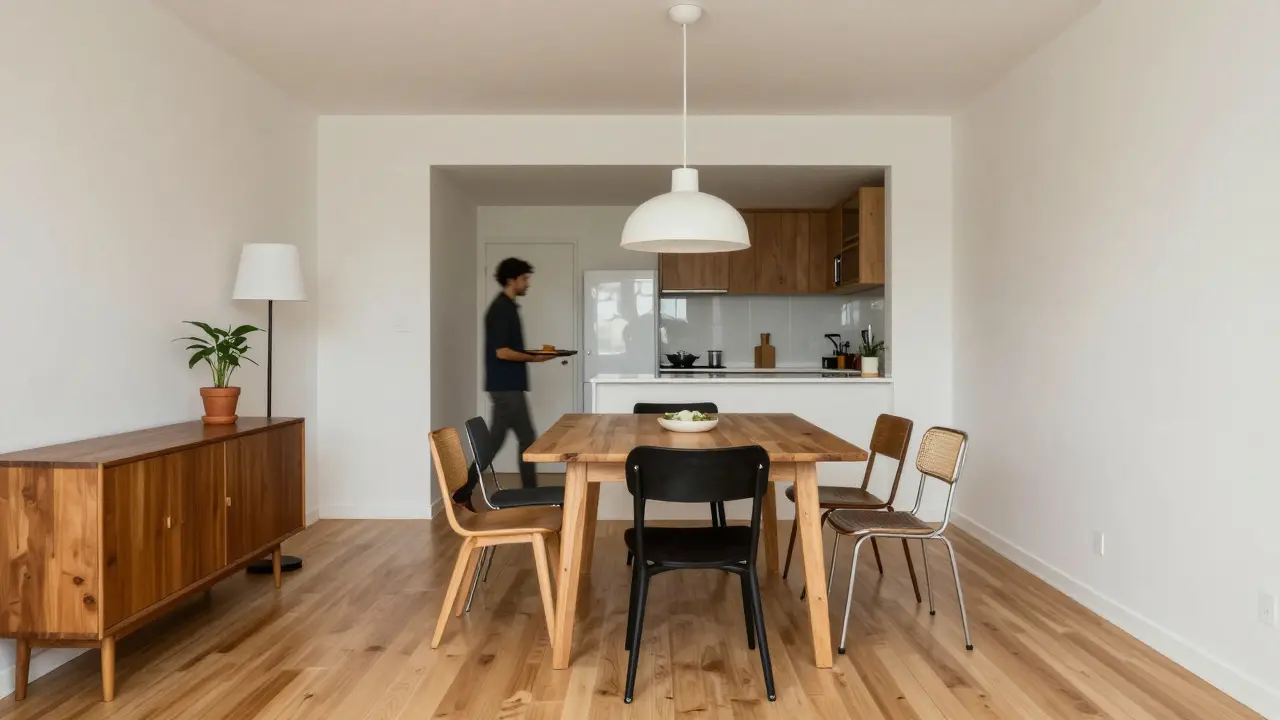
Don’t stress about matching everything. Mismatched chairs around a dining table can feel cozy and intentional. The key is making sure the eye doesn’t get stuck on one spot because it’s too heavy or too empty.
Lighting shapes the layout
Where you place your lamps changes how people use the space. A floor lamp behind a sofa creates a warm glow for reading. A pendant light over a dining table pulls people toward it. If your living room only has one overhead light, it makes the whole space feel flat and uninviting.
Use three types of light: ambient (overhead), task (reading lamps), and accent (spotlights on art or shelves). Position them to support your zones. If your reading chair is in the corner, put a lamp beside it-not across the room. If your desk is near a window, don’t put a bright lamp behind you. You’ll create glare.
Try this: Turn off all the lights at night and use only one lamp. See where the light falls naturally. That’s where people will sit. Adjust your furniture to match.
Measure everything-then measure again
Don’t guess. Measure your room, your doors, your windows, and your furniture. A sofa that looks fine in the store might be too wide for your space. A dining table that seats eight might block the kitchen doorway. Use a tape measure. Write down the numbers. Then sketch a simple floor plan on graph paper or use a free app like Roomstyler or Planner 5D.
Also check the height of your furniture in relation to other things. A low coffee table looks great next to a deep sofa-but if your TV stand is taller than the table, it’ll feel disconnected. The top of your sofa back should be roughly level with the bottom of your TV. That’s the sweet spot for comfortable viewing.
Test it before you buy
Before you spend $1,000 on a sectional, rent or borrow one for a weekend. Use cardboard boxes to simulate the size and shape. Sit in it. Walk around it. See how it feels in your actual space under your actual lighting. What looks good in a showroom might feel awkward in your home with your dog, your kids, and your morning coffee routine.
Real life doesn’t have perfect lighting or staged props. Your furniture should fit your rhythm, not a Pinterest board.
Final tip: Let the room breathe
The biggest mistake? Filling every inch. A room with too much furniture feels like a storage closet. Leave empty space. Let the floor show. Let light hit the walls. That’s what makes a space feel calm, not crowded.
Start with the essentials: a place to sit, a place to put your drink, a place to rest your feet. Add more only if it serves a real purpose. If you’re not using it, take it out. You’ll be amazed how much more spacious your home feels.

Michael Jones
January 7, 2026 AT 18:54Stop treating your living room like a museum. Furniture isn’t there to look pretty it’s there to hold your ass after a long day. I put my couch in the middle of the room because I like to face the window when I nap. The TV? Yeah it’s on the wall to the left. Who cares if it’s not centered. Real life doesn’t come with a design magazine filter.
Also stop measuring everything. Just move stuff around until it feels right. Your body knows what works better than any app.
And if you’re still using masking tape to test layouts you’re doing it wrong. Use cardboard boxes. Cheaper. And you can kick them when you’re mad at your furniture.
Let the room breathe. That’s the only rule that matters.
allison berroteran
January 8, 2026 AT 12:12I’ve spent years trying to make my space look like it belongs in a catalog only to feel more alone in it. The moment I stopped worrying about symmetry and started thinking about zones everything changed. I turned a corner by the window into a reading nook with a single chair and a floor lamp. No rug. No side table. Just me and the light. It’s not Instagram-worthy but it’s where I go when I need to be quiet.
I think we’ve been sold this idea that balance means matching everything. But real balance is about harmony between what you need and what you feel. A mismatched chair doesn’t mean your taste is bad. It means you’re listening to your own rhythm instead of someone else’s idea of perfect.
And lighting? That’s the silent architect. I used to have one overhead bulb. Now I have three lamps. One by the couch one by the desk and one behind the bookshelf. The way the light pools at night feels like a hug.
It’s not about design. It’s about belonging.
Gabby Love
January 9, 2026 AT 06:07Just a quick note on the 30-inch rule. That’s the minimum for walking behind a sofa but if you have pets or kids you need at least 36. My cat used to get stuck between the couch and the side table. Now I have 40 inches. She’s happy. I’m happy. No more feline traffic jams.
Also if your coffee table is lower than your sofa seat you’re doing it right. If it’s higher you’re going to hit your knees every time you lean forward. Trust me I measured this 17 times.
Jen Kay
January 9, 2026 AT 17:51It’s fascinating how we’ve turned home design into a performance. We buy furniture not to live in it but to prove we can curate a life that looks like it belongs on a screen. The real tragedy isn’t the misplaced sofa-it’s that we’ve forgotten how to just be in our own spaces.
And yet here we are measuring tape in hand trying to replicate a fantasy. I’ve seen people spend $5000 on a sectional because it ‘looks good in photos’ then complain they can’t sit comfortably. The irony is thick enough to spread on toast.
Maybe the real design flaw isn’t the layout. Maybe it’s the belief that our homes should be judged instead of lived in.
Michael Thomas
January 10, 2026 AT 11:32USA makes the best furniture. Stop listening to these fancy-pants tips. Just put the couch where it fits. No tape. No apps. No zones. America doesn’t need your Pinterest nonsense.
Abert Canada
January 12, 2026 AT 04:47I grew up in a tiny apartment in Montreal where the couch doubled as a dining table and the bed had to fold into the wall. We didn’t have room for ‘zones’ or ‘visual weight’ or any of that. But we had laughter. We had coffee on the floor. We had people everywhere.
Maybe the real lesson here isn’t how to arrange furniture. Maybe it’s how to make space for people. The couch doesn’t need to float. It just needs to hold someone who needs to sit down.
Xavier Lévesque
January 12, 2026 AT 18:30They say ‘let the room breathe’ like it’s some zen mantra. Meanwhile I’ve got three kids a dog and a cat who all think the coffee table is a launchpad. My ‘breathing room’ is now a obstacle course.
Also I put my TV on the wall because my wife says the fireplace is ‘too romantic for Netflix.’ So now we have a 75-inch screen facing a stone hearth that we never light. The room is balanced. The marriage? Not so much.
Thabo mangena
January 13, 2026 AT 15:28In my homeland of South Africa we often gather around a central fire. The seating is never symmetrical. It is organic. It is responsive. The furniture does not dictate the human connection-it serves it.
May I suggest that the true purpose of furniture placement is not aesthetics but the cultivation of presence. When we prioritize function over form we honor the dignity of human interaction.
Let your space be a vessel for warmth not a stage for perfection.
Karl Fisher
January 13, 2026 AT 23:38Oh wow. A 12-step guide to not being a total design failure. Did you get this from a TED Talk sponsored by IKEA?
Let me guess-you also meditate before you sit on the couch and say a prayer to the lighting gods.
I have a couch. I have a TV. I have a fridge. I sit where it’s comfy. Done. The rest is just marketing for people who think their living room is a runway.
Buddy Faith
January 15, 2026 AT 07:03None of this matters. You’re all just trying to control chaos with tape and apps. The truth? Your furniture will get scratched your dog will sleep on the rug your kids will spill juice on the couch and none of it will matter in five years. Just sit down. Breathe. Stop overthinking. The room will be fine.
Scott Perlman
January 16, 2026 AT 06:11I used to fill every corner. Now I have one chair one lamp one table. That’s it. I read in the chair. I put my coffee on the table. The lamp lights my way. Everything else just takes up space. Simple works. I didn’t know that until I got tired of cleaning.
Sandi Johnson
January 17, 2026 AT 03:42So you’re telling me the reason my living room feels like a funeral parlor is because I didn’t use masking tape to test the sofa placement? I’m shocked. Shocked I tell you.
Next you’ll tell me I need to align my throw pillows with the lunar cycle.
Eva Monhaut
January 17, 2026 AT 06:09I used to think balance meant matching everything. Then I bought a vintage armchair with chipped paint and mismatched legs. It cost $80. It’s the most loved piece in the house. My niece draws on it. My dog sleeps on it. It doesn’t match the sofa. It doesn’t match the rug. But it matches the soul of the room.
Balance isn’t about symmetry. It’s about resonance. The chair doesn’t have to be perfect. It just has to hold space for life.
And yes I still use the masking tape trick. But only because I like the way it looks on the floor. Like a secret map to where the real comfort lives.
mark nine
January 18, 2026 AT 01:04Just put the couch where it fits. No tape. No apps. No zones. If your dog can’t get under it you’re doing it wrong.
Also if your TV is higher than your eyes when you’re sitting you’re going to have a sore neck. I learned that the hard way. Now I have a stand. Life is better.
Michael Jones
January 18, 2026 AT 22:47Yeah but what if your couch is against the wall because your landlord won’t let you drill holes for floating shelves? Then what? You gonna cry into your artisanal oat milk latte?
Real talk: most of us don’t get to design our homes. We just get to make them feel like ours. A rug. A blanket. A weird statue from a flea market. That’s your power. Not the tape. Not the app. Not the 30-inch rule.
Just make it yours. Even if it’s messy. Especially if it’s messy.