Is Google Discontinuing Smart Home Devices?
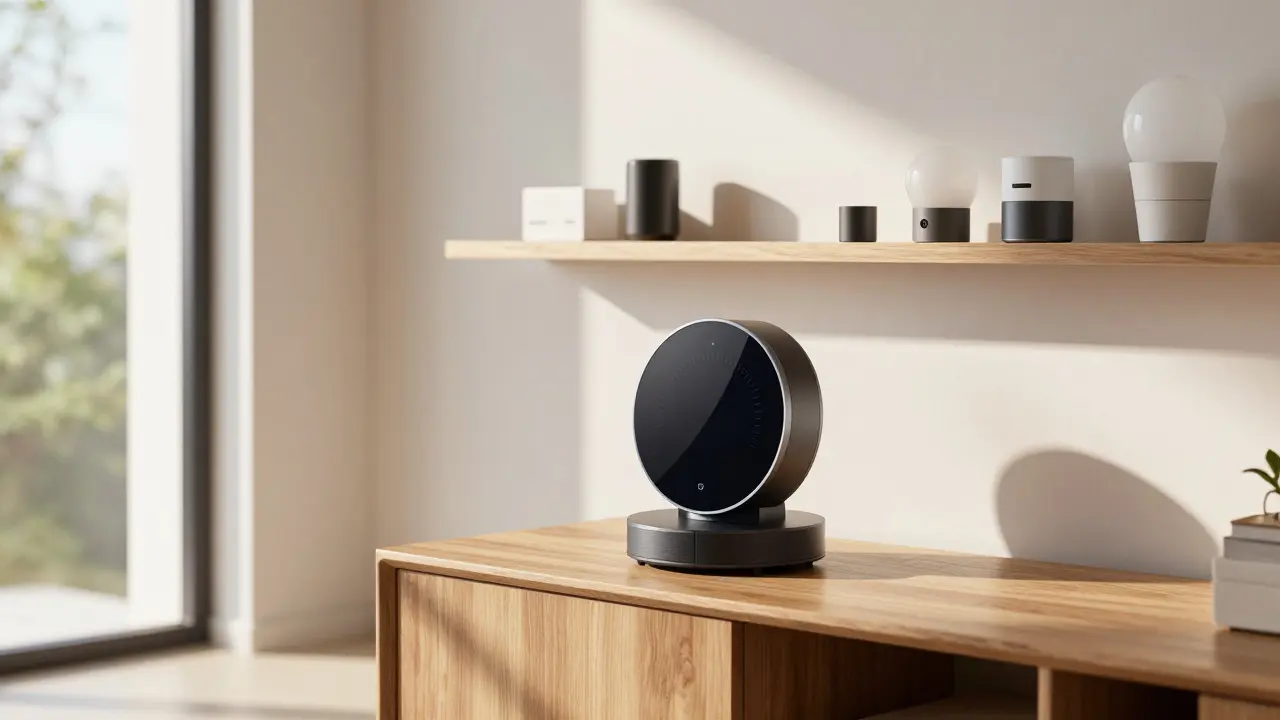
The short answer is no. At least not completely. If you walk into a store in late March 2026 and look for Google smart home hardware solutions including speakers, displays, and thermostats, you'll see shelves that look different than they did five years ago. The lineup is smaller, cleaner, and focused heavily on connectivity rather than pure volume. But there's plenty of noise online suggesting they are pulling the plug entirely. Let's cut through the static and talk about what is actually happening with your gadgets today.
You might have seen headlines claiming Google is exiting the hardware business. That's not true. What they are doing is something more common in tech: pivoting. They are moving away from proprietary walls and leaning hard into open standards. When companies do this, it looks a lot like discontinuation to the average user because old products vanish while new, compatible products take their place. Understanding this shift is key to keeping your home connected without buying unnecessary junk.
What Is Actually Changing in 2026?
To understand the rumors, you have to look at the timeline. Around 2024 and 2025, Google began deprecating specific older lines like the first-generation Chromecast Audio and certain early Nest Learning Thermostat models that couldn't support the latest encryption standards. By 2026, these older devices have largely reached End-of-Life status naturally. When people ask if Google is stopping production, they are usually noticing that a specific model they own is no longer getting software updates, not that the company is shutting down all sales.
This distinction matters because it affects your daily life differently. If you rely on voice commands via the Google Assistant is an AI-powered virtual assistant developed by Google Inc., you'll find the core functionality remains unchanged even if the physical button layout on a speaker changes. The backend processing power has simply moved closer to the cloud and into local edge servers, meaning fewer features rely on the physical buttons of your Smart Speaker.
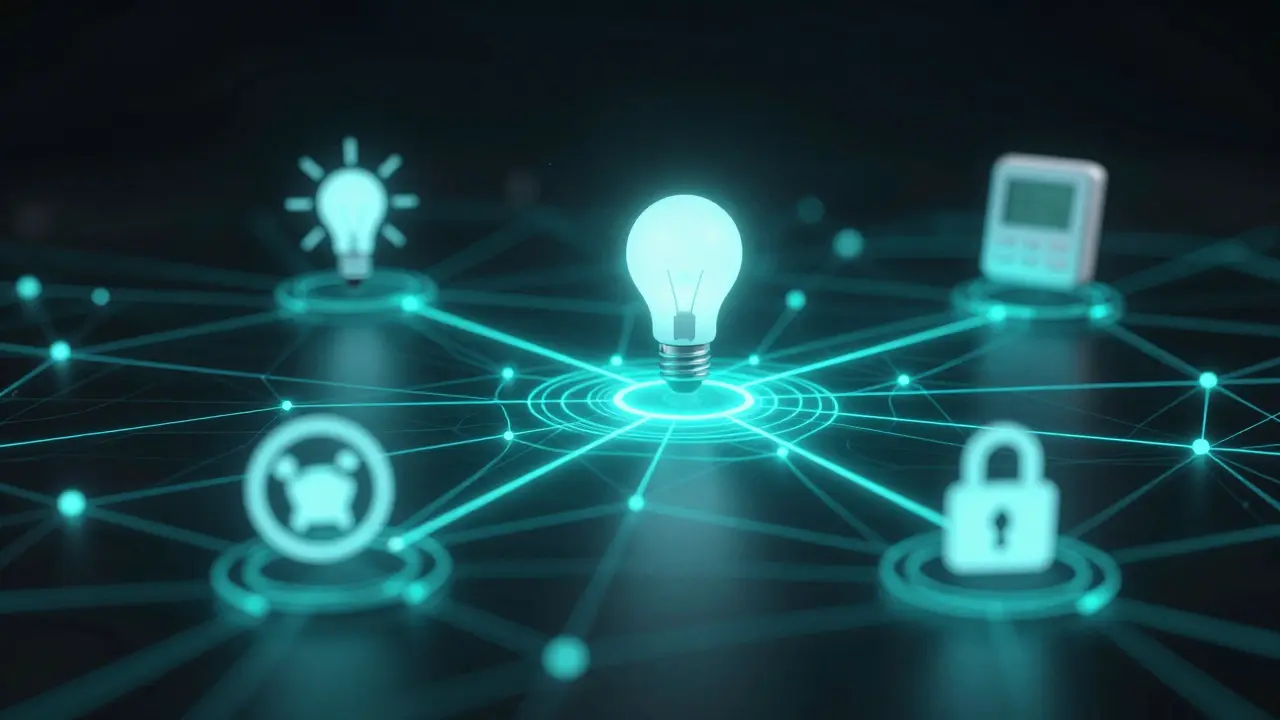
Furthermore, the hardware focus has shifted toward hubs that act as gateways. Instead of buying a smart bulb that connects directly to your router, you're encouraged to connect it through a Thread Border Router. In 2026, almost every major Smart Home Device supports this low-energy mesh network. Google stopped selling some Wi-Fi direct bulbs in favor of Thread-based sensors because they are far more reliable and consume a fraction of the battery power. It feels like discontinuation because the options narrowed, but reliability improved.
The Role of Matter and Open Standards
The biggest driver behind the confusion is the widespread adoption of the Matter Protocol an open-source Connectivity Standard for Smart Home devices built over IP-based networking. Launched globally several years ago, Matter allowed Smart Home Devices from different brands to talk to each other seamlessly. For Google, this meant they didn't need to manufacture their own version of every single switch, lock, or camera anymore. They could license the standard.
Before Matter, you needed a Google bridge for lights and a separate bridge for locks. Now, one hub handles everything. This reduced the number of physical boxes you need in your living room, which made the product catalog shrink. People interpreted a smaller catalog as "they are quitting." In reality, it's a consolidation strategy. Google still sells the Nest Hub Display and the Nest Wifi systems, but they stopped producing redundant adapters that became obsolete once Matter took over.
| Era | Focus Area | Device Examples | Connectivity Standard |
|---|---|---|---|
| 2020-2022 | Proprietary Hardware Expansion | Nest Cam Indoor, Chromecast Ultra | Wi-Fi Only |
| 2023-2024 | Transition to Open Standards | Nest Wifi Point, Nest Doorbell | Wi-Fi + Matter Beta |
| 2025-2026 | Gateway & Mesh Focus | Nest Hub Max, Thread Routers | Full Matter / Thread |
Why It Feels Like Discontinuation
There is another factor at play here: regional differences. Google is extremely strict about data privacy laws. In the European Union, GDPR compliance requires different hardware configurations compared to the United States or Asia. Sometimes a device gets pulled from a specific region (like the Nest Mini in parts of Europe due to microphone policy disputes) and rumors spread globally saying the whole line is cancelled. It's vital to check your specific location's availability rather than relying on global press releases.
Also, consider the pricing strategy. Google frequently rotates their premium lines. The Nest Thermostat had an expensive "Learning" version and a cheaper "Eco" version. Over time, the Learning version was discontinued in many markets, not because the tech failed, but because the technology matured to fit into the standard Eco design. It's an upgrade path disguised as a removal. Users who wanted the higher-end customization option felt abandoned, fueling the "discontinuation" narrative.
Compatibility With Your Existing Gear
If you are worried because you bought a Nest device two years ago, breathe easier. Legacy support for smart home gear usually lasts at least seven years. Unless you are using the very old Google Home (the original cylinder, not the cube), your setup should remain functional well past 2026. The Nest App continues to support older cameras and doorbells, primarily because the video storage infrastructure is cloud-based. Even if the hardware stops receiving firmware updates, the basic push notification and live view features generally stick around longer.
However, you should be aware of the app interface. Google is transitioning everything into the Google Home App Centralized application for controlling smart devices linked to Google account. Some older third-party bridges may stop working if their developers quit supporting the API. Check your dashboard settings periodically to see if any integrations are flagged as "Unreachable" so you can replace that specific bridge before it fails completely during a blackout.
Alternatives If You Are Losing Trust
Even though Google isn't fully leaving the space, it's fair to question if they are still the leader. Competitors have stepped in to fill gaps left by Google's hardware reduction. For instance, Samsung SmartThings now acts as a massive aggregation point for Matter devices. Amazon's Echo devices often have slightly better offline command handling for those who prefer local control. If Google's reliance on cloud AI makes you uncomfortable, switching your control hub to a local system like Home Assistant might be worth considering.
This doesn't mean you have to toss your Nest devices. Most are compatible with Home Assistant via Zigbee or Bluetooth connections. If you want to keep your physical hardware but move away from the Google ecosystem, you might just need a new bridge to route the traffic. This hybrid approach gives you the safety of having backups if one service goes down or changes policies unexpectedly.

Future Proofing Your Setup
Going forward, the golden rule of buying hardware is checking for Matter certification marks. If a device supports Matter, it guarantees you aren't stuck with a dead end. It also means you can swap out your central hub without losing your peripherals. For example, if you decide later that Apple HomeKit offers better privacy for your family, you can theoretically keep your Google cameras but control them from an iPhone, thanks to the universal standard. That flexibility is why Google stopped pushing proprietary-only hardware.
Always look for active Thread support when buying new routers. This ensures your low-battery sensors won't drop connection when the main Wi-Fi gets congested. And finally, avoid buying cheap knockoffs. The official Nest hardware might seem expensive compared to white-label options, but the warranty support and security patches are guaranteed to last much longer in a volatile market.
Frequently Asked Questions
Are Nest devices still available for purchase?
Yes, currently available Nest products like the Nest Hub, Nest Cam, and Nest Thermostat are actively being sold. While Google has retired older legacy models (like the original Nest Protect smoke detector from 2015), the current generation lineup is fully stocked and receiving updates.
Does my Google Home app support older devices?
Most devices purchased within the last five years still work. However, devices older than that may stop updating for security reasons. Check the device specifications on the official site to confirm the end-of-support date for your specific model.
What happens if I stop using Google services?
Many modern Nest devices require a Google account to set up initially. Once configured via Matter, some functions can run locally, but full features like cloud recording or remote viewing usually depend on continued login credentials.
Should I upgrade to Thread-compatible gear now?
Upgrading immediately isn't necessary unless your current devices are failing. Thread adds speed and stability for battery-powered sensors, but standard Wi-Fi works fine for cameras and plugs.
Will my old Chromecast stop working?
Legacy Chromecast dongles (v1, v2, and v3) still function for casting. However, Chromecast with Google TV (Android TV sticks) is the recommended replacement because it offers a remote, apps, and active development support.
In the end, the landscape looks different because it's becoming smarter and more efficient. It's not a retreat; it's a maturation. By focusing on connectivity standards like Matter, Google ensures your devices will survive whatever comes next in the tech world.

Eric Etienne
March 28, 2026 AT 02:19Google just wants your data like always They stop making stuff because we buy less crap Typical corporate move to save money while pretending to care It's boring honestly
Yashwanth Gouravajjula
March 29, 2026 AT 01:54Matter protocol is great.
King Medoo
March 30, 2026 AT 08:30It is deeply troubling when corporations prioritize profit over consumer stability 😠 We must demand better ethics from these tech giants 🤖 The shift to cloud dependency is a dangerous precedent for privacy 🛡️ Everyone should read the terms of service carefully before upgrading their home systems 📜 I hope people realize the implications of losing local control completely 💭 It reminds me of old monopolies trying to squeeze us out again 😡 We need regulation to protect our digital rights firmly ⚖️ My neighbors installed everything last week without reading the manual 🏠 Technology moves fast but wisdom moves slower unfortunately 🐢 We cannot simply throw away years of investment for new standards 🔄 I feel strongly that security patches matter more than convenience features 🔒 Please check your local laws regarding smart device data collection 📜 If Google fails then no other entity will hold the fort next 🤷♂️ We need community driven alternatives instead of big tech 🌱 Trust is earned not given freely in this era 🙅♂️ Keep an eye on your bank accounts during the transition period 💸 Stay vigilant everyone out there fighting this battle 🥊 Peace and love to the ones who disagree 🕊️
Dylan Rodriquez
April 1, 2026 AT 05:00The evolution of hardware feels necessary for progress Many people fear change but adaptation brings us forward Connecting different brands helps simplify life significantly We should welcome the openness of standards moving ahead Google might not have the best intentions initially but results show improvement Your home network becomes safer with updated protocols Keeping legacy gear working is actually really impressive today Focus on what matters most which is reliability at home We need to trust the process even if it looks scary sometimes Change is inevitable in this industry landscape Let us build better homes together with shared tools Hopeful for the future of connected living spaces
Megan Blakeman
April 1, 2026 AT 16:07I love the new stuff!! It works so much better!!! 😍 My lights turn on instantly now!! You guys should try it soon!! 😃 The connection is super stable!! No lag at all!!! 🎉 Just switch everything to matter!! 🚀🚀🚀
Meredith Howard
April 3, 2026 AT 12:40I find myself in agreement with the analysis presented above yet remain cautious regarding full cloud dependency historical precedents suggest centralization carries inherent risks for the end user population. One should consider offline backups as a prudent measure regardless of manufacturer promises. The documentation does appear accurate concerning encryption standards implementation it would benefit society to maintain a degree of redundancy in critical infrastructure. Privacy concerns were adequately addressed within the legal frameworks cited here. I appreciate the detailed breakdown provided by the original author further study on regional variations seems warranted for international residents. We ought to monitor firmware updates closely during this transition period caution remains the optimal approach when handling sensitive personal data streams
Akhil Bellam
April 4, 2026 AT 19:29The insatiable greed of Silicon Valley permeates every corner of this discussion Their obfuscation strategies are becoming increasingly transparent to the discerning observer Merely swapping proprietary chains for open handshakes does not absolve the underlying malice True freedom requires independence from such behemoth entities entirely Most consumers remain blissfully ignorant of the surveillance capitalism model at play here The aesthetic shift towards minimalism masks a darker consolidation of power structures We must educate ourselves against these predatory corporate maneuvers daily Ignorance is not bliss when data theft is the product being sold Only true sovereignty over one's digital footprint offers genuine security These so-called improvements are merely band-aids on a gunshot wound Wake up sheeple before your entire existence becomes monetized inventory Intellectual clarity is required to navigate this treacherous technological minefield effectively
Tia Muzdalifah
April 6, 2026 AT 02:30i heard my friend changed to thread and it was pretty cool no problems so far google stuff still works fine i think dont worry about it maybe just get a new hub later if you want its kinda nice having everything work together easier i see people panicking online for no reason honestly just relax and use whatever works for you right now technology changes fast so adapt if you can afford to dont stress too much about the old cameras or stuff hope everyone stays safe with their data though lol im just chillin and reading this
Kristina Kalolo
April 6, 2026 AT 08:30Legacy support duration varies by region and device generation Cloud infrastructure stability depends on ongoing vendor financial health Local processing reduces latency for voice commands significantly Data retention policies differ across jurisdictions materially Firmware update cessation timelines are rarely communicated proactively Hardware obsolescence accelerates with proprietary ecosystem changes Interoperability standards provide a baseline layer of continuity Vendor lock-in effects persist despite open standard adoption rates Regional compliance requirements dictate physical configuration differences Consumer awareness levels regarding technical specifications remain suboptimal overall
Albert Navat
April 7, 2026 AT 03:15You're missing the architectural implications of Thread Border Router configurations The mesh topology efficiency gains are substantial in high-density environments Latency drops below 20ms compared to standard Wi-Fi congestion scenarios IPv6 multicast handling becomes much cleaner with proper gateway setup Proprietary bridging introduces unnecessary packet fragmentation overhead Legacy 2.4GHz spectrum interference is mitigated effectively Security handshake authentication strengthens considerably via Matter integration Don't ignore the underlying subnet routing protocols involved here Your home automation logic requires re-architecting for scalability Network segmentation is critical for preventing lateral movement attacks Edge computing resources allow for smarter local decision trees now Bandwidth saturation points shift dramatically with protocol migration Implement VLAN tagging for IoT isolation immediately The bandwidth optimization is not just about speed anymore Look at the raw throughput numbers for sensor telemetry
Zoe Hill
April 8, 2026 AT 16:48I think its a grea opportunity to clean up smae things Dont worry if u hav old stuff they usually work Th ecompany said they wlll keep it running Its nice to have choices for evryone to pick We shoudt support open things like matter mostly Hope yall stay safe and happy with ur homes :) Make sure to back things up first tho Im gona get a new thermostat next month probably Good luck to all of you reading this today!
ravi kumar
April 9, 2026 AT 20:17Taking small steps helps everyone feel more comfortable with changes Patience is key when transitioning large systems over time You do not need to upgrade everything in a single day Listening to what works best for your family matters most here Supporting each other through these updates builds stronger communities Slow adaptation prevents burnout from technology fatigue issues We can handle one room at a time without stress Every little improvement counts towards safety goals eventually Take your time and breathe during this process always
Robert Byrne
April 11, 2026 AT 12:47Your understanding of the situation is fundamentally flawed and needs correction People keep repeating misinformation without checking primary sources directly The security architecture relies heavily on backend encryption standards Ignoring the cloud dependency creates false confidence in local storage Stop assuming compatibility exists where documentation clearly states otherwise I read the white paper you are likely ignoring completely This careless attitude endangers network integrity unnecessarily Fix your misconceptions before blaming the manufacturer unfairly We need rigorous scrutiny of these claims publicly Accuracy matters more than comfort in technical discussions
Amber Swartz
April 12, 2026 AT 17:01Honestly this drama feels manufactured by PR teams trying to salvage stock prices The public reaction has been hysterical over nothing important Corporate spin is what we expect but it stings personally My neighbor lost her entire system when servers went down recently You never know if the next update will break everything again Trust is broken and we should act accordingly in response There is no point defending a company that treats users like cattle I am done waiting for apologies that never come officially Stand up for yourself and demand better transparency now This silence is deafening and unacceptable frankly
Amanda Ablan
April 14, 2026 AT 04:57Please remember that regional availability affects specific hardware models differently Checking your local store stock prevents confusion regarding end-of-life notices Customer support can clarify warranty status for older units efficiently Transitioning to Matter hubs ensures longevity for new purchases made today Community forums often have valuable troubleshooting guides available publicly Keep existing gear updated until official deprecation dates arrive Planning ahead saves money and frustration during upgrades Open standards help bridge gaps between different brand ecosystems Stay informed and verify news before acting impulsively Reliable connections depend on consistent maintenance routines regularly