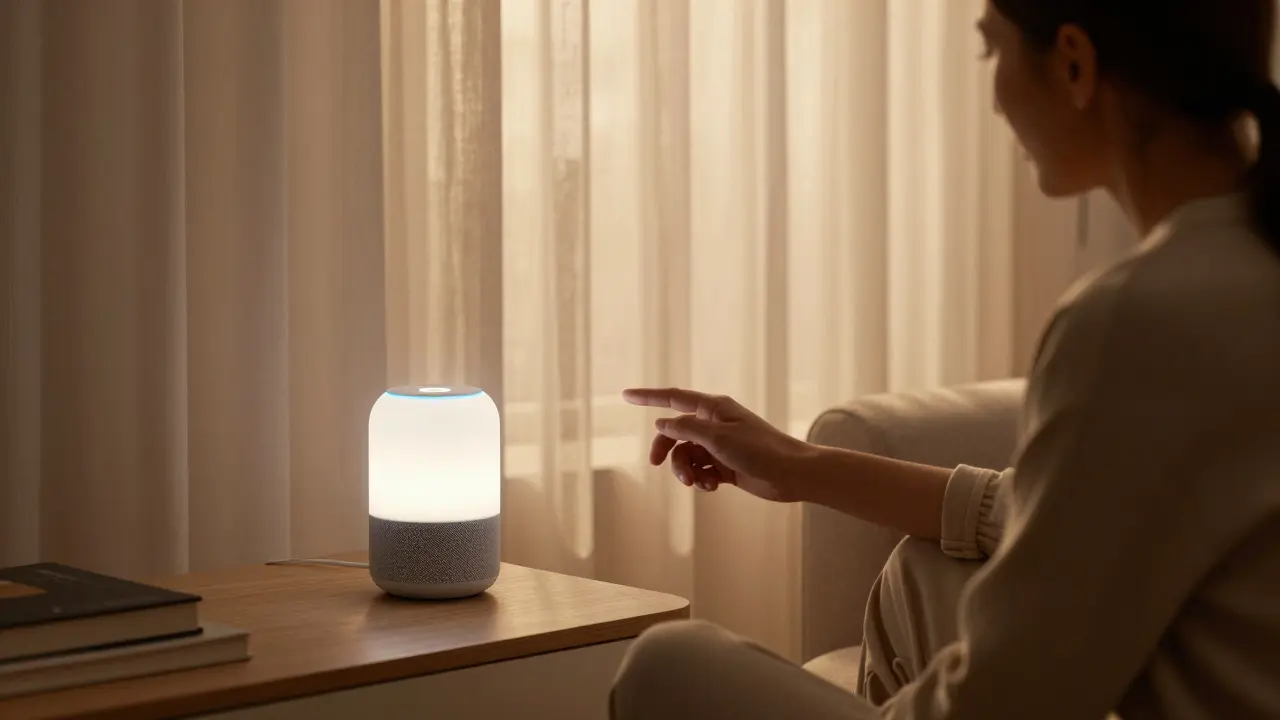
If you’re tired of Google telling you when to leave for work or playing ads between your morning weather update, you’re not alone. Millions of people are asking: Is there a better alternative to Google for managing their smart home?
Google Home devices were once the gold standard. But over the last three years, competitors have caught up-and in some ways, pulled ahead. The truth? Google’s dominance in smart home voice assistants isn’t what it used to be. You don’t need to stick with it just because it came preloaded on your phone or because your neighbor uses it.
Why people are leaving Google Home
Google’s biggest weakness isn’t speed or voice recognition-it’s privacy. In 2023, a leak from internal documents showed that Google employees routinely listened to voice recordings from users’ homes to improve speech models. Even if you turned off voice history, your data still flowed into Google’s advertising ecosystem. For people who want their home to feel safe, not surveilled, that’s a dealbreaker.
Then there’s the clutter. Google Assistant tries to do everything: answer questions, play music, control lights, order groceries, remind you to take meds, and suggest recipes based on what’s in your fridge. It’s overwhelming. And when it misunderstands you-say, you say "turn off the living room light" and it turns off the kitchen instead-it’s frustrating. You start wondering if it’s worth the hassle.
Meanwhile, other platforms have focused on doing fewer things… but doing them better.
Amazon Alexa: The most reliable smart home hub
Amazon Alexa has quietly become the most widely supported smart home assistant in the world. It works with over 150,000 devices-from budget LED bulbs to high-end security cameras. In 2025, a study by Consumer Intelligence Research Partners found that 68% of smart home owners who switched from Google Home chose Alexa, mostly because of its stability and compatibility.
What makes Alexa stand out? It doesn’t try to be your personal assistant. It’s built for control. You say, "Alexa, turn off the bedroom lights," and it turns them off. No extra chatter. No ads. No suggestions to buy more dog food.
And if you want to get fancy? Alexa routines let you chain actions. "Good morning" can turn on the coffee maker, open the blinds, start the news, and adjust the thermostat-all without touching your phone. It’s simple, reliable, and works even when your Wi-Fi is spotty.
Apple HomeKit: For users who hate compromise
If privacy is your top priority and you live in an Apple ecosystem (iPhone, iPad, Mac), HomeKit is the only choice that matches your values. Apple doesn’t store your voice recordings on its servers. Everything happens on-device. Your voice commands are processed locally on your HomePod or iPhone. No cloud. No tracking. No ads.
HomeKit doesn’t have the widest device support-but it has the strictest. Every HomeKit-certified device must meet Apple’s security standards. That means no sketchy brands with weak encryption. If a smart lock says it’s HomeKit-compatible, you know it’s been tested for hacking resistance.
HomeKit’s downside? It’s expensive. A single HomePod Mini costs $99. A certified smart thermostat runs $250+. But if you care about long-term security and don’t want to upgrade your entire home every two years, the upfront cost makes sense.
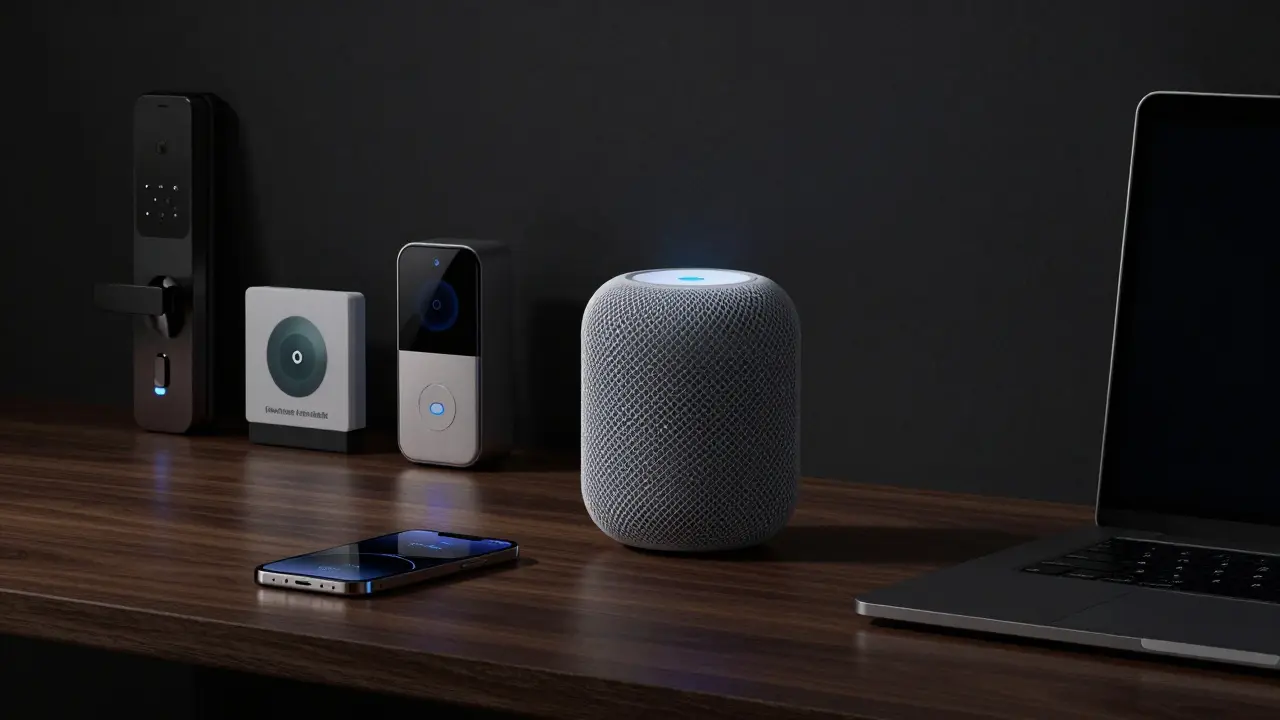
Samsung SmartThings: The hidden powerhouse
Most people don’t realize Samsung’s SmartThings platform is one of the most powerful smart home systems available. It doesn’t rely on voice control alone. You can manage everything through the app, automation rules, or even a physical button on your wall.
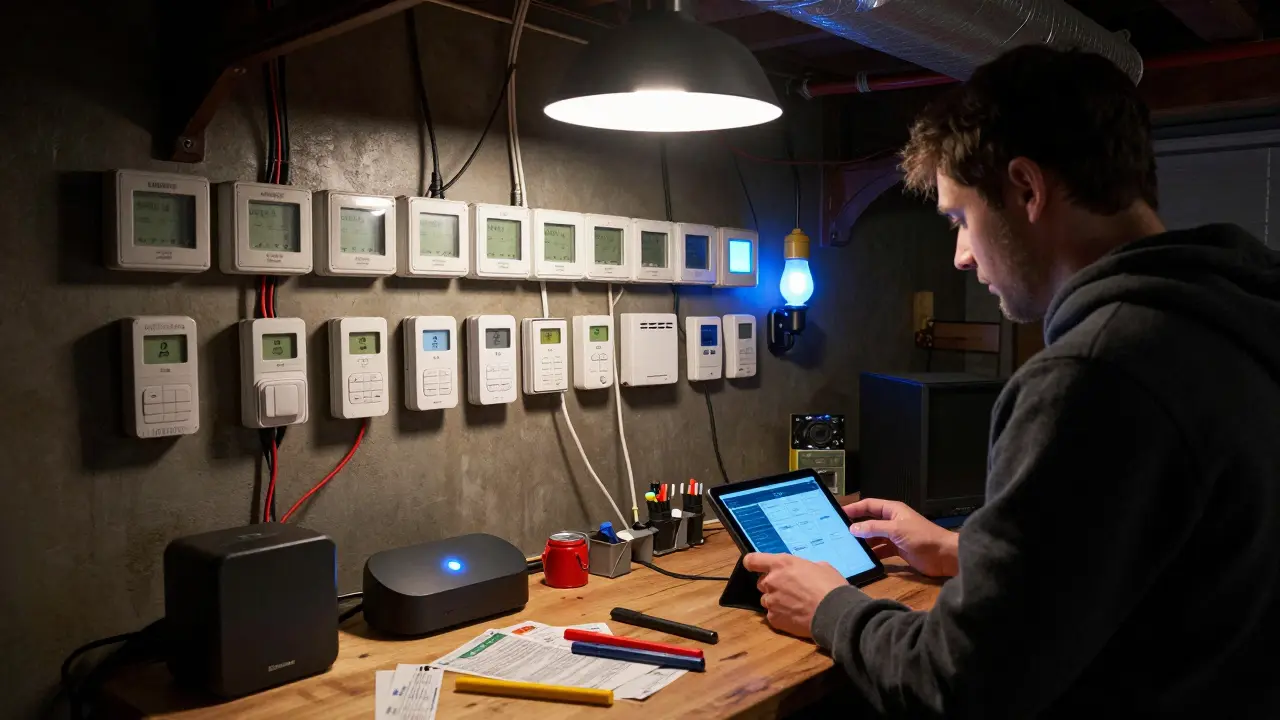
SmartThings works with over 200 brands, including non-smart devices like traditional garage door openers and older thermostats, thanks to its hub-based system. You plug in a SmartThings Hub, connect your devices, and suddenly your 2018 thermostat talks to your 2025 smart lock.
It’s not as polished as Alexa or HomeKit. The app feels clunky. But for tinkerers, DIYers, and people with older homes, SmartThings is the only system that lets you build a custom smart home without replacing everything.
Google Assistant still has one advantage
Let’s be fair-Google Assistant still wins in one area: natural conversation. Ask Alexa, "What’s the weather like this weekend?" and it gives you a dry forecast. Ask Google, "Should I bring an umbrella to the park on Saturday?" and it’ll check the rain probability, your calendar, and your kid’s soccer game schedule before answering.
Google’s AI is better at context. It remembers your routines, your favorite restaurants, and even your pet’s name. But that’s also why it feels invasive. You get helpful answers… at the cost of giving up control over your data.
If you value convenience over privacy, Google still has a place. But if you want to own your home’s intelligence-not let a tech giant monitor it-there are better options.
What to choose based on your needs
Here’s a quick guide to help you decide:
- Best for simplicity and compatibility: Amazon Alexa
- Best for privacy and Apple users: Apple HomeKit
- Best for older homes and DIY setups: Samsung SmartThings
- Best for natural conversation (if you don’t mind tracking): Google Assistant
Most people start with one device-a smart speaker or a plug-and expand from there. You don’t need to switch everything at once. Try a single Alexa-enabled bulb. Or pair a HomeKit-compatible doorbell. See how it feels. You can always add more later.
What you lose when you leave Google
Switching away from Google doesn’t mean losing all your data. Most platforms let you export your routines, device names, and automation rules. Google’s integration with Android phones is seamless-but you can still control your smart home from an iPhone using Alexa or HomeKit apps.
And if you’re worried about losing Google’s search power? You can still use Google Search on your phone while controlling your lights with Alexa. You don’t have to pick one ecosystem for everything.
Final thought: Your home, your rules
Smart home tech should make your life easier, not turn your house into a data farm. The idea that you need to use Google to have a smart home is outdated. Today, you have real choices-and the best one isn’t the most popular. It’s the one that respects your privacy, works reliably, and doesn’t try to sell you something after every command.
Try one alternative for a week. See how it feels. You might be surprised how much better your home can work when it’s truly yours.
Is Amazon Alexa really better than Google Home for smart homes?
Yes, for most people. Alexa handles more devices reliably, has fewer privacy concerns, and doesn’t try to sell you products after every command. It’s simpler, more stable, and works even with older gadgets. Google Home is better at understanding natural speech, but Alexa wins on practicality.
Can I use Apple HomeKit without an iPhone?
No. HomeKit requires an Apple device-iPhone, iPad, or Mac-to set up and manage your smart home. If you’re on Android, HomeKit won’t work for you. But you can still control HomeKit devices using the Home app on an iPad or Mac you borrow or rent.
Does Samsung SmartThings work with Google Home?
Yes, but not directly. You can link SmartThings to Google Assistant through the Google Home app, but you lose some automation features. For full control, it’s better to use SmartThings on its own or with Alexa. Google’s integration is clunky and often lags behind updates.
Will I lose my existing smart devices if I switch from Google?
Not necessarily. Most smart devices support multiple assistants. A Philips Hue bulb, for example, works with Alexa, HomeKit, and SmartThings-even if it was originally set up with Google. You just need to re-pair it in the new app. Some older or budget devices may not support other platforms, so check compatibility before switching.
Is it worth paying more for Apple HomeKit?
Only if privacy is non-negotiable. HomeKit devices cost more, and the setup is less forgiving. But if you’re worried about voice recordings being stored, tracked, or sold, Apple is the only major platform that processes everything on your device. For families, security-conscious users, or those with sensitive data at home, the extra cost is justified.
If you’re thinking about switching, start small. Buy one Alexa-enabled plug or a HomeKit-compatible thermostat. Test it for a week. See if you miss Google’s features-or if you actually feel more in control. Your home should serve you, not the other way around.

Amy P
January 26, 2026 AT 15:19OMG YES. I switched from Google Home to Alexa last month and I swear my house feels like it finally breathes again. No more random ads about dog food after I sneezed. I didn’t even know I was being judged by my vacuum cleaner until I left.
Ashley Kuehnel
January 28, 2026 AT 00:17Hey! I'm a total newbie but I just got my first HomeKit doorbell and wow-no ads, no weird suggestions, just ‘Someone’s at the door’ with a clear video. 🙌 I was scared it’d be too complicated but the app walked me through it. If you’re on iPhone, it’s worth it. Don’t overthink it!
Alan Crierie
January 28, 2026 AT 21:18Just a quick note: HomeKit’s on-device processing is technically superior, yes-but don’t forget that Alexa’s ‘Routines’ can trigger based on time, location, and even weather. You don’t need Apple to have automation that works. And yes, I use both. No shame.
adam smith
January 29, 2026 AT 14:04Google is fine. I don’t care if they listen. I like when it tells me my kid’s soccer game is delayed. That’s useful. Stop being dramatic.
Mongezi Mkhwanazi
January 29, 2026 AT 21:59Let me be blunt: You are all indulging in a performative privacy fantasy. The notion that switching to Alexa or HomeKit somehow liberates you from surveillance is laughable. Amazon tracks your purchasing habits, Apple tracks your location and health data, and SmartThings? It’s Samsung-your fridge knows when you’re lonely. The only true privacy is unplugging the router and living in a cabin. Everything else is theater. You’re not escaping the system-you’re just choosing a different cage.
Denise Young
January 31, 2026 AT 20:17Oh honey. You think HomeKit’s expensive? Try replacing five smart bulbs, a thermostat, and a garage door opener that all ‘work with Google’ but now require a $200 hub because Google phased out support. Welcome to the ‘smart home’ tax. I’m now paying $400/year just to keep my lights on without being sold a new toaster. 😌
michael Melanson
February 1, 2026 AT 14:37I use Alexa for lights and HomeKit for my doorbell. Google for weather and calendar. No need to pick one. I treat smart home tech like apps-use what works, ditch what doesn’t. Simple.
Sam Rittenhouse
February 2, 2026 AT 09:20Just wanted to say thank you for writing this. I’ve been feeling guilty for leaving Google, like I was abandoning something essential. But honestly? My mornings are calmer now. No more ‘Would you like to order more coffee?’ after I say ‘good morning.’ I didn’t realize how much I hated that until it stopped. My home feels quieter. And I didn’t even know I needed that.
Colby Havard
February 3, 2026 AT 03:03It is, of course, an inevitable consequence of technological centralization that individuals-however well-intentioned-will seek refuge in alternative ecosystems, believing them to be sanctuaries of autonomy. Yet, the structural logic of surveillance capitalism remains unchallenged; whether one employs Alexa, HomeKit, or SmartThings, one still participates in a regime of data extraction-albeit with different branding. The real question is not ‘Which platform?’ but ‘Why do we accept this trade-off at all?’