Work Triangle: The Key to an Efficient Kitchen Layout
When you’re designing or remodeling a kitchen, the work triangle, the imaginary lines connecting the sink, stove, and refrigerator that define the main cooking zones. Also known as the kitchen triangle, it’s not a design trend—it’s a proven layout principle that’s been used since the 1940s and still works better than any fancy gadget. If your sink is across the room from your stove, or your fridge is tucked in a corner where you have to turn 180 degrees to grab a pan, you’re not just being inconvenient—you’re wasting energy, time, and patience every single day.
The work triangle, the imaginary lines connecting the sink, stove, and refrigerator that define the main cooking zones. Also known as the kitchen triangle, it’s not a design trend—it’s a proven layout principle that’s been used since the 1940s and still works better than any fancy gadget. The ideal distance between each point is 4 to 9 feet, with the total perimeter under 26 feet. Too close, and you’re bumping elbows while cooking. Too far, and you’re walking like you’re on a grocery run every time you need salt or a pot. This isn’t about aesthetics—it’s about motion. You don’t need a chef’s degree to understand this: if you’re making a simple meal, you shouldn’t need a GPS to find your knife block.
Modern kitchens often break the work triangle rule to fit an island, a walk-in pantry, or a huge dining table. But here’s the truth: a beautiful kitchen that doesn’t function well is just a photo op. The posts below show real examples of what happens when the triangle is ignored—or optimized. You’ll see how proper spacing affects everything from resale value to daily stress levels. Some people spend $50,000 on quartz counters and smart fridges, then realize they’re still tripping over their own feet. Others fix the triangle with a $2,000 reconfiguration and never look back.
What you’ll find here aren’t just ideas—they’re fixes. From how to rearrange cabinets without tearing out walls, to why a 3x4 kitchen rule ties directly into the triangle, to how even small kitchens can nail the flow with smart placement. You’ll also see how the triangle connects to other things you care about: ventilation (you don’t want to stand over a stove with no airflow), storage (where you put pots and pans matters), and even lighting (you need clear sightlines between zones). This isn’t theory. It’s what works when you’re standing in your kitchen at 7 a.m., coffee in one hand, eggs in the other, and you just want to get breakfast done without a workout.
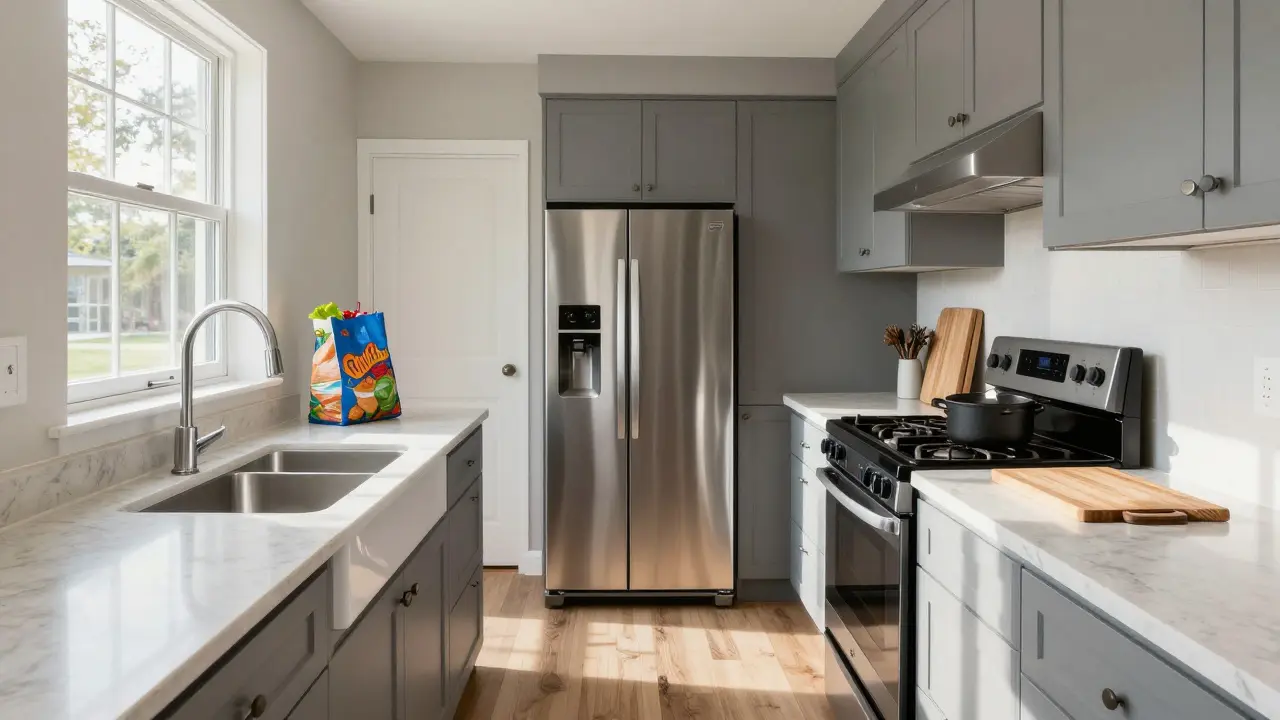
What Is the Golden Kitchen Rule? The One Design Principle That Changes Everything
The golden kitchen rule is the timeless design principle that ensures your fridge, sink, and stove form an efficient triangle. Learn why this 70-year-old standard still makes kitchens work better - and how to fix yours today.
view more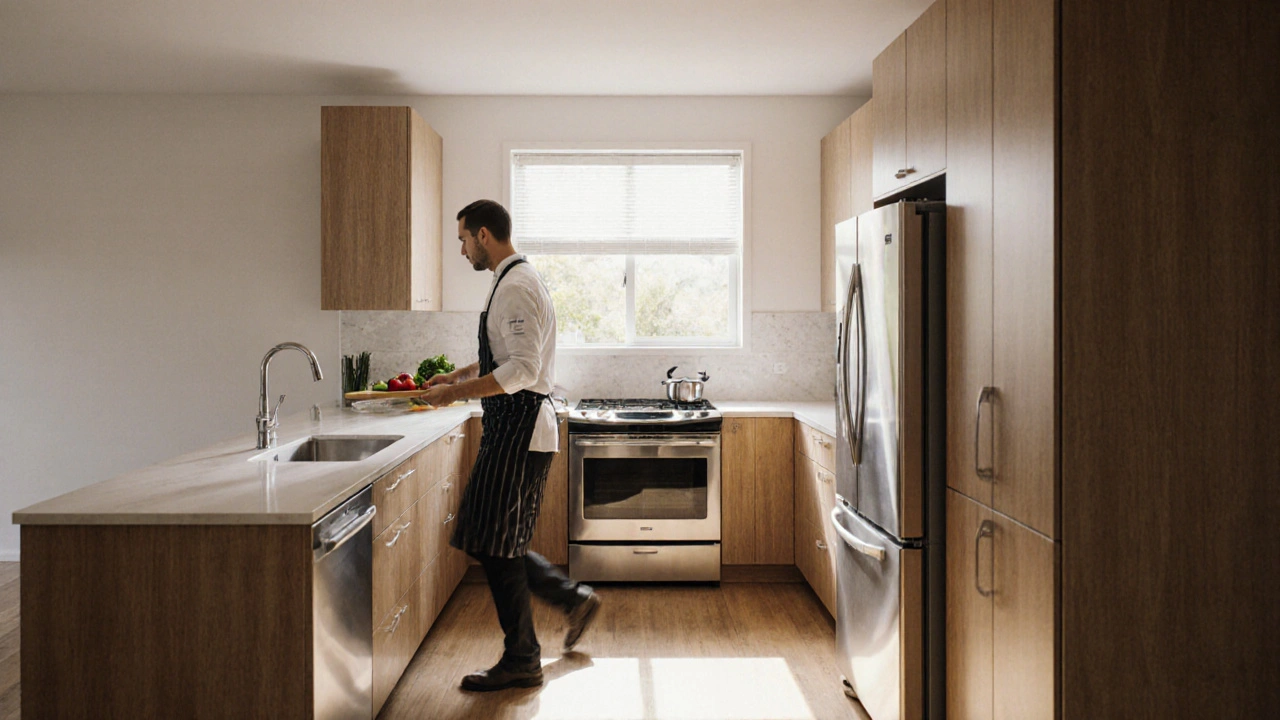
What Is the Triangle Law in Kitchen Design?
The triangle law in kitchen design ensures the sink, stove, and fridge form an efficient work triangle. Learn how to measure it, avoid common mistakes, and fix your kitchen layout for smoother cooking.
view more