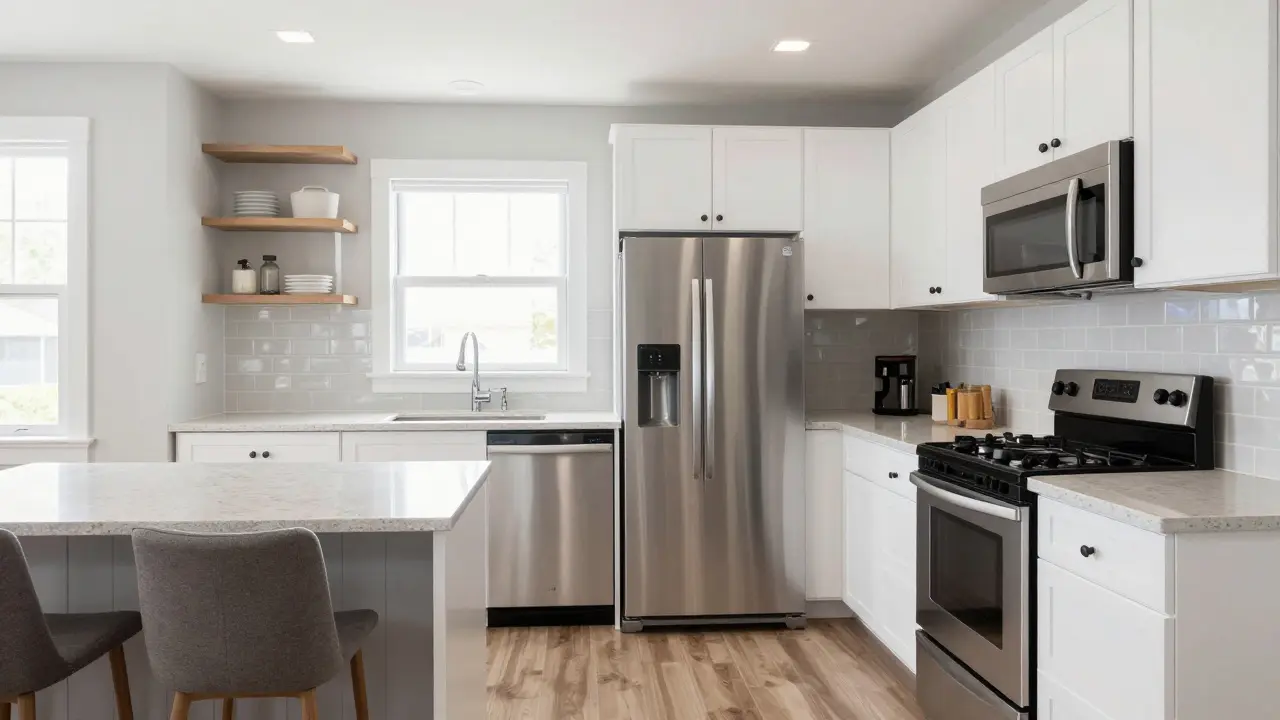
A 10x10 kitchen might sound small, but it’s one of the most common sizes in American homes-especially in condos, townhouses, and older houses that got updated without expanding the footprint. If you’re planning a renovation in a space this size, you’re not just rearranging cabinets. You’re solving a puzzle where every inch counts. So what does a 10x10 kitchen actually include? Let’s cut through the fluff and lay out exactly what fits, what doesn’t, and how to make it work without feeling cramped.
What a 10x10 Kitchen Really Means
First, clarify what 10x10 actually refers to. It’s not the total square footage of your home-it’s the kitchen footprint. That means a 10-foot by 10-foot area, equaling 100 square feet. This measurement typically includes the space from wall to wall, excluding any peninsula or island that extends beyond the main rectangle. Most builders and designers use this as a baseline for pricing cabinets and estimating layout options.
Here’s the reality: a 10x10 kitchen isn’t tiny. It’s just tight. You can fit a full sink, a stove, a refrigerator, cabinets, and even a small breakfast nook-but only if you plan it right. Many people assume they need more room, but with smart design, this size can feel spacious. The key is knowing what to prioritize and where to cut corners.
What Fits in a 10x10 Kitchen
Let’s walk through the non-negotiables that should be in every 10x10 kitchen renovation:
- A three-wall layout - This is the gold standard. One wall holds the sink and dishwasher, another has the stove and oven, and the third holds cabinets and the fridge. It creates a clean workflow between prep, cooking, and cleanup.
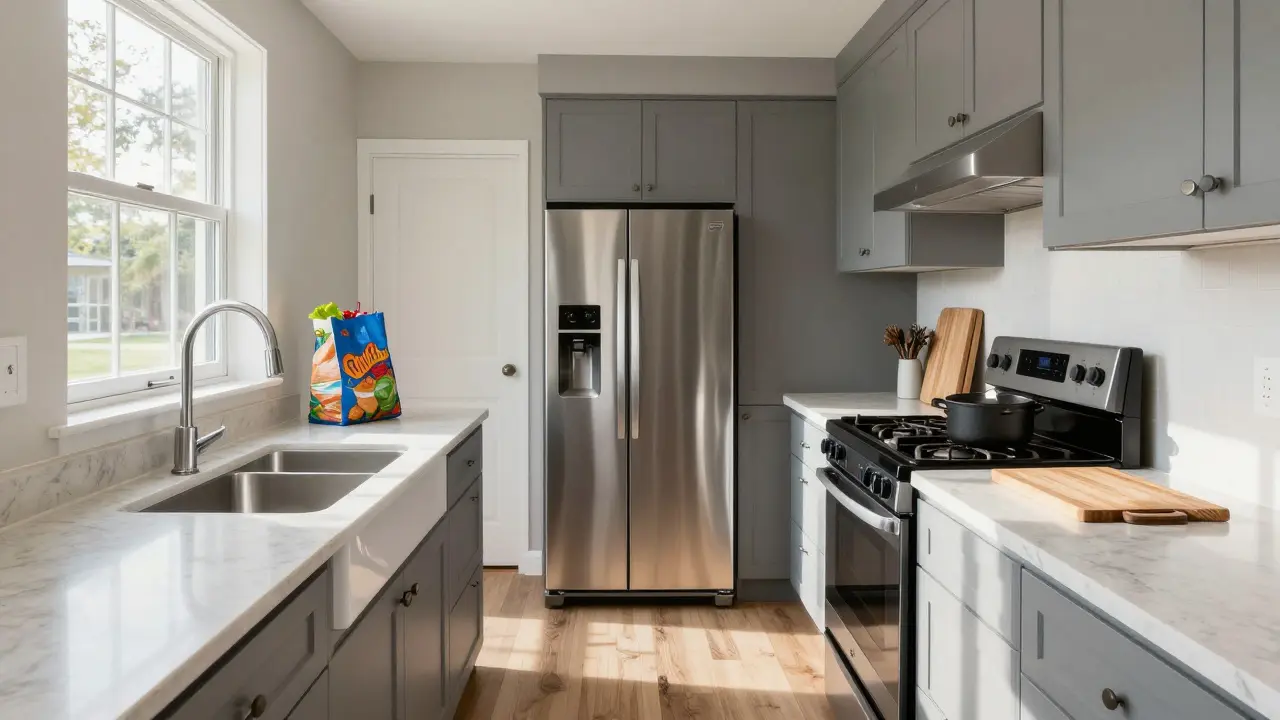
- Standard-sized appliances - A 30-inch range, a 33-36 inch refrigerator, and a 24-inch dishwasher all fit without crowding. You don’t need a 48-inch range or a built-in wine cooler. Stick to standard sizes.
- Upper and lower cabinets - Full-height cabinets on two walls give you serious storage. Go for 30-inch high uppers with open shelving above the sink to avoid visual weight.
- A 36-inch walkway - Code requires at least 36 inches between opposing cabinets. In a 10x10, you’ll need to leave this space clear. Anything less feels like a hallway, not a kitchen.
- A small island or peninsula - If you have at least 4 feet of open space on one side, a 24- to 30-inch-wide peninsula (attached to a wall) adds counter space and seating. A freestanding island? Only if you’re willing to lose 12-18 inches of walking room.
That’s the baseline. You can fit all of this without feeling like you’re living in a closet. The trick is avoiding the temptation to overdo it. No double ovens. No trash compactor. No built-in coffee station unless you’re willing to sacrifice cabinet space.
What Doesn’t Fit (And Why You Should Skip It)
Some features look great in magazines but turn a 10x10 kitchen into a nightmare:
- Double ovens - They’re 30 inches wide each. Two of them take up over half a wall. One 30-inch range with a convection setting does the same job and leaves room for storage.
- Walk-in pantry - A true walk-in pantry needs at least 4x4 feet. That’s 16 square feet you can’t afford. Instead, go for a tall, narrow pantry cabinet (12-18 inches deep) along a blank wall.
- Large kitchen island - A 48-inch island might look cool, but it eats up 20 square feet of floor space. You’ll have trouble opening fridge doors or walking around. Stick to a 24-30 inch peninsula if you want extra counter space.
- Too many glass-front cabinets - They make a small space feel cluttered. Use solid doors for storage and open shelves only where you display a few nice dishes.
- Under-cabinet lighting only - You need overhead lighting too. Recessed lights or a pendant over the sink make the space feel bigger, not darker.
These aren’t just “nice to haves.” They’re space hogs that make daily life harder. Every extra feature has a cost-not just in money, but in usability.
Storage Hacks That Actually Work
Storage is the biggest challenge in a 10x10 kitchen. Here’s what works:
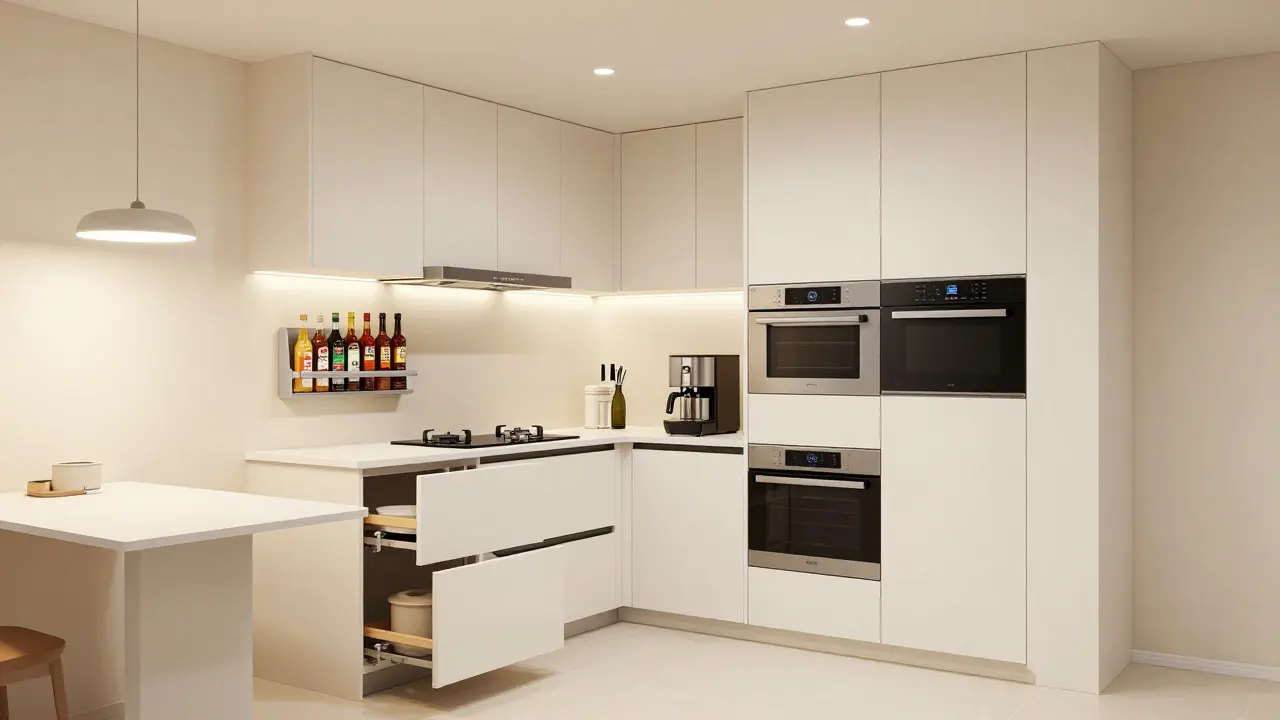
- Drawer dividers - Instead of shelves in lower cabinets, use pull-out drawers with custom inserts for pots, pans, and utensils. You’ll find things faster and use every inch.
- Corner cabinet turntables - Lazy Susans in corner cabinets eliminate dead space. They’re cheap, easy to install, and turn wasted corners into usable storage.
- Over-the-door racks - Install a rack on the inside of a pantry or cabinet door for spice jars, cleaning supplies, or foil rolls.
- Tall cabinet for appliances - If you have a narrow wall, use a 36-inch tall cabinet to house your toaster, coffee maker, or air fryer. Keep counters clear.
- Vertical spice rack - Mount a slim magnetic or wall-mounted spice rack next to the stove. No more digging through cabinets.
These aren’t gimmicks. They’re proven fixes used by kitchen designers in small-space homes. They add up to 30% more usable storage without expanding the footprint.
Lighting and Finish Choices That Make a Difference
Color and light change how big a space feels. In a 10x10 kitchen:
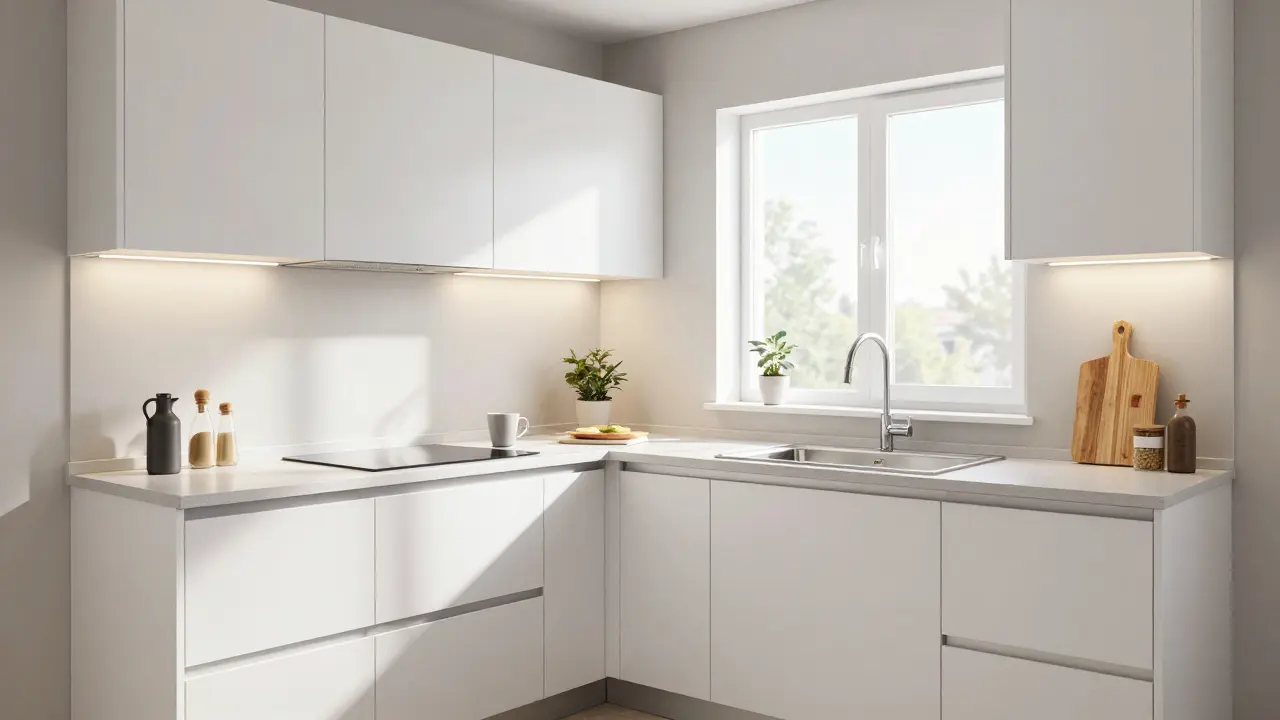
- Go light on walls - White, cream, or light gray walls reflect light and make the room feel bigger. Avoid dark cabinets on all walls.
- Use one countertop material - Mixing quartz, granite, and butcher block creates visual noise. Stick to one surface from sink to stove.
- Install under-cabinet LED strips - They brighten countertops without casting shadows. Pair them with a central ceiling fixture for even lighting.
- Choose reflective backsplashes - Glass tile, mirrored stainless steel, or glossy subway tile bounce light around the room. Matte tiles absorb light and make the space feel smaller.
These choices don’t cost more, but they change the experience. A well-lit, light-colored kitchen feels like 120 square feet, not 100.
Realistic Budget Expectations
A 10x10 kitchen renovation isn’t cheap, but it’s more predictable than larger projects. Here’s what you’re likely to spend in 2026:
| Item | Low End | Mid Range | High End |
|---|---|---|---|
| Cabinets (stock or semi-custom) | $3,500 | $6,000 | $9,000 |
| Countertops (quartz or laminate) | $1,500 | $3,500 | $5,000 |
| Appliances (basic set) | $3,000 | $5,000 | $8,000 |
| Flooring (vinyl plank or tile) | $1,200 | $2,500 | $4,000 |
| Lighting & Fixtures | $500 | $1,200 | $2,500 |
| Installation & Labor | $2,000 | $4,000 | $7,000 |
| Total | $11,700 | $22,200 | $35,500 |
Most people in this size kitchen go mid-range: solid cabinets, quartz countertops, energy-efficient appliances, and tile flooring. That lands you around $20,000-less than half the cost of a full custom remodel.
What to Avoid When Renovating
Here’s what goes wrong in 10x10 kitchens more than any other size:
- Trying to copy a magazine layout - That chef’s kitchen with seven zones? Not happening here. Focus on function, not aesthetics.
- Ignoring door swing - Make sure your fridge and pantry doors open without hitting cabinets or walls. A 1-inch clearance isn’t enough.
- Buying oversized appliances - A 36-inch fridge might look sleek, but it’ll block your walkway. Stick to 33 inches.
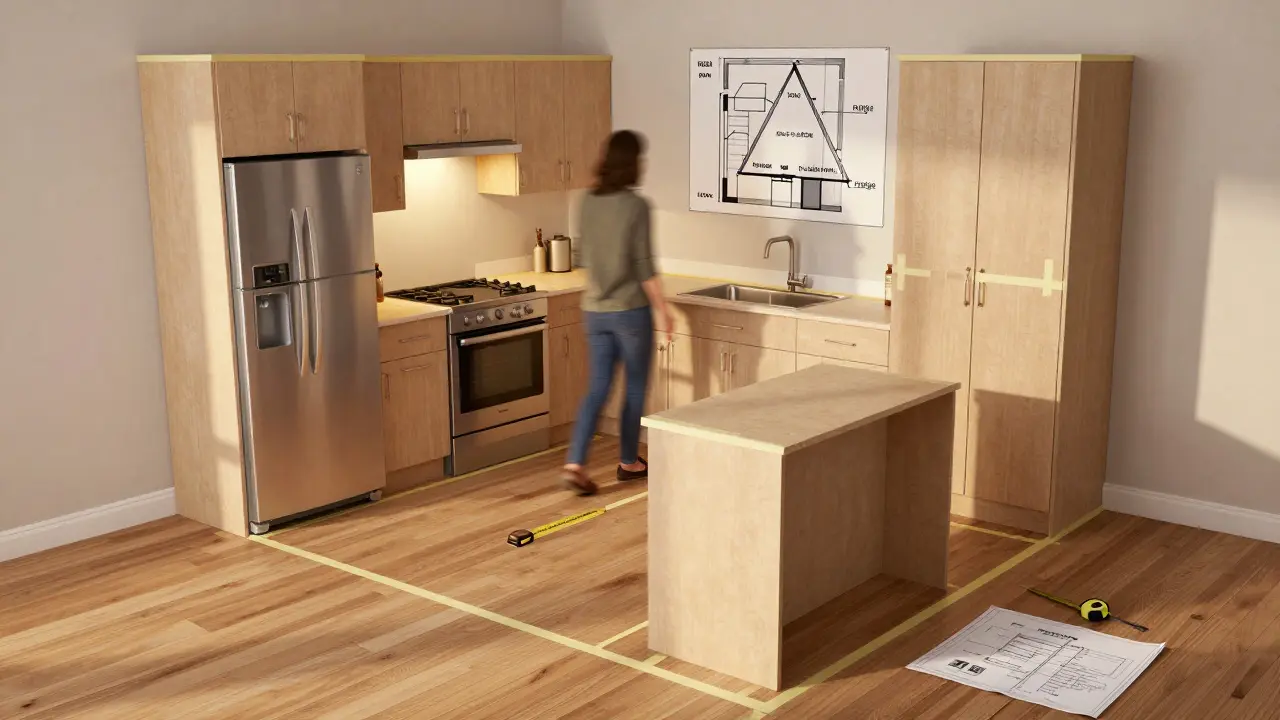
- Skipping the mock-up - Tape out the cabinet layout on the floor with painter’s tape. Walk through it. See how it feels. You’ll catch problems before you buy.
These mistakes cost money, time, and sanity. They’re avoidable with a little planning.
Final Thought: It’s Not About Size, It’s About Smart Design
A 10x10 kitchen doesn’t need to feel small. It needs to be intentional. You don’t need more space-you need better organization, better lighting, and smarter storage. The best kitchens aren’t the biggest. They’re the ones where everything has a place, and you never have to search for your spatula.
If you’re renovating a 10x10 kitchen, start with the workflow: sink to stove to fridge. Then build storage around it. Skip the extras. Stick to standard sizes. Light it well. And don’t let anyone tell you it’s too small. Millions of people cook great meals in this exact space every day. You can too.
Can a 10x10 kitchen have an island?
Yes, but only if it’s a peninsula attached to a wall. A freestanding island needs at least 4 feet of clearance on all sides, which is hard to achieve in a 10x10 space. A 24- to 30-inch-wide peninsula adds counter space and seating without blocking movement.
What’s the best layout for a 10x10 kitchen?
The L-shaped or galley layout works best. An L-shape uses two walls for cabinets and appliances, leaving the third wall open for a door or window. A galley layout puts everything in two rows-perfect if you have a long, narrow space. Avoid U-shapes-they eat up floor space and make circulation harder.
How many cabinets do you need in a 10x10 kitchen?
Aim for 20-25 linear feet of cabinet space. That’s usually 8-10 cabinets total, including upper and lower units. Prioritize storage over looks: more drawers, fewer glass doors. Use vertical space-go up to the ceiling if possible.
Is quartz or laminate better for a small kitchen?
Quartz is more durable and easier to clean, which matters in a high-use kitchen. Laminate is cheaper and comes in lots of designs, but it can chip or stain. For most 10x10 kitchens, quartz in a light color (like white or light gray) gives you longevity and a clean look without overwhelming the space.
Can you fit a dishwasher and a full-size fridge in a 10x10 kitchen?
Yes, absolutely. Standard dishwashers are 24 inches wide and fit between cabinets. A 33-inch fridge is the sweet spot-it’s tall enough for storage but narrow enough to leave a 36-inch walkway. Avoid 36-inch fridges unless you’re willing to sacrifice cabinet space elsewhere.

Sanjay Mittal
March 9, 2026 AT 09:56Just finished renovating my 10x10 kitchen last month, and this post nailed it. Went with the L-shape, standard 33-inch fridge, and skipped the island entirely. Instead, I added a 28-inch peninsula with bar stools - game changer for morning coffee. Drawer dividers and corner turntables made a huge difference too. No more digging for pots. Also, white quartz countertops with matte black fixtures? Clean as hell and easy to wipe down. You don’t need fancy stuff - just smart placement.
Jamie Roman
March 10, 2026 AT 02:49Man, I wish I’d read this before I bought that 36-inch fridge. Ended up with a kitchen that feels like a walk-in closet with a stove. Now I’m stuck with a door that only opens 80 degrees, and I have to move the toaster every time I want oatmeal. The part about one countertop material? So true. I mixed granite and butcher block and now it looks like a craft fair exploded. Also, under-cabinet lighting is non-negotiable - I added LED strips and suddenly my whole kitchen doesn’t look like a cave. And yes, lazy Susans in the corner? Life-changing. I keep spices, oils, and even my spice grinder in there now. No more knocking over the cayenne.
Salomi Cummingham
March 11, 2026 AT 19:57Oh my god, I just cried reading this. Not because I’m sad - because I finally feel seen. My 10x10 kitchen is my sanctuary. I used to think it was a failure, a compromise, a ‘starter home’ trap. But after I installed the tall appliance cabinet on the narrow wall? I can finally keep my air fryer, coffee maker, and toaster oven all in one place - no clutter on the counter. And the magnetic spice rack next to the stove? I found my missing smoked paprika after three years. I didn’t just organize my kitchen - I rediscovered joy in cooking. This isn’t just advice - it’s emotional liberation. Thank you for saying what so many of us feel but never voice.
Johnathan Rhyne
March 12, 2026 AT 21:59Hold up. You said ‘standard 30-inch range’ but didn’t mention that 30 inches is actually 29 7/8 inches in real life because of drywall tolerances. Also, ‘33-36 inch fridge’? That’s not standard - that’s a marketing lie. True standard is 32.5 inches. And you say ‘avoid double ovens’ like they’re a sin, but if you’re baking sourdough or roasting two chickens? You’re gonna regret it. And ‘glass-front cabinets make it feel cluttered’? Only if you’re storing mismatched mugs. I have a curated display of ceramic mugs from my travels - it adds character. Also, ‘quartz is better than laminate’? Please. Laminate’s improved 300% since 2020. My IKEA countertop looks like Calacatta and cost $1,200. Just sayin’.
Jawaharlal Thota
March 14, 2026 AT 09:06This is the most practical guide I’ve read in years. I’ve helped three friends renovate their 10x10 kitchens, and every single one of them made the same mistakes: overbuying appliances, ignoring door swing, and putting too much faith in ‘open concept’ without measuring. One guy installed a 48-inch island and now his fridge door hits the island when he opens it. He had to buy a new fridge. Another spent $8k on custom cabinetry with glass fronts - now he’s constantly dusting. The advice on vertical storage? Gold. I installed a 36-inch tall cabinet for my slow cooker and Instant Pot - now my counters are clear. And the under-cabinet lighting? I didn’t even know it existed until I saw it in a neighbor’s kitchen. It’s like turning on a lamp in a dark room. Simple. Brilliant.
Lauren Saunders
March 15, 2026 AT 21:45How quaint. A 10x10 kitchen? How... pedestrian. I mean, if you’re going to live in a space that’s essentially a glorified pantry, why not just live in a studio? Real kitchens have walk-in pantries, dual dishwashers, and integrated wine chillers. Also, ‘quartz is better’? Please. You’re not a chef - you’re a budget-conscious renter. If you can’t afford a honed marble countertop with integrated drainboard, maybe you shouldn’t be cooking at all. And ‘no double ovens’? That’s like saying ‘don’t wear socks with sandals’ - it’s not a rule, it’s a lifestyle failure.
sonny dirgantara
March 17, 2026 AT 03:26yo this helped so much like i had no idea about the 36 inch walkway thing and my fridge door was hitting the counter and i was so mad but now i just moved my toaster and it works?? also lazy susan is a legend
Andrew Nashaat
March 19, 2026 AT 00:36Correction: You said ‘standard 24-inch dishwasher’ - technically, it’s 23 7/8 inches. Also, ‘33-36 inch fridge’? That’s not a range - it’s a marketing scam. The actual standard is 32.5 inches, and anything over 33 inches violates IRC 304.2.1. And ‘avoid glass-front cabinets’? That’s not advice - that’s ignorance. Glass fronts allow light penetration and reduce visual bulk - especially when paired with LED strip lighting. You’re also missing that recessed lighting should be 3000K, not 4000K, to avoid washing out white countertops. And ‘quartz over laminate’? Only if you’re not using post-form laminate with anti-bacterial coating - which, by the way, is now ASTM D6866 certified. Also, your table says ‘mid-range’ is $22,200 - that’s inaccurate. In 2026, median cost is $19,800 based on NAHB data. You’re overestimating by 12%.
Gina Grub
March 19, 2026 AT 13:0910x10? That’s not a kitchen - it’s a cry for help. I’ve seen people try to fit a double oven in here and end up sobbing in the corner because their dishwasher won’t open. I’ve watched a woman cry because her spice rack fell off the wall. And then? She bought a $300 ‘kitchen zen’ app. The real tragedy? She didn’t even use the island. It was just a fancy shelf for her cat. This isn’t design. It’s emotional survival. You need to stop thinking about cabinets - and start thinking about peace.
Nathan Jimerson
March 21, 2026 AT 12:15This is exactly what I needed. I was ready to give up on my kitchen until I read this. Now I’ve got my fridge, stove, and sink in a perfect triangle, and I can actually move without bumping into something. The peninsula with two stools? Best decision ever. I don’t need a wine fridge or a trash compactor. I just need to be able to make toast without rearranging the room. Thank you for the clarity.