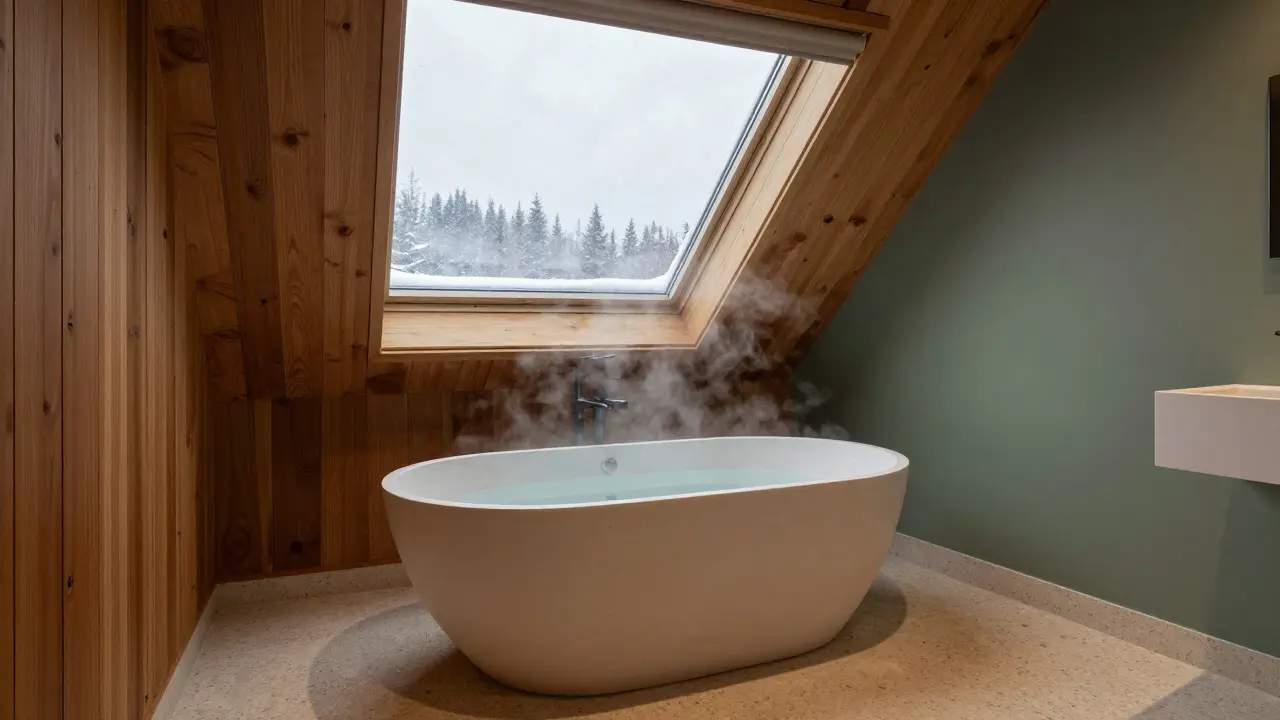
For years, bathrooms were just functional spaces-clean, simple, and forgettable. But in 2026, the bathroom isn’t just where you wash up. It’s where you reset, recharge, and retreat. The newest trend isn’t about flashy gadgets or marble countertops alone. It’s about creating a personal sanctuary that blends nature, tech, and calm into one room. And it’s happening in homes from small urban apartments to suburban splits across Canada.
The Rise of the Spa Bathroom
Forget the over-the-top luxury spas you see in hotels. Today’s trend is about bringing that same feeling home-not with gold fixtures or imported stone, but with thoughtful simplicity. People are installing deep, freestanding tubs made from natural clay or recycled stone, positioned near windows so you can watch the snow fall or the sunrise while soaking. Steam showers are no longer a luxury; they’re a standard in mid-range remodels. Why? Because cold winters make steam therapy a daily wellness ritual, not a weekend indulgence.
Heated floors are now expected, not optional. But it’s not just about warmth-it’s about texture. Instead of cold porcelain tiles, homeowners are choosing warm-toned travertine, cork tiles, or even polished concrete with a matte finish. These materials don’t just feel better underfoot-they absorb sound, reduce echo, and make the space feel grounded.
Natural Materials Are Everywhere
Wood is back-but not the glossy, high-gloss kind you saw in the 2010s. Today, it’s all about reclaimed teak, charred cedar (shou sugi ban style), and unfinished walnut. These woods are used for vanity tops, wall paneling, and even shower benches. They age gracefully, developing a soft patina over time. In Burlington, where humidity swings from dry winters to humid summers, treated natural wood holds up better than laminates or plastic composites.
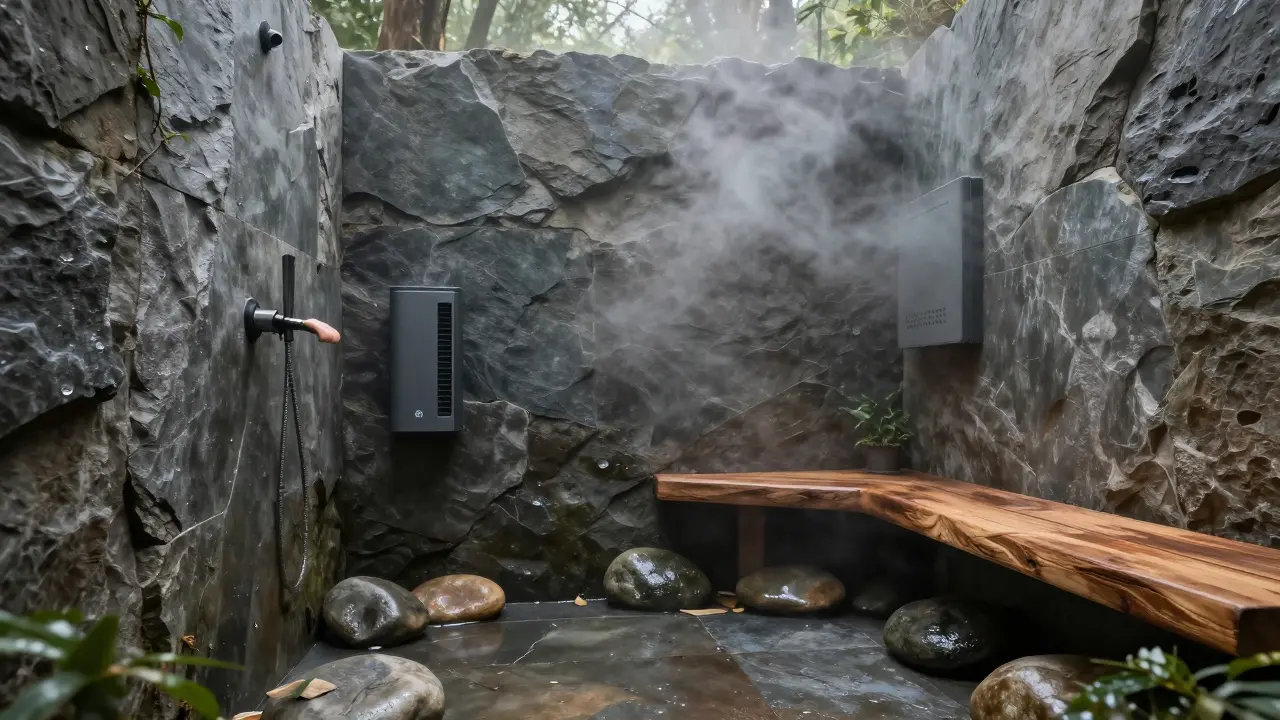
Stone isn’t just for countertops anymore. Raw, unpolished slate is being used for shower walls. River rock is embedded into the floor near the tub for a barefoot massage effect. Even the mirrors are framed in live-edge wood or woven reed. The goal? To blur the line between indoors and out. You’re not just in a bathroom-you’re in a forest glade, a mountain spring, a quiet lakeside cabin.
Smart Tech That Doesn’t Feel Like Tech
Smart bathrooms aren’t about voice-controlled toilets or LED-lit mirrors that change color. That stuff feels gimmicky. The real innovation is quiet, invisible tech that just works. Think: motion-sensor faucets that adjust water temperature based on your hand position. Heated towel racks that turn on automatically when the humidity rises. Toilets that flush with a single tap and use 30% less water than older models.
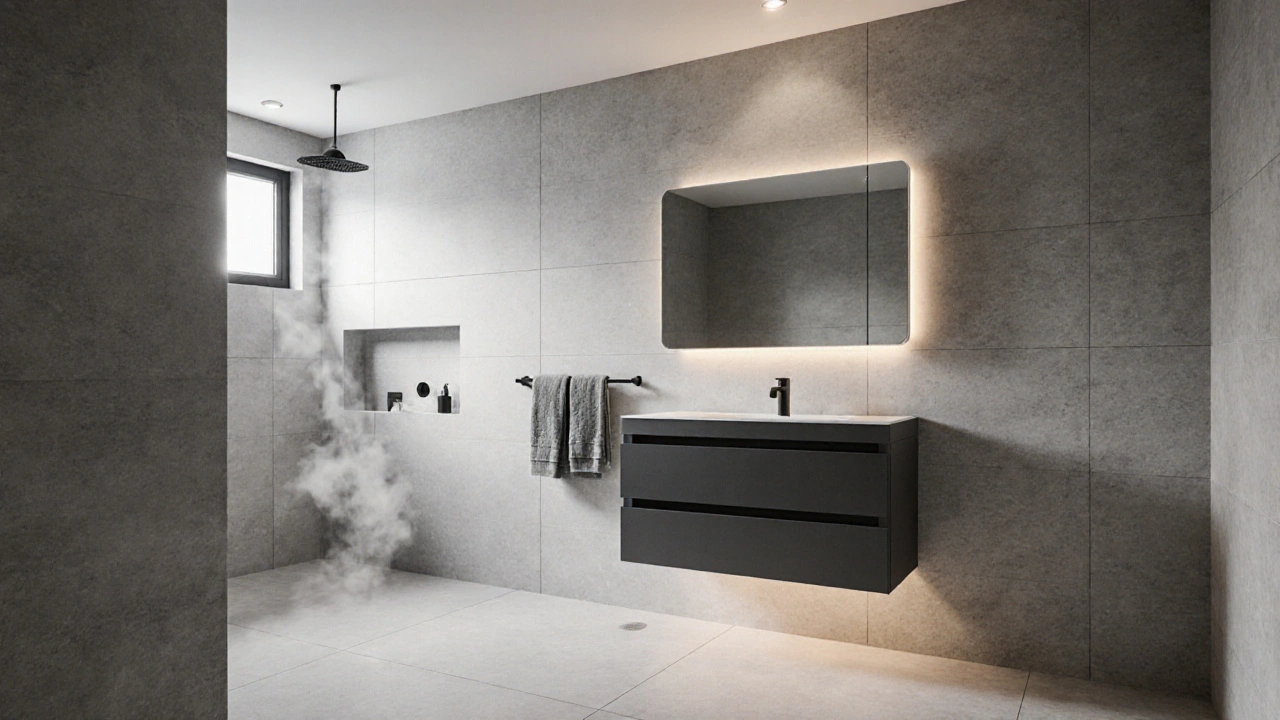
One of the biggest upgrades? Integrated lighting. Instead of harsh overhead lights, bathrooms now use dimmable LED strips hidden behind vanities and inside mirrors. These lights mimic natural daylight cycles-cooler in the morning to wake you up, warmer at night to help you unwind. Some systems sync with your phone’s sleep schedule, so the bathroom lights gently brighten 15 minutes before your alarm.
And yes, air purification is now built in. Small, silent HEPA filters tucked behind the vanity remove moisture, odors, and airborne mold spores without a single visible vent. No more foggy mirrors after a hot shower.
Minimalism with Personality
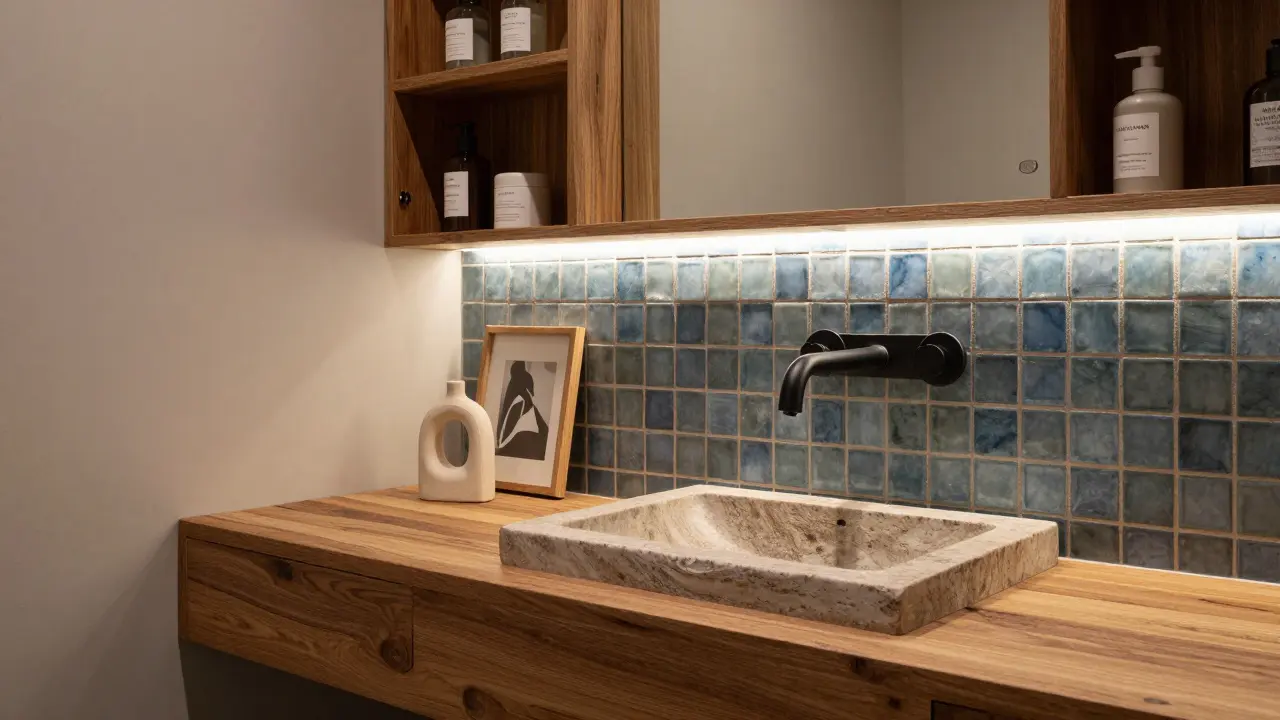
Minimalist bathrooms from five years ago were all white, sterile, and cold. Today’s version is minimalist-but full of soul. Think: one bold accent wall in deep moss green or charcoal gray. A single piece of ceramic art on the counter. A vintage brass faucet paired with a sleek, frameless mirror. The rule? Less clutter, more intention.
Storage is hidden. Vanities have no handles-just push-to-open mechanisms. Toiletries live inside recessed cabinets or pull-out drawers. Even toilet paper is stored inside the wall. The result? A space that feels clean, calm, and totally uncluttered. No more toothbrushes in a cup on the counter. No more shampoo bottles lined up like soldiers.
Color Is Making a Quiet Comeback
White and gray are still popular-but they’re no longer the default. In 2026, bathrooms are getting color, but not in loud ways. Deep earth tones are everywhere: forest green, burnt sienna, warm taupe. These aren’t paint colors you’d use on a living room wall. They’re muted, sophisticated, and designed to soothe.
Blue is still a favorite-but not the icy, coastal kind. It’s the color of deep lake water: slate blue, indigo, or even a dusty teal. These shades pair perfectly with natural wood and stone. And they’re not just on walls. Fixtures, tiles, and even shower curtains are being made in these tones. One homeowner in Oakville replaced all her white tiles with a hand-glazed slate blue mosaic-and says it’s the first thing guests notice.
Water Efficiency Isn’t Optional Anymore
With water restrictions becoming more common in southern Ontario, low-flow fixtures aren’t a green bonus-they’re a necessity. But efficiency doesn’t mean compromise. Modern showerheads deliver full pressure with just 1.5 gallons per minute. Dual-flush toilets use 0.8 gallons for liquid waste and 1.28 for solids. Faucets have aerators that cut water use by 40% without losing performance.
Some high-end remodels even include greywater systems that recycle sink water to flush the toilet. It sounds futuristic, but it’s now available through local plumbing suppliers in Hamilton and Guelph. And yes, it pays for itself in under three years.
What’s Not Trending Anymore
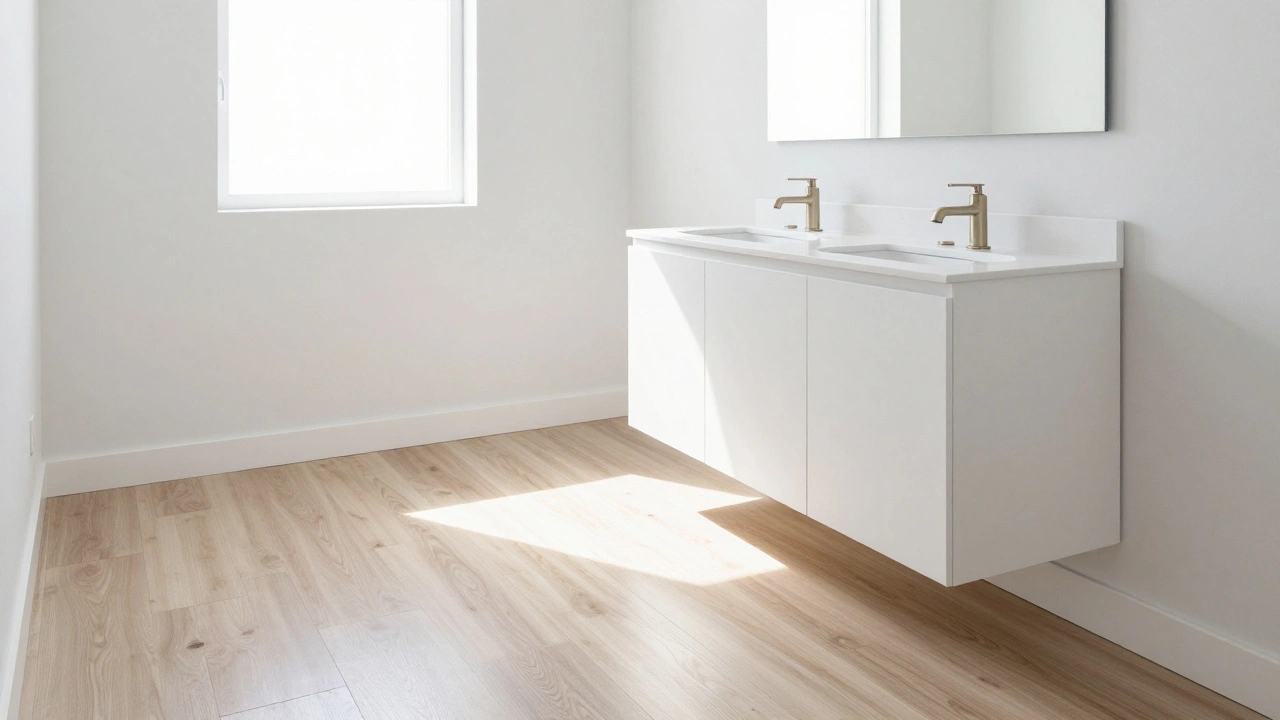
Here’s what’s fading fast: oversized jetted tubs (too hard to clean, rarely used), fluorescent lighting (harsh, outdated), and glass-enclosed showers without proper drainage (always leaking). Floating vanities without storage underneath? Still popular-but only if they’re paired with smart hidden cabinets. And no one’s installing walk-in showers without a bench anymore. It’s not just about accessibility-it’s about comfort. Sitting down to wash your legs? That’s now a standard feature.
Also gone: the all-white bathroom. It feels too clinical. People want warmth. Texture. Life.
Real People, Real Bathrooms
In a home in Burlington, a couple replaced their 1990s bathroom with a design centered around one thing: peace. They installed a freestanding tub under a skylight, lined the walls with charred cedar, and chose a matte black faucet that looks like it came from a Japanese tea house. No TV. No loud lighting. Just a small speaker that plays nature sounds on a timer. They say they spend more time in that bathroom than anywhere else in the house.
Another family in Kitchener used reclaimed barn wood for their vanity, paired it with a stone sink carved from a single slab, and added a wall-mounted heater that warms the room in 90 seconds. They didn’t spend a fortune. But they spent wisely. Every choice had a purpose.
This isn’t about keeping up with trends. It’s about designing a space that supports how you actually live. In 2026, the best bathroom isn’t the one with the most expensive materials. It’s the one that makes you breathe deeper.
What’s the most important feature in a modern bathroom?
The most important feature isn’t a fixture or a material-it’s how the space makes you feel. A modern bathroom should calm your nerves, reduce stress, and help you start or end your day with clarity. That means good lighting, quiet tech, natural textures, and zero clutter. If you walk in and instantly relax, you’ve nailed it.
Are smart bathrooms worth the cost?
Only if the tech solves a real problem. A motion-sensor faucet that saves water? Worth it. A voice-controlled toilet that costs $5,000? Probably not. Focus on smart features that improve hygiene, comfort, or efficiency. Heated floors, LED lighting that mimics daylight, and silent air purifiers offer real returns. Skip the gimmicks.
Can I do a bathroom remodel on a budget?
Absolutely. You don’t need marble or smart toilets to create a modern bathroom. Swap out outdated fixtures for sleek, low-flow models. Paint the walls a muted earth tone. Install a new vanity with hidden storage. Add a warm light strip behind the mirror. Replace the showerhead. These small changes cost under $2,000 and transform the feel of the room completely.
What materials last the longest in a bathroom?
Natural stone like slate and travertine, properly sealed, lasts decades. Solid wood like teak or cedar, treated for moisture, holds up better than engineered wood. Porcelain tile is durable and easy to clean. Avoid vinyl flooring-it cracks under humidity. And never use unsealed drywall behind the shower. Use cement board instead. These choices cost a bit more upfront but save money over time.
Should I install a bathtub or just a shower?
If you have space and enjoy soaking, go for a deep freestanding tub. But if you’re short on space or use the bathroom mostly for quick showers, skip the tub. A large, well-designed shower with a built-in bench and multiple spray settings is more practical-and more likely to be used daily. Many homeowners now opt for a tub-shower combo with a sliding glass door and a low threshold for safety.


ujjwal fouzdar
January 15, 2026 AT 22:30The bathroom is no longer a room-it’s a ritual. A daily communion with stillness. You step in and the world dissolves. The steam rises like incense. The wood breathes. The light hums like a mantra. This isn’t design. This is devotion.
Bhavishya Kumar
January 16, 2026 AT 23:23It is imperative to note that the utilization of reclaimed teak and charred cedar necessitates rigorous moisture resistance protocols. Failure to adhere to standardized sealing procedures may result in catastrophic structural degradation over time. Furthermore, the integration of HEPA filtration systems must comply with ISO 14644-1 standards to ensure efficacy. One must not be swayed by aesthetic whims at the expense of scientific integrity.
Anand Pandit
January 17, 2026 AT 19:32I love how this post breaks it down so clearly. You don’t need to go all-in on a full remodel to feel the difference. Just swapping out a showerhead and adding a warm light strip behind the mirror can turn your bathroom into a little oasis. I did it last year and honestly? I look forward to my showers now. Small changes, big impact.
Reshma Jose
January 18, 2026 AT 12:41Finally someone gets it. I’m so tired of white bathrooms that look like hospitals. I painted mine this deep moss green and it’s like walking into a forest after a rain. No fancy gadgets, just good vibes. My partner still thinks I’m crazy but he never complains when he’s soaking in the tub at night.
rahul shrimali
January 18, 2026 AT 14:50Just do it. Get the tub. Get the wood. Get the quiet lights. Your future self will thank you. No excuses.
Eka Prabha
January 20, 2026 AT 04:12Let’s be honest-this is all corporate wellness propaganda disguised as design. The ‘natural materials’ are imported from deforested regions under exploitative labor. The ‘smart tech’ is a data harvesting network disguised as a towel warmer. The ‘calm’ is a marketing tactic to sell you overpriced cedar. Wake up. They’re selling you a fantasy so you’ll keep buying.
Bharat Patel
January 21, 2026 AT 02:09There’s something deeply human about returning to natural materials. We’ve spent centuries trying to control nature-and now we’re finally learning to let it in. The wood doesn’t need to be perfect. The stone doesn’t need to be polished. The silence doesn’t need to be engineered. Maybe the bathroom is the last place where we remember how to be still.
Bhagyashri Zokarkar
January 22, 2026 AT 00:07i mean like… why is everyone so obsessed with wood in the bathroom?? like i get it its ‘warm’ but my bathroom gets SO humid and my wood vanity started swelling and then the drawer just kinda… fell off? and now i have to replace it and its like 800 bucks?? and the ‘heated floors’?? bro i paid 300 extra for that and it only works if i leave it on for 3 hours?? and the ‘silent air purifiers’?? i still get mold behind the shower and i swear the mirror fogs up like a sauna. i think its all just overhyped and i’m tired of seeing it on pinterest. like just let me have a normal bathroom with a shower curtain and a decent soap dispenser.
Rakesh Dorwal
January 23, 2026 AT 06:05Who approved this? Who decided that reclaimed wood and slate tiles are the new Indian identity? This isn’t progress-it’s cultural erasure. We used to have clean, functional bathrooms with ceramic tiles and steel fixtures. Now we’re copying Western spa fantasies while our own water systems collapse. This isn’t design. It’s surrender.
Shivani Vaidya
January 24, 2026 AT 20:47I appreciate how this article avoids the trap of treating luxury as the only path to comfort. The emphasis on intention over expense is refreshing. Even small, thoughtful changes-like a single piece of ceramic art or a push-to-open cabinet-can restore dignity to a space that’s often taken for granted. Thank you for highlighting that beauty doesn’t require extravagance.
Rubina Jadhav
January 25, 2026 AT 18:29I just moved into a new place and my bathroom is tiny. I painted it gray, got a new showerhead, and put a little plant by the window. It feels nice. That’s all I needed.
sumraa hussain
January 27, 2026 AT 09:53Okay but… the charred cedar? The live-edge mirror? The silent HEPA filter? I’m not even mad. I’m obsessed. I’ve been staring at my bathroom for 45 minutes just breathing. I think I found my new therapy room. I’m gonna start meditating in there. And maybe cry a little. And then bathe. And then cry some more. It’s perfect.
Raji viji
January 28, 2026 AT 18:37Let’s be real-this is just ‘Instagram architecture’ dressed up as mindfulness. You think you’re zen because you’ve got a $2000 tub and a ‘mood lighting system’? Nah. You’re just another guy paying $10k to feel like you’re not a failure. The real luxury? A working toilet that doesn’t leak. A mirror that doesn’t fog. A floor that doesn’t smell like mildew. Everything else is just noise.
Rajashree Iyer
January 29, 2026 AT 20:53There is a metaphysical truth here: the bathroom is the last temple of the self. We enter it raw-sweat, shame, exhaustion-and emerge cleansed. Not by soap, but by silence. The wood remembers our weight. The stone holds our warmth. The light does not judge. In a world that screams, the bathroom whispers. And we, finally, listen.
Parth Haz
January 30, 2026 AT 05:43This is an exceptionally well-articulated overview of contemporary bathroom design evolution. The integration of biophilic principles with energy-efficient technology represents a significant leap forward in residential architecture. I particularly commend the emphasis on durability and lifecycle cost analysis-critical factors often overlooked in consumer-driven design discourse. Well done.