Ever spent an entire Sunday on a sofa only to realize your lower back feels like it's been through a blender? Or maybe you've bought a dining table that looks stunning in a catalog but makes it impossible to actually pull out a chair without hitting a wall? We often treat furniture as a background element-something to fill a room-but the truth is that your physical environment dictates how you feel and function every single day.
When we talk about the best furniture for home, we aren't just talking about aesthetics. Home furniture refers to the movable objects such as tables, chairs, sofas, and beds that support various human activities. It is the intersection of industrial design, material science, and psychology. Choosing the wrong pieces doesn't just look bad; it can actively degrade your quality of life.
The Direct Link Between Furniture and Physical Health
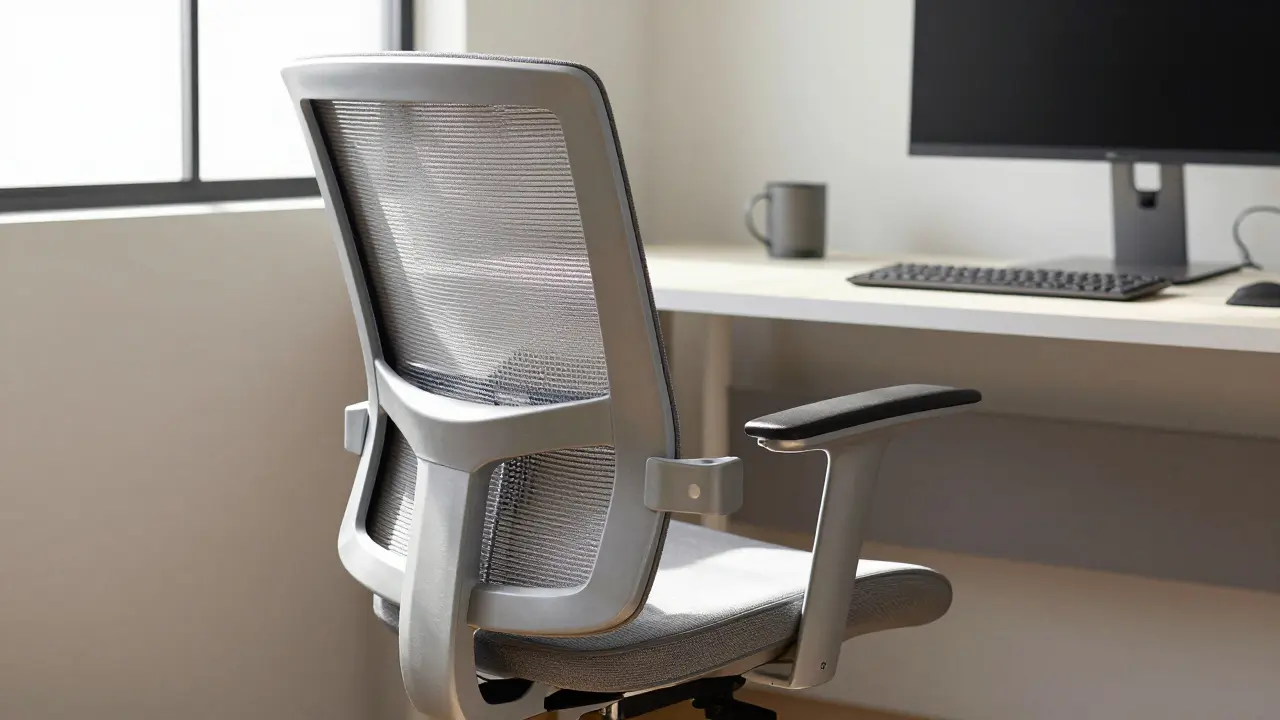
Your body doesn't adapt to a bad chair; the chair forces your body to adapt, often in the wrong ways. If you spend eight hours a day in a home office chair that lacks lumbar support, your spine begins to curve, leading to chronic tension in the neck and shoulders. This isn't just a minor annoyance. Long-term use of non-ergonomic seating is linked to musculoskeletal disorders that can take months of physical therapy to reverse.
Think about Ergonomic Design. This is the practice of designing furniture to fit the human body's natural alignment. A chair with a synchronized tilt mechanism, for instance, allows your pelvis to rotate backward, reducing pressure on your spinal discs. If you're choosing a mattress, you're not just buying a place to sleep-you're choosing how your vertebrae align for eight hours a night. A mattress that is too soft causes the hips to sink, pulling the spine out of alignment and leaving you exhausted upon waking.
Psychological Impact and the Mood-Space Connection
Why does a minimalist room feel calming while a cluttered one feels stressful? It comes down to how furniture affects our mental state. When you choose pieces that are scaled correctly for your room, you create a sense of order. Overly bulky furniture in a small room triggers a subconscious feeling of confinement, which can actually increase cortisol levels over time.
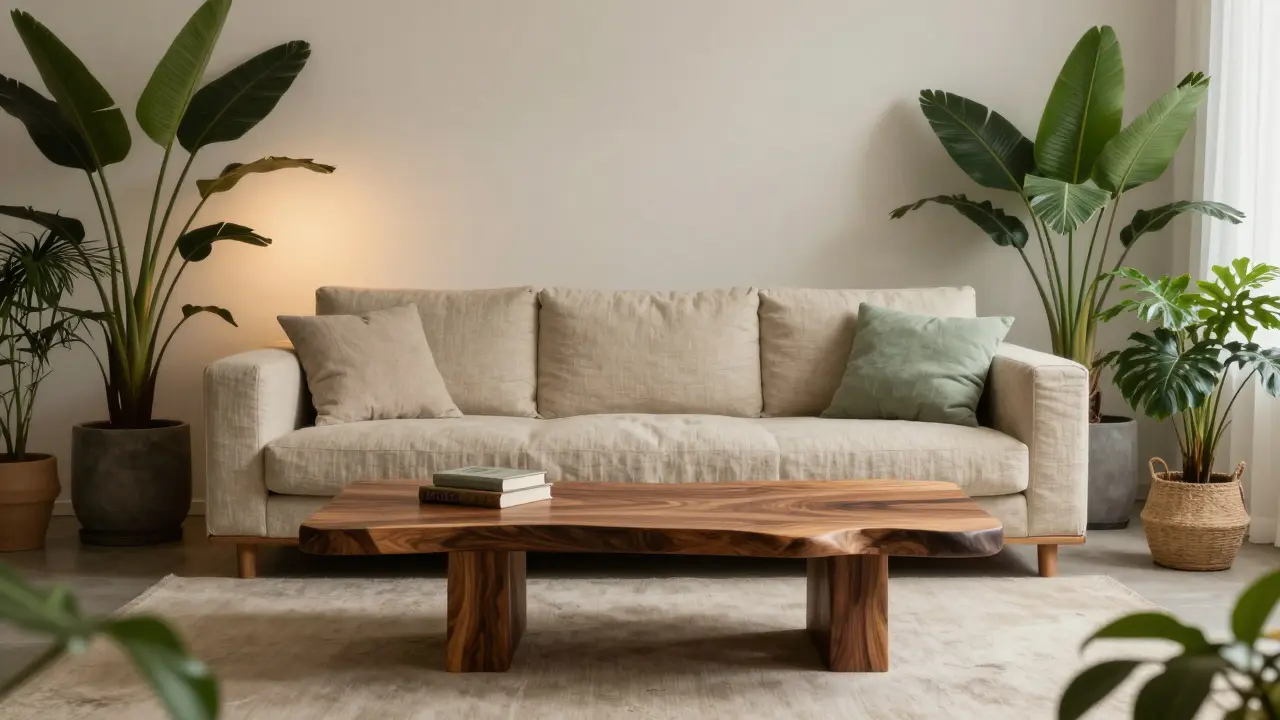
The materials you choose also play a role. Using Natural Materials like solid oak, walnut, or linen creates a biophilic connection-a human tendency to seek connections with nature. Research into environmental psychology suggests that incorporating these elements into your living space can lower heart rates and improve focus. On the flip side, cheap particle board and synthetic glues often emit volatile organic compounds (VOCs) that can cause headaches and irritability, especially in poorly ventilated rooms.
| Material | Durability | Health Impact | Long-term Value |
|---|---|---|---|
| Solid Hardwood | High (50+ years) | Low VOCs, hypoallergenic | Increases/Holds value |
| MDF / Particle Board | Low (5-10 years) | Potential Formaldehyde off-gassing | Depreciates immediately |
| Top-grain Leather | High (with care) | Easy to clean, breathable | High resale value |
The Financial Trap of "Fast Furniture"
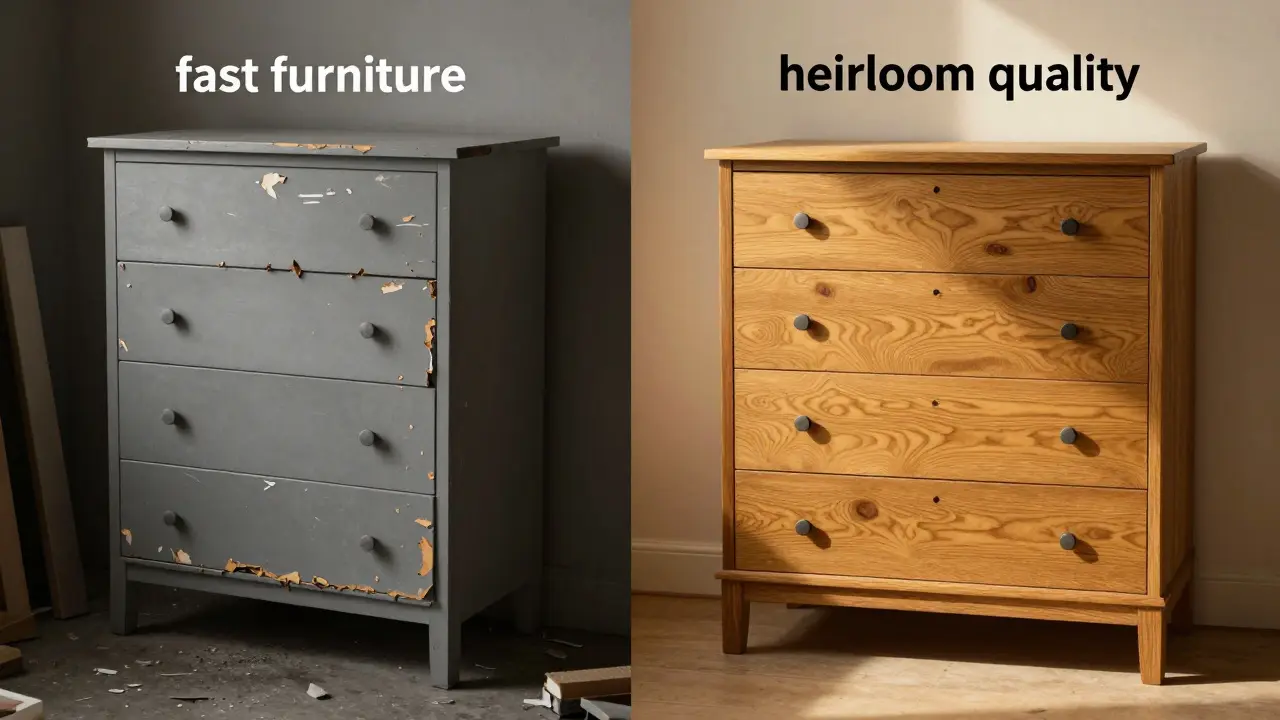
We've all been tempted by the incredibly low price tags of "flat-pack" furniture. It seems like a win for the budget, but it's actually a classic example of the "cheap is expensive" paradox. When you buy a low-grade coffee table, you aren't buying a piece of furniture; you're buying a temporary placeholder. Within three years, the cam-locks loosen, the laminate peels, and the structural integrity fails.
Investing in Heirloom Quality Furniture-pieces made with traditional joinery like dovetails or mortise-and-tenon-changes the financial equation. Instead of replacing a sofa every seven years, you buy one high-quality piece that lasts thirty. When you calculate the "cost per year," the expensive, well-made item is actually cheaper than the cycle of buying and discarding budget options. Plus, high-quality pieces often have a resale market, whereas cheap furniture usually ends up in a landfill.
Functionality and the Flow of Daily Life
Furniture isn't just about where you sit; it's about how you move. This is the core of Interior Design. If your furniture layout is haphazard, your daily routines become friction-filled. Imagine a kitchen where the island is just a few inches too wide, forcing you to take three steps around it every time you go to the fridge. Over a year, those extra steps and the slight frustration they cause add up to a genuine decrease in home efficiency.
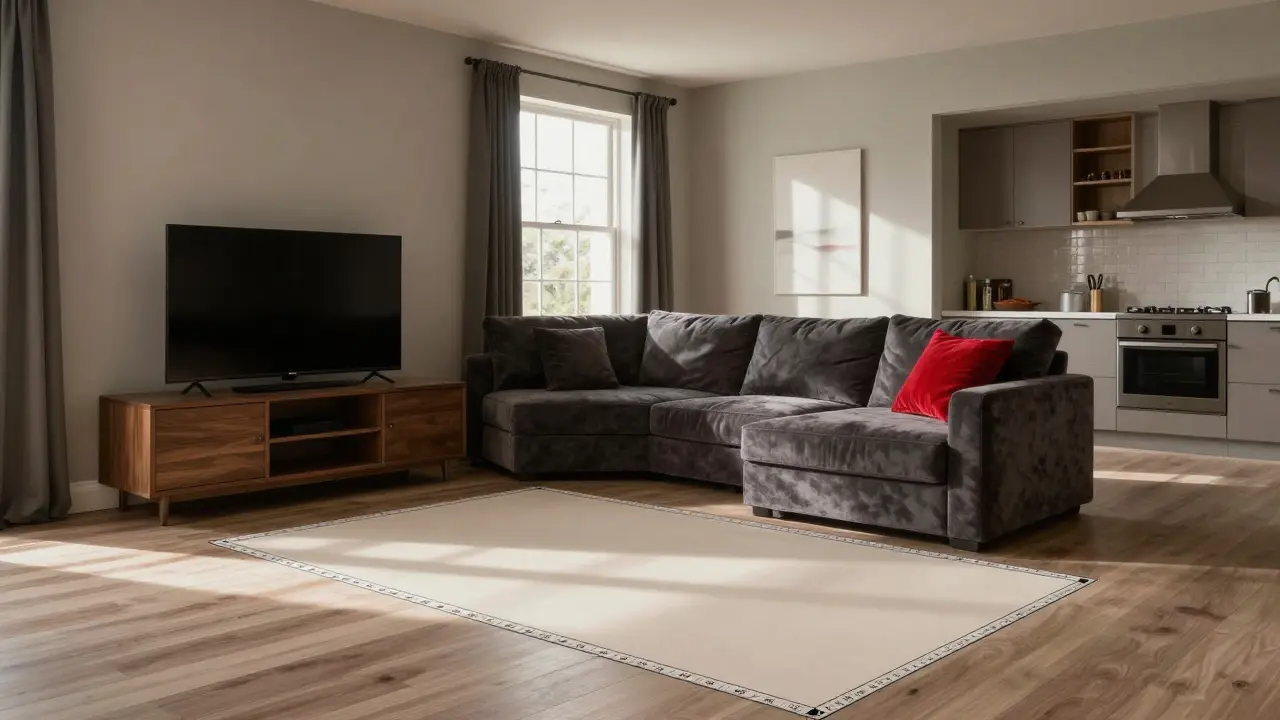
The right furniture facilitates "zones." A well-placed sectional can define a living area without needing a wall, creating a cozy nook for family interaction. A dedicated reading chair with an adjacent side table and lamp encourages a habit of reading that might not happen if you were just slouching on a couch. By choosing the right pieces, you are essentially designing your own habits.
Sustainability and the Environmental Cost
The furniture industry is one of the biggest contributors to landfill waste. Every time we toss a broken, cheap dresser, we contribute to a cycle of deforestation and chemical pollution. Choosing the right furniture often means choosing Sustainable Furniture, which utilizes reclaimed wood, FSC-certified forests, or recycled metals.
When you prioritize quality over quantity, you reduce your carbon footprint. A solid wood table can be sanded and refinished five times over a century, whereas a melamine-coated table is garbage the moment it gets a deep scratch. Making a conscious choice to buy fewer, better things is the most effective way to practice sustainability within the home.
How to Audit Your Current Space
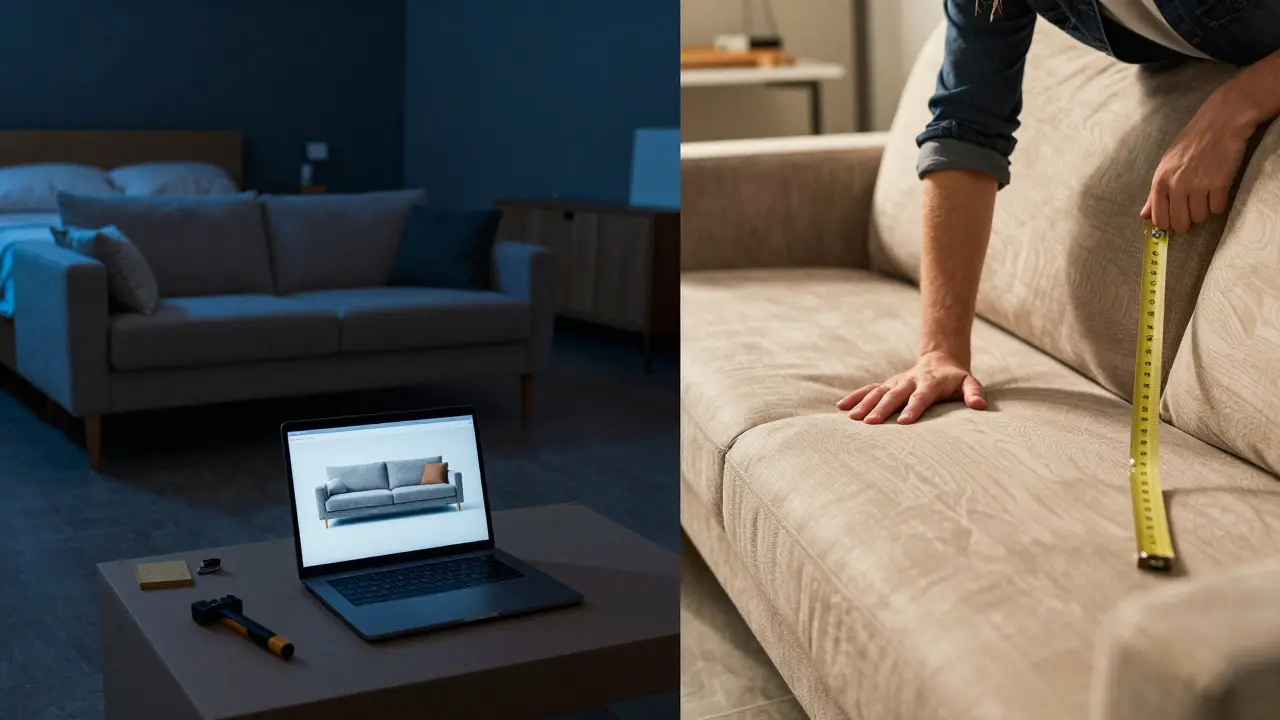
You don't need to replace everything at once. Start by asking a few blunt questions about your current pieces: Does this item actually serve a purpose, or am I just moving around it? Does this chair leave me feeling stiff after an hour? Is this material easy to maintain with my actual lifestyle (e.g., do I have pets but chose a white fabric sofa)?
If you find a piece that fails these tests, don't just replace it with another version of the same thing. Look for the underlying problem. If your current desk is too small, don't just buy a slightly larger cheap desk-look for a height-adjustable option that allows you to stand for part of the day, addressing the health issue and the space issue simultaneously.
Is expensive furniture always better quality?
Not necessarily. You often pay for the brand name or the designer's label. To judge quality, look at the construction: check for solid wood instead of MDF, look for reinforced joints instead of staples or glue, and feel the density of the foam in seating. A mid-priced piece from a local craftsman is often superior to a luxury brand piece made in a mass-factory.
What is the most important piece of furniture to invest in first?
Prioritize the items that impact your health and sleep. A high-quality mattress and an ergonomic office chair are the two most critical investments because they directly affect your spinal health and energy levels. After that, focus on the pieces you use most frequently, like your main sofa.
How do I know if a sofa is high quality?
Check the frame (kiln-dried hardwood is the gold standard), the suspension (eight-way hand-tied springs are the most durable), and the fabric rub count. A high rub count means the fabric can withstand more friction before wearing thin. Avoid "engineered wood" frames if you want the piece to last more than a few years.
Can a room be too full of furniture?
Yes. This is called "overfurnishing." When furniture blocks natural traffic paths or crowds the walls, it creates visual noise and can increase stress. A good rule of thumb is to leave at least 30 to 36 inches of walkway space between major pieces of furniture to maintain a comfortable flow.
What are the best materials for a high-traffic family home?
Performance fabrics (like crypton or treated polyesters) are excellent for sofas because they resist stains and liquids. For tables, a hard-wax oil finish on solid wood is often better than a thick lacquer because it's easier to spot-repair scratches without sanding the entire piece.

ANAND BHUSHAN
April 9, 2026 AT 01:26basically just tells us to buy expensive stuff if we want it to last.
Rohit Sen
April 10, 2026 AT 19:58Actually, the concept of heirloom quality is mostly a marketing myth for the middle class. Real luxury is about replacement, not longevity. But it's a cute idea.
Aditya Singh Bisht
April 11, 2026 AT 19:43This is such a great reminder to take care of our bodies! I totally agree that the right chair changes everything. Let's all start auditing our rooms today and make some positive changes for our health! You got this!
Vimal Kumar
April 13, 2026 AT 05:58I've had a similar experience with my home office setup. It's crazy how much a small adjustment in lumbar support can stop that end-of-day ache. If anyone's looking for tips on how to rearrange their room for better flow, I'm happy to share what worked for me!
Agni Saucedo Medel
April 15, 2026 AT 02:31Omg the part about the biophilic connection is so true! 🌿 My mood always lifts when I have real wood and plants around. It makes the home feel so much more alive and peaceful! ✨💖
Amit Umarani
April 16, 2026 AT 17:58The section on "fast furniture" is basically just a long way of saying don't buy cheap stuff from IKEA. We get it.
vidhi patel
April 17, 2026 AT 15:22The lack of precision in the terminology used within the text is appalling. Furthermore, the structural integrity of the argument regarding VOCs is insufficiently supported by academic citations. One must adhere to a higher standard of intellectual rigor when discussing environmental health.
Priti Yadav
April 18, 2026 AT 01:54Wait, VOCs? I bet the companies pushing these synthetic materials know exactly what they're doing. It's probably designed to keep us irritable and distracted so we keep buying more junk. Total corporate control over our home environments!
Sumit SM
April 19, 2026 AT 13:09Existence is but a reflection of our surroundings...!!! If our chairs are broken, is our spirit not also fractured...??? The alignment of the spine is the alignment of the soul...!!! We must seek the harmony of oak and linen to find the harmony within...!!!
Ajit Kumar
April 20, 2026 AT 14:13It is a profound moral failing of our modern consumerist society that we have prioritised the immediate gratification of a low price point over the enduring stewardship of the planet's finite resources. We must recognise that every piece of disposable furniture is not merely a financial mistake, but an ethical transgression against future generations who will inherit the landfills we create through our negligence and vanity. It is our duty to return to the craftsmanship of our ancestors, where a table was a promise of stability and a chair was a testament to durability, rather than a fleeting commodity designed for planned obsolescence in a race to the bottom of economic utility.
Pramod Usdadiya
April 22, 2026 AT 00:45I think many of us in India still have that old style of heavy wood furnituer from our grandparents that lasts forever... it is truly better than the new stuff we see in malls nowadays.
Indi s
April 23, 2026 AT 21:44I feel you on the back pain part. It really sucks when you just want to relax but your body hurts because the sofa is too soft.
Noel Dhiraj
April 25, 2026 AT 09:34just start small people! you dont need to spend a fortune all at once just get a better chair first and you will feel the difference in your energy levels immediately keep pushing for a better space
Nalini Venugopal
April 26, 2026 AT 00:10The point about designing habits is so interesting! I never thought about how a reading nook could actually make me read more. It's all about the layout and the vibe, right? Definitely makes me want to rethink my whole living room setup to be more intentional with how I spend my time!