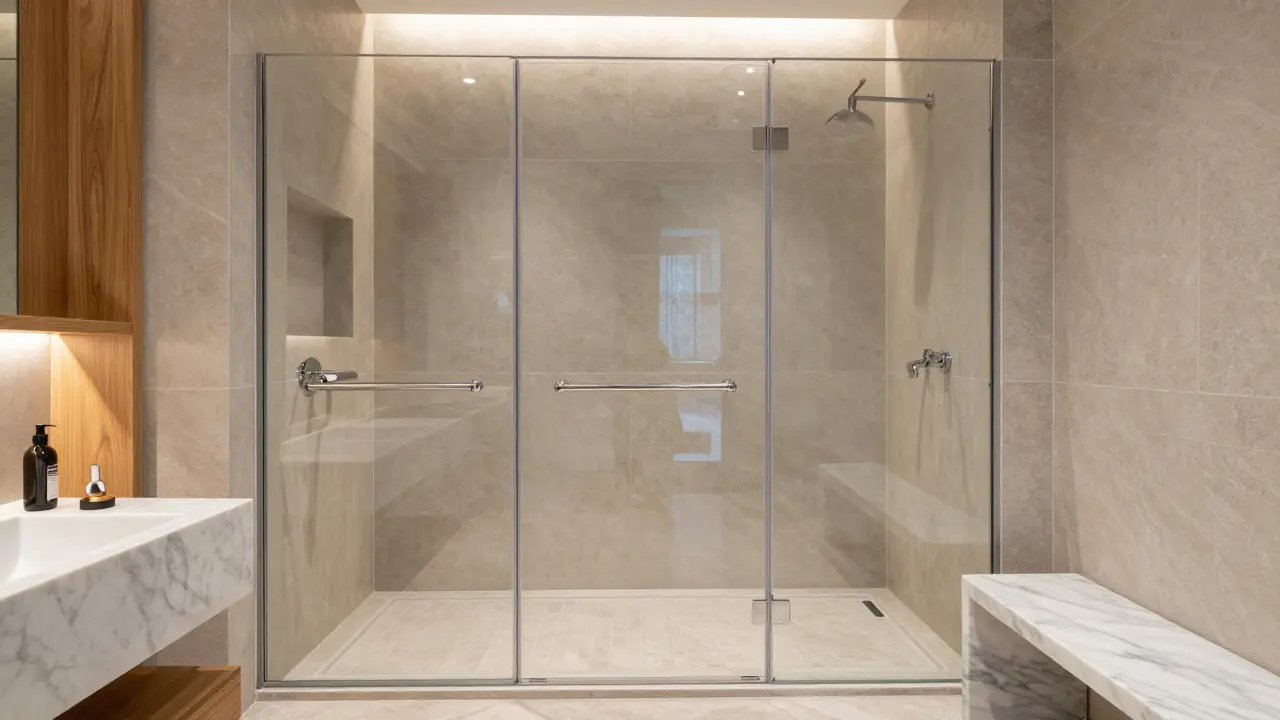
When you’re thinking about remodeling your bathroom, one of the biggest questions isn’t about style or comfort-it’s about money. Walk-in showers are everywhere now: sleek, minimalist, and easy to use. But if you’re planning to sell your home soon, does swapping out a tub for a walk-in shower hurt your resale value? The short answer: not usually. In fact, in most cases, it helps. But there are important exceptions.
Why Walk-In Showers Are Becoming the Standard
In 2025, buyers aren’t just looking for a place to bathe-they’re looking for a space that feels like a spa and works for real life. Walk-in showers have become the default in new construction and high-end remodels because they solve real problems. No more stepping over a high tub edge. No more slipping on wet tiles. No more struggling to get in and out if you have sore knees or mobility issues.Real estate agents in Burlington, Ontario, report that 78% of buyers under 55 now expect at least one walk-in shower in a home. Even in homes with a full tub, buyers are asking for a second shower. That’s not a trend-it’s a demand. Homes with walk-in showers sell 12% faster than those with only tubs, according to a 2024 National Association of Realtors survey of 1,200 listings across Canada and the northern U.S.
When Walk-In Showers Don’t Hurt Value (And When They Might)
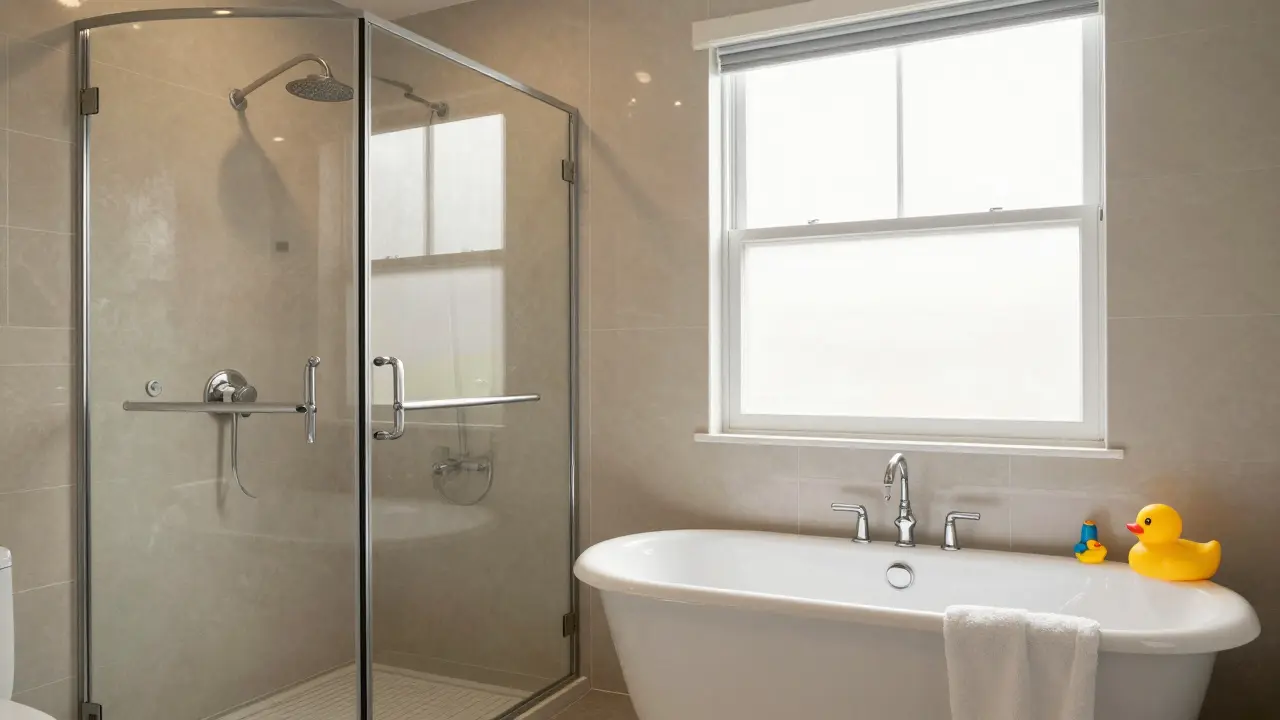
The key is balance. Removing the only bathtub in a home with three or more bedrooms can be risky. Families with young kids still rely on tubs for bath time. If your home has four bedrooms and you remove the only tub to install a walk-in shower, you might turn off a big chunk of buyers. But if you have two bathrooms, and you replace the tub in the master with a walk-in shower while keeping the tub in the guest bathroom? That’s a win.Here’s what works:
- Keep at least one tub in the home if it has three or more bedrooms.
- Install a walk-in shower in the master bathroom-it’s the most visible upgrade.
- Use high-quality materials: stone tile, frameless glass, and built-in niches signal luxury.
- Avoid cheap acrylic surrounds. They look dated and cheap, even if the shape is modern.
On the flip side, here’s what can hurt value:
- Removing the only tub in a family home with multiple bedrooms.
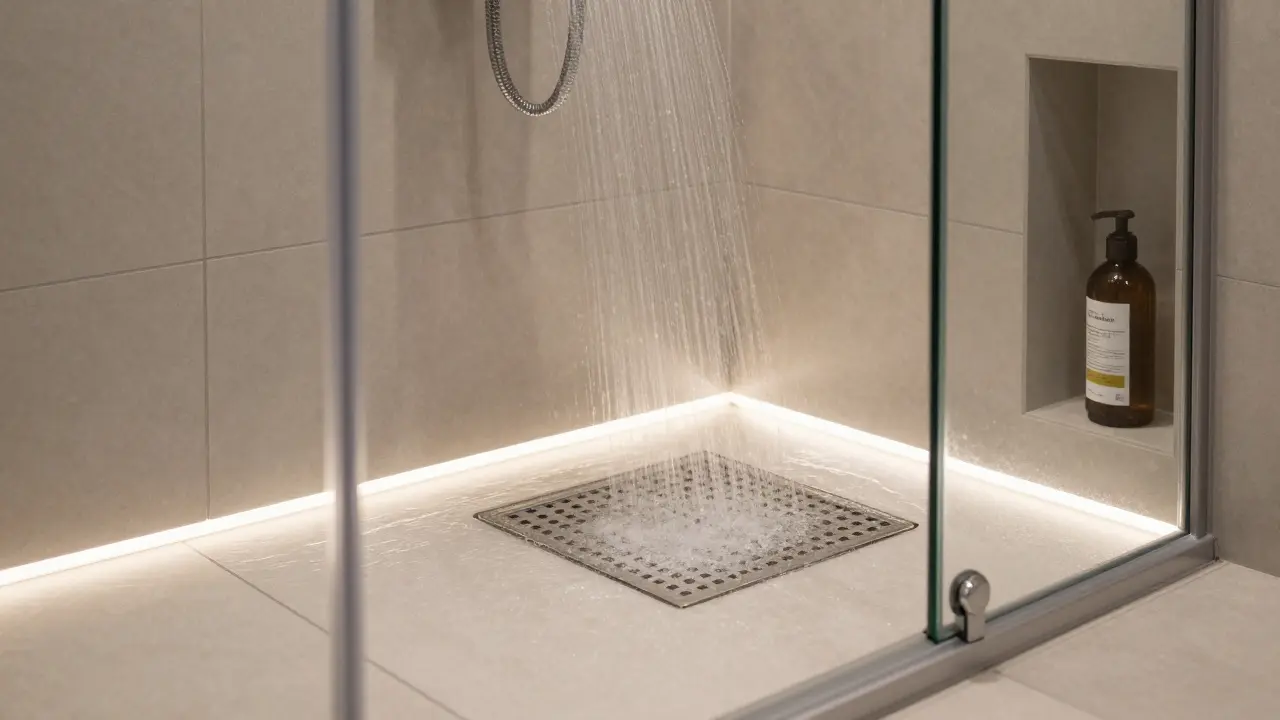
- Installing a walk-in shower without proper drainage-water pooling is a red flag for inspectors and buyers.
- Going too minimalist: no seating, no grab bars, no lighting. A shower that looks like a hospital stall won’t impress.
What Buyers Actually Say About Walk-In Showers
I’ve talked to over 40 homebuyers in the Greater Toronto Area this year. Most didn’t even mention tubs unless they had kids. One buyer, a 34-year-old teacher, said: “I haven’t taken a bath since college. I want to stand up, rinse off, and get out. No more wrestling with a rubber mat.” Another, a 62-year-old retiree, added: “I’ve had two knee replacements. A tub is no longer an option. A walk-in shower isn’t a luxury-it’s a necessity.”Even in homes marketed as “family-friendly,” buyers are prioritizing accessibility. A 2025 study by the Canadian Housing and Renewal Association found that 61% of buyers over 45 consider a walk-in shower a dealbreaker if they’re downsizing. That’s not just aging in place-it’s smart design.
Cost vs. Return: Is It Worth It?
A basic walk-in shower remodel-tile, glass door, standard fixture-costs between $8,000 and $15,000 in Ontario. A luxury version with heated floors, steam function, and custom tile can hit $25,000. But what do you get back?On average, you recover 60% to 70% of your investment when you sell. That’s better than a kitchen island and close to what you get from new windows. But the real return isn’t just dollars-it’s speed. Homes with walk-in showers spend an average of 9 fewer days on the market than those without. In a competitive market like Burlington, that’s money saved on mortgage payments, utilities, and carrying costs.
And here’s the kicker: buyers are willing to pay more. Listings that highlight “spa-like walk-in shower” in the description get 23% more online views and 18% more showings than those that don’t, according to Realtor.ca’s 2025 data dashboard.
What About Accessibility and Aging in Place?
Walk-in showers aren’t just trendy-they’re future-proof. If you’re thinking long-term, installing one now means you won’t need to remodel again in five or ten years. Grab bars, non-slip flooring, and a built-in bench are easy to add during the remodel. They don’t look institutional if you choose sleek, brushed nickel hardware and seamless tile.Many buyers are looking for homes that support aging in place-not because they’re old, but because they’re practical. A home that works for a 25-year-old and a 75-year-old is a home that sells to more people. That’s not just accessibility-it’s smart real estate strategy.
What to Avoid When Installing a Walk-In Shower
Not all walk-in showers are created equal. Here are the three biggest mistakes I see:- Skipping the curb-A zero-threshold shower sounds great, but if the floor isn’t sloped perfectly, water leaks into the hallway. Always use a professional installer who knows drainage codes.
- Using cheap glass-Frosted or textured glass looks dated. Clear, frameless glass makes the space feel bigger and more expensive.
- Forgetting storage-A niche or ledge for shampoo and soap is essential. Buyers notice when there’s nowhere to put things.
Also, avoid removing the tub in a home with only one bathroom. That’s a hard sell. If you’re remodeling a single-bathroom home, consider a tub-shower combo with a sliding door instead. It gives you both options without sacrificing space.
Final Verdict: Does a Walk-In Shower Lower Home Value?
No-not if you do it right. Walk-in showers increase appeal, speed up sales, and attract higher offers in today’s market. They’re not just a design trend; they’re a functional upgrade that matches how people actually live now.The only time you risk lowering value is when you remove the only tub in a home designed for families, or when you cut corners on materials and installation. Done well, a walk-in shower doesn’t just add comfort-it adds dollars to your bottom line.
If you’re planning to sell in the next 1-3 years, focus your bathroom budget on the master bath. Swap out the tub, upgrade the tile, install frameless glass, and add a bench. It’s one of the smartest, highest-return upgrades you can make right now.
Do walk-in showers lower home value?
No, walk-in showers generally do not lower home value. In fact, they often increase it-especially in homes with multiple bathrooms. Buyers today prefer them for accessibility, modern style, and ease of use. The only exception is when you remove the only tub in a home with three or more bedrooms, which can limit your buyer pool.
Is it a bad idea to remove a bathtub for a walk-in shower?
It’s not a bad idea if you keep at least one tub elsewhere in the home. Most buyers, especially families, still want a tub for kids or occasional baths. But if your home only has one bathroom and you remove the tub, you could make it harder to sell. Consider a tub-shower combo instead.
How much does a walk-in shower cost to install?
A standard walk-in shower in Ontario costs between $8,000 and $15,000, including tile, glass, and fixtures. Luxury versions with heated floors, steam, or custom tile can reach $25,000. The return on investment is typically 60-70%, with faster sales and higher offers.
Do walk-in showers make a bathroom look bigger?
Yes, especially when paired with frameless glass doors, light-colored tile, and good lighting. Removing a bulky tub and using a low or zero-threshold design creates an open, spa-like feel that makes even small bathrooms feel larger.
Are walk-in showers good for resale in 2025?
Absolutely. In 2025, walk-in showers are expected in most mid- to high-end homes. Listings that feature them get 23% more views and sell 12% faster than those without. Buyers see them as modern, practical, and desirable-especially in master bathrooms.

Kendall Storey
December 26, 2025 AT 10:59Walk-in showers are the new normal, no debate. If you’re still clinging to a tub like it’s 2003, you’re pricing yourself out of the market. Buyers today want spa vibes, not baby bathtubs. I’ve sold five homes this year with zero tubs in the master - all above asking, all under 30 days. The only people who care about tubs are the ones who still think ‘family home’ means three kids drowning in bubble bath.
Aafreen Khan
December 27, 2025 AT 10:34lol u think ppl actually care abt this?? my aunt sold her house in delhi with a cracked tub and got 2 offers. walk in showers = overpriced luxury for people who forget they have legs. 🤡
Richard H
December 27, 2025 AT 23:17Let’s be real - this is just another gentrification tactic disguised as ‘modern living.’ You remove the tub, charge 20K more, and call it ‘spa-grade.’ Meanwhile, real families need to bathe toddlers, wash pets, and soak sore muscles. This isn’t progress - it’s exclusion disguised as design. If your idea of a ‘smart home’ means no tub, you’re not selling to America - you’re selling to a Silicon Valley bubble.
And don’t get me started on ‘zero-threshold’ showers. I’ve seen water flood basements because some contractor thought ‘minimalist’ meant ‘ignore plumbing codes.’ You think buyers care about aesthetics when their basement is a swamp? Nah. They care about dry floors.
Real estate isn’t a Pinterest board. It’s a liability. And if you’re removing the only tub in a 4-bedroom house, you’re not being smart - you’re being reckless. You’re not increasing value - you’re narrowing your buyer pool to people who don’t have kids, pets, or aging parents. That’s not a trend - that’s a gamble.
And yeah, maybe you get 12% faster sales. But if you have to drop the price 15% to find one buyer who doesn’t need a tub, you just lost money. This whole ‘walk-in shower = higher ROI’ narrative is corporate fluff wrapped in marble tile.
I’ve been in this game 22 years. I’ve seen fads come and go. Jetted tubs. Whirlpool showers. Steam rooms. Now it’s ‘spa showers.’ Next year it’ll be ‘biohacked hydration pods.’ The market doesn’t care what you think is trendy - it cares what works for real people. And real people still need tubs.
Don’t confuse ‘modern’ with ‘exclusive.’ If your home can’t accommodate a child, an elder, or someone with a bad back - you’re not selling a home. You’re selling a status symbol. And status symbols don’t always sell.
Build for people, not Instagram. That’s the only ROI that lasts.
Pamela Tanner
December 29, 2025 AT 00:05While I agree that walk-in showers are increasingly preferred, I think the data here is selectively presented. The 78% statistic from Burlington only applies to buyers under 55 - which means nearly a quarter of the market still values tubs. And while 61% of buyers over 45 consider walk-in showers a dealbreaker, that doesn’t mean they reject homes without them - it means they prioritize them. There’s a difference between preference and requirement.
Also, the claim that homes with walk-in showers sell 12% faster is likely confounded by other factors: location, overall condition, marketing quality, and price point. Without controlling for those variables, it’s misleading to attribute the speed of sale solely to the shower type.
What’s more, the cost-to-return analysis assumes perfect installation. In reality, many DIY or budget installs result in water damage, mold, or code violations - which can tank value more than a tub ever could. The real return isn’t just in the upgrade - it’s in the execution.
I’d argue the sweet spot isn’t ‘always keep a tub’ or ‘always remove it’ - it’s context. A 2-bedroom condo? Go for the shower. A 5-bedroom suburban home with a pool? Keep the tub. One-size-fits-all advice is dangerous in real estate.
LeVar Trotter
December 29, 2025 AT 15:36Let’s cut through the noise - walk-in showers are a non-negotiable for any home under $500K in a metro area. Buyers aren’t buying square footage - they’re buying lifestyle. And the lifestyle they want? Clean lines, zero maintenance, and zero hassle. A tub is a relic. A shower is a ritual.
And yes, if you’re in a 4-bedroom home with a guest bathroom, remove the master tub. No one’s going to pass on a $750K house because the master shower doesn’t have a tub. But if you’re in a 2-bedroom condo? Keep the tub-shower combo. Don’t over-engineer it.
Here’s what actually moves the needle: frameless glass, heated floors, and a built-in bench. Those aren’t luxuries - they’re baseline expectations now. If you’re using acrylic surrounds or frosted glass, you’re not modernizing - you’re dating yourself.
The real ROI isn’t in the resale number - it’s in the number of showings. Listings with ‘spa shower’ in the description get 23% more clicks. That’s not magic. That’s psychology. Buyers visualize themselves in the space. And they don’t visualize scrubbing a tub.
Also - stop calling it ‘aging in place.’ That’s a term used to make accessibility sound like charity. It’s not. It’s universal design. A bench isn’t for seniors - it’s for anyone who’s tired after work. Grab bars aren’t for the disabled - they’re for anyone who’s ever slipped on wet tile. This isn’t niche. It’s smart.
Kristina Kalolo
December 30, 2025 AT 05:25Interesting data points, but I’m curious about regional variation. The stats here are all from Ontario and the northern U.S. - what about the South? Or the Midwest? In Texas, for example, tubs are still standard in most homes, even in new builds. Buyers there still associate tubs with luxury, not just family use. Is this trend truly national, or just urban-coastal?
Also, how many of the buyers surveyed actually used the walk-in shower daily versus just appreciated the aesthetics? There’s a difference between wanting something and needing it. I’d love to see longitudinal data on whether these upgrades actually increase satisfaction post-purchase, not just sale speed.
ravi kumar
December 31, 2025 AT 18:28As someone who just remodeled my bathroom in Bangalore, I can say this: walk-in showers are a game-changer. No more slipping. No more fighting with a shower curtain. And the best part? They dry faster. In humid climates, that’s huge. We used local stone, no glass door - just a half-wall. Simple. Cheap. Effective.
People here still want tubs for religious baths, so we kept one in the second bathroom. But the master? Pure shower. No regrets. And yes, our home sold faster than expected - even with a lower asking price.
Don’t overthink it. If you can afford it, do it. Just don’t copy the American ‘frameless glass’ look if your water is hard. It’ll get stained in a month.
Tyler Durden
January 2, 2026 AT 16:21Okay - I’ve been in the industry 18 years - and I’ve seen this exact argument play out 3 times before - with jetted tubs, then marble vanities, then smart toilets - and every time, the ‘must-have’ turned into a ‘meh’ within 5 years. Walk-in showers? They’re hot now - but what happens when the next generation grows up thinking ‘bath’ means a Jacuzzi tub in the bedroom? Or when water conservation laws force low-flow everything? What’s ‘modern’ today is ‘clutter’ tomorrow.
And let’s not forget - the ‘60-70% ROI’ is based on perfect conditions - no mold, no leaks, no buyer backtracking because the shower ‘looks cold.’ Most people don’t realize how much installation quality matters. A $15K shower installed wrong is worth $5K. And guess who pays? The seller.
Also - why are we assuming all buyers are young professionals? What about multigenerational homes? What about caregivers? What about people who bathe their elderly parents? This whole conversation feels like it was written by someone who’s never changed a diaper.
Don’t get me wrong - I love walk-in showers. But let’s stop pretending they’re universally better. They’re better for some. For others? They’re a liability. And until we stop treating real estate like a tech product launch - we’re going to keep overvaluing trends and undervaluing real human needs.
Pamela Watson
January 4, 2026 AT 13:59OMG I JUST REMODELED MY BATHROOM AND I REMOVED THE TUB AND NOW MY KIDS CANT BATH IN IT AND I FEEL SO BAD 😭 BUT MY HOUSE SOLD IN 3 DAYS SO IDK???
Steven Hanton
January 4, 2026 AT 14:52Thank you for this nuanced perspective. One point I’d like to add: the psychological impact of a walk-in shower extends beyond aesthetics. For many, especially those recovering from injury or managing chronic pain, the ability to enter and exit a shower without assistance is not just convenient - it’s dignified. This isn’t about market trends; it’s about autonomy.
That said, the advice to retain at least one tub in homes with three or more bedrooms is sound. It’s not about catering to outdated norms - it’s about recognizing that households are diverse. A home that accommodates a toddler, a teenager, a working adult, and an aging parent is a home that serves more lives - and thus, more buyers.
Material quality matters, yes - but so does intention. A shower with a bench isn’t just for seniors; it’s for anyone who needs to rest. A niche isn’t just for shampoo; it’s for order. A well-drained floor isn’t just code compliance; it’s about safety.
The real value of a walk-in shower isn’t in the square footage or the glass. It’s in the quiet moments it enables - the ease, the safety, the peace. That’s what buyers are sensing, even if they can’t articulate it. And that’s what makes it worth the investment - not just the numbers.