Turning your house into a smart home doesn’t mean buying every gadget on the shelf. It means picking the right tools for your life - and knowing what they’ll actually cost. The price tag can swing from under $500 to over $10,000, depending on how deep you go. Most people spend between $1,500 and $4,000 for a solid, functional setup. That’s not a luxury anymore. It’s just smart living.
What’s Actually in a Smart Home?
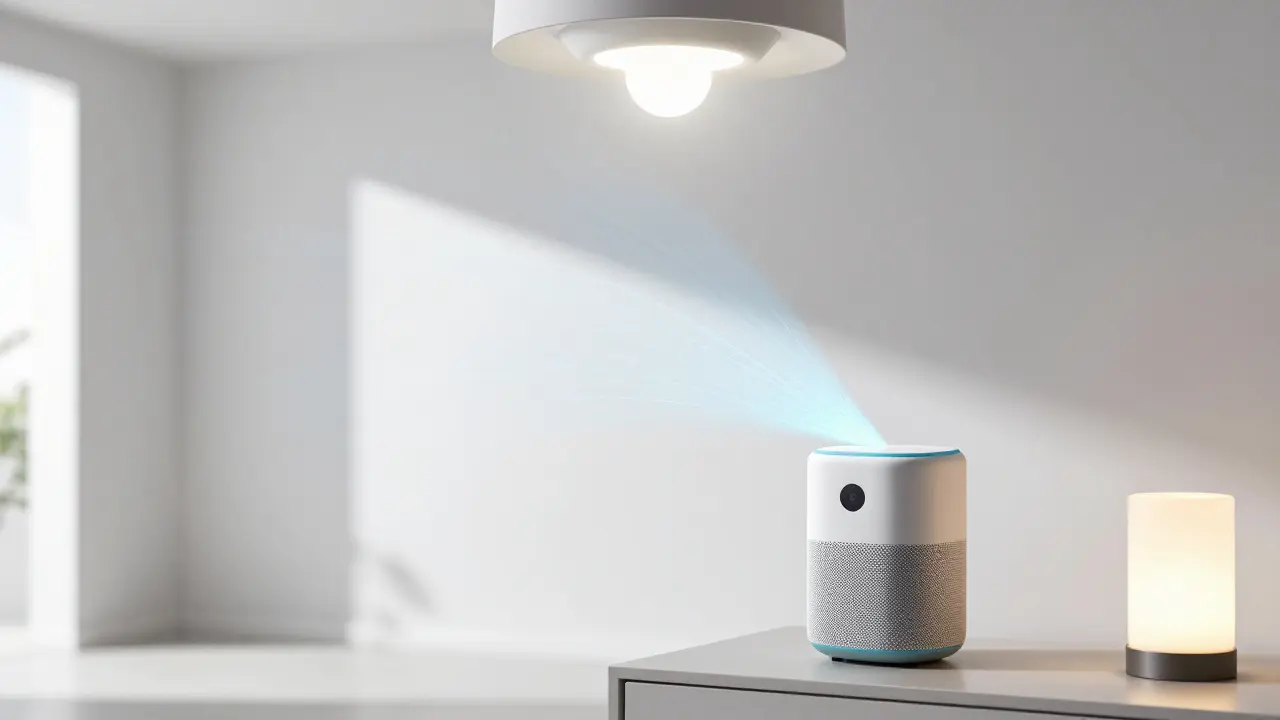
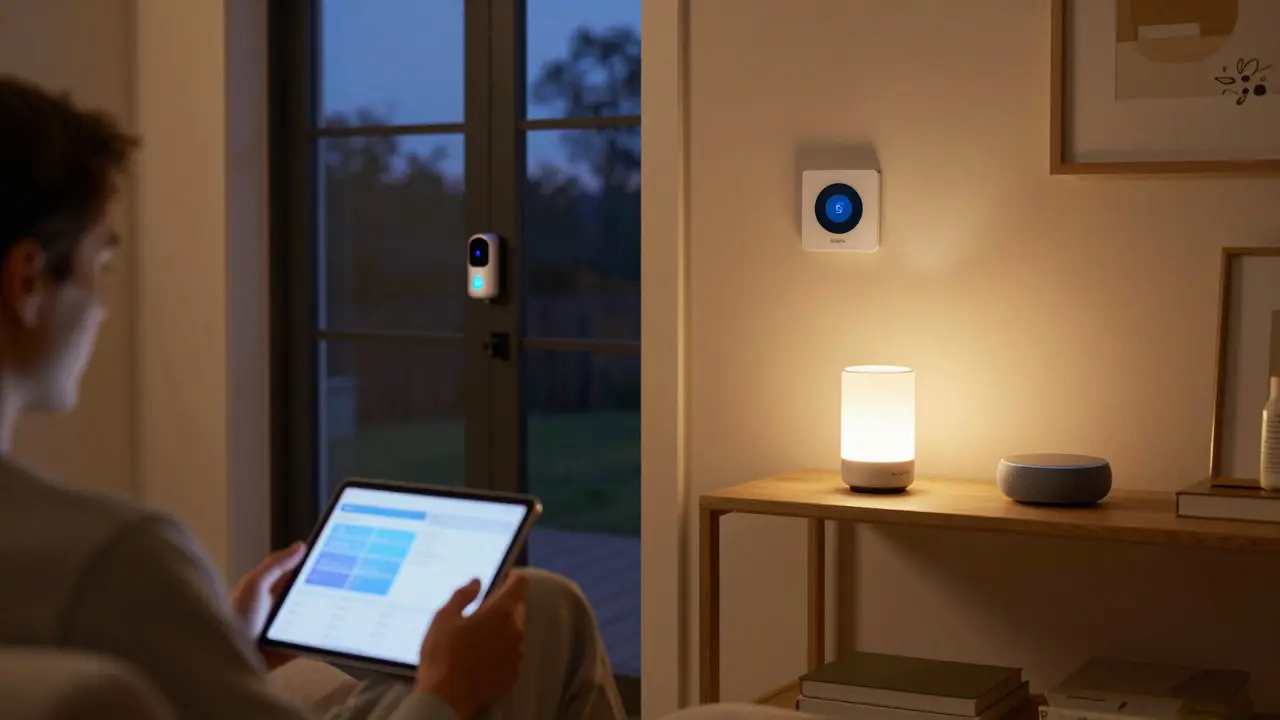
A smart home isn’t just voice-controlled lights. It’s a system. At its core, you need three things: devices, a hub, and connectivity. The devices are the parts you interact with - lights, thermostats, locks, cameras, speakers. The hub is the brain that ties them together, usually a smart speaker like an Amazon Echo or Google Nest. Connectivity means Wi-Fi, Zigbee, or Z-Wave networks that let everything talk without dropping signals.
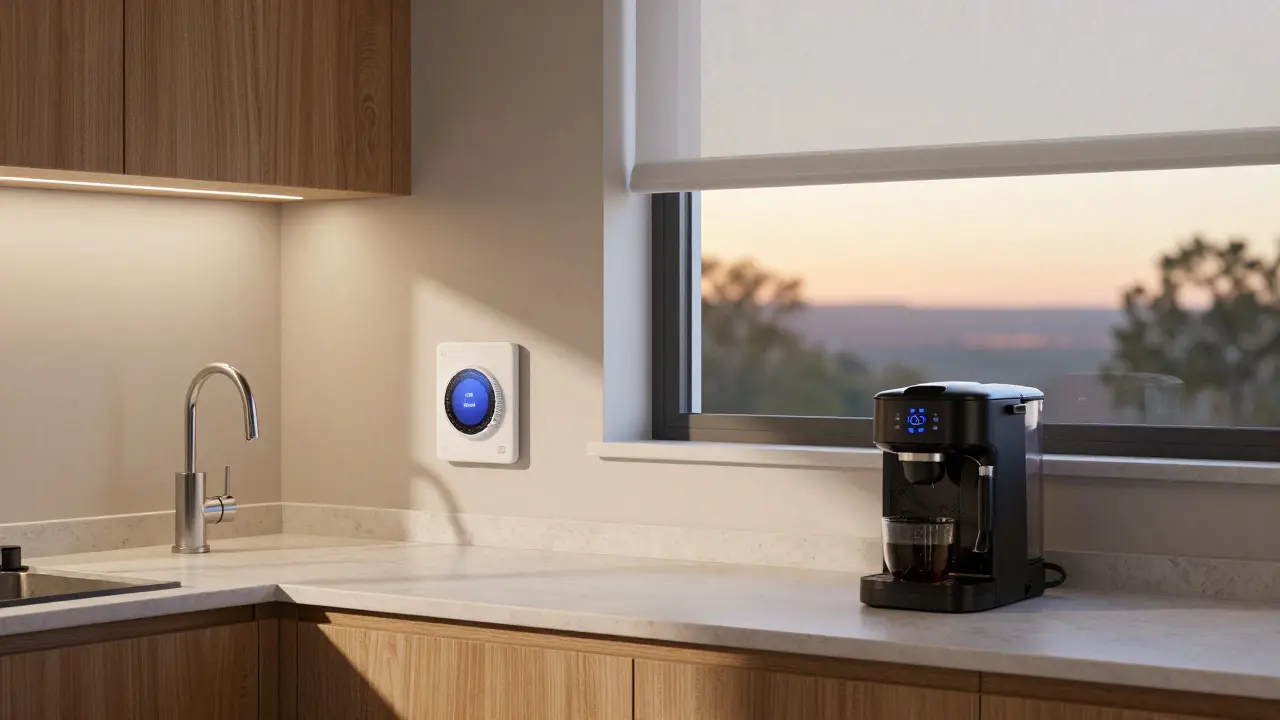
Start simple. Most folks begin with a smart thermostat. A Nest or Ecobee costs $150-$250. It learns your schedule and cuts heating and cooling bills by 10-20%. That’s not just convenience - that’s money back in your pocket within a year. Add a few smart bulbs like Philips Hue or Lutron Caséta. Four bulbs run about $120. You can control them from your phone or with voice commands. No rewiring. No electrician.
Entry-Level Smart Home: Under $1,000
If you’re testing the waters, you can build a basic smart home for under $1,000. Here’s what that looks like:
- Smart speaker (Amazon Echo Dot or Google Nest Mini): $30-$50
- Smart thermostat (Google Nest Thermostat or Ecobee SmartThermostat): $180-$250
- Smart plug (TP-Link Kasa or Wemo): $20 each (buy 3-4)
- Smart door lock (August Smart Lock or Yale Assure): $200-$300
- Smart lighting (4 LED bulbs + dimmer switch): $100-$150
- Smart camera (Eufy or Wyze Cam): $50-$80
Total: $700-$950. You can control everything from one app. You get alerts when someone rings the doorbell. You can turn off lights you forgot. You can unlock the door for a guest remotely. No one needs to know you’re not home.
This setup pays for itself. The thermostat saves $100-$200 a year. Smart plugs help you kill phantom power draw - that’s another $50-$100 saved annually. You’re not just upgrading your home. You’re cutting bills.
Mid-Range Upgrade: $1,500-$4,000
If you want more control, more safety, and more comfort, this is where most people land. You add whole-home automation without going full sci-fi.
At this level, you upgrade to:
- Smart lighting system (Lutron Caséta or Philips Hue Bridge + 10+ bulbs): $400-$700
- Smart window shades (Lutron Serena or IKEA Fyrtur): $150-$300 per shade (buy 3-5)
- Smart security system (SimpliSafe or Ring Alarm Pro): $300-$500 for hardware + $10-$25/month monitoring
- Smart garage door opener (MyQ or Chamberlain): $150-$250
- Smart water shutoff (Phyn or Moen Flo): $500-$800
- Smart speaker upgrade (Amazon Echo Studio or Google Nest Hub Max): $150-$200
The water shutoff is the hidden gem. It detects leaks and shuts off your main supply before you flood your basement. That’s a $20,000 repair avoided. The window shades? They lower automatically at sunset, block heat in summer, and let in natural light in winter. That’s comfort and energy savings rolled into one.
Monthly fees? You don’t need them. Most systems work fine without cloud subscriptions. But if you want video history, alerts, or professional monitoring, add $10-$30/month. That’s less than your coffee habit.
High-End Full Automation: ,000-,000+
This isn’t for everyone. But if you want your home to anticipate your needs - lighting that adjusts by time of day, music that follows you room to room, HVAC that knows when you’re coming home - this is the zone.
At this level, you’re talking custom installations:
- Whole-home audio (Sonos or Control4): $2,000-$5,000
- Smart lighting with scenes (Lutron RadioRA 3): $1,500-$3,000
- Integrated security (Control4 or Crestron with 5+ cameras, sensors, door locks): $3,000-$6,000
- Smart kitchen (fridge with camera, oven that preheats remotely, smart dishwasher): $2,000-$4,000
- Professional installation and programming: $1,000-$3,000
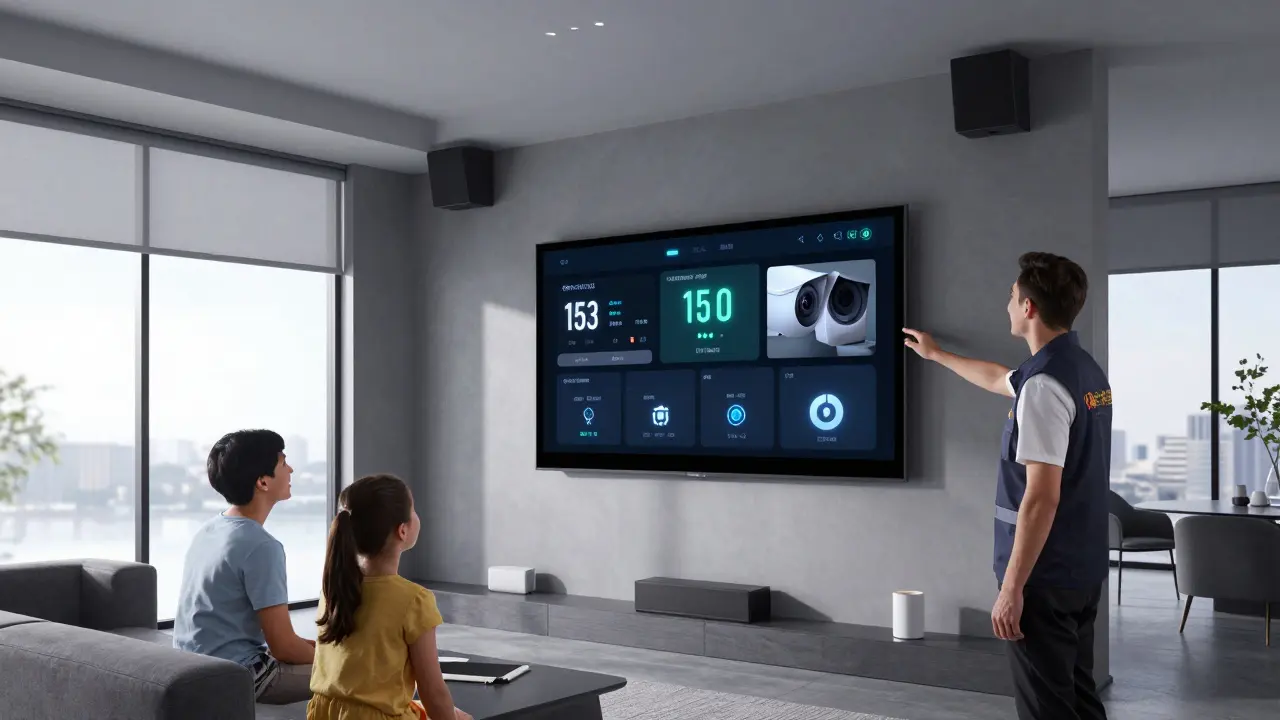
This isn’t DIY. You hire a certified integrator. They map out your whole house, run wires, set up zones, and teach the system your habits. It’s expensive. But it’s seamless. You walk in, and the lights come on, the music starts, the temperature adjusts. No buttons. No apps. Just your home responding to you.
Hidden Costs People Forget
Most people think the device price is the total. It’s not.
Wi-Fi upgrades: If your router is older than 2020, you’ll need a mesh system. Google Nest WiFi or Eero Pro 6 costs $300-$500. Smart devices eat bandwidth. Without good coverage, your locks won’t respond. Your camera will buffer.
Electrical work: Some smart switches need a neutral wire. Older homes (built before 2000) often don’t have them. Electricians charge $75-$125/hour. Replacing 5 switches? That’s $400-$600 extra.
Subscription fees: Ring, Arlo, and some security systems charge for cloud storage. $3-$10/month per camera adds up. You can avoid this by using local storage (SD cards) or open-source tools like Home Assistant.
Compatibility: Don’t buy a Zigbee lock and a Wi-Fi hub. They won’t talk. Stick to one ecosystem - Google, Apple HomeKit, or Amazon Alexa. Mixing brands causes frustration.
What You Actually Save
Smart homes aren’t just cool. They’re cost-effective.
A smart thermostat saves 8-12% on heating and cooling. That’s $100-$200/year on a $1,500 annual bill. Smart lighting uses 75% less energy than incandescent bulbs. If you replace 20 bulbs, you save $150/year. Smart plugs eliminate vampire power - devices drawing juice even when off. That’s another $50-$100 saved.
Insurance discounts? Many companies give 5-15% off premiums for smart security systems with alarms, water shutoffs, and cameras. That’s $100-$300 a year on a $2,000 policy.
And then there’s peace of mind. Knowing your kids got home safely. Knowing your pipes won’t burst while you’re away. That’s priceless.
Where to Start
You don’t need to do it all at once. Start with one room. Pick the biggest pain point.
- Too cold in winter? Get a smart thermostat.
- Forget to turn off lights? Buy smart bulbs.
- Worry about break-ins? Install a doorbell camera.
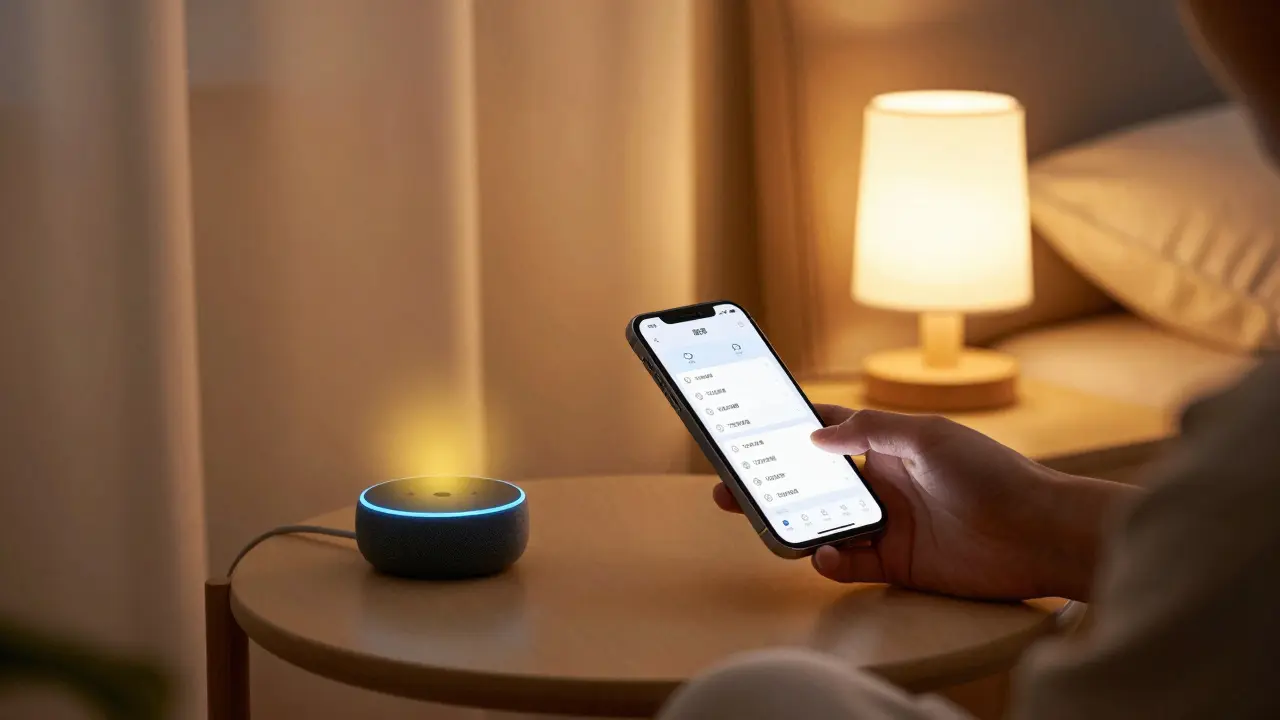
- Can’t reach the thermostat from bed? Add a smart speaker.
Buy one thing. Live with it. Then add another. After six months, you’ll have a smart home without the sticker shock.
And if you’re still unsure? Rent a smart thermostat from your utility company. Many offer them for $10/month or free with a contract. Try before you buy.
Final Thought
There’s no magic number. The cost of a smart home is whatever you make it. You can spend $500 and get real value. You can spend $10,000 and get total control. The key isn’t spending more. It’s spending wisely.
Start small. Solve one problem. Let the system grow with you. Your future self - the one who comes home to lights on, heat up, and no flooded basement - will thank you.
Do I need a smart hub to make a smart home work?
Not always. Many devices connect directly to Wi-Fi and work with Alexa or Google Assistant through their own apps. But a hub like an Amazon Echo or Google Nest Hub makes everything easier to control from one place. It also improves reliability, especially for Zigbee or Z-Wave devices, which need a hub to communicate properly.
Can I install smart home devices myself?
Yes, most can. Smart plugs, bulbs, cameras, and door locks are plug-and-play. Smart thermostats are easy if you’re comfortable replacing an old one. Smart switches require basic electrical knowledge - you need to turn off the breaker and identify wires. If you’re unsure, hire an electrician. It’s cheaper than fixing a mistake.
Are smart home devices secure?
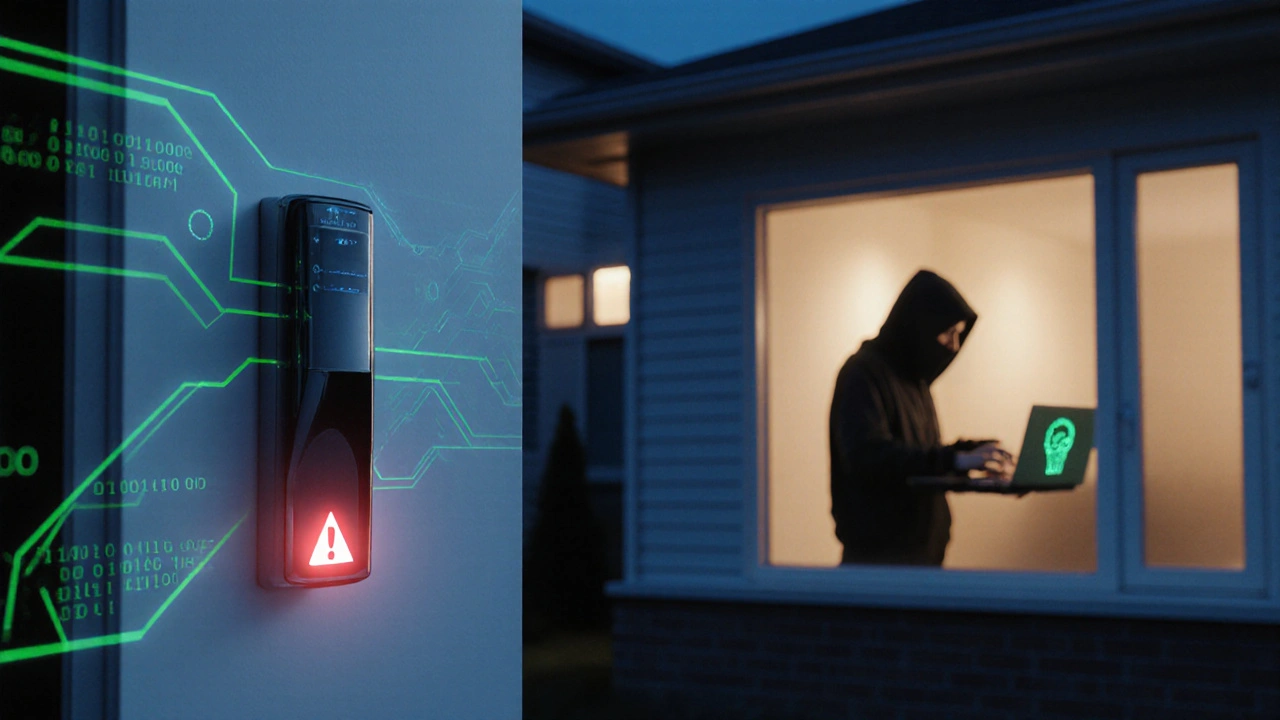
They’re as secure as your Wi-Fi. Use a strong password, enable two-factor authentication on your accounts, and update firmware regularly. Avoid brands with a history of security flaws. Stick to well-known names like Google, Amazon, Apple, or Lutron. Never use default passwords.
What’s the cheapest way to start a smart home?
Start with a $30 smart speaker and a $20 smart plug. Use the speaker to control the plug. Turn a lamp into a smart light. Then add a smart bulb. You’ve got a working smart home for under $70. No hub needed. No wiring. Just voice commands.
Do smart homes increase home value?
Yes, but only if they’re installed well and are easy to use. Buyers love smart thermostats, security systems, and lighting. But they hate complex systems with 10 different apps. Stick to mainstream brands and keep it simple. A $1,500 upgrade with a single app is more attractive than a $10,000 system that only the previous owner understands.