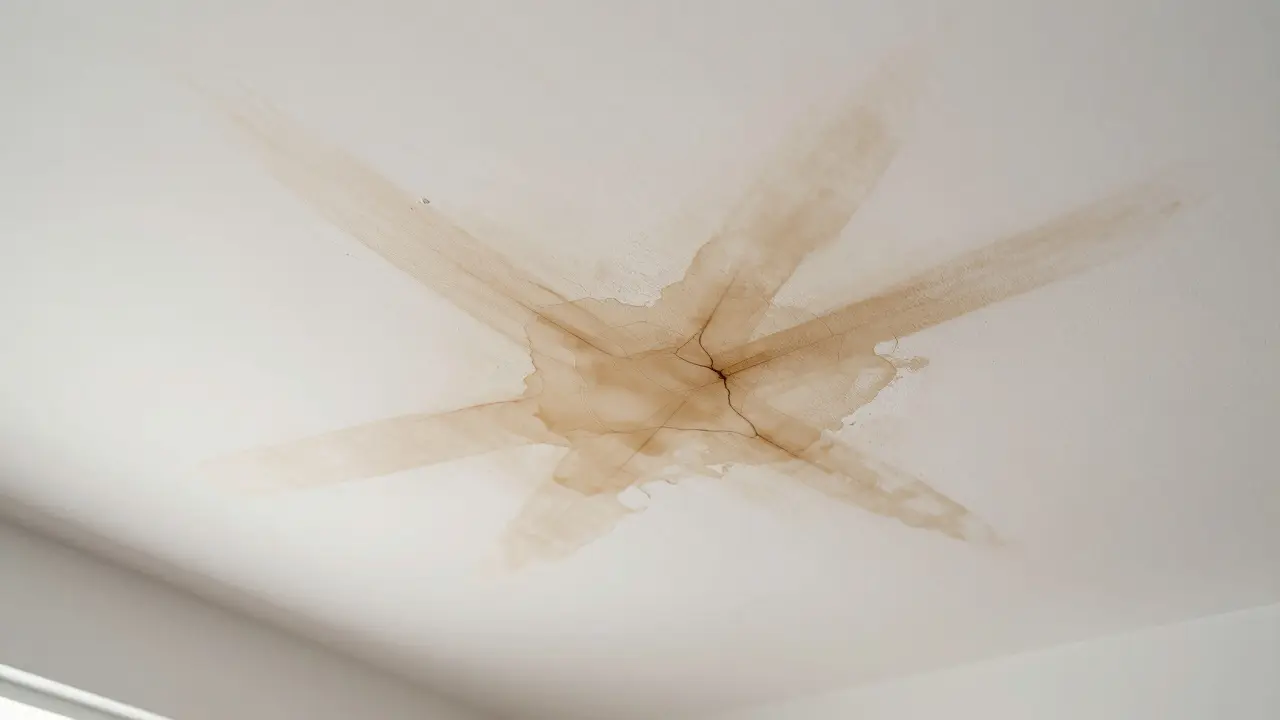
You wake up to a brown water stain on your bedroom ceiling, and suddenly, your weekend plans vanish. The first question that hits you isn't "who do I call?" but rather, "can I actually fix this, or am I looking at a $15,000 bill for a whole new roof?" It's a stressful spot to be in. Most homeowners feel like they're gambling when they decide to patch a leak-hoping they've bought themselves another five years without spending a fortune on a full replacement.
Quick Guide: Repair or Replace?
- Repair if: Damage is localized (one area), the roof is less than 15 years old, and the structural decking is solid.
- Replace if: There are leaks in multiple spots, shingles are curling across the whole surface, or the roof is pushing 20+ years.
- The 25% Rule: If the cost of repairs exceeds 25% of the cost of a full replacement, stop patching and start replacing.
Understanding the Core Problem
Before you decide, you need to understand what you're actually looking at. Roof Repair is the process of fixing specific damaged areas of a roofing system to prevent leaks and extend the life of the materials. This is usually a surgical strike-replacing a few cracked tiles or patching a flashing leak. On the other hand, Roof Replacement is the complete removal of old roofing materials down to the wooden deck and the installation of a brand new system.
The big risk with a quick fix is that it can be a band-aid on a bullet wound. If your Asphalt Shingles (the most common roofing material in North America) are brittle and lose their granules, patching one leak won't stop the next one from appearing three feet away. You're not fixing a problem; you're just delaying the inevitable.
When Repairing Is the Smart Move
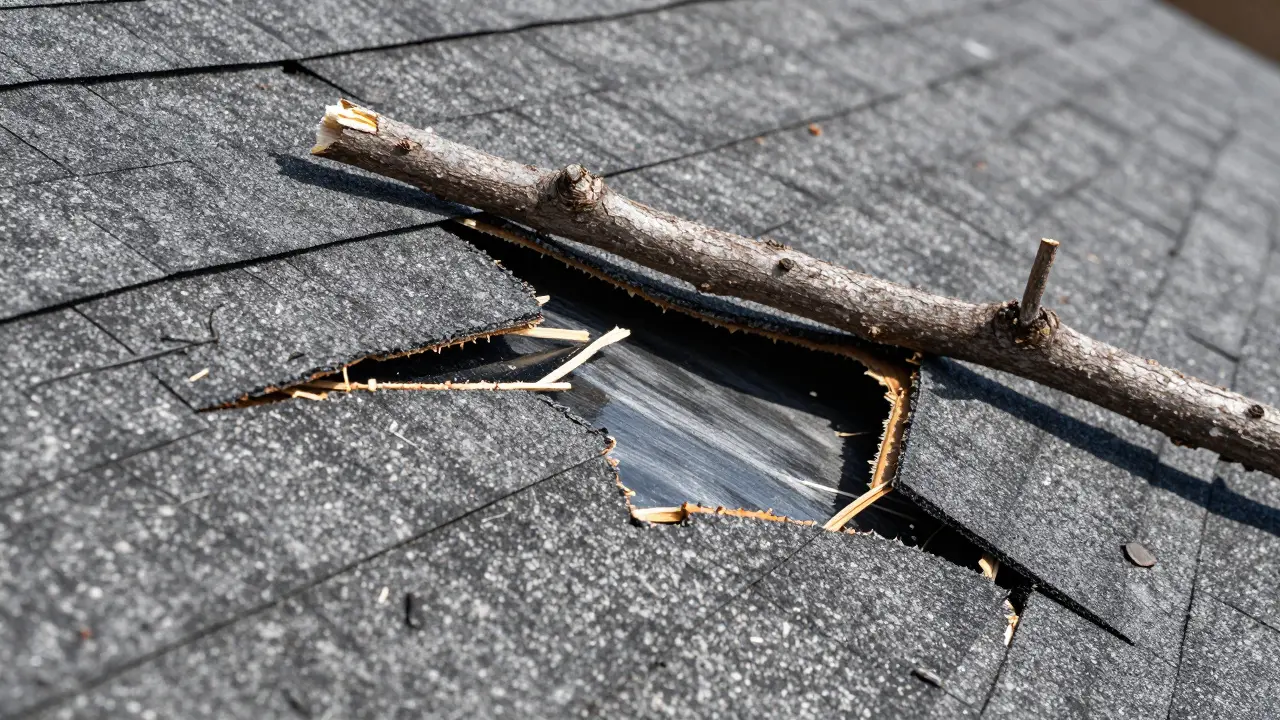
Repairing is absolutely worth it when the damage is caused by a specific event. Imagine a heavy branch falls during a storm and punches a hole through your roof. The rest of your roof is only eight years old and in great shape. Replacing the whole thing would be a waste of money. In this case, a professional can swap out the damaged shingles and ensure the underlayment is sealed.
Another scenario where repair wins is when the issue is with the Flashing. Flashing consists of the thin metal strips installed around chimneys, vents, and skylights to keep water out. Flashing often fails long before the shingles do because it's bent or rusted. Replacing a piece of flashing is a cheap, high-impact fix that can stop a major leak without needing a new roof.
If you have a Metal Roof, repairs are almost always worth it. Since metal lasts significantly longer than asphalt, you can often patch a seam or replace a panel and get another two decades of use out of it.
The Red Flags That Mean You Need a New Roof
Sometimes, the "repair" conversation is a waste of time. If you see "cupping" or "curling"-where the edges of the shingles turn upward like a taco-the material has reached its thermal limit. It's no longer shedding water; it's trapping it. At this point, the oils in the shingles have dried out, and no amount of patching will fix the chemical breakdown of the material.
Check your attic. If you see dark streaks or mold on the rafters, you have a systemic failure. A single leak is a repair; a damp attic is a replacement. Also, look for granule loss. If your gutters are full of sand-like particles every time it rains, your roof is essentially dissolving. You're losing the protective layer that shields the roof from UV rays.
| Attribute | Roof Repair | Roof Replacement |
|---|---|---|
| Average Cost | $300 - $1,500 | $8,000 - $20,000+ |
| Time to Complete | Few hours to 2 days | 3 to 7 days |
| Lifespan Extension | 1 - 5 years | 20 - 50 years |
| Home Value Impact | Minimal | Significant Increase |
| Waste Generated | Low (few shingles) | High (full tear-off) |
The Hidden Cost of "Cheap" Repairs
I've seen homeowners spend $500 a year for five years on "small fixes," only to find out the water was rotting their roof deck (the plywood base). By the time they finally decided to replace the roof, they had to pay an extra $3,000 to replace the rotted wood. This is why roof repair isn't always the cheapest option in the long run.
When you replace a roof, you aren't just getting new shingles. You're getting a new Underlayment (the waterproof barrier) and often improved Roof Ventilation. Better ventilation prevents heat buildup in the summer and ice dams in the winter, which actually makes the new shingles last longer. A patch job doesn't fix your airflow; it just stops the drip.
How to Calculate Your Decision
If you're still on the fence, use a simple math formula. Take the quote for the repair and divide it by the remaining estimated life of the roof. If you spend $1,000 to get another 2 years of life, you're paying $500/year for a "temporary" roof. If a new roof costs $12,000 and lasts 25 years, that's $480/year. Suddenly, the replacement is actually cheaper on an annual basis.
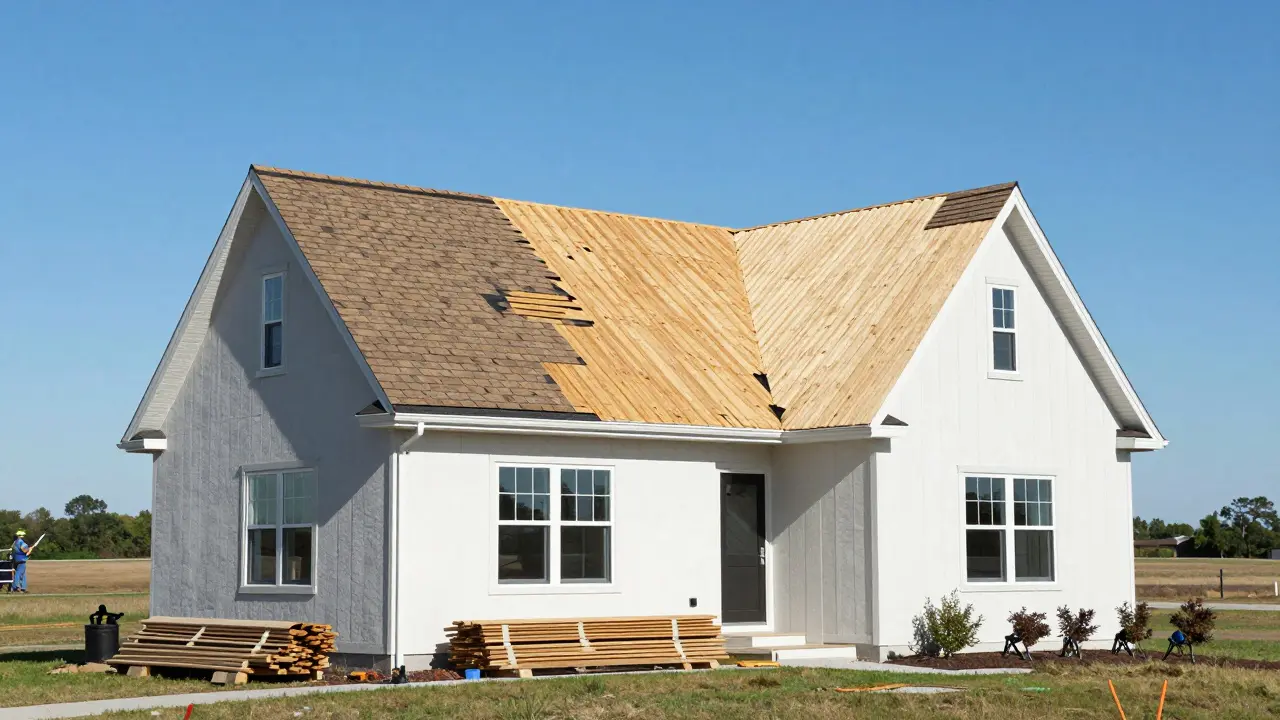
Also, consider your timeline. If you plan to sell your house in the next 12 months, a full replacement is a massive selling point. Buyers love seeing a permit for a new roof because it means they won't have to deal with it for two decades. A patched roof, however, often leads to a price negotiation during the home inspection because the buyer's inspector will flag it as "near end of life."
Avoiding the Common Pitfalls
Don't trust a contractor who tells you a roof is "fine" after only glancing at it from the ground with binoculars. A real assessment requires a physical inspection of the shingles and a trip into the attic to check for moisture. If they don't go upstairs, they're guessing.
Be wary of the "shingle match" trap. If your roof is 12 years old, the original color of the shingles has faded due to the sun. A contractor might find a shingle that matches the original factory color, but when they nail it in, it will look like a bright, mismatched patch on your roof. If aesthetics matter to you, this is another reason to lean toward a full replacement.
How long do asphalt shingles actually last?
Most standard 3-tab shingles last about 15 to 20 years, while architectural shingles can go 25 to 30 years. However, this depends heavily on your climate. In areas with extreme heat or heavy hail, you might see them fail much sooner. If you notice the edges curling or widespread granule loss, you're likely at the end of the lifecycle regardless of the official age.
Can I just put new shingles over the old ones?
This is called a "roof over," and while it's cheaper and faster, it's generally a bad idea. It adds significant weight to your home's structure and hides any underlying rot or decking issues. Most importantly, you lose the ability to inspect the deck for water damage, and many local building codes actually prohibit more than two layers of roofing.
Will insurance cover a roof replacement?
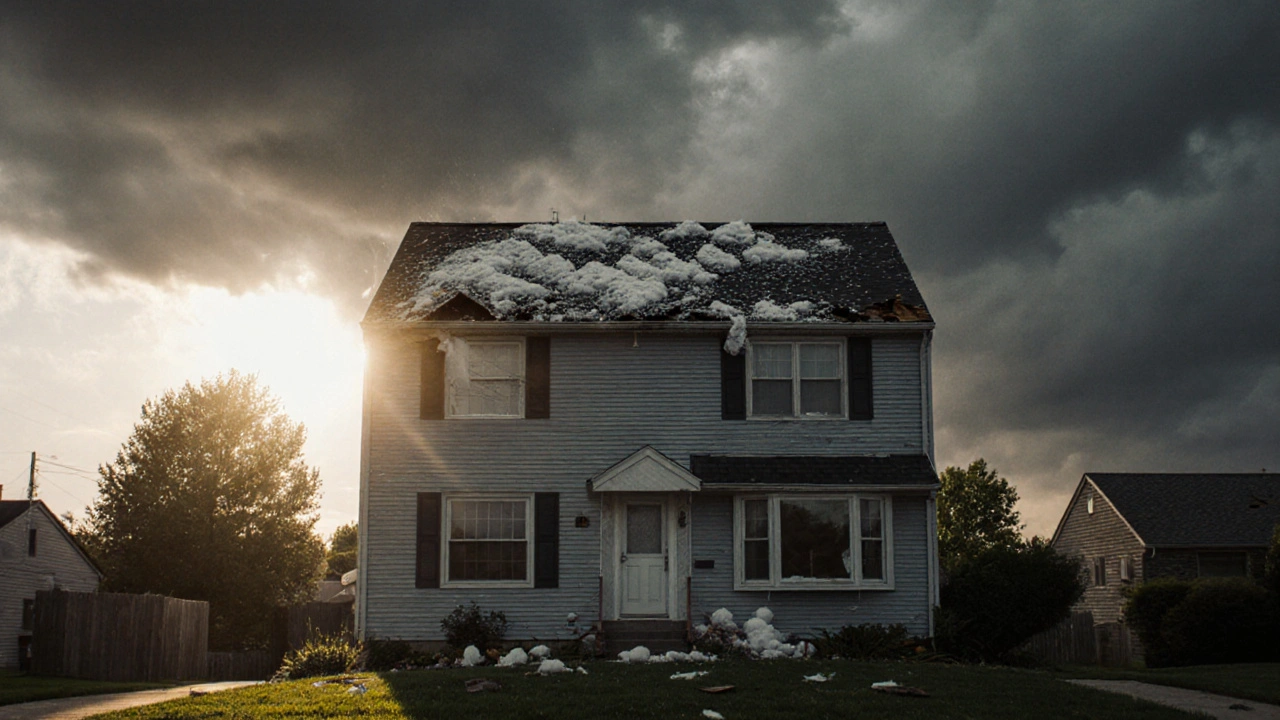
Insurance typically covers replacement if the damage was caused by a "covered peril," such as a windstorm or hail. However, they will not pay for a roof that is simply old and worn out. If your roof failed because of age (wear and tear), that's a maintenance issue and comes out of your pocket. Always document storm damage with photos immediately to strengthen your claim.
What is a "roof tune-up" and is it worth it?
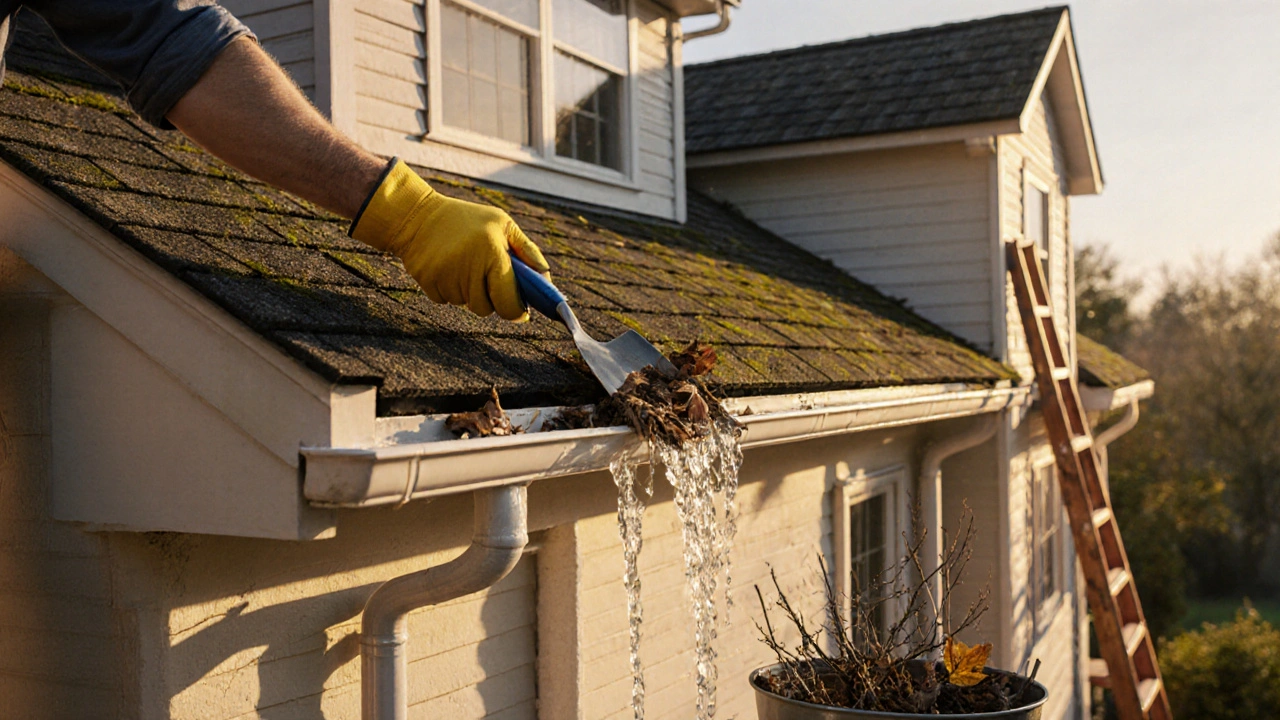
A tune-up usually involves replacing a few missing shingles, resealing flashing, and cleaning gutters. It's worth it if your roof is in the middle of its lifespan (e.g., 7-10 years old) and you want to prevent small leaks from becoming big problems. It's not a substitute for a replacement if the shingles are already brittle.
How do I know if my roof deck is rotted?
The easiest way is to go into your attic with a flashlight. Look for dark stains on the underside of the plywood or areas that look "spongy." From the outside, look for sagging sections of the roof. If you can push your thumb into the roof deck through a missing shingle, the wood is compromised and needs to be replaced before new shingles are installed.
Next Steps for Homeowners
If you're currently staring at a leak, your first step should be a professional roof inspection. Don't just ask for a price; ask for a condition report. This document should detail the age of the materials, the state of the flashing, and whether the decking is intact.
For those on a tight budget, prioritize the "critical path": fix the active leaks first to protect your interior electronics and drywall. Then, start a "roof fund" by setting aside a small monthly amount. When the 25% rule kicks in, you'll have the cash ready to move from temporary repairs to a permanent, high-value replacement.

E Jones
April 24, 2026 AT 14:31You people really think it's just about 'granules' and 'shingles' but wake up and smell the ozone because the real industry is pushing these architectural replacements to keep us trapped in a cycle of planned obsolescence engineered by the globalist construction cartels who probably control the weather anyway to ensure a perfectly timed hailstorm hits your zip code right when your warranty expires just so they can fleece you for twenty thousand bucks while they laugh from their ivory towers in Switzerland and the government looks the other way while our home equity is slowly drained into the pockets of the lizard-people who probably designed the very concept of 'roofing' to monitor our thermal signatures from above with their clandestine satellite arrays!
selma souza
April 25, 2026 AT 00:31The lack of a formal citation for the 25% rule is disappointing. One should strive for intellectual rigor even in discussions regarding home maintenance.
Megan Ellaby
April 26, 2026 AT 12:56honestly just tried to do a patch job last summer and it totaly failed within a month lol... i guess i shoulda looked at the attic first
Frank Piccolo
April 28, 2026 AT 08:44Typical American suburban panic over a few shingles. In a real economy, we'd just use quality materials from the start instead of this cheap asphalt garbage.
James Boggs
April 29, 2026 AT 23:53I concur with the advice on ventilation. It is a vital component.
Lissa Veldhuis
April 30, 2026 AT 06:11everyone always forgets the flashing is the real villain here just a tiny rust spot and boom your whole ceiling is a soggy mess because contractors are lazy and skip the sealant on the vents its just a joke how much we pay for basic competence
Barbara & Greg
May 2, 2026 AT 05:28It is a matter of moral obligation to maintain one's property correctly. To delay a necessary replacement is to invite chaos into the sanctuary of the home.
Buddy Faith
May 3, 2026 AT 16:17roof over is actually fine if you dont care about the house burning down or whatever the building code says lol they just want more permit fees
Addison Smart
May 5, 2026 AT 12:55While I understand the frustration with costs, we must remember that different regions have different standards, and it's important to respect the local contractors who are doing their best in a volatile economy despite the pressures of material shortages and labor gaps that often lead to these misunderstandings between the homeowner and the tradesperson.
David Smith
May 5, 2026 AT 16:39I spent three grand on a "tune up" and it still leaks. Absolute nightmare. I'm basically living in a rain forest inside my own master bedroom and nobody cares.
Thabo mangena
May 7, 2026 AT 03:36It is truly heartening to see such a comprehensive guide provided for homeowners to ensure the longevity of their dwellings.
Karl Fisher
May 8, 2026 AT 06:44Oh, darling, if you're still using asphalt in this day and age, you're simply playing a game of musical chairs with your bank account. Just go slate or copper and stop pretending a $10k roof is a 'fortune'!