Buying a single voice-controlled light bulb doesn't mean you've built a futuristic living space. It just means you own a gadget. Most people use the terms interchangeably, but there's a massive gap between owning a few clever tools and living in a fully integrated environment. If you're staring at a shopping cart full of gadgets wondering if they'll actually work together, you're likely confused by the distinction between individual hardware and a systemic ecosystem.
Quick Takeaways
- A smart device is a single piece of hardware that connects to the internet.
- A smart home is a network of these devices working together through a central system.
- Devices offer convenience; homes offer automation and intelligence.
- The transition happens when devices start talking to each other without your input.
What Exactly is a Smart Device?
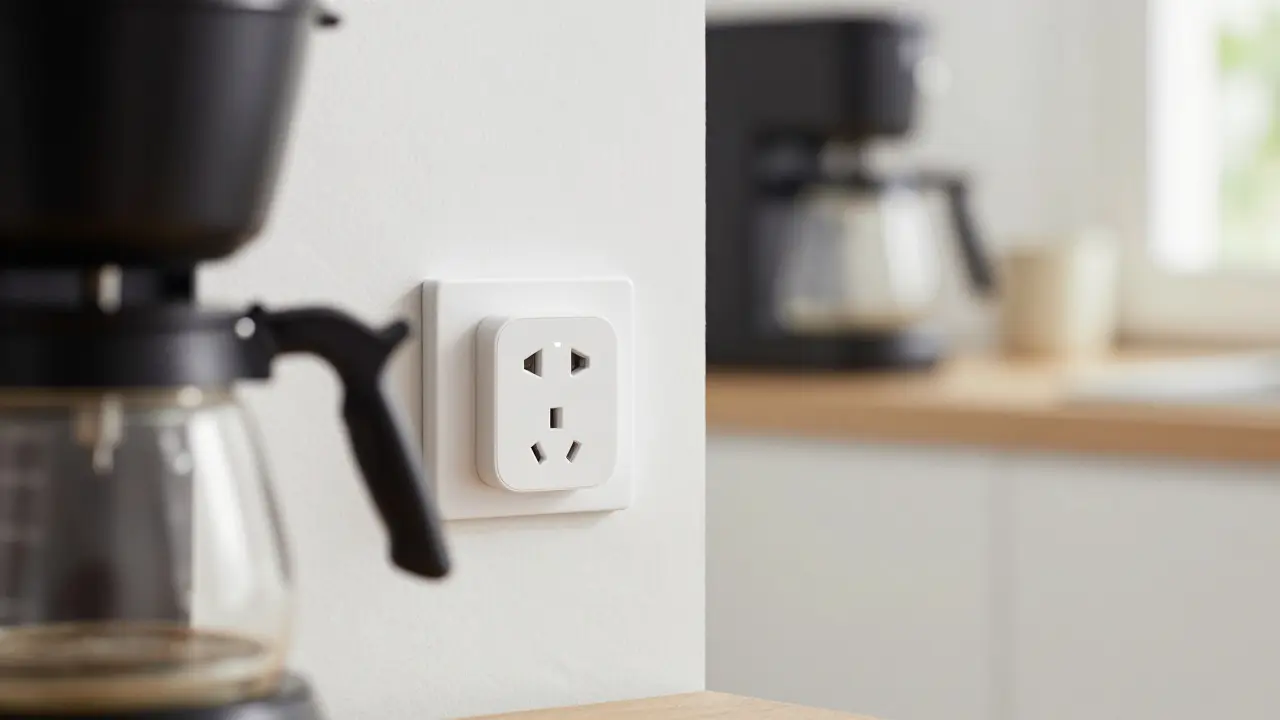
Think of a smart device is an electronic gadget that connects to a network-usually the internet-to perform a specific task and be controlled remotely. It's an isolated tool. If you buy a smart plug to turn your old coffee maker on from bed, you have a smart device. It does one thing well, and it typically relies on a dedicated app on your phone to function.
These gadgets rely on the Internet of Things (or IoT), which is basically a giant web of physical objects with sensors and software. A smart device is a single node in that web. For example, a smart scale that sends your weight to an app is smart, but it doesn't care if your lights are on or if your front door is locked. It exists in its own little bubble.
The main value of a standalone device is convenience. You don't have to get up to dim the lights or check if you left the iron on. But since the device doesn't communicate with other gadgets, you're still the "manager" doing all the manual work via your smartphone.
Defining the Smart Home Ecosystem
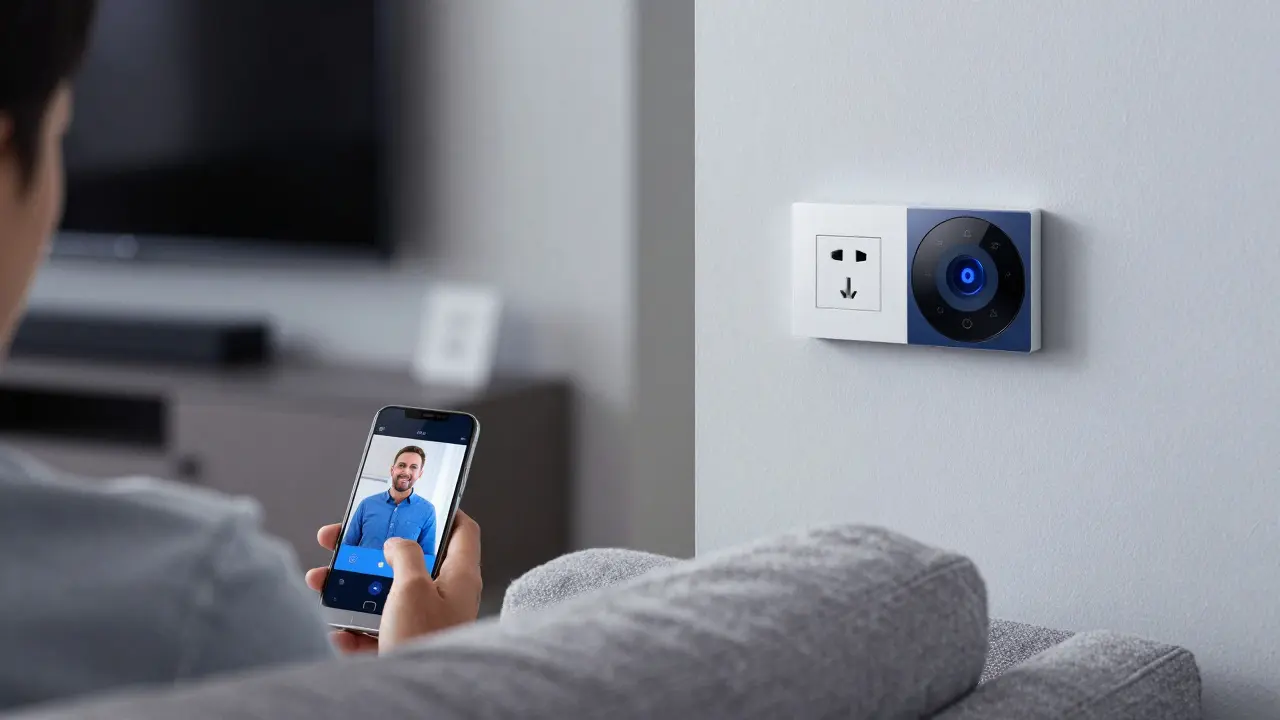
A smart home is a residential setup where multiple connected devices are integrated into a single, cohesive system that automates tasks based on triggers and schedules. It is the shift from "remote control" to "automation." In a true smart home, the devices aren't just connected to the internet; they are connected to each other.
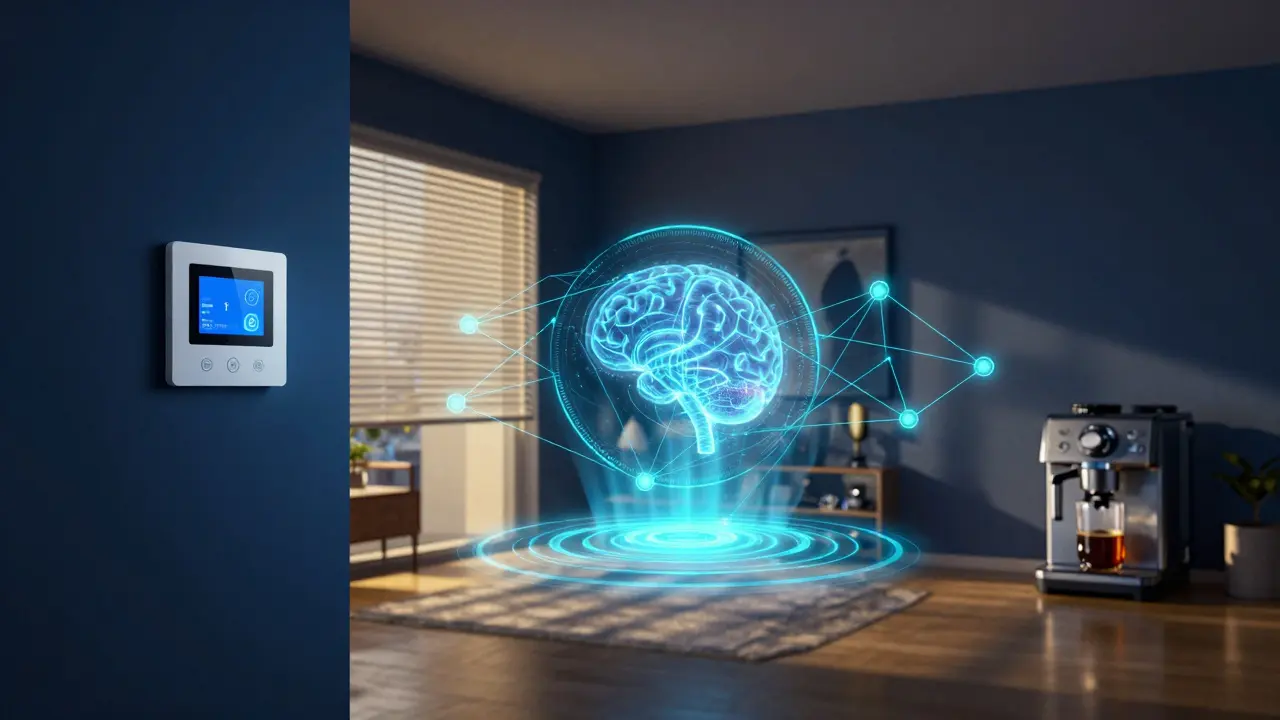
Imagine this: Your alarm goes off at 7:00 AM. The smart blinds open automatically, the thermostat raises the temperature to 72 degrees, and the coffee maker starts brewing. You didn't open three different apps. The system reacted to a single trigger (the time). That is the hallmark of a smart home. It's an ecosystem where the central hub acts as the brain, coordinating the various limbs of the house.
To achieve this, you usually need a common communication language. This is where standards like Matter or Zigbee come into play. They ensure that a bulb made by one company can talk to a sensor made by another. Without this interoperability, you just have a collection of smart devices, not a smart home.
The Core Differences at a Glance
To help you figure out where you stand, look at the functional differences. A device is about the what (what can this tool do?), while a home is about the how (how does my environment react to me?).
| Feature | Smart Device | Smart Home |
|---|---|---|
| Primary Goal | Specific task efficiency | Overall lifestyle automation |
| Control Method | Individual App / Voice | Central Hub / Automation Rules |
| Interdependency | Standalone (Isolated) | Interconnected (Collaborative) |
| Complexity | Plug-and-play | Requires planning and configuration |
| Example | One smart bulb | Lighting scenes based on time of day |
From Gadgets to Systems: The Evolution Path
Most people don't wake up and decide to install a $20,000 integrated system. It usually happens in stages. You start with the Point Solution phase. This is where you buy a smart speaker like an Amazon Echo or Google Nest. You're solving one problem: "I want to hear music and ask about the weather." At this stage, you have smart devices.
Then comes the Fragmentation phase. You add a smart doorbell, a few plugs, and maybe a smart lock. You now have a dozen apps on your phone. This is the most frustrating stage because you're managing a digital zoo. You have the hardware of a smart home, but the workflow of a manual one.
Finally, you reach Integration. You choose a platform-perhaps Apple HomeKit or Home Assistant-and you link everything. Now, when you lock the front door and say "Goodnight," the lights turn off, the security system arms, and the thermostat drops. The individual devices have disappeared into the background, leaving only the experience.

Common Pitfalls When Building a Smart Home
The biggest mistake people make is buying devices based on the "cool factor" rather than compatibility. You might find a great deal on a cheap smart switch, but if it doesn't support the same protocol as your hub, it'll remain a lonely smart device that can't participate in your home's routines.
Another issue is over-automation. There is a point where having to use a voice command to turn on a light is actually slower than just flipping a switch. A truly smart home should be invisible. It should anticipate your needs. If you have to spend ten minutes troubleshooting a connection just to get your living room lights to dim, you haven't built a smart home; you've built a high-maintenance hobby.
Security is also a major consideration. Every smart device is a potential entry point for a network breach. A single device is easy to secure with a strong password. A whole smart home requires a robust network strategy, perhaps using a separate VLAN for IoT devices to keep your main computers and banking data safe from a compromised smart toaster.
Why the Distinction Matters for Your Wallet
Understanding this difference saves you money. If you only need the convenience of a smart device, don't waste money on a high-end hub or professional installation. A single smart thermostat can save you 10% on heating bills without needing to be part of a larger system.
However, if your goal is a smart home, you should invest in the infrastructure first. Buying a variety of random brands usually leads to a "walled garden" problem where nothing talks to each other. Prioritizing a unified standard like Matter ensures that as you add more devices over the next five years, they will actually integrate into your existing system.
Can I have a smart home without a central hub?
Technically, yes, but it's more of a "collection of smart devices." You can use a cloud-based platform like Amazon Alexa or Google Home as a virtual hub. However, for complex automation that works even when your internet is down, a local physical hub is usually necessary.
Do all smart devices need the internet to work?
Most do for initial setup and remote control, but many can operate on a local network (LAN). Devices using Zigbee or Z-Wave communicate directly with a hub, meaning they can still trigger each other even if your ISP has an outage.
Is a smart home more expensive than buying individual devices?
The initial cost can be higher because you're investing in a hub and compatible, often higher-quality hardware. However, the long-term value is higher due to energy savings through automated climate and lighting control.
What is the easiest way to start turning devices into a home?
Start with a single ecosystem. Pick one (Apple, Google, or Amazon) and only buy devices that explicitly state they are compatible with that ecosystem. This prevents the fragmentation that makes a smart home feel like a chore.
Will my smart devices become obsolete?
Yes, this is a real risk. Hardware ages, and companies stop supporting old apps. To mitigate this, look for devices that support open standards like Matter, which are designed to keep hardware relevant across different brands and generations.

Nathaniel Petrovick
April 29, 2026 AT 01:28Totally agree with the bit about the digital zoo. I spent three years juggling six different apps just to turn on my porch lights and it was a nightmare. Switching to a single hub actually made my life way easier
Kayla Ellsworth
April 29, 2026 AT 13:18Imagine thinking that automating your blinds is some kind of spiritual evolution in living. It's just paying a company to make you even more helpless when the wifi goes out
Kasey Drymalla
April 30, 2026 AT 22:25the hub is just a spy box in your living room and you all just love it lol they listen to everything you say and sell it to the government
Dave Sumner Smith
May 1, 2026 AT 07:45You're all naive. A local hub doesn't stop the backdoors built into the firmware by foreign intelligence agencies. If you think a VLAN protects you from a hardware-level exploit in a cheap smart plug you've never read a real security audit in your life. The entire IoT infrastructure is a sieve designed for mass surveillance and the people pushing Matter are just trying to standardize the way they harvest your data. Get a real lock and a physical switch before you turn your house into a beacon for every hacker in a five-mile radius.
Jeroen Post
May 3, 2026 AT 04:53exactly what he said the hub is the eye of sauron and we just keep buying more eyes for our bedrooms lol a true philosopher knows that convenience is just another word for surrender
Paul Timms
May 3, 2026 AT 20:32It is helpful to consider privacy before investing.
Jennifer Kaiser
May 4, 2026 AT 17:26We must challenge the notion that automation equals a better quality of life. While the efficiency is undeniable, there is a profound loss of mindfulness when we remove the small, intentional actions of living, such as turning on a lamp. By outsourcing our environment to a hub, we are essentially delegating our presence in our own homes to a series of if-then statements. True intelligence is not about how a house reacts to us, but how we remain conscious within the space we occupy.
Honey Jonson
May 5, 2026 AT 19:46i think its just about findin what works for u! some people love the tech and some dont and thats totally cool just dont overspend on stuff u wont use lol
Cait Sporleder
May 6, 2026 AT 23:40The conceptual dichotomy presented between the solitary gadget and the holistic ecosystem is quite fascinating, though I find myself wondering if the pursuit of such an invisible infrastructure might inadvertently strip the domestic sphere of its idiosyncratic charm. There is a certain opulent allure to the idea of a home that breathes and anticipates one's every whim with mathematical precision, yet I suspect the fragility of these digital webs creates a precarious dependency that far outweighs the marginal utility of a self-brewing coffee pot.