
Walk into any modern home in Burlington, Toronto, or even a small town in Ontario, and you’ll likely see gadgets that talk back. Not in a creepy way - but in a helpful, quiet, always-on kind of way. These aren’t sci-fi fantasies anymore. They’re real, affordable, and already in millions of homes. So what exactly counts as a smart device? And more importantly, which ones actually make life easier?
Smart Thermostats: The Quiet Energy Savers
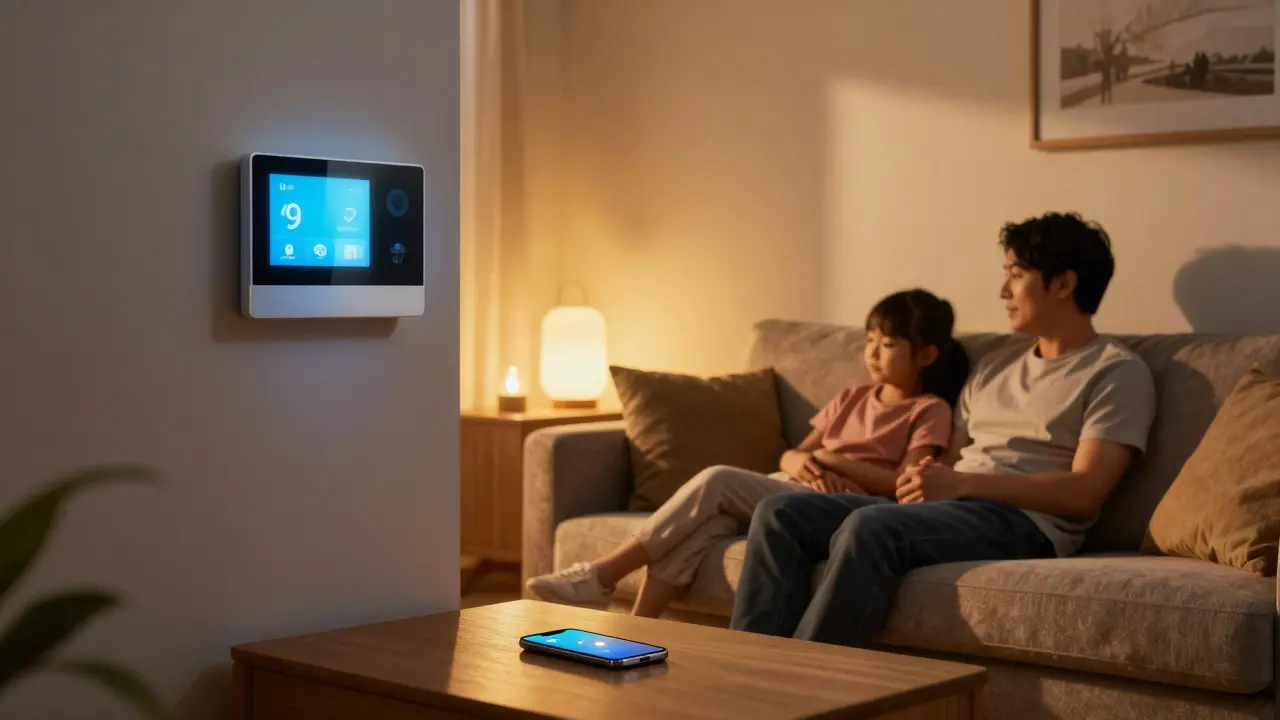
Think of your thermostat as the brain of your heating and cooling system. A smart thermostat like the Nest Learning Thermostat or Ecobee4 learns your schedule. If you leave for work at 8 a.m. every day, it automatically turns down the heat. When you’re about to head home, it warms things up again. No manual adjustments. No wasted energy.
In 2025, these devices can even detect when no one’s home using motion sensors or smartphone location tracking. Some models sync with weather apps to adjust for sudden cold snaps. Homeowners in colder regions like Canada report 15-25% lower heating bills after switching. That’s not a small saving - it’s hundreds of dollars a year.
Smart Lights: Control Brightness, Color, and Timing
Forget flipping switches. With smart bulbs like Philips Hue, LIFX, or TP-Link Kasa, you control every light in your house from your phone or voice. You can set them to turn on at sunset, dim for movie night, or flash red if your doorbell rings.
Some models even change color. Imagine waking up to a soft sunrise glow instead of a harsh fluorescent light. Or having your kitchen lights pulse blue when your coffee’s ready. These aren’t party tricks - they’re mood enhancers. And because LEDs use so little power, running smart lights all day still costs less than a single traditional bulb.
Smart Locks: No More Lost Keys
Have you ever rushed out the door, only to panic: Did I lock the front door? Smart locks like the August Smart Lock Pro or Yale Assure Lock SL solve that. They let you lock and unlock your door remotely. You can send temporary digital keys to guests, dog walkers, or delivery people - no physical key needed.
They also send alerts when someone enters or exits. If your teenager comes home after curfew, you’ll know. If a package is delivered and the door opens 10 minutes later, you’ll get a notification. Some models even work with voice assistants. Say, “Hey Google, lock the front door,” and it’s done.
Smart Doorbells: See Who’s There - Even When You’re Not
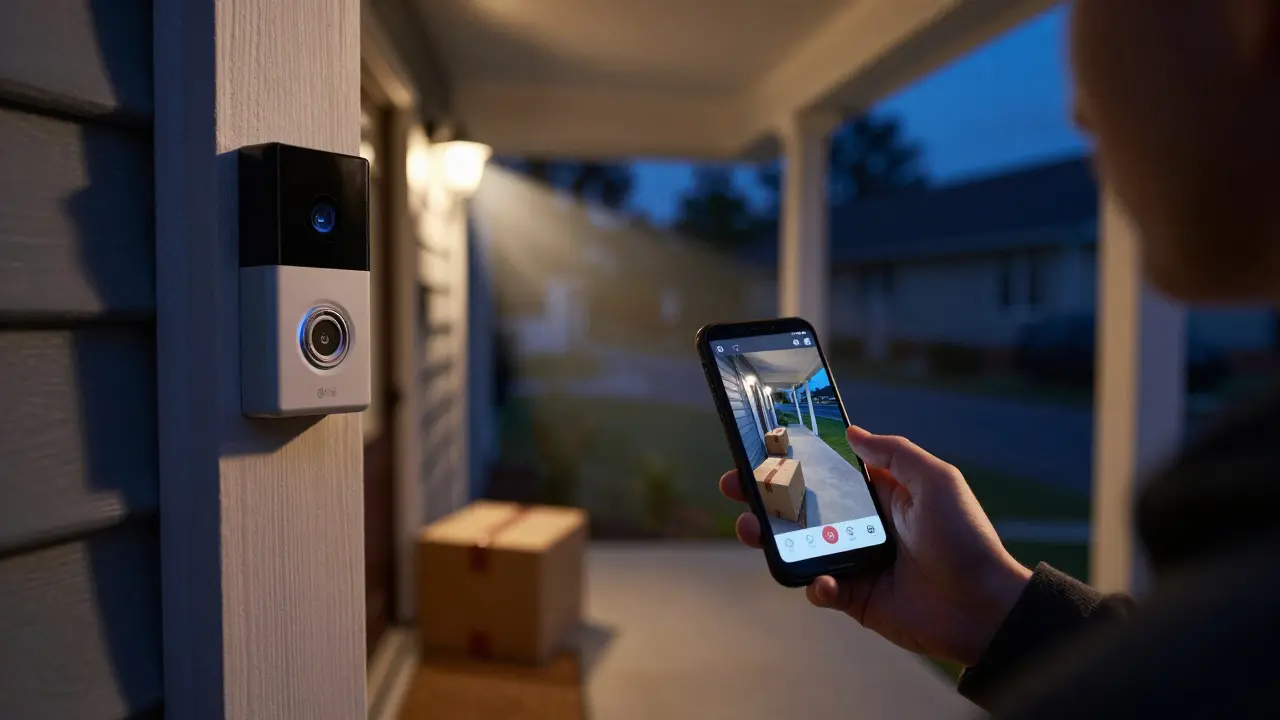
Ring, Nest Hello, and Eufy Video Doorbell aren’t just fancy cameras. They’re security guards that never sleep. These devices show live video of your front porch on your phone. Two-way audio lets you talk to visitors - whether you’re in the shower, at work, or on vacation.
Advanced models use facial recognition to tell you if it’s your neighbor or a stranger. Motion zones let you ignore movement from the street or passing cars. And if someone lingers too long, the system sends an alert. In neighborhoods with rising package theft, these aren’t luxuries - they’re essentials.
Smart Speakers: The Central Hub
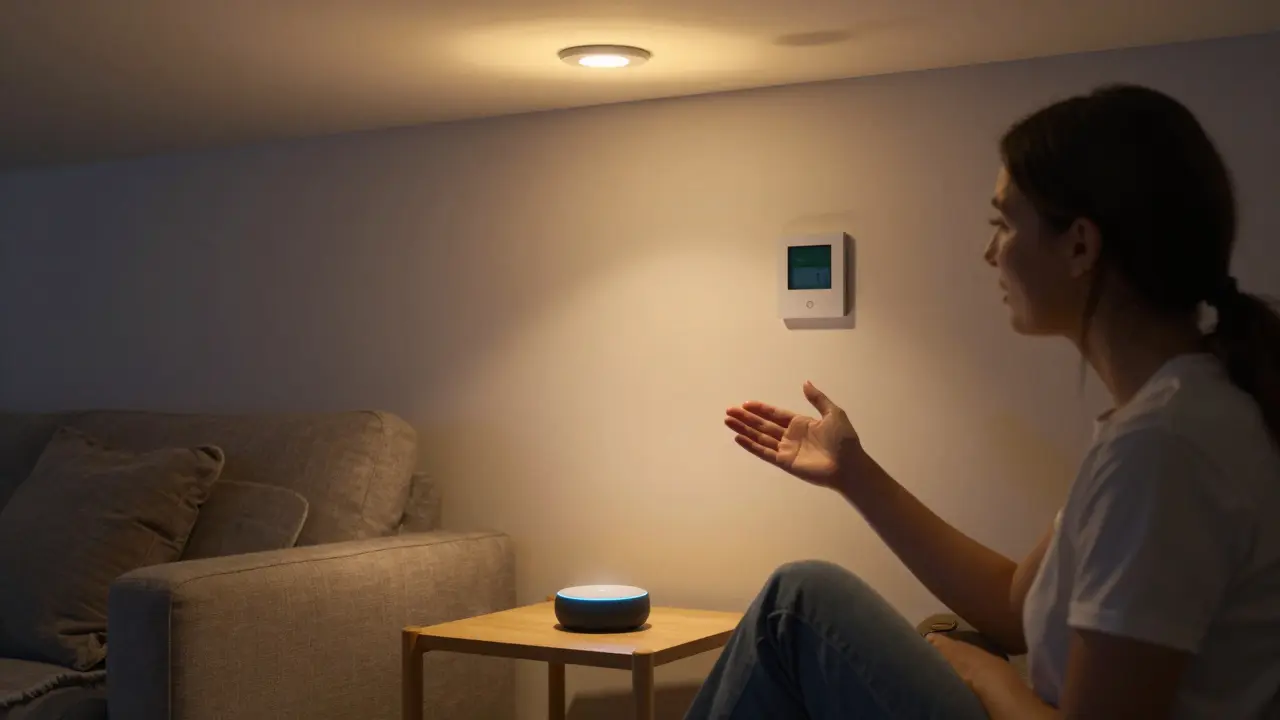
You can’t talk about smart devices without mentioning the hub: the smart speaker. Amazon Echo, Google Nest Audio, and Apple HomePod are the command centers of most smart homes. They listen for voice commands and control everything else - lights, locks, thermostats, even your TV.
But they do more than that. They play music, read the news, set timers, and answer questions. In the morning, you might say, “Hey Siri, play the news and turn on the kitchen lights.” In the evening: “Alexa, turn off all lights and lock the doors.” It’s not magic. It’s automation. And it works reliably across brands if you use a common platform like Apple HomeKit or Google Home.
Smart Plugs: Turn Anything Into a Smart Device
Don’t want to buy a whole new smart lamp? Just plug your old one into a smart plug. Devices like the Kasa Smart Plug or Wemo Mini turn any appliance into something you can control remotely. Turn on your coffee maker from bed. Shut off a space heater you forgot to unplug. Schedule your fan to run only during the hottest hours.
They’re cheap - often under $25 - and easy to set up. You don’t need to rewire anything. Just plug in, connect to Wi-Fi, and go. For renters or people on a budget, smart plugs are the easiest way to dip your toes into smart home tech.
Smart Refrigerators: More Than Just Cold Storage
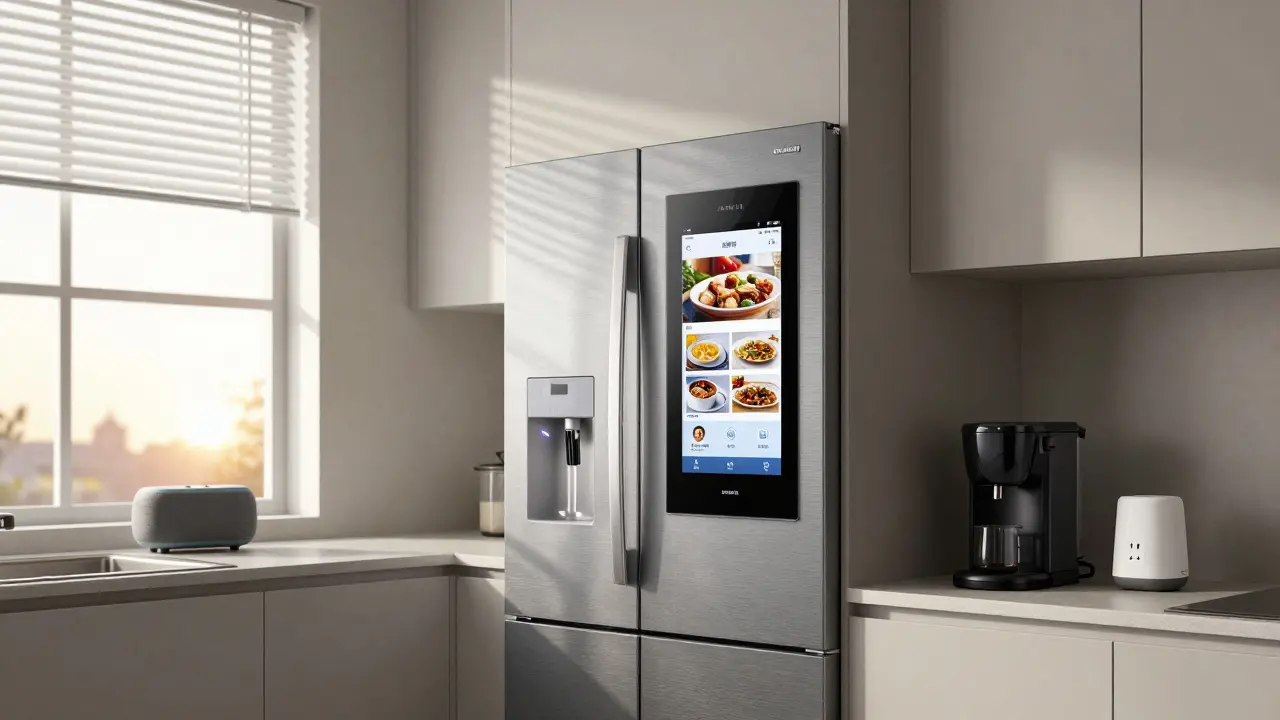
High-end fridges like the Samsung Family Hub or LG ThinQ aren’t just big and fancy. They have built-in touchscreens, cameras inside, and voice assistants. You can see what’s inside your fridge from your phone while you’re at the grocery store. If you’re out of milk, the screen reminds you. Some even suggest recipes based on what’s inside.
They track expiration dates and send alerts. In a household with kids or busy schedules, this cuts down on food waste. And yes, you can stream Netflix on the fridge door while you wait for your coffee to brew. It’s not necessary - but it’s fun.
Smart Smoke and Carbon Monoxide Detectors
Traditional smoke alarms are loud. But they don’t tell you where the problem is. Smart detectors like the Nest Protect or First Alert Onelink do. They send alerts to your phone if smoke or CO is detected - even if you’re not home. They also give you details: “Smoke detected in the kitchen” or “CO rising in the basement.”
Some models test themselves automatically and tell you when the battery needs replacing. In homes with elderly residents or young children, this level of awareness can be life-saving. They’re not just smart - they’re responsible.
Smart Blinds and Shades: Light Control Without the Struggle
Motorized blinds like Lutron Serena or IKEA Fyrtur open and close on a schedule or voice command. You can set them to open at sunrise to wake you naturally. Or close automatically when the sun hits your TV screen. They’re quiet, energy-efficient, and add a sleek look to any room.
For people with mobility issues, these are game-changers. No more reaching for cords or struggling with heavy drapes. Just say, “Hey Google, close the living room blinds,” and it’s done.
Smart Sprinklers: Water Your Lawn Without the Guesswork
Overwatering is a waste. Underwatering kills grass. Smart sprinkler systems like Rachio 3 or RainMachine learn your local weather, soil type, and plant needs. They adjust watering schedules automatically. If it rains, they skip the cycle. If it’s a heatwave, they water more.
They also let you control your yard from your phone. You can water your garden before heading to work, even if you’re stuck in traffic. In drought-prone areas, these systems can cut water use by 30-50%. That’s good for your wallet and the planet.
Smart Security Cameras: Indoor and Outdoor Monitoring
Indoor cameras like Arlo Q or Google Nest Cam help you keep an eye on pets, kids, or babysitters. Outdoor models like the Reolink Argus 3 Pro are weatherproof and have spotlights and sirens to scare off intruders. Many use AI to tell the difference between a person, animal, or car.
You can save clips to the cloud or an SD card. Some systems let you set up activity zones - so you only get alerts when someone walks near your front door, not when a tree branch moves.
Smart Kitchen Appliances: From Coffee to Oven
Smart isn’t just about lights and locks. Your coffee maker can be smart too. The Smarter Coffee Machine brews your cup on a schedule. Your oven, like the June Oven, can recognize what you’re cooking and adjust temperature and time automatically. It even takes photos as it cooks and sends you updates.
Even your dishwasher - models from Bosch and Whirlpool - can notify you when the cycle is done or if you need more detergent. These aren’t gimmicks. They’re time-savers for people who hate chores.
What Smart Devices Don’t Do
It’s easy to get carried away. But not every gadget needs to be smart. A smart toaster? Probably not. A smart spoon? Unnecessary. The best smart devices solve real problems: safety, convenience, energy savings, or peace of mind.
Start small. One smart plug. One smart bulb. One doorbell. Build from there. You don’t need a full home automation system on day one. Just pick one thing that annoys you - and see if there’s a smart solution.
Compatibility Matters
Not all smart devices play nice together. If you buy an Apple HomeKit device, it works best with iPhones and Siri. Amazon Echo works best with Alexa-compatible gear. Google Home integrates with most brands.
Stick to one ecosystem to avoid headaches. If you already have an iPhone, go with HomeKit. If you use Android and Google Assistant, stick with Google Home. Mixing brands can lead to delays, failed commands, or apps that don’t sync.
Privacy and Security: What You Should Know
Smart devices collect data. Your voice, your schedule, your habits. Make sure your Wi-Fi network is secure. Use strong passwords. Turn on two-factor authentication where possible. Update firmware regularly - many hacks happen because people ignore updates.
Don’t plug every device into your main home network. Use a guest network for cameras and smart plugs. It keeps your personal data safer.
Where to Start
If you’re new to smart devices, begin with one of these:
- A smart speaker (Echo Dot or Nest Mini) - it’s the easiest gateway
- A smart plug - turns any lamp or appliance into a smart device
- A smart doorbell - adds security and peace of mind
- A smart thermostat - saves money and adjusts automatically
Once you’re comfortable, add more. You don’t need to go all-in. Just make your home a little smarter - one device at a time.
What is the most common smart device in homes today?
The most common smart device is the smart speaker, like Amazon Echo or Google Nest Mini. It’s affordable, easy to set up, and acts as a central control for other smart devices. Many people start with one because it doesn’t require installation or wiring - just plug it in and connect to Wi-Fi.
Do smart devices work during a power outage?
Most smart devices rely on electricity and Wi-Fi, so they won’t work during a power outage. However, some devices have backup batteries. Smart locks like the August Smart Lock Pro can still operate manually with a key. Battery-powered doorbells and security cameras may keep working for a few hours. For critical safety devices like smoke detectors, look for models with built-in battery backups.
Can I install smart devices myself?
Yes, most smart devices are designed for DIY installation. Smart plugs, bulbs, doorbells, and speakers typically take less than 10 minutes to set up using a smartphone app. Smart thermostats and locks require basic tools and wiring knowledge, but step-by-step videos and apps guide you through it. Only complex systems like whole-home automation or hardwired security cameras might need a professional.
Are smart devices worth the cost?
It depends on what you value. A smart thermostat can save $150-$300 a year on energy bills. A smart doorbell can prevent package theft, which saves hundreds in replacements. Smart lights last longer and use less power than traditional bulbs. While upfront costs add up, many devices pay for themselves over time. Plus, convenience and peace of mind are hard to put a price on.
What’s the difference between smart devices and automation?
A smart device can be controlled remotely - like turning on a light with your phone. Automation is when devices act on their own based on rules. For example, your lights turning on at sunset, or your thermostat adjusting when you leave the house. Automation uses smart devices as building blocks to create routines that run without you lifting a finger.

Michael Gradwell
December 21, 2025 AT 20:54Smart speakers are everywhere because they're the dumbest way to solve zero real problems. You don't need to yell at your fridge to turn on the light. Just use your damn hand.
Ian Maggs
December 23, 2025 AT 04:56But... isn't it fascinating, though? That we've collectively agreed-without a vote, without a treaty-that our homes should whisper back to us? We've outsourced silence to algorithms, and now we call it convenience. The thermostat doesn't learn us-it learns patterns, and we mistake patterns for intimacy. Is that comfort... or surrender?
Wilda Mcgee
December 24, 2025 AT 10:31Honestly? Start with a smart plug. I turned my ancient space heater into a timed beast that shuts off at midnight-no more burning the house down while I nap. It’s $20 and changed my life. No fancy voice commands needed. Just plug it in, open the app, and boom-automation for dummies (like me).
Emmanuel Sadi
December 24, 2025 AT 22:33Oh wow, so now your fridge is watching you eat? And your doorbell is judging your pajamas? Next they’ll be analyzing your tears and charging you extra for emotional data. This isn’t convenience-it’s surveillance with a smiley face. And you’re all just handing over your lives for a discount on your electric bill.
Nicholas Carpenter
December 26, 2025 AT 00:58I love how this post doesn’t sugarcoat it-smart devices are tools, not toys. The real win is when they reduce stress, not add to it. I used to panic every time I left the house wondering if I locked the door. Now? My phone tells me. That’s peace of mind. And that’s worth more than the price tag.
Chuck Doland
December 26, 2025 AT 21:15It is imperative to underscore that the integration of smart home technologies constitutes a paradigmatic shift in domestic architecture and behavioral ecology. The epistemological framework underpinning these devices necessitates a reevaluation of agency, autonomy, and the phenomenology of domestic space. One must not conflate utility with obsolescence; rather, one ought to recognize the emergent symbiosis between human intention and algorithmic responsiveness.
Madeline VanHorn
December 28, 2025 AT 17:20Ugh, I tried smart lights. My husband thought it was ‘cute’ to change colors. We had a purple bedroom for three weeks. I swear, if I see another ‘mood lighting’ ad, I’m moving to a cabin.
Glenn Celaya
December 30, 2025 AT 02:40They’re not just watching you they’re learning you. One day your speaker will say ‘you’re sad’ and play sad music… then start ordering you antidepressants. I’ve seen the reports. They’re already testing voice stress analysis. This isn’t tech. It’s a slow takeover.
Jess Ciro
January 1, 2026 AT 02:26Exactly. And don’t get me started on the data brokers buying your sleep patterns from your smart mattress. You think your thermostat’s saving you money? Nah. It’s selling your routine to insurance companies. They’ll raise your rates because you ‘sleep too late’.
Chris Atkins
January 2, 2026 AT 21:53My mom in Ohio just got her first Echo Dot and now she talks to it like its her grandkid. ‘Alexa, tell me a joke.’ ‘Alexa, sing me a lullaby.’ I love it. She’s happier. Sometimes tech just needs to be kind.
Kate Tran
January 3, 2026 AT 22:50Smart lock saved me when I locked myself out with my keys in the car. Just opened it from my phone while I waited for the tow. No drama. No panic. Just… done. I’m never going back.
Flannery Smail
January 4, 2026 AT 08:20Actually, the most common smart device is the phone. Everything else is just a fancy accessory. You don’t need a smart speaker when you’ve got Siri on your pocket computer.