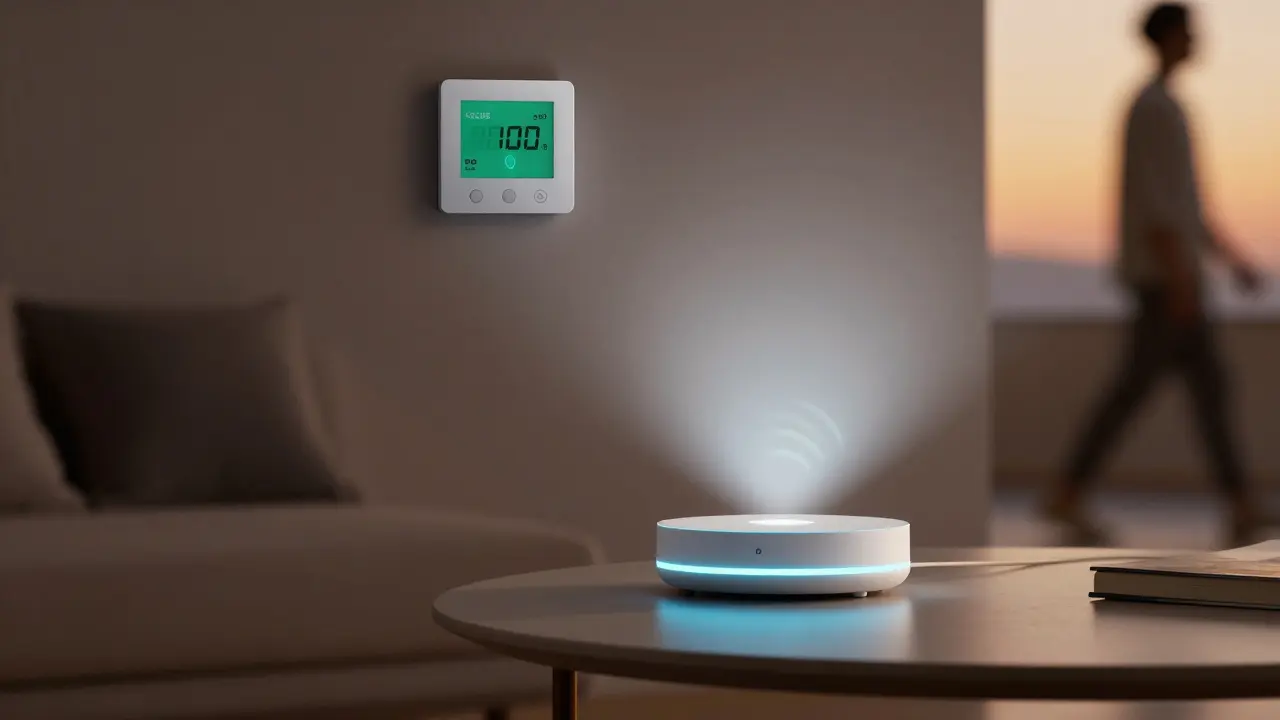
Think your home is smart because you can turn on the lights with your voice? That’s just the start. A true smart home isn’t about one gadget-it’s about a system where everything talks to each other, learns your habits, and makes life easier without you lifting a finger. By 2025, over 60% of new homes in North America include at least three smart devices working together. But what exactly makes a home ‘smart’? It’s not the brand name or the price tag. It’s how those devices work together to solve real problems.
It’s Not Just Gadgets-It’s Integration
A single smart bulb doesn’t make a smart home. Neither does a voice assistant that only answers weather questions. The moment you connect your thermostat to your motion sensors, and your lights dim automatically when you fall asleep, that’s when your home starts thinking for you. Smart homes are defined by automation that’s triggered by context, not just commands.
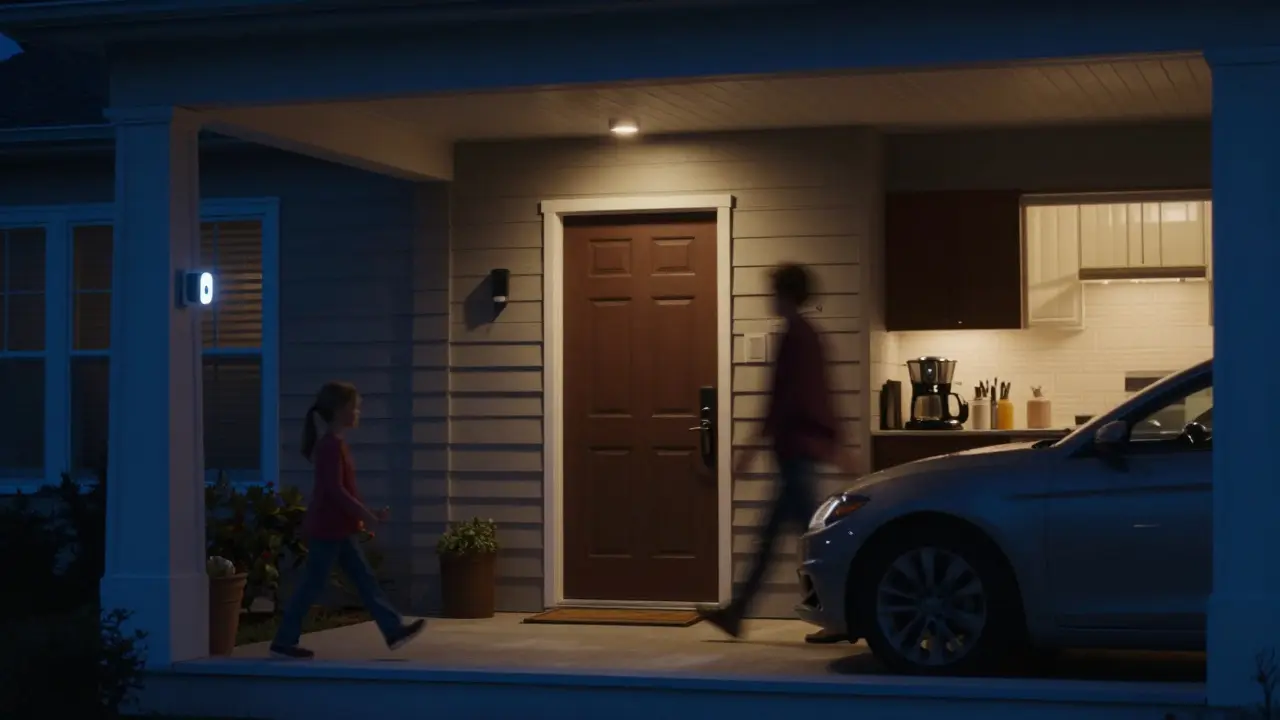
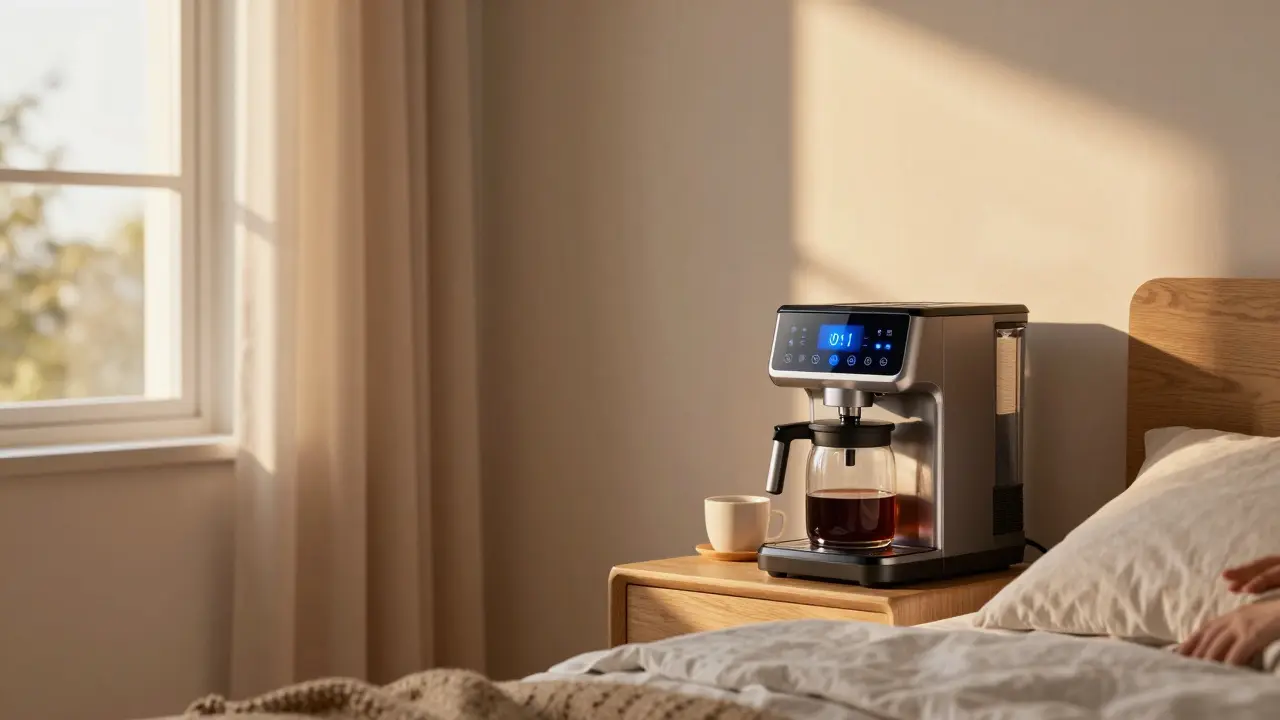
For example, if your front door lock detects you arriving home at 6:30 p.m. on a weekday, it should trigger your thermostat to warm up the living room, turn on the hallway lights, and start your coffee maker. If you’re away and a window sensor detects unusual movement, your security camera should record, send you a notification, and turn on all the lights to deter intruders. These aren’t fancy extras-they’re expectations in a modern smart home.
Core Components That Define a Smart Home
There are five non-negotiable systems that turn a house into a smart home:
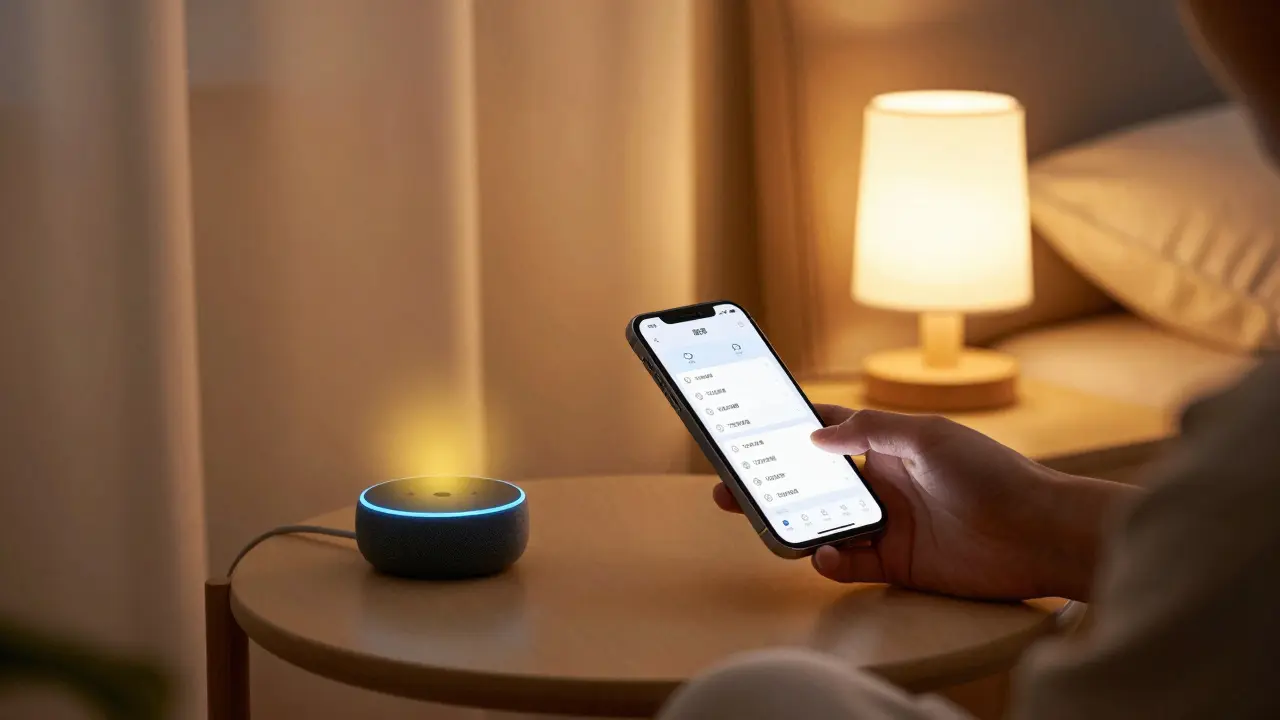
- Central hub or controller-This is the brain. It could be a Google Nest Hub, an Apple HomePod, or a Samsung SmartThings hub. It connects all your devices and lets them communicate, even if they use different protocols like Zigbee, Z-Wave, or Wi-Fi.
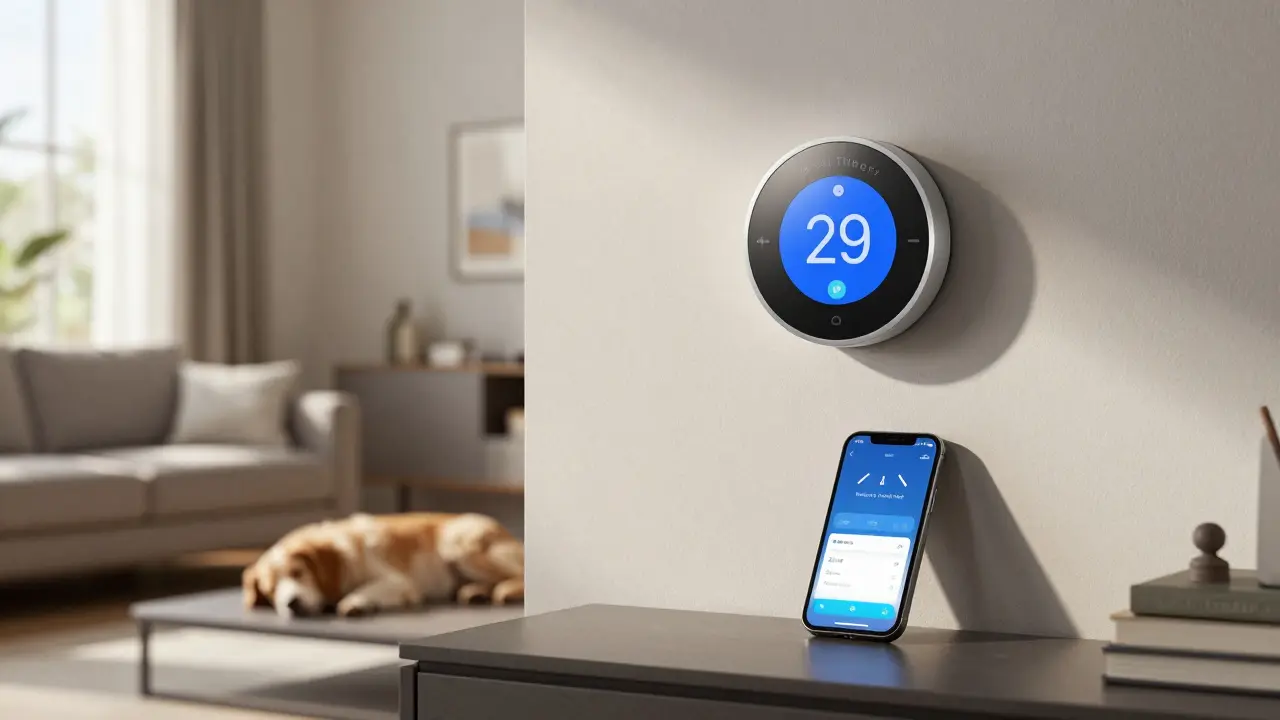
- Smart climate control-Thermostats like the Ecobee or Nest don’t just let you change the temperature remotely. They learn your schedule, detect when rooms are empty, and adjust heating and cooling automatically to save energy.
- Smart lighting-Lights that respond to time of day, motion, or voice are common. But true smart lighting adjusts color temperature to match your mood-cooler white light in the morning, warmer tones at night-and dims automatically when you start watching TV.
- Security and monitoring-Smart locks, doorbell cameras, and window sensors that send real-time alerts are essential. The best systems integrate with your phone so you can see who’s at the door, unlock it for a delivery person, and lock it again-all from your car.
- Voice or app-based control-You should be able to manage everything from one place. Whether it’s Siri, Alexa, Google Assistant, or a custom app, control shouldn’t require juggling five different apps.
If your home has all five, you’re in the smart home club. If it only has one or two, you’ve got gadgets-not a system.
What Smart Homes Do for Real People
People don’t buy smart homes because they’re trendy. They buy them because they solve real headaches.
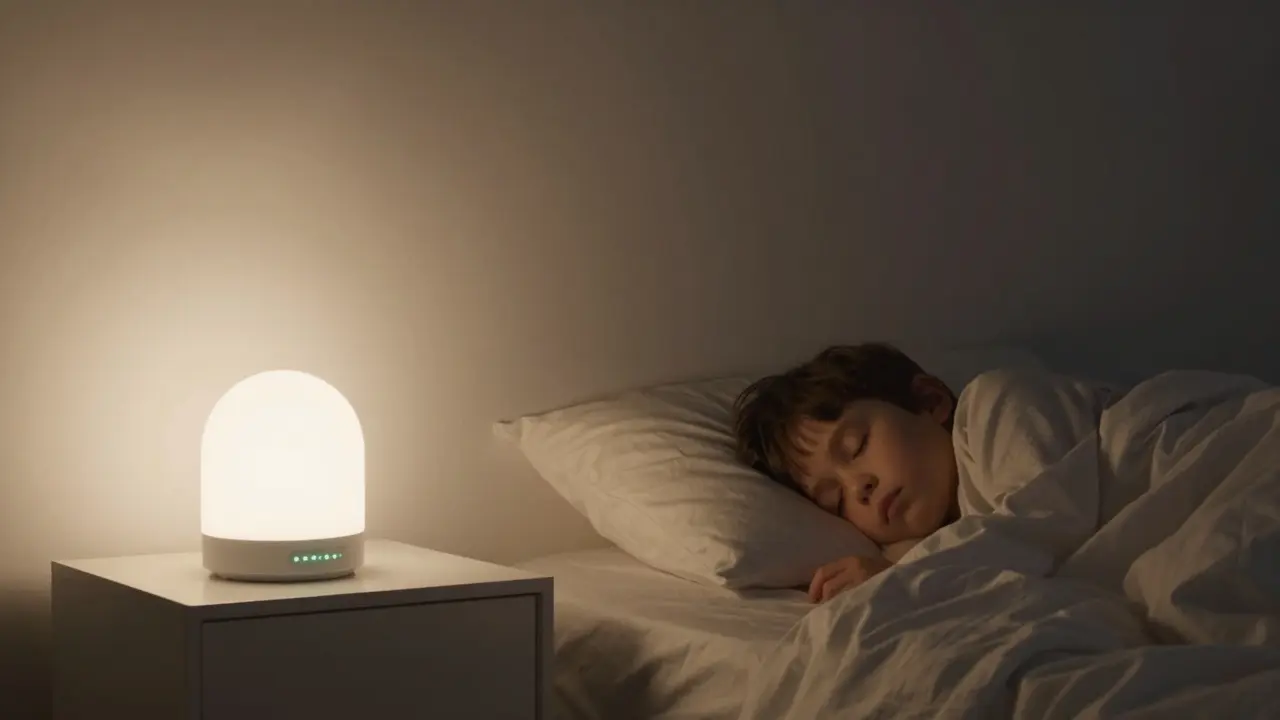
Take Sarah, a single mom in Burlington. Her 7-year-old has trouble falling asleep. She installed smart lights that gradually dim over 30 minutes after bedtime. The lights turn off completely at 9 p.m., synced with her son’s sleep schedule. No more arguing about turning off the light. No more getting up at midnight to do it.
Or Mark, who works from home and hates coming back to a cold house. His smart thermostat detects when his workday ends, warms up the living room 20 minutes before he walks in, and turns off the heat in unused rooms during the day. He saves $280 a year on heating bills.
Smart homes aren’t about luxury. They’re about reducing friction. Less stress. Less time spent managing your house. More time living in it.
What Doesn’t Count as a Smart Home
Many people think if they have a smart speaker and a few plugs, they’re there. They’re not.
A smart plug that lets you turn on a lamp from your phone? That’s a remote control with Wi-Fi. A camera you check once a week? That’s surveillance, not automation. A voice assistant that only plays music? That’s a fancy radio.
True smart homes don’t need constant manual input. If you’re still opening the app every morning to turn on the heat, or telling your lights to turn on because you forgot, you’re not there yet. A smart home anticipates. It adapts. It learns.
Also, don’t confuse smart with expensive. You can build a functional smart home for under $1,000 using budget-friendly brands like TP-Link Kasa, Wyze, or Aqara. You don’t need Apple HomeKit or Google Nest to make things work. You just need compatibility and a central system.
How to Know If Your Home Is Smart Enough
Ask yourself these three questions:
- Do any devices act without me telling them to? If yes, that’s automation. If no, you’re still in control mode.
- Can I control everything from one screen or voice command? If you need three apps to turn off the lights, lock the door, and adjust the thermostat, your system is broken.
- Does my home feel easier to live in? Not cooler. Not trendier. Just easier. That’s the real test.
If you answered yes to all three, you’ve got a smart home. If not, you’ve got a collection of gadgets. The difference matters.
The Future Is Predictive, Not Just Automated
By 2025, the best smart homes don’t just respond-they predict. New systems use AI to learn your routines over weeks, not days. They notice you leave for work earlier on Tuesdays. They know you prefer the living room at 72°F after dinner. They adjust without asking.
Some systems now even monitor air quality and humidity levels, then trigger air purifiers or humidifiers automatically. Others detect when your fridge is running low on milk and add it to your grocery list. These aren’t sci-fi dreams-they’re available now in mid-range systems.
The goal isn’t to have more devices. It’s to have fewer decisions. A smart home should make your life quieter, not noisier. Less clicking. Less remembering. More being.

Soham Dhruv
December 27, 2025 AT 08:55now i got a hub and some wyze gear and my house actually feels alive
no more yelling at the dark
Kasey Drymalla
December 28, 2025 AT 09:48the thermostat learns your sleep patterns so they can sell your dreams to advertisers
you think this is convenience its surveillance with a smile
Dave Sumner Smith
December 29, 2025 AT 17:11every device you connect is a backdoor
they dont care if your coffee is warm they care if youre addicted to their ecosystem
Cait Sporleder
December 31, 2025 AT 12:54Paul Timms
January 2, 2026 AT 09:02Jeroen Post
January 2, 2026 AT 20:18you think its helping you but its learning when to punish you
next thing you know your lights turn off because the algorithm thinks you slept too late
Nathaniel Petrovick
January 4, 2026 AT 19:05but then i got a single hub and stuck with kasa and wyze
now my lights turn on when i walk in and the heat kicks in before i get home
no more cold toes in the morning
Honey Jonson
January 5, 2026 AT 00:22now the lights slowly go dark like a lullaby and he just cuddles in
no yelling no stress
best 200 bucks i ever spent
Sally McElroy
January 6, 2026 AT 10:02Destiny Brumbaugh
January 6, 2026 AT 18:38we made the chips the code the hubs
if you dont like it go live in a cave in canada
Sara Escanciano
January 6, 2026 AT 19:37Elmer Burgos
January 7, 2026 AT 17:51but my mom who hates tech now uses voice to turn on the porch light when she comes home at night
she says it feels like someone’s always there to help
thats the real win
Jason Townsend
January 8, 2026 AT 05:07they know when you sleep when you leave when you’re alone
and they’re not using it to save energy theyre using it to predict unrest
Antwan Holder
January 8, 2026 AT 13:51