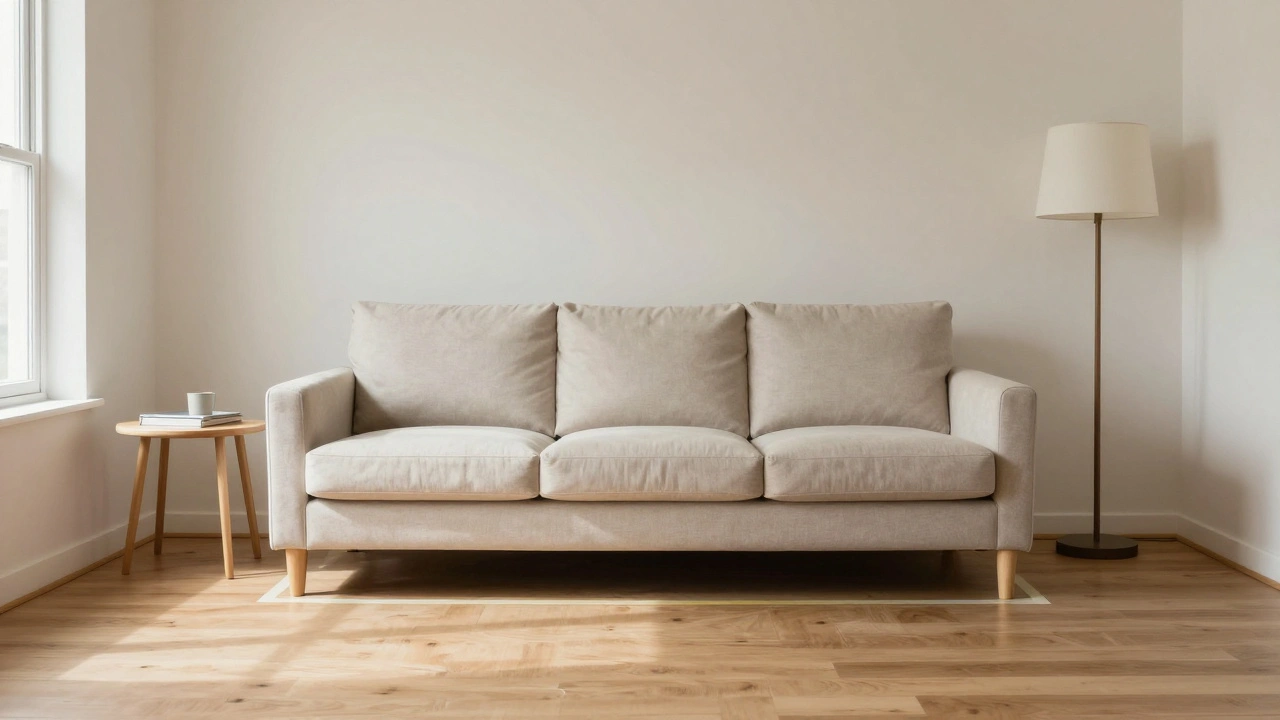
Most people buy a couch that’s too big. Then they spend months trying to make it fit. It’s not just about style or color-it’s about space. The couch rule isn’t some fancy interior design trick. It’s a practical, no-nonsense guideline that saves you from buying furniture that overwhelms your room. And yes, it works whether you live in a tiny Toronto apartment or a spacious home in Burlington.
What Exactly Is the Couch Rule?
The couch rule says: your sofa should take up no more than two-thirds of the longest wall in your living room. That’s it. No complicated math, no apps, no Instagram influencers telling you to ‘layer textures.’ Just a simple measurement and a little common sense.
Why two-thirds? Because furniture needs breathing room. If your couch fills the whole wall, you lose space for side tables, floor lamps, walkways, and maybe even your TV stand. You end up with a room that feels like a showroom-stiff, crowded, and hard to live in.
Let’s say your living room wall is 15 feet long. Two-thirds of that is 10 feet. So your couch should be 10 feet or less. That includes the arms. A standard three-seater is usually 8 to 9 feet. Perfect. A sectional that stretches 12 feet? Too big. Even if it’s on sale.
Why This Rule Actually Works
You’ve probably been in a home where the couch blocks the doorway. Or you can’t open a drawer because the sofa’s too close. Or you have to climb over the armrest to get to the coffee table. These aren’t design flaws-they’re size mistakes.
The couch rule prevents that. It forces you to think about flow, not just aesthetics. A living room isn’t a photo backdrop. It’s where you watch movies, host friends, and fall asleep after a long day. You need space to move, to sit sideways, to stand up without bumping your knee.
A 2023 survey by the Canadian Home Furnishings Association found that 68% of people who followed the two-thirds rule reported higher satisfaction with their living room layout. Those who ignored it were twice as likely to say they felt ‘cramped’ or ‘overwhelmed’ by their furniture.
How to Measure Your Wall Correctly
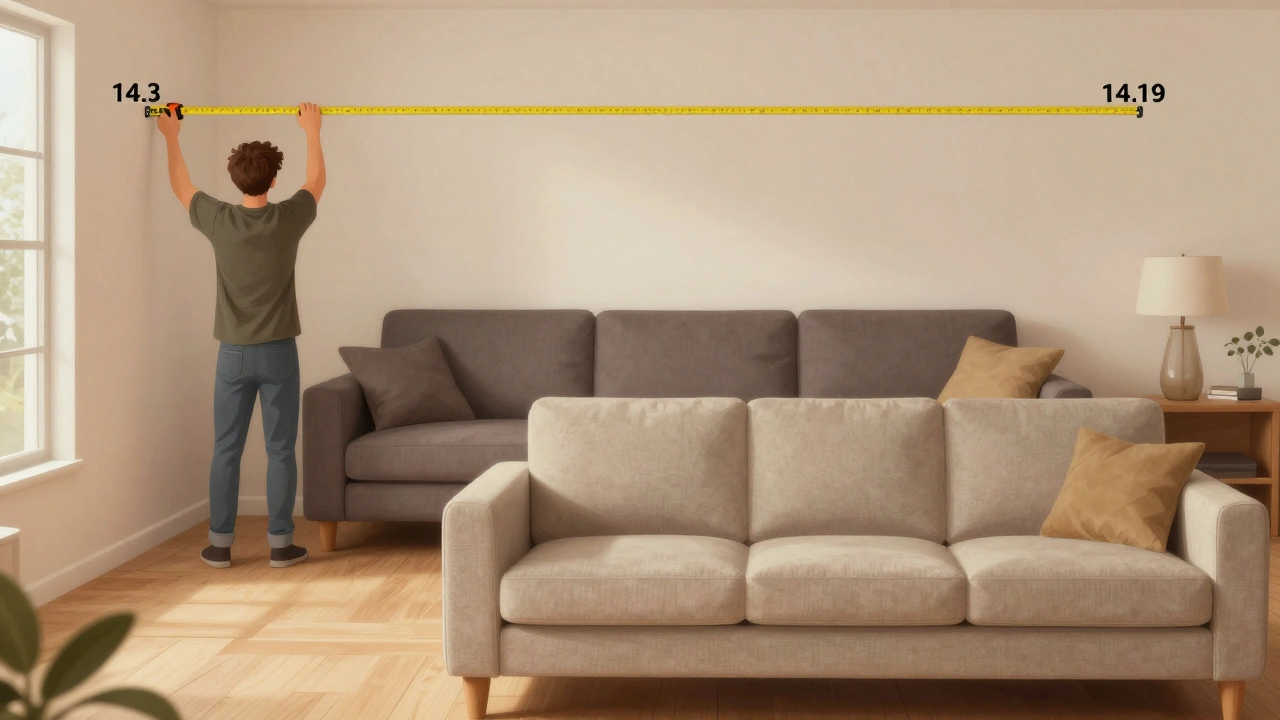
Don’t guess. Grab a tape measure. Start at one corner of the wall and go all the way to the other. Ignore windows, doors, or baseboards-just measure the full length of the wall where the couch will go.
Now multiply that number by 0.67. Round down. That’s your maximum couch length.
Example:
- Wall length: 14 feet
- 14 × 0.67 = 9.38 feet
- Max couch length: 9 feet
That means a 90-inch sofa is okay. A 108-inch sectional? Not unless you’re okay with losing your walkway.
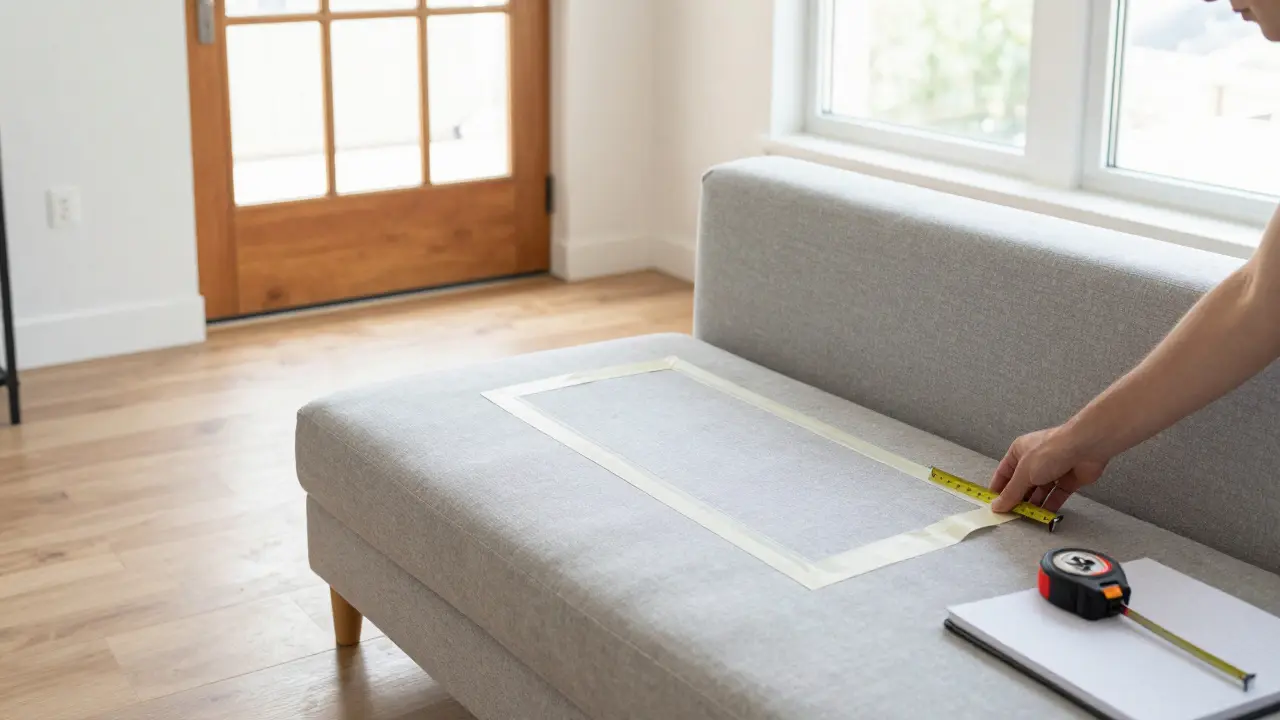
Pro tip: Use painter’s tape to mark the outline of your couch on the floor before you buy. Sit in it. Walk around it. See if you can still open a door or get to the TV without stepping over something.
What About Sectionals?
Sectionals are tricky. They look great in catalogs. They’re often on sale. But they’re also the #1 reason people regret their living room setup.
Don’t just look at the total length. Look at the footprint. A large L-shaped sectional might be 11 feet long, but it sticks out 7 feet into the room. That leaves barely enough space for a coffee table and two chairs.
Here’s a better way: measure the space where the sectional will sit. Leave at least 18 inches between the couch and any other piece of furniture. That’s the minimum for comfortable walking space. If you’re placing it in front of a TV, leave 3 to 5 feet between the screen and the front of the sofa.
If your room is under 12 feet wide, avoid sectionals altogether. Go for a loveseat or a small two-seater. You’ll thank yourself later.
What If My Room Is Odd-Shaped?
Not every living room is a perfect rectangle. Maybe you have a bay window. Or your couch has to fit around a fireplace. Or your wall is broken up by a hallway.
The rule still applies-but adapt it. Measure the longest continuous wall section where the couch will go. If your wall has a 5-foot section, then a 3.5-foot loveseat makes sense. Don’t force a 9-foot couch into a 5-foot space just because you like the style.
Consider floating furniture. A small couch placed in the center of the room, facing a TV or fireplace, can work better than one jammed against the wall. But even then, make sure it doesn’t block movement. Two-thirds still applies to the space it occupies.
What Else Should You Consider?
The couch rule is about size. But size isn’t everything.
- Height matters too. A low-profile couch looks bigger and feels more open. A tall, bulky one can make a small room feel like a cave.
- Legs help. Couches with visible legs create visual space. They make the room feel lighter. Solid skirts? They make things feel heavier.
- Color and fabric. Light colors reflect light and make a room feel bigger. Dark, textured fabrics absorb light and can make a space feel smaller.
- Back height. High backs block views. Low backs open up the room. If you have a window or TV across the room, a low back is better.
Don’t ignore the scale of other furniture. A giant couch with tiny side tables looks off. A small couch with a massive coffee table looks lost. Match proportions. Your eyes will thank you.
Real-Life Example: My Living Room in Burlington
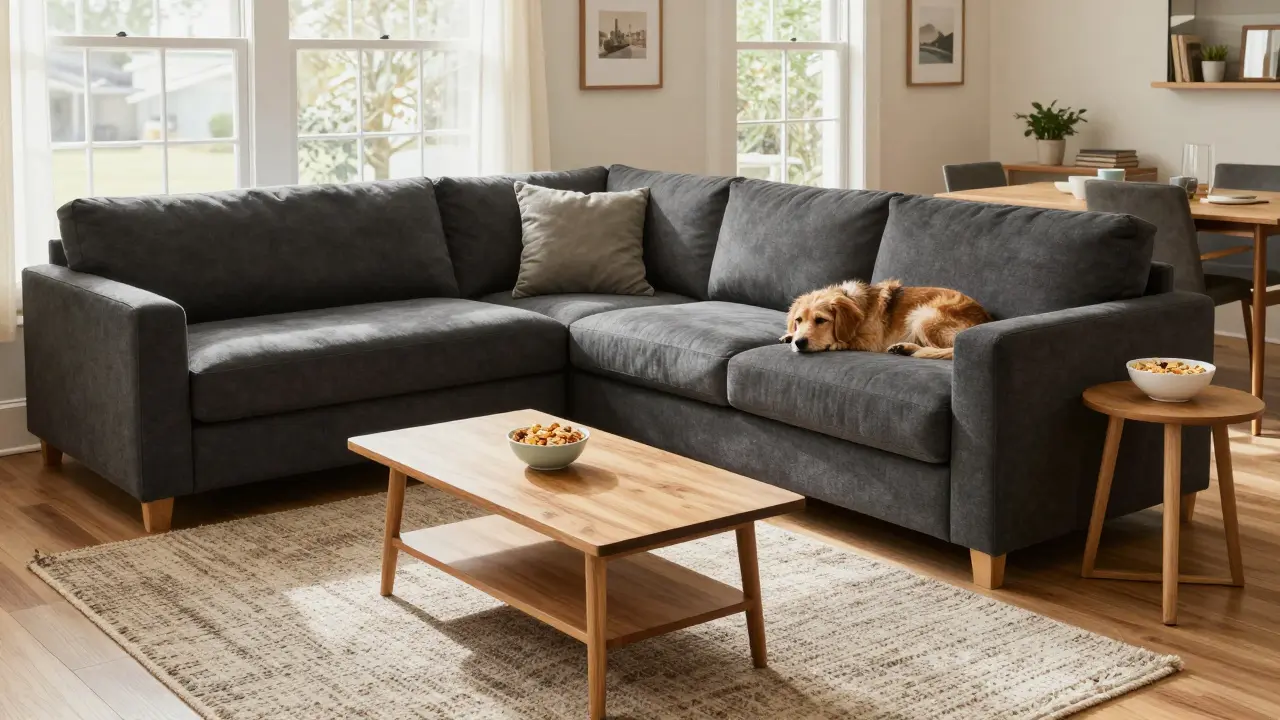
My living room is 13 feet wide and 16 feet long. The longest wall is 16 feet. Two-thirds is 10.7 feet. So I bought a 10-foot, three-seater sectional with a chaise on the right. It fits perfectly. I still have 2.5 feet of space on the left for a floor lamp and a small side table. I can walk around it without stepping on anyone’s toes. My dog has room to stretch out. And I can still open the door to the kitchen without knocking over a vase.
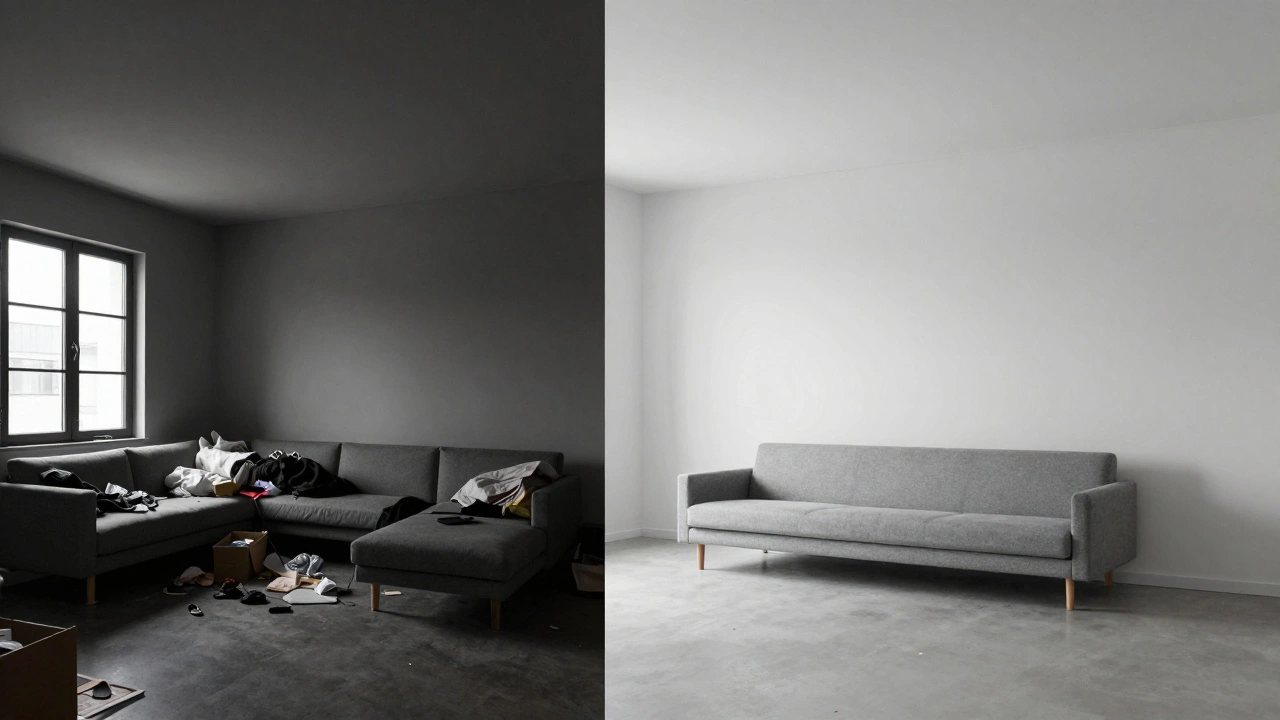
Before that, I had a 12-foot sectional. It looked impressive in the store. In my home? It blocked the view of the window. I had to crawl over it to get to the TV remote. I returned it. That’s how serious this rule is.
What If I Love My Big Couch?
That’s fine. But ask yourself: is it comfortable? Or is it just big? A couch that’s too large often forces you to sit on the edge. You can’t lean back. You can’t stretch out. You’re perched on it like a throne.
Big doesn’t mean better. Comfort does. If your couch feels like it’s swallowing you, it’s too big. If you’re always sitting sideways because there’s no room to recline, it’s too big.
There’s a difference between a spacious couch and an oversized one. One invites you in. The other makes you feel like you’re sitting on a stage.
Final Checklist Before You Buy
Before you hand over your credit card, run through this quick list:
- Measure the longest wall in your living room.
- Calculate two-thirds of that length. That’s your max couch size.
- Use painter’s tape to mark the outline on the floor.
- Walk around it. Sit in it. Can you still open doors? Reach the TV? Move freely?
- Check the height and leg style. Low and light = more space.
- Compare it to your coffee table, side tables, and TV stand. Do they match in scale?
If you check all these boxes, you’re not just buying a couch. You’re buying a living room that works.
What If I Live in a Studio or Small Apartment?
Same rule. Even smaller spaces need breathing room. A 6-foot loveseat is often better than a 7-foot sofa. Why? Because you need space for a desk, a dining nook, or a reading chair.
In a studio, your couch might double as a guest bed. That’s fine. But don’t pick a bulky futon that takes up the whole wall. Look for a slim, low-profile sofa with hidden storage. It gives you more room without sacrificing function.
Remember: small spaces don’t need big furniture. They need smart furniture.
Is the couch rule a real design principle or just a myth?
It’s not a myth-it’s a practical guideline backed by decades of interior design experience and real-world feedback. While not a strict rule like building codes, it’s widely taught in design schools and used by professional stagers. The two-thirds ratio balances visual harmony with functional space, making rooms feel more lived-in and less like showrooms.
Can I break the couch rule if I really love a big sofa?
You can, but you’ll pay for it later. A too-big couch can make a room feel cramped, block natural light, and limit movement. If you’re set on a large sofa, make sure your room is at least 18 feet long and 14 feet wide. Otherwise, consider a smaller version or a modular piece you can rearrange later.
Does the couch rule apply to sectional sofas too?
Yes, and it’s even more important. Sectionals often look smaller in photos but take up way more floor space in reality. Measure the entire footprint, not just the length. Leave at least 18 inches of walking space on all sides. If the sectional blocks a doorway or window, it’s too big.
What if my living room has multiple walls I could use?
Focus on the longest continuous wall where the couch will sit. That’s your anchor point. You can place a smaller couch perpendicular to that wall if you have an open floor plan, but the two-thirds rule still applies to the main wall. Don’t try to fit a large couch on a short wall-it’ll look awkward and block traffic flow.
Does the couch rule work with modern or minimalist styles?
It works even better. Minimalist spaces rely on open floor plans and clean lines. A too-big couch disrupts that. Low-profile, slim-arm sofas in neutral tones follow both the couch rule and minimalist design. The rule helps you avoid cluttering the space with oversized pieces that defeat the purpose of minimalism.

Jeff Napier
December 6, 2025 AT 07:53They don't want you to be comfortable. They want you to be *shopped*.
Sibusiso Ernest Masilela
December 7, 2025 AT 14:24Daniel Kennedy
December 8, 2025 AT 02:09The two-thirds rule isn’t about limiting style-it’s about preventing regret. I’ve helped 30+ clients fix their living rooms after buying oversized sectionals. The most common cry? 'I didn’t realize how much space it would take.'
Measure twice, buy once. It’s not rocket science. It’s just common sense wrapped in a practical metric. And yes, even if you love big furniture, you’ll thank yourself when you can actually walk to the kitchen without doing a side-step dance.
Taylor Hayes
December 9, 2025 AT 10:48I swapped it for a 7-foot loveseat with a matching ottoman. Now I have space for books, plants, and my dog’s napping spot. No regrets. This rule saved my sanity.
Sanjay Mittal
December 9, 2025 AT 14:55Mike Zhong
December 10, 2025 AT 00:15Jamie Roman
December 11, 2025 AT 07:59That 18-inch gap? It’s not just for walking. It’s for breathing. For thinking. For existing without being smothered by your own furniture.
I used to think bigger was better. Now I know better. I bought a 6.5-foot sofa. It’s not the biggest thing in the room anymore. But it’s the only thing that feels right.
Salomi Cummingham
December 11, 2025 AT 10:06I swapped it for a low, light-gray two-seater with thin legs. The room didn’t just look bigger-it felt lighter. Like I could finally exhale. If you’re on the fence? Do it. Your future self will hug you.
Johnathan Rhyne
December 12, 2025 AT 11:11Real design isn’t about ratios. It’s about soul. And if your soul demands a 12-foot sectional? Then buy it. Just don’t blame the room when you feel like you’re trapped in a beige prison. You chose the chains.