Smart Home Tech: Getting Your Home Connected and Working
Setting up a smart home can feel overwhelming. You’ve got lights, locks, thermostats, and maybe even a smart fridge, all waiting for commands. But how do you make sure everything works well together without glitches? The secret lies in a smart but simple setup that keeps your gadgets talking smoothly.
Picking the Right Network for Your Smart Home
The network is the backbone of your smart home. A weak WiFi signal or slow speeds can turn your high-tech setup into a frustrating nightmare. Think about this: Do you really need a special router for your smart devices? For most homes, a quality router that supports the latest WiFi standards does the trick. Look for routers that handle multiple devices and have good security features to keep hackers out. Also, consider placing your router centrally or using WiFi extenders so the signal reaches all corners of your house.
Speed matters, but stability is even more important. If your smart bulbs flicker off or your security cameras freeze, it’s usually a network issue, not the devices themselves. So, invest in a solid internet connection and keep your devices updated. Some Canadians swear by routers designed specifically with smart homes in mind, but for most, a decent mid-range router is enough.
Keeping Your Smart Home Safe and Easy to Use
Security can’t be an afterthought. Every smart gadget you add is another potential entry point for hackers. That’s why your router’s security settings need be in tip-top shape—strong passwords, updated firmware, and disabled guest networks when not needed. Plus, using a separate network for your smart devices keeps your main devices safer.
Ease of use is just as critical. Apps can be confusing with too many options. Stick with ecosystems you find intuitive, whether it’s Apple HomeKit, Google Home, or Amazon Alexa. Mixing and matching brands is fun but can complicate things—make sure your key devices work well together.
Remember, smart home tech should make life easier, not harder. Start small, test your setup, and expand when you feel comfortable. With the right network and a bit of planning, your smart home will be hassle-free and ready to impress.

Smart Device Examples: Best Gadgets for a Truly Connected Home
Discover a comprehensive list of smart device examples, from voice assistants and lighting to security and energy-saving tools for your connected home.
view more
Best Smart Home Devices for 2026: Top Picks and Buying Guide
Confused about which smart home device to buy? We break down the best ecosystems, the importance of the Matter protocol, and how to build a stable home automation setup.
view more
Is Google Discontinuing Smart Home Devices? The 2026 Reality Check
Confusion surrounds Google's hardware strategy. We break down exactly which Nest and Home devices are still supported in 2026, how Matter changed the game, and why your devices likely won't break anytime soon.
view more
Do smart homes need wifi? Connectivity options explained
Discover if WiFi is mandatory for smart homes. Explore alternatives like Zigbee, Z-Wave, and Thread, and learn how to build a reliable, offline-capable system without network congestion.
view more
Does Apple Make Smart Home Devices? Here's What They Actually Offer
Apple doesn't make traditional smart home gadgets like plugs or bulbs, but it powers the most private and reliable smart home system with HomeKit. Learn what Apple actually offers and why it stands out.
view more
What Does Nest Stand For? The Real Meaning Behind the Smart Home Brand
Nest stands for learning, protection, and integration in the smart home. Originally founded as an independent company, Nest revolutionized thermostats with AI that learns your habits. Now part of Google, its devices still lead in intuitive design and energy savings.
view more
What Is a Smart Home Product? Simple Definitions and Real Examples
A smart home product is any device that connects to your home network and can be controlled remotely or automatically. From thermostats to door locks, these tools make life easier, safer, and more efficient. Learn what they do, how they work, and how to start using them without overspending.
view more
Is Ring better than Nest? Smart Doorbells Compared
Ring and Nest both make excellent smart doorbells, but they cater to different needs. Ring is affordable and Alexa-friendly, while Nest offers smarter alerts, color night vision, and better privacy. Choose based on your home setup and what features matter most.
view more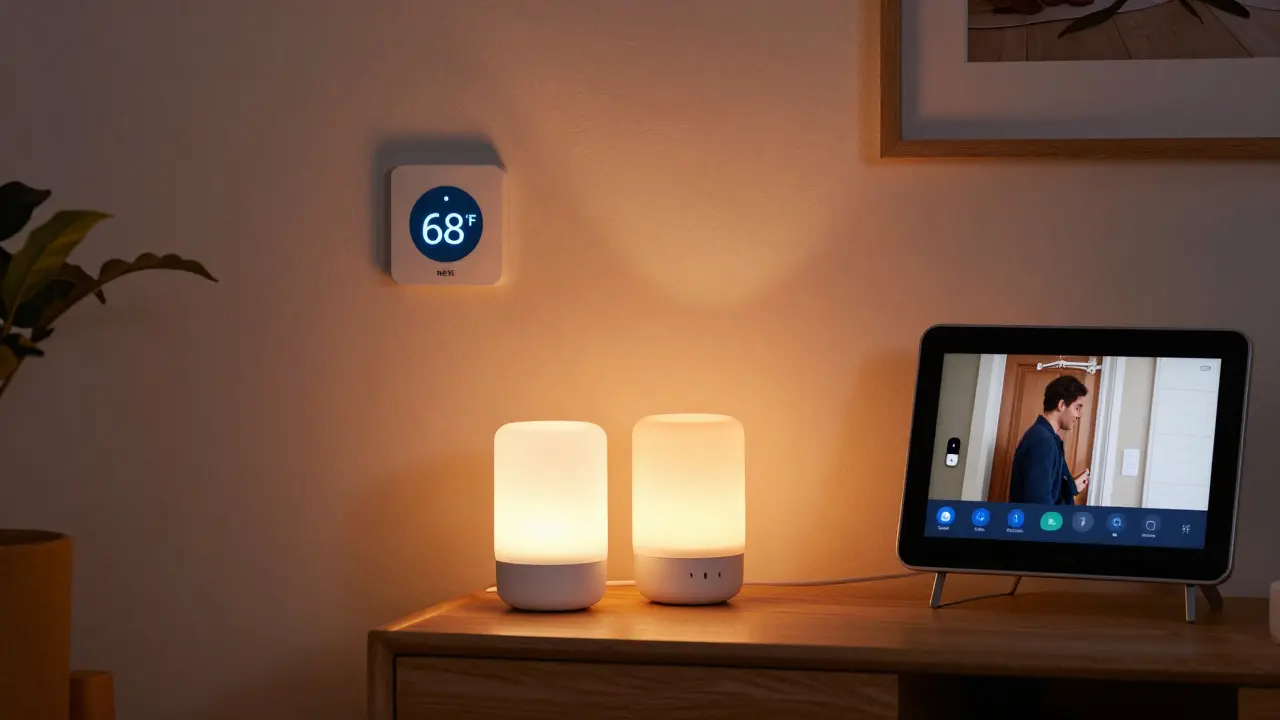
What Devices Are in a Smart Home? A Practical Guide to Today’s Smart Home Tech
Discover the essential smart home devices that actually improve daily life-from thermostats and lights to locks and sensors. Learn what to start with and how they work together.
view more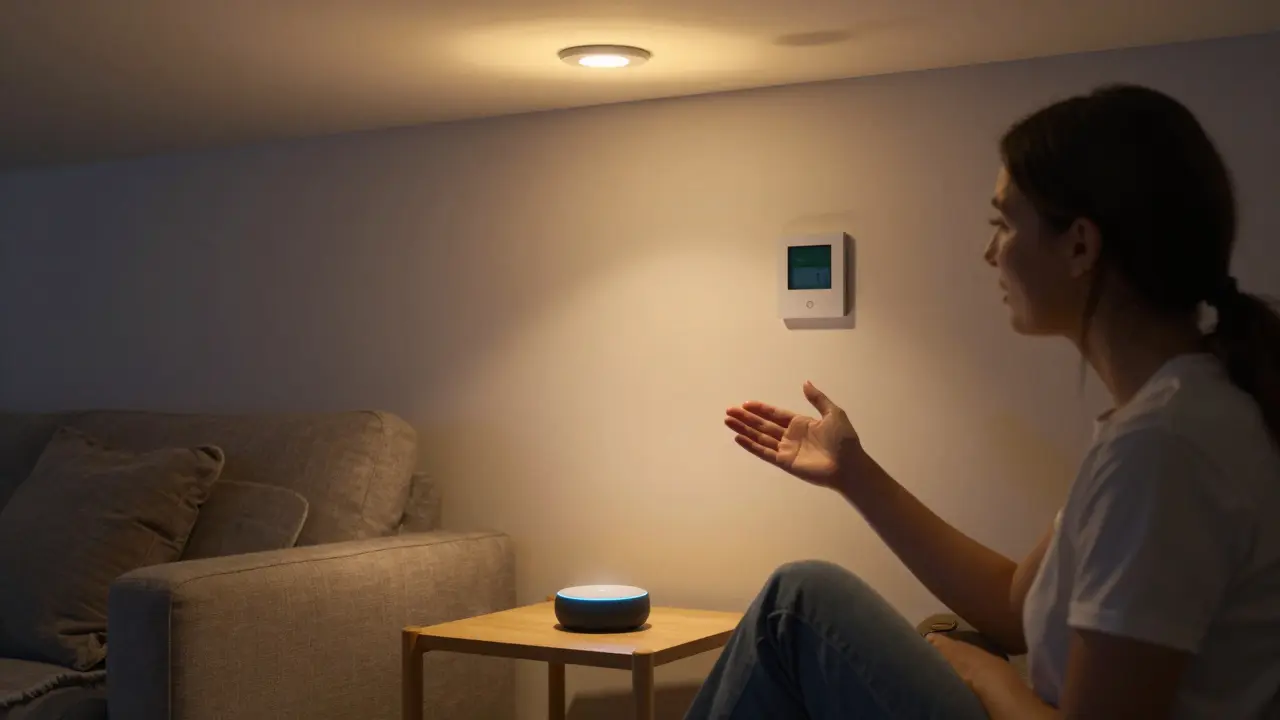
What Is Alexa Smart Home? A Simple Guide to Voice-Controlled Living
Alexa smart home lets you control lights, locks, thermostats, and more with your voice. Learn how it works, what devices connect, and why it’s the easiest way to start a smart home - no tech skills needed.
view more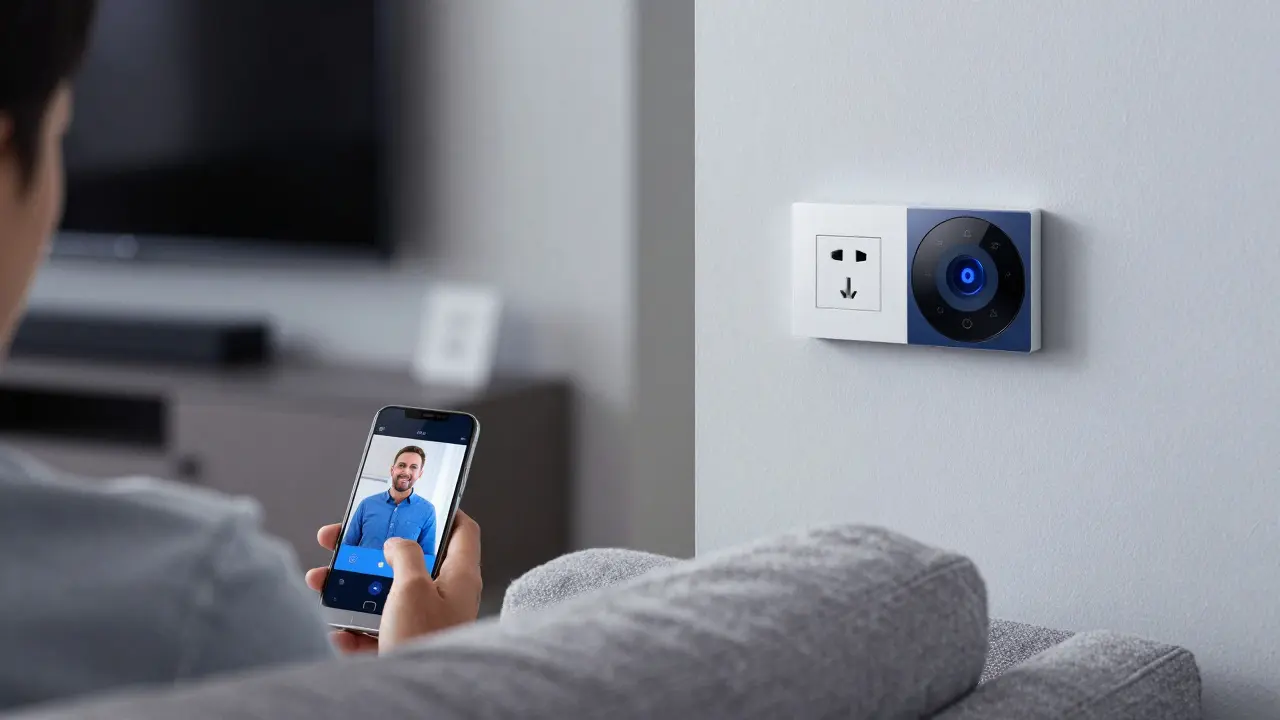
What Qualifies as a Smart Device? Simple Rules for Smart Home Tech
A smart device isn't just connected - it acts on its own. Learn the three key traits that separate true smart home tech from gimmicks, and how to spot real automation that actually makes life easier.
view more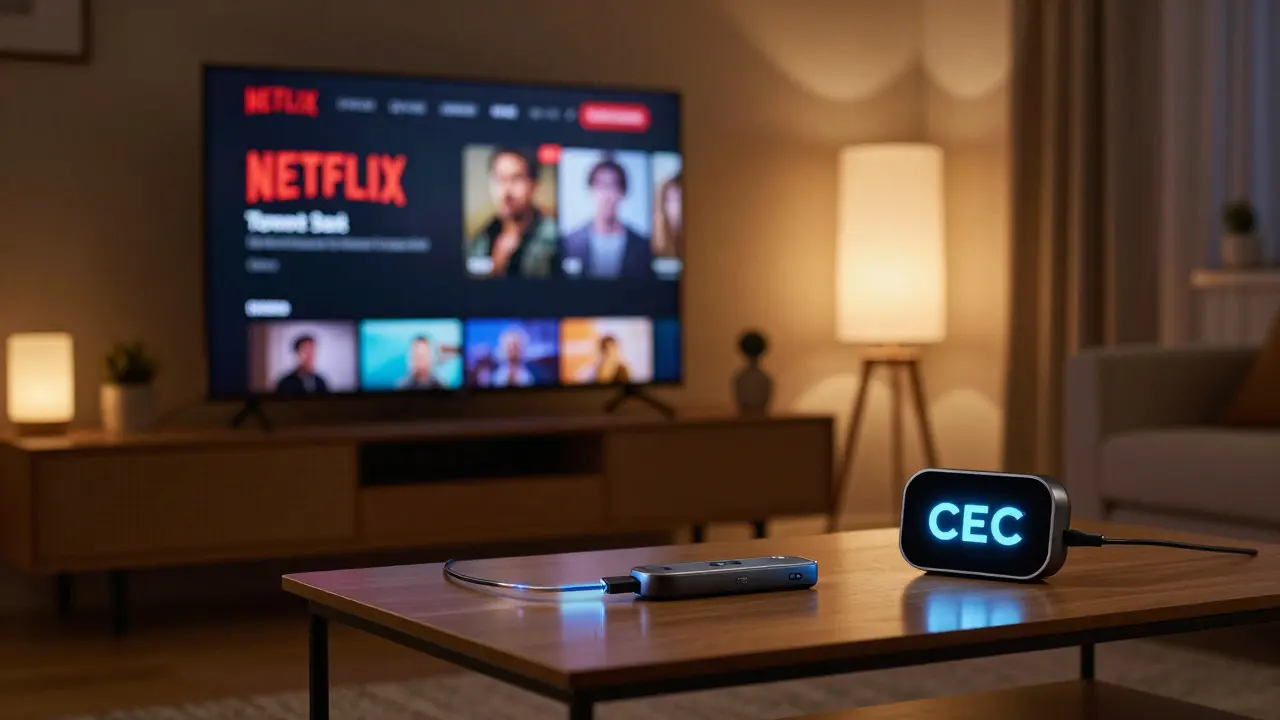
Can Alexa Turn On My TV? Here's the Real Setup
Can Alexa turn on your TV? The answer depends on your TV model, HDMI-CEC settings, and whether you're using a Fire TV Stick. Here's how to make it work - and what to do if it doesn't.
view more